



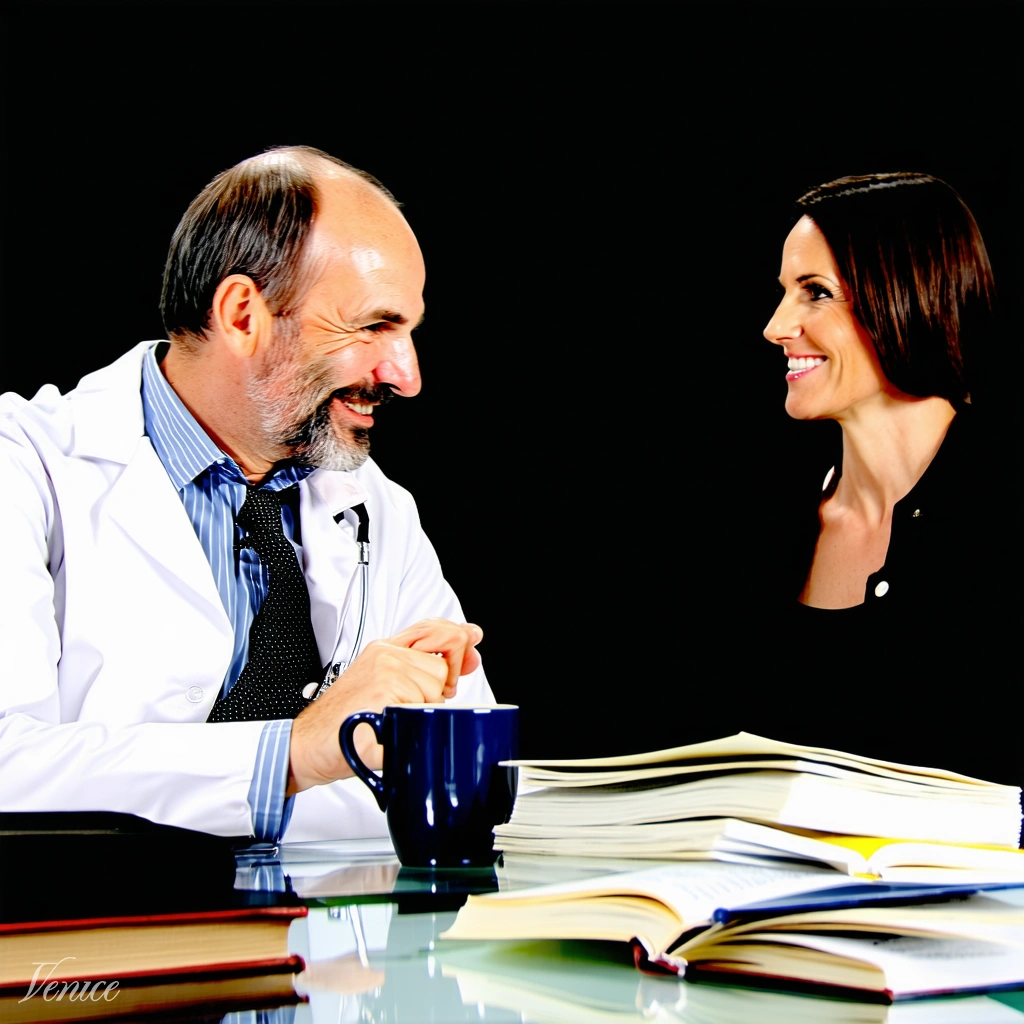
Oliver Sacks (2015)
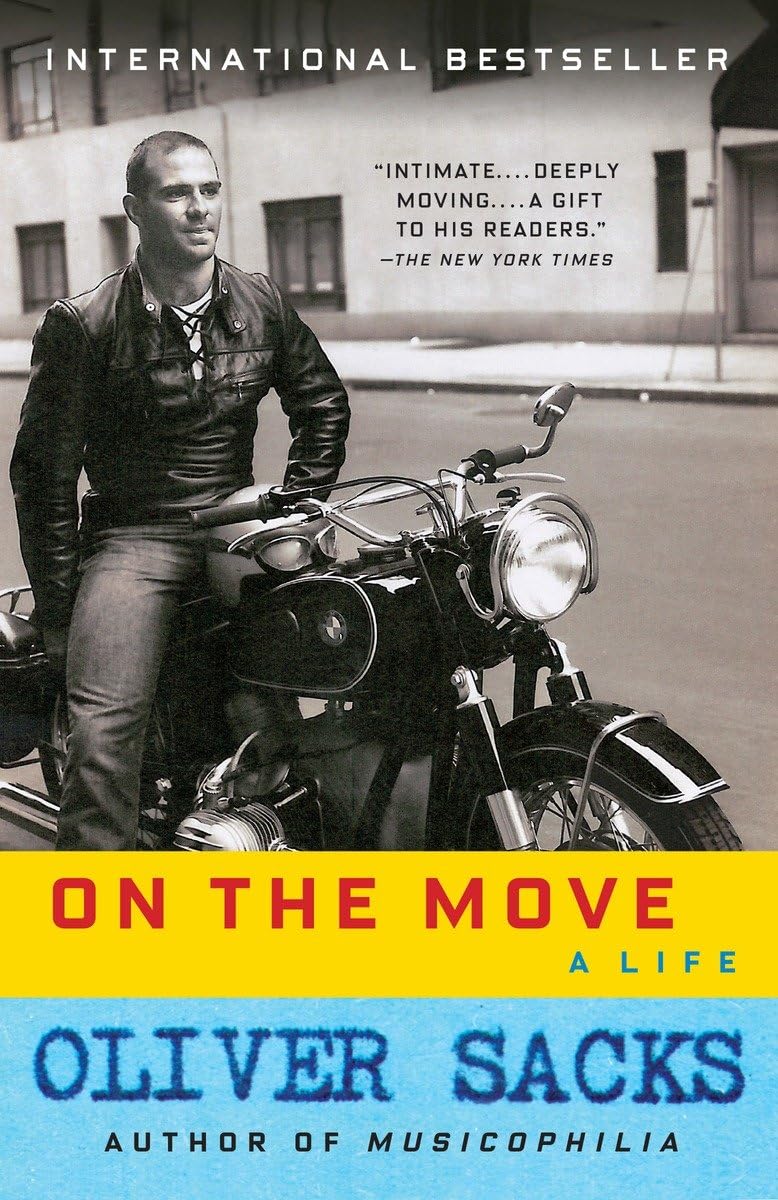
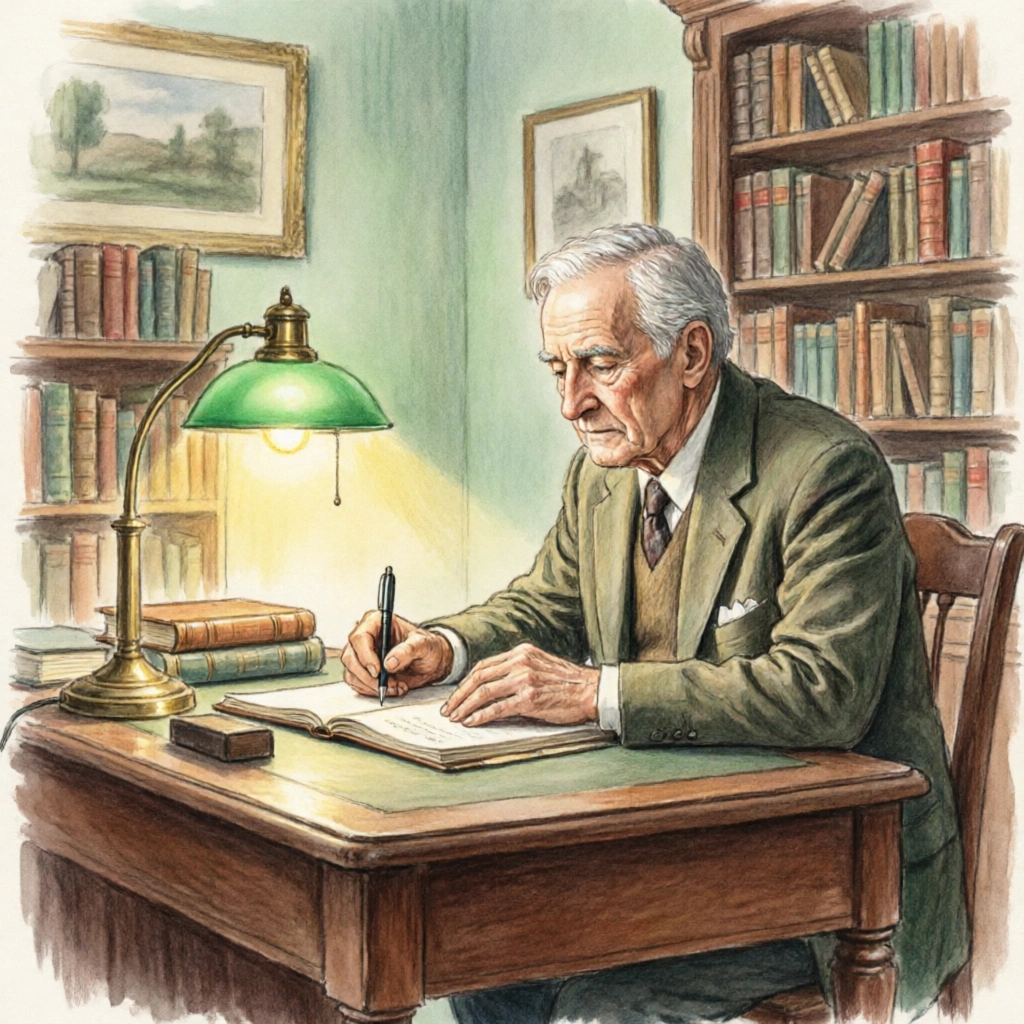
Hey everyone. Ian here. Welcome back to our book review series. Today I'm talking about a book that arrived in my life as a gift from my mother-in-law, and she absolutely nailed it. She knew I was already a huge fan of Oliver Sacks, and she placed this memoir directly into my hands with a note saying she thought I'd love it as much as she did. She was right. On the move, a life by Oliver Sacks is one of those books that makes you feel less alone in the world simply by showing you how curious another human being can be.


Let's talk about Oliver Sacks himself because understanding who he was is essential to understanding why this book and all his books matter so much. Oliver Sacks was born in 1933 in London into a remarkable family. Both his parents were physicians, his mother, Kate Sacks, was one of the first women to qualify as a doctor in Britain. His father was a general practitioner. In his older brother Marcus, who would go on to become one of the most important philosophers of the 20th century, was a profound influence on young Oliver's thinking about mind, ethics, and the relationship between science and humanity. The two brothers remained close for their entire lives, and the chapter in this memoir about Marcus's death in 2005 is devastating in the best possible way.
Sacks was, from childhood, obsessively, almost frighteningly curious about the natural world. He collected specimens. He catalogued insects. He kept detailed journals of everything he observed. But alongside this intellectual intensity ran another passion, movement. He became an avid and talented cyclist, eventually competing at a high level. He was also a powerful swimmer, a runner, and later in life a dedicated weightlifter. So on the move title is no accident. Movement, physicality, the body in motion, these were lifelong obsessions that grounded his more abstract thinking about the brain.


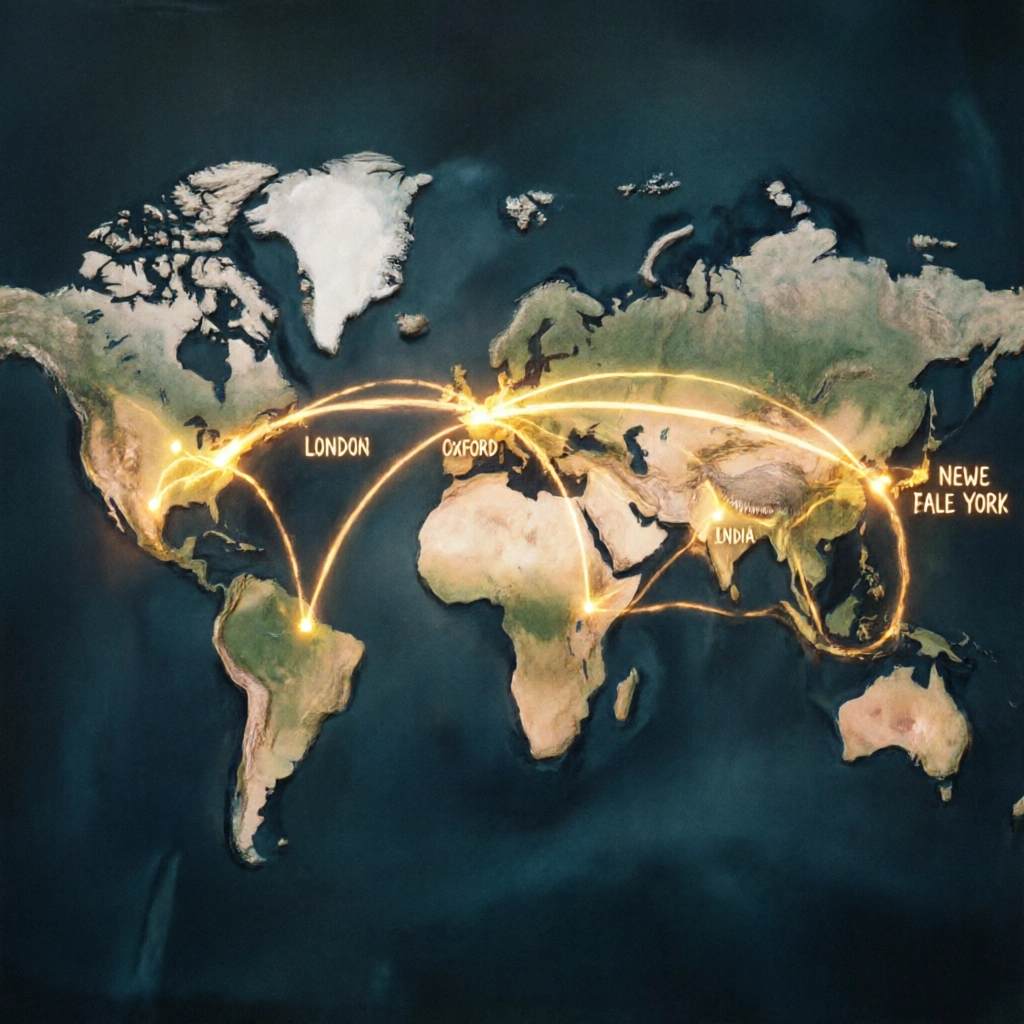
He studied medicine at Oxford, but he found the British medical establishment rigid and authoritarian. The classification heavy, pigeonholing approach to patients and conditions felt deeply wrong to him. He left Britain in the 1960s and spent formative time in India, studying with Buddhist monks and broadening his perspective on consciousness in ways that would inform all his later work. Eventually he settled in the United States, working first in California and then in New York, where he practiced neurology at the Albert Einstein College of Medicine and later at NYU Langone Medical Center.
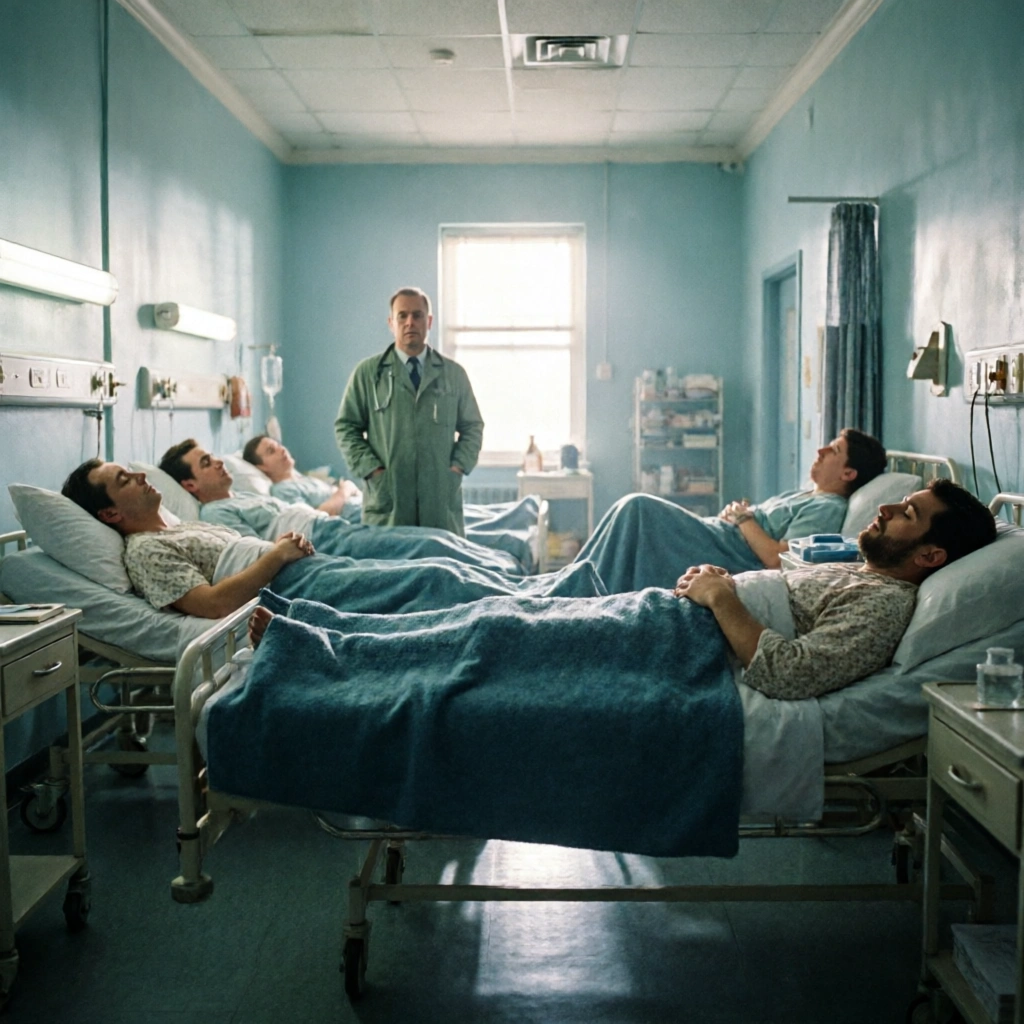
His first major book, Awakenings, published in 1973, described his work with a group of patients at St Mary's Hospital in the Bronx who had been frozen for decades in a sleeping sickness like state, victims of encephalitis lethargica, the so-called sleepy sickness. Sax gave them El Doper, a dopamine precursor, and watched many of them wake up. The book was a landmark in medical writing, it treated patients not as cases but as human beings, with histories, personalities, and interior lives. It was turned into a Pulitzer Prize finalist play by Harold Pinter and then a major Hollywood film starring Robin Williams and Robert De Niro, with the film earning Oscar nominations.


But it's his second book that made him a household name. The man who mistook his wife or a hat, published in 1985, became a cultural phenomenon. The title refers to one of his patients, a musician with a rare visual condition who literally could not recognise objects by sight but navigated the world through sound and touch. The book popularised neurology for a general audience by presenting case studies that read like short stories, each one challenging assumptions about how the brain works and what it means to have a self. Sax argued, controversially at the time, that neurological disorders weren't simply deficits to be corrected, they were windows into the extraordinary plasticity and strangeness of human consciousness.
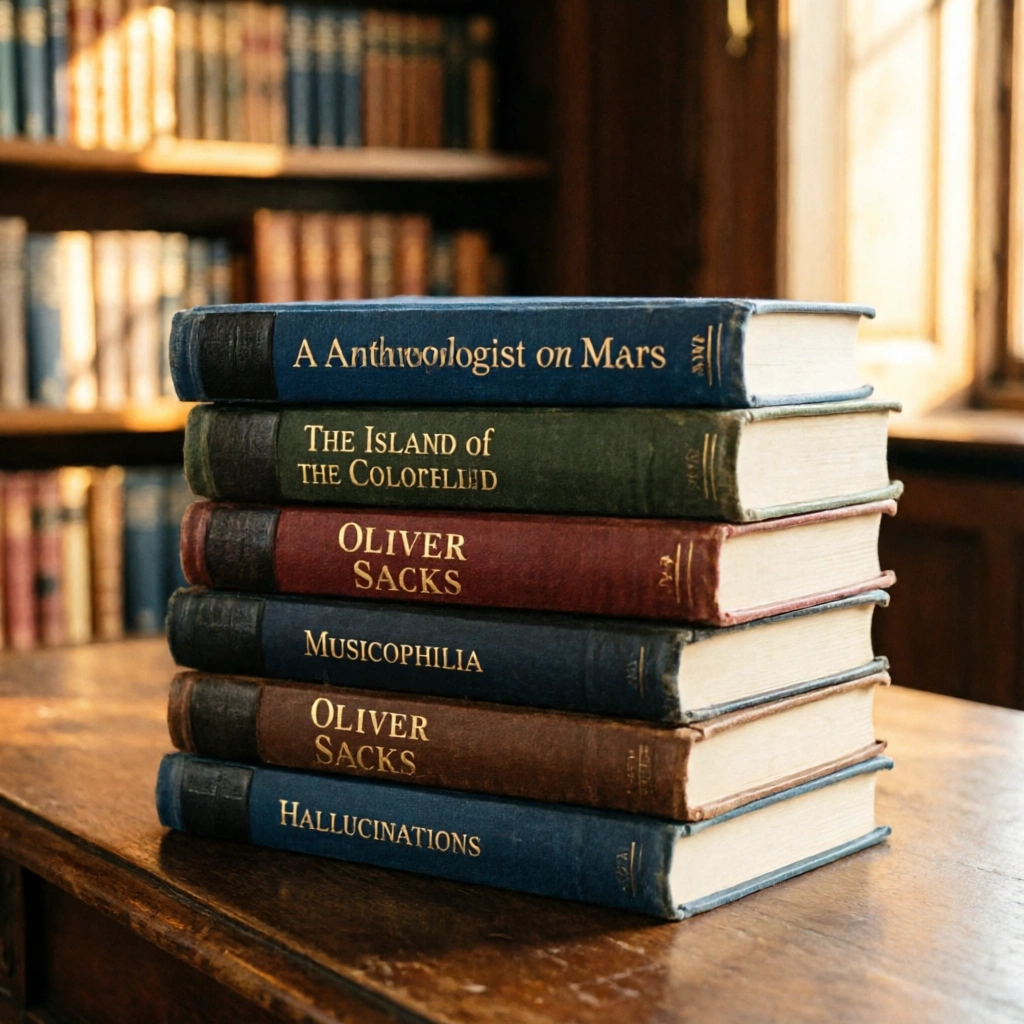
He continued writing through the 1990s and 2000s an anthropologist on Mars, which examined seven patients with paradoxical neurological conditions, including an artist with autism who experienced the world in overwhelming colour. The island of the colourblind, about an island in the Pacific where most inhabitants were born completely colourblind and what this revealed about how the brain constructs colour perception. Music Ophelia, about music and the brain. Hallucinations. Each book deepened his core conviction that patients, even those with the most bewildering conditions, are not puzzles to be solved but people to be understood.


What set Sax apart was not just his scientific rigour but his literary grace. He was one of the most humane writers in modern medicine. He treated every patient, every condition, with a quality of attention that felt almost spiritual. He listened. He observed. He wondered. His writing invited you to wonder alongside him.
He was also openly gay at a time when this was still difficult in professional medicine and society broadly. He lived most of his adult life in New York and his memoir on the move, published in 2015, just weeks before he publicly disclosed his terminal cancer diagnosis is his most personal work. It traces the full arc of his life in his London childhood, his Oxford rebellion, his escape to America, his cycling triumphs, his medical career, his literary life and his closeted gay youth and how it shaped his experience of the world. He wrote it knowing he was dying and it has the quality of a man taking stock with affection, with humour, with no patience for self-pity.


Oliver Sax died in August 2015 at the age of 82. He left behind a body of work that is not really like anything else, writing that turned neuroscience into something that ordinary people genuinely wanted to read, not because it was dumbed down but because it was written with the kind of curiosity that makes you see the world differently.
If you want to understand why this book still matters, why it will always matter, consider this, in an age of AI and brain implants and endless talk about consciousness, Sax keeps alive the most important reminder that human consciousness is far stranger, far richer and far more beautiful than we assume. And that even within the constraints of a neurological condition, people live full, meaningful, remarkable lives. His books are an invitation to see that. An invitation to be a little more curious, a little more compassionate and a little more amazed by the fact that any of us are here at all.


I'll put links in the gallery so you can check it out. And if you've read Oliver Sax, I'd love to hear which of his books hit you hardest. Thanks for watching, and as always, happy reading.
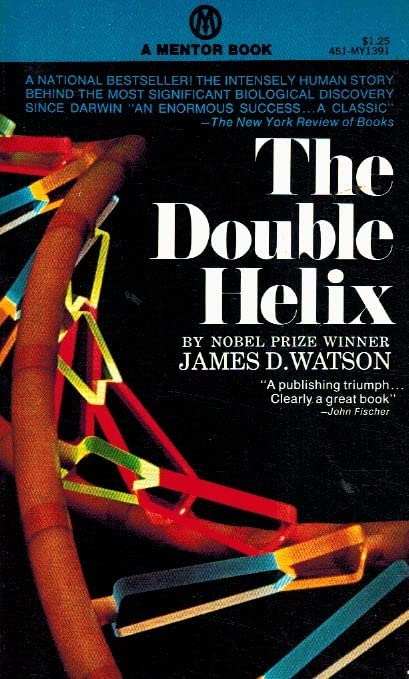
James Watson (1968)
Legendary scientist writing personally about discovery
Read Review
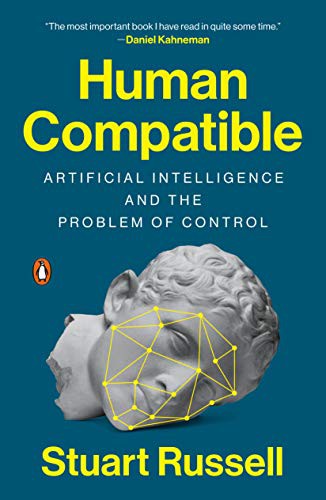
Oliver Sacks (1985)
Oliver Sacks' groundbreaking work on neurological case studies
Read Review
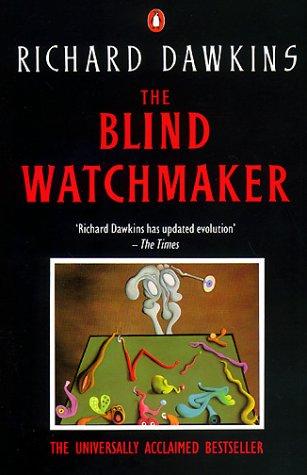
Richard Dawkins (1986)
Science writing that makes you see the world differently
Read Review
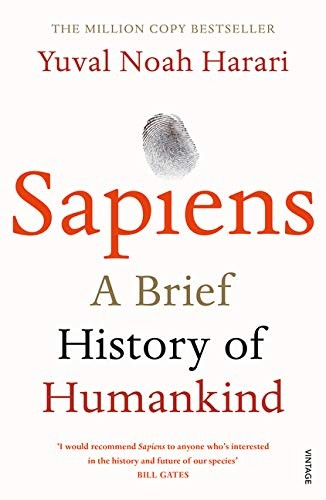
Yuval Noah Harari (2011)
Grand vision of human consciousness and what makes us human
Read Review