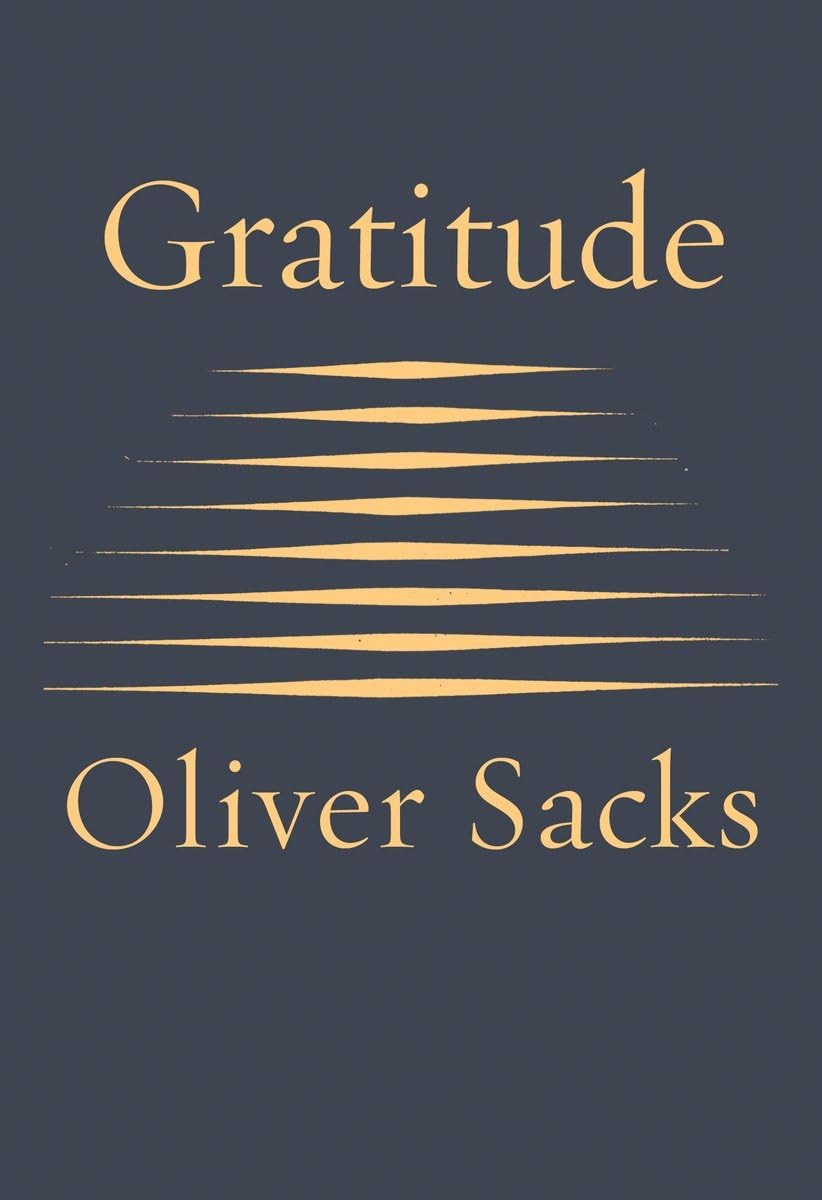
Oliver Sacks (2015)

Hey everyone! Ian here! Welcome to our book review series. Today I'm talking about a book that means more to me than almost any other on my shelf. It's slim enough to read in one sitting, but I find myself coming back to it every single year. It's called Gratitude, and it's by Oliver Sacks. It was published in 2015, the year he died.
Let me set the scene. In January of 2015, Oliver Sacks learned that the ocular melanoma he'd been treated for years earlier had metastasized to his liver. He was given months to live. And rather than retreat into private despair, he did what he had always done, he wrote. He wrote a series of four essays that appeared in The New York Times over the course of that year, essays that became this book. The foreword is written by Billy Hayes, his partner, and Kate Edgar, his longtime editor and collaborator, and it tells the occasion behind each chapter.


So you know when you sit down to read this book, you're reading the final words of a man who knew exactly what was coming.
The first essay is called My Own Life, and it was published on February 19th, 2015. In it, Sacks announces his diagnosis with a directness that takes your breath away. He writes, I have been increasingly conscious of the passage of time, but he does not dwell on fear. Instead, he turns toward something else entirely. He writes, I cannot pretend I am without fear. But my predominant feeling is one of gratitude. I have loved and been loved. I have been given much and I have given something in return.


Above all, I have been a sentient being, a thinking animal, on this beautiful planet, and that in itself has been an enormous privilege and adventure. That passage is the heart of this entire book, and it never fails to move me.
The second essay is called Mercury, and it was published on April 25th, 2015. Here Sacks writes about the vivid hallucinations that accompanied his cancer treatment. He describes Mercury, a heavy metal poison that was being pumped into his body to try to slow the disease. And he writes about the strange, almost beautiful visions it triggered, faces appearing in patterns, phosphorescent lights dancing across his field of vision. But even in this clinical horror show, his curiosity remains intact.


He observes his own mind breaking down with the same wonder he once observed his patients. He turns his own illness into a case study, but he never loses sight of his humanity in the process.
The third essay is called My Periodic Table, published on July 24th, 2015. And this one is my personal favourite. Sacks reflects on his lifelong love of chemistry, which he wrote about so beautifully in his memoir Uncle Tungsten. He assigns each year of his life a chemical element, starting with hydrogen for his birth year and working through the table. So for instance, at age 82, he assigns the element lead, dense, stable, but toxic in the wrong hands. And for age 83, polonium, which he would never reach.


Polonium is intensely radioactive and decays rapidly. It is a heartbreaking way to think about time, but it is also deeply Sacks, turning abstract knowledge into a lens for understanding his own existence.
The fourth and final essay is called Sabbath, published on August 14th, 2015, just sixteen days before he died. In it, Sacks reflects on his Judaism, his atheism, and what it means to rest. He writes about the sabbath as a day of peace, a day of gratitude, a day freed from the demands of doing and simply allowing oneself to be. It is the final essay of his life, and it ends not with despair but with acceptance.


In his final paragraph, he writes, And now, weak, short of breath, my once firm muscles melted away by illness, I can see my life as from a great altitude, as a sort of landscape, and with a deepening sense of the connection of all its parts. This does not feel like illness to me, it feels like a form of understanding.
What makes this book so extraordinary is how little it asks of you. It's only ninety pages. You can read it on a train, on a plane, over a cup of coffee on a Sunday morning. But what it gives you is a model for how to face the end of your own life. Sacks does not sugarcoat his fear. He admits he is afraid. But he chooses gratitude anyway, deliberately, daily, as an act of will.


The central message of this book, and I think of Sacks entire career, is that consciousness is a gift. Every second of it. The pain, the confusion, the fear, and above all the beauty. He writes, I feel a sudden clear focus and perspective. There is no time for anything inessential. I must focus on myself, my work, my friends. I must learn to live in the richest, deepest, most productive way I can.
This is a book for anyone who has ever lost someone, who has ever been afraid, who has ever wondered whether their life meant anything. It is a book for anyone who wants to remember that being alive, right now, in this moment, is itself an extraordinary thing.


If you have not read Oliver Sacks before, don't start with Awakenings or The Man Who Mistook His Wife for a Hat. Start here. Start with Gratitude. It's the shortest and the most direct. And if you're already a fan, this book will break your heart and put it back together in the same ninety pages. I'll put links in the gallery so you can pick up a copy. And if you've read Gratitude or any other Oliver Sacks, I would love to hear about it in the comments. Thanks for watching, and as always, happy reading.
Oliver Sacks (2015)
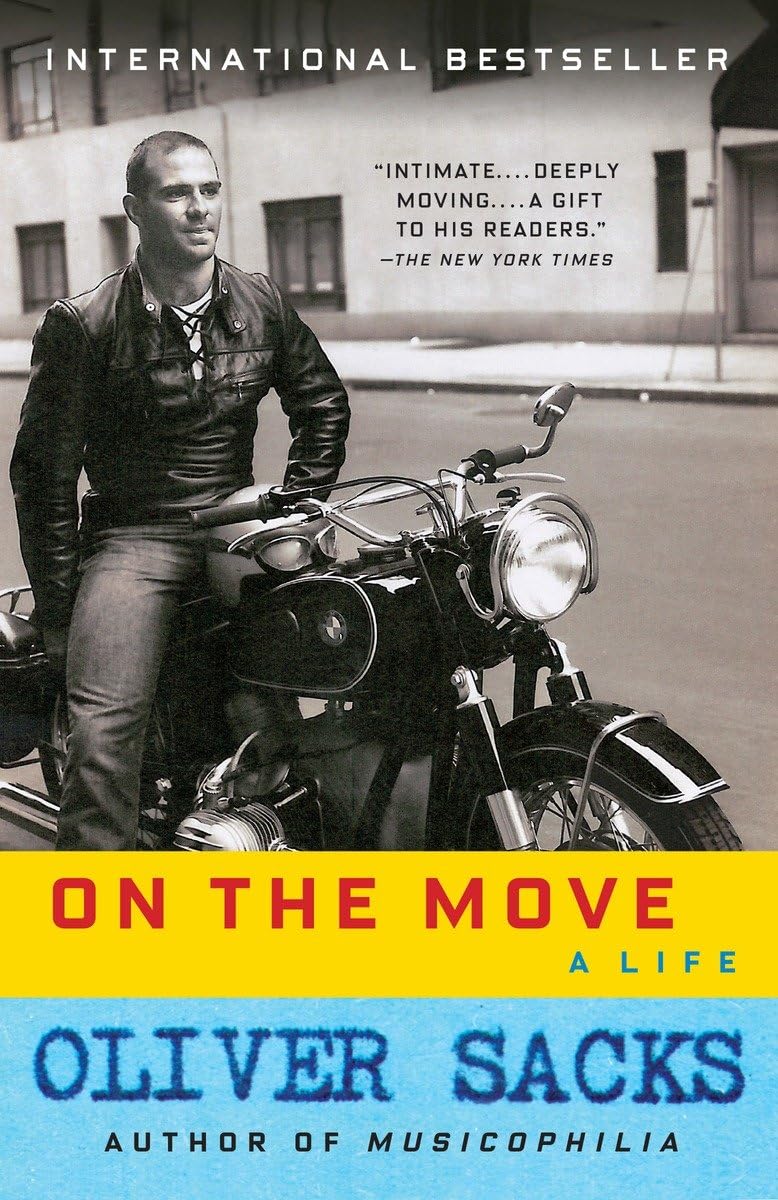
Also by Oliver Sacks — the autobiography that inspired this collection
Read Review
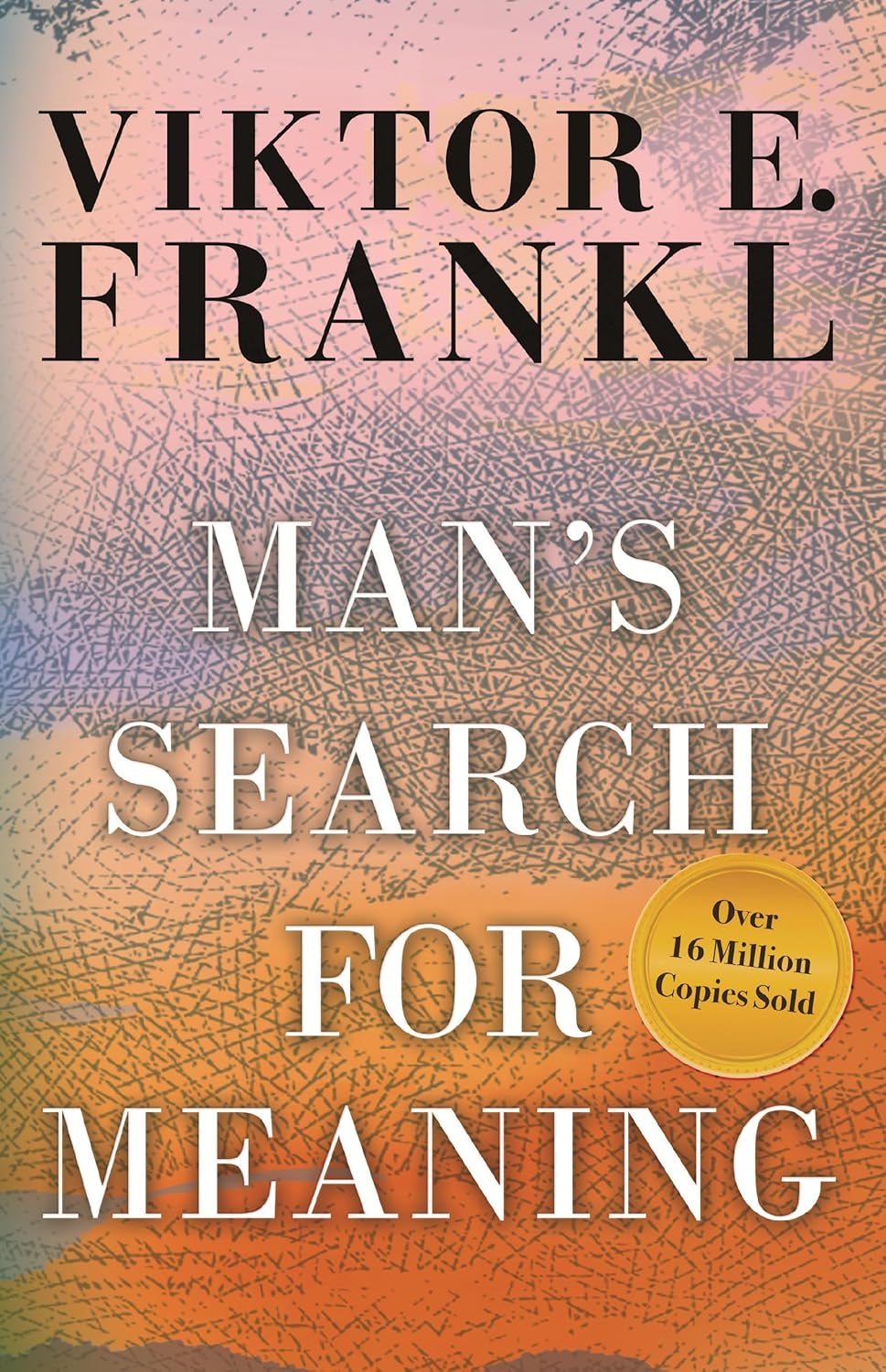
Viktor Frankl (1946)
Finding meaning in suffering — a perfect companion to Gratitude
Read Review
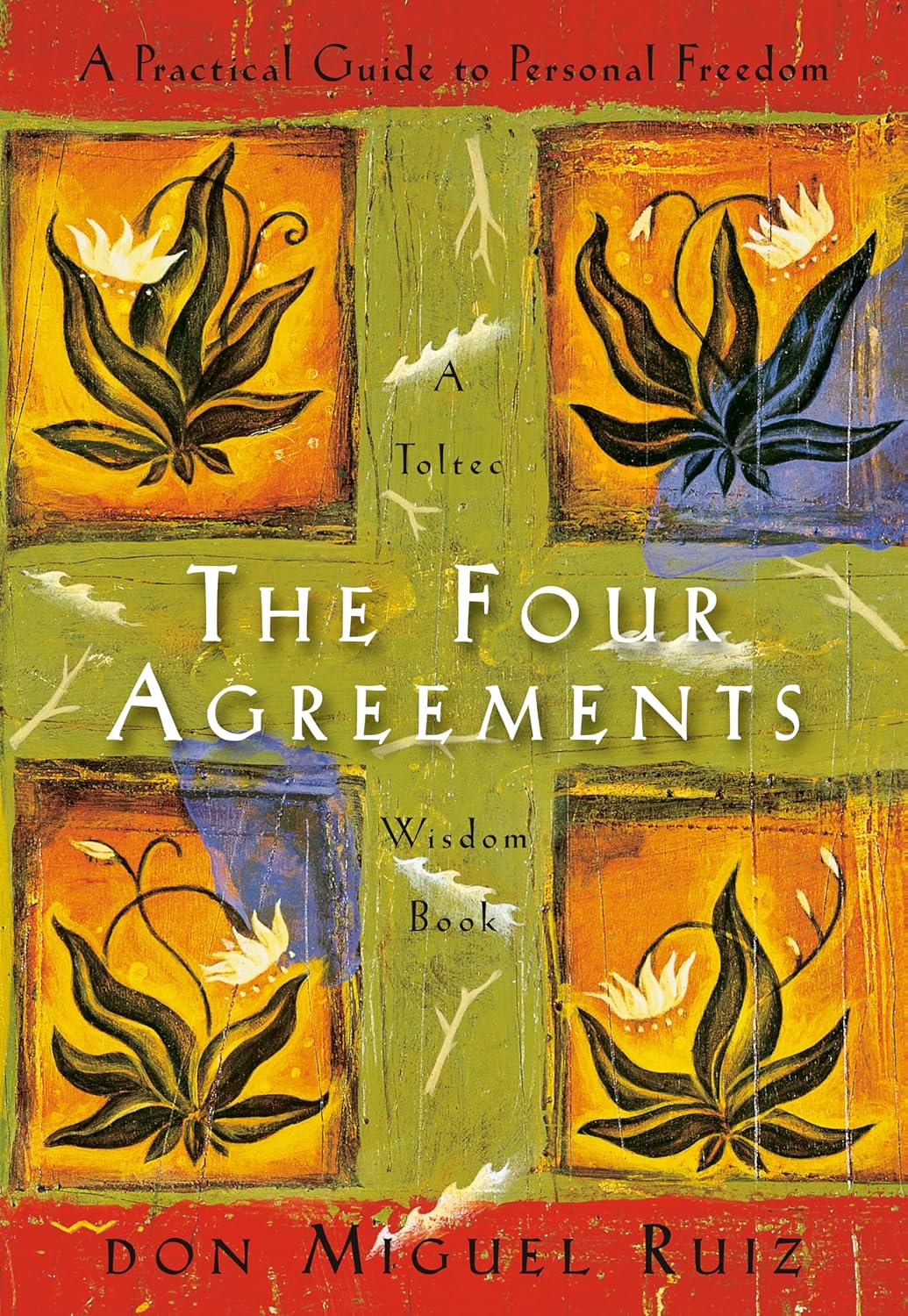
Don Miguel Ruiz (1997)
A practical guide to personal freedom and gratitude
Read Review
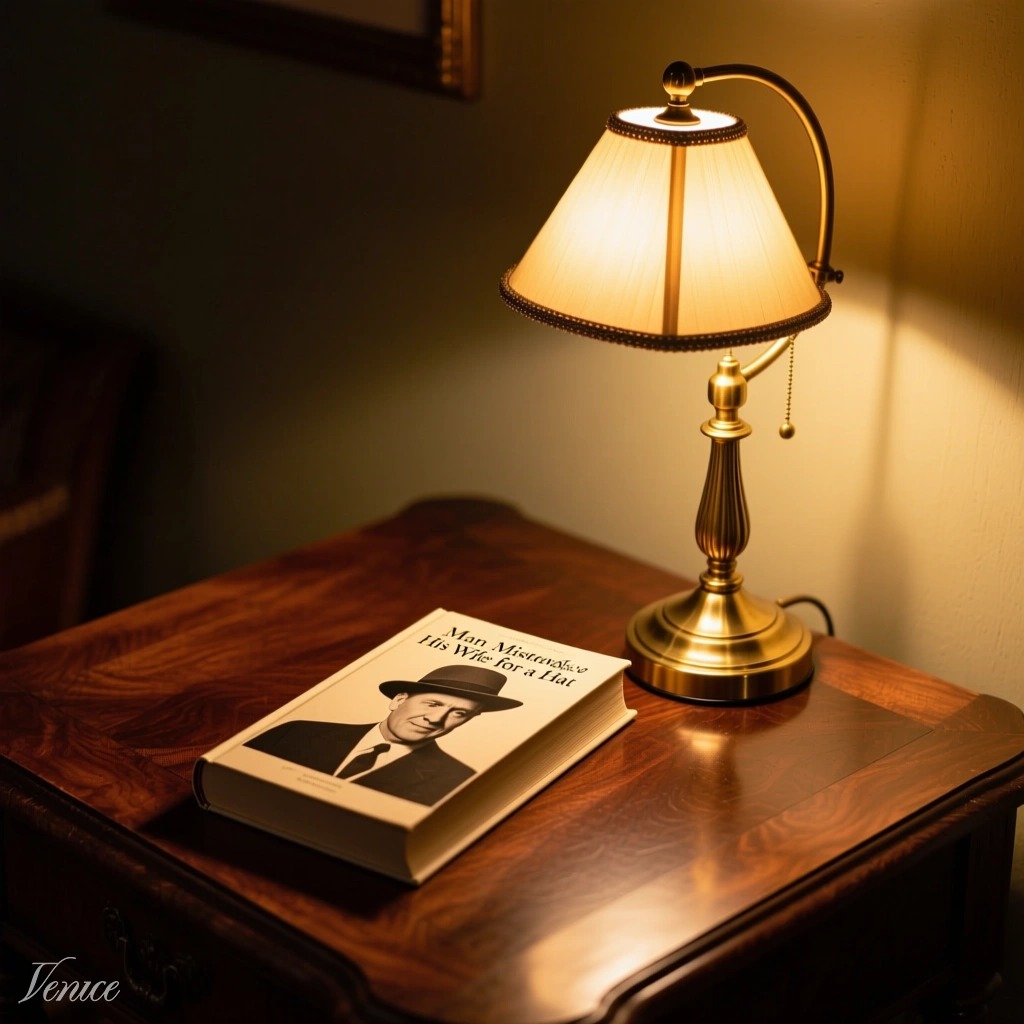
Oliver Sacks (1985)
Oliver Sacks' groundbreaking neurological case studies
Read Review