





Book Review

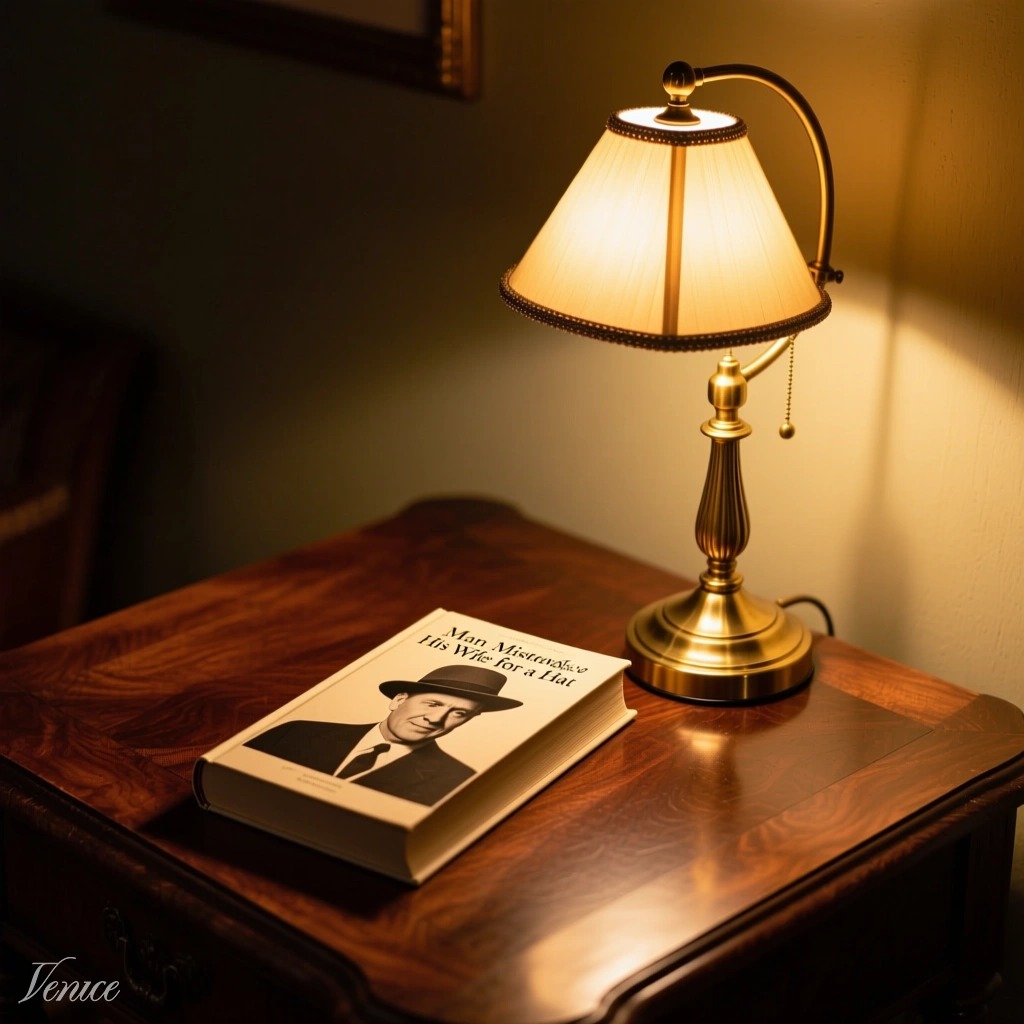
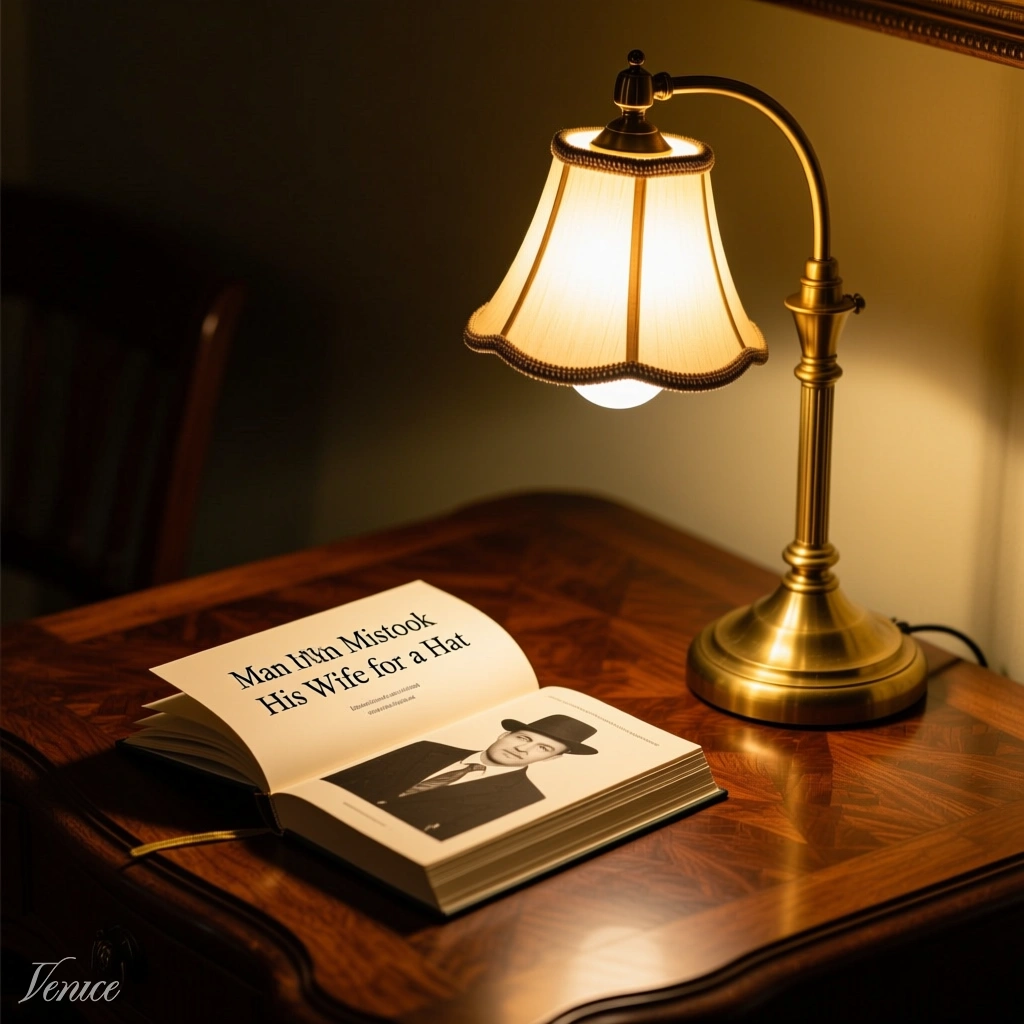
Hey everyone! Ian here! Welcome to our book review of The Man Who Mistook His Wife for a Hat by Oliver Sacks. Published in 1985, this is a collection of twenty-four case histories from one of the greatest medical writers who ever lived. It is a book that changed how we think about the brain, about illness, and about what it means to be a person.
Oliver Sacks was a British-American neurologist who spent his career working with patients whose conditions most doctors considered hopeless. He worked in chronic-care hospitals, with survivors of the sleeping sickness epidemic of the 1920s, with people on the autism spectrum, with patients suffering from Tourette syndrome, migraines, and the most exotic neurological disorders imaginable. And he had a gift almost nobody else in medicine possessed.


He could see his patients as full human beings even when their brains were doing the most bizarre things imaginable.
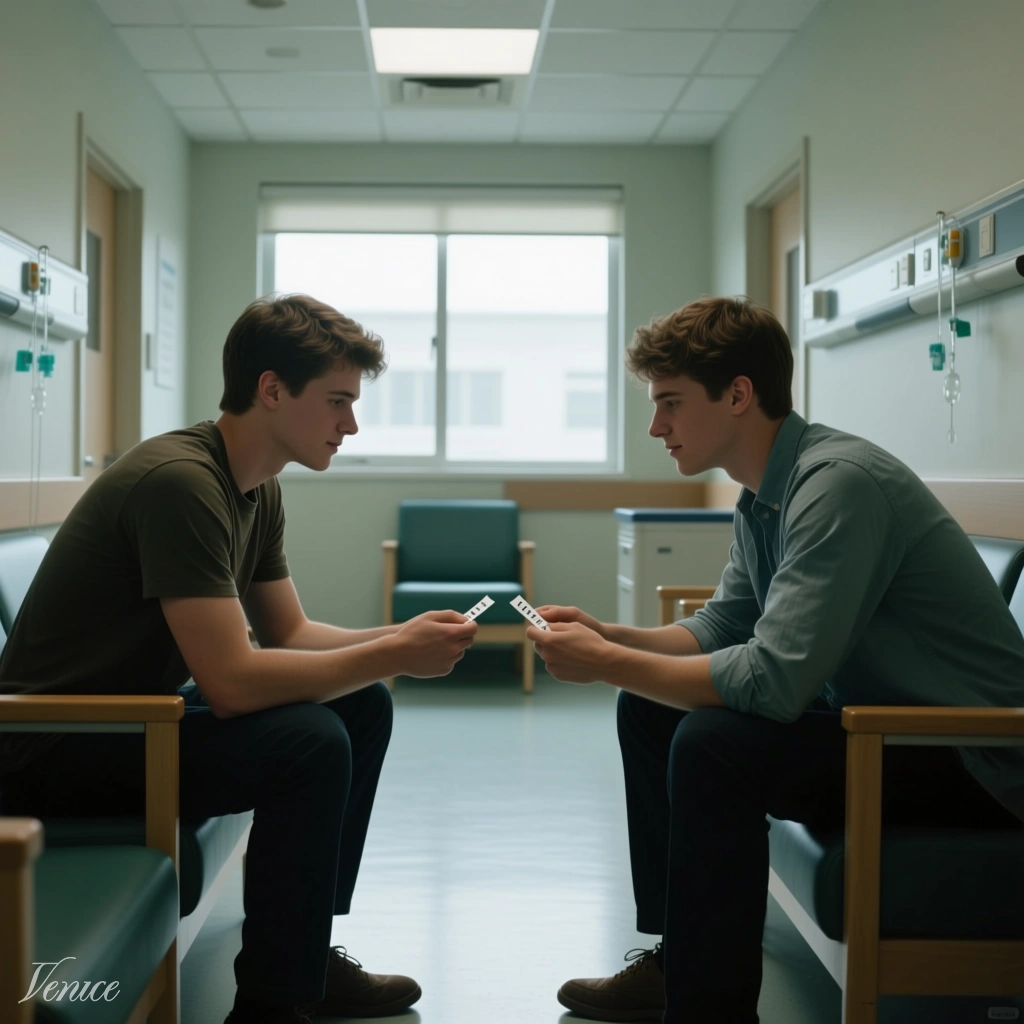
The book is structured into four parts. Losses, Excesses, Transports, and The World of the Simple. The losses section deals with deficits, things the brain has lost the ability to do. The title case is the famous one. Doctor P was a distinguished music teacher who started failing to recognize ordinary objects. He would reach for his hat and grasp his wife's head. He could not identify a glove or a rose by sight, though he could describe their geometric properties perfectly.


He had visual agnosia, a condition where the brain can see but cannot translate seeing into meaning. And yet his musical abilities were untouched. He could only get dressed by singing. He could only eat by humming.
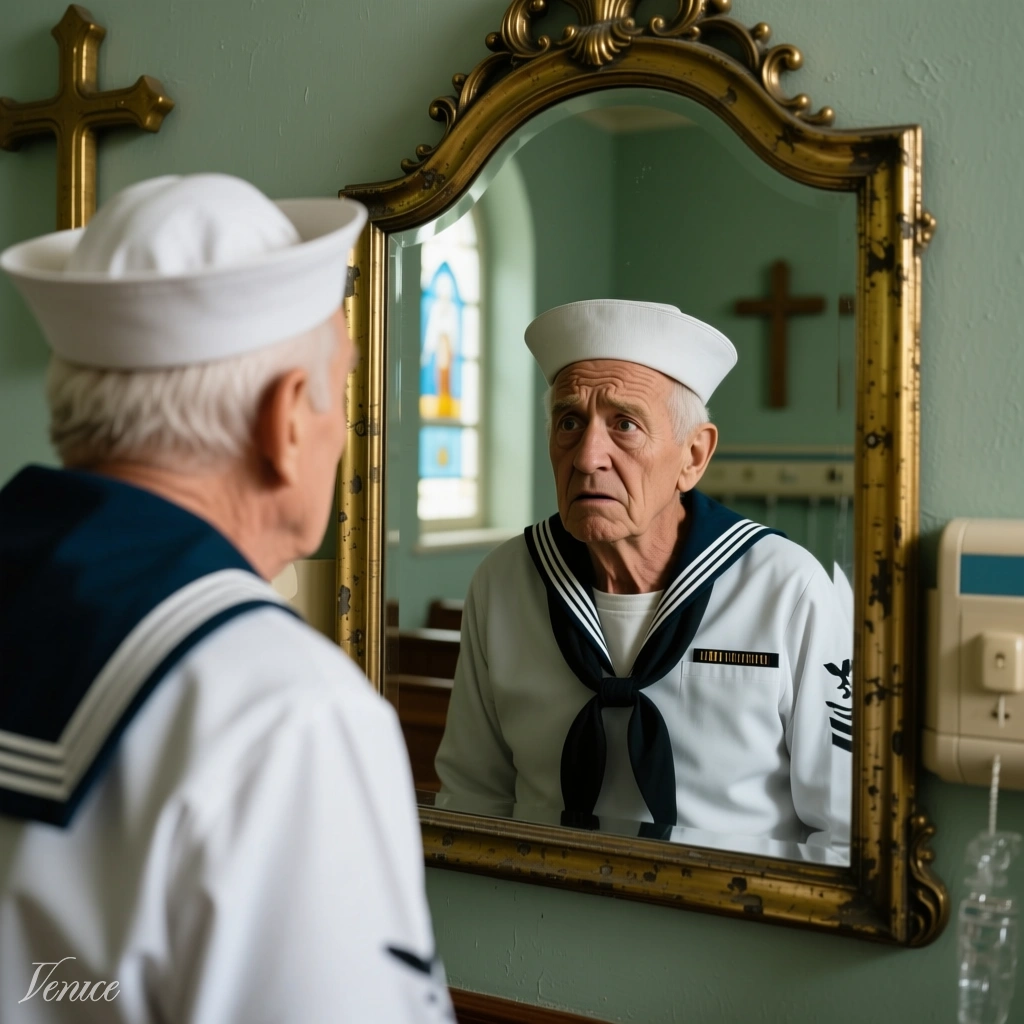
Sacks tells these stories with a novelist's eye for character and a philosopher's interest in what they mean. Another patient, the lost mariner Jimmie G, had Korsakov syndrome and lived in a permanent present, his memory wiped clean every few minutes, frozen in his nineteen forties self at age forty-nine, unable to recognize his own face in a mirror. Sacks wrestles with the question of whether Jimmie still has a soul, and finds the answer not in his shattered memory but in his deep emotional connection to music and to the chapel.


The excesses section is the mirror image. These are patients whose brains are doing too much. Witty ticcy Ray was a young man with severe Tourette syndrome whose tics and verbal explosions had wrecked his social life. When Sacks put him on haloperidol, his tics vanished, but so did the explosive creativity, the lightning-fast improvisation, the brilliance that had made him a successful jazz drummer. Ray took the medication only on weekdays and kept his Tourettes for the weekend gigs.
The book asks whether the disorder is the patient or part of who they are. Transports is where Sacks gets truly strange. These are cases of altered states. A woman who started hearing Irish songs from her childhood with vivid hallucinatory clarity, which turned out to be temporal lobe seizures activating her oldest memories. A man who had a stroke and suddenly possessed a heightened sense of smell so powerful that he could identify every person on the street by scent, until the gift faded back to ordinary human dullness.


Sacks treats these moments not as pathology but as windows into what the brain is capable of, the hidden chambers we mostly never enter.
And then the final section, The World of the Simple. These are patients we would once have called retarded, severely intellectually disabled. And here Sacks performs his greatest act of medical compassion. He shows us their inner lives. The twins who could not perform basic arithmetic but could intuit twenty-digit prime numbers and pass them back and forth as a kind of private conversation. José, an autistic young man who could not speak coherently but could draw any object he had ever seen with the precision of a master draughtsman.


Rebecca, who could barely tie her own shoes but who responded to poetry and theater with a depth of feeling most college graduates never approach. Now what makes this book essential, even forty years after it was first published, is the way Sacks treats the patient. Most medical writing reduces people to their conditions. The diabetic in bed seven. The schizophrenic in the locked ward. Sacks does the opposite. He restores the patient to personhood. He writes about Doctor P's wife with as much care as he writes about Doctor P.
He writes about the daily reality of living with these conditions, the workarounds, the music, the small moments of connection that make a life meaningful even when the brain has betrayed it.


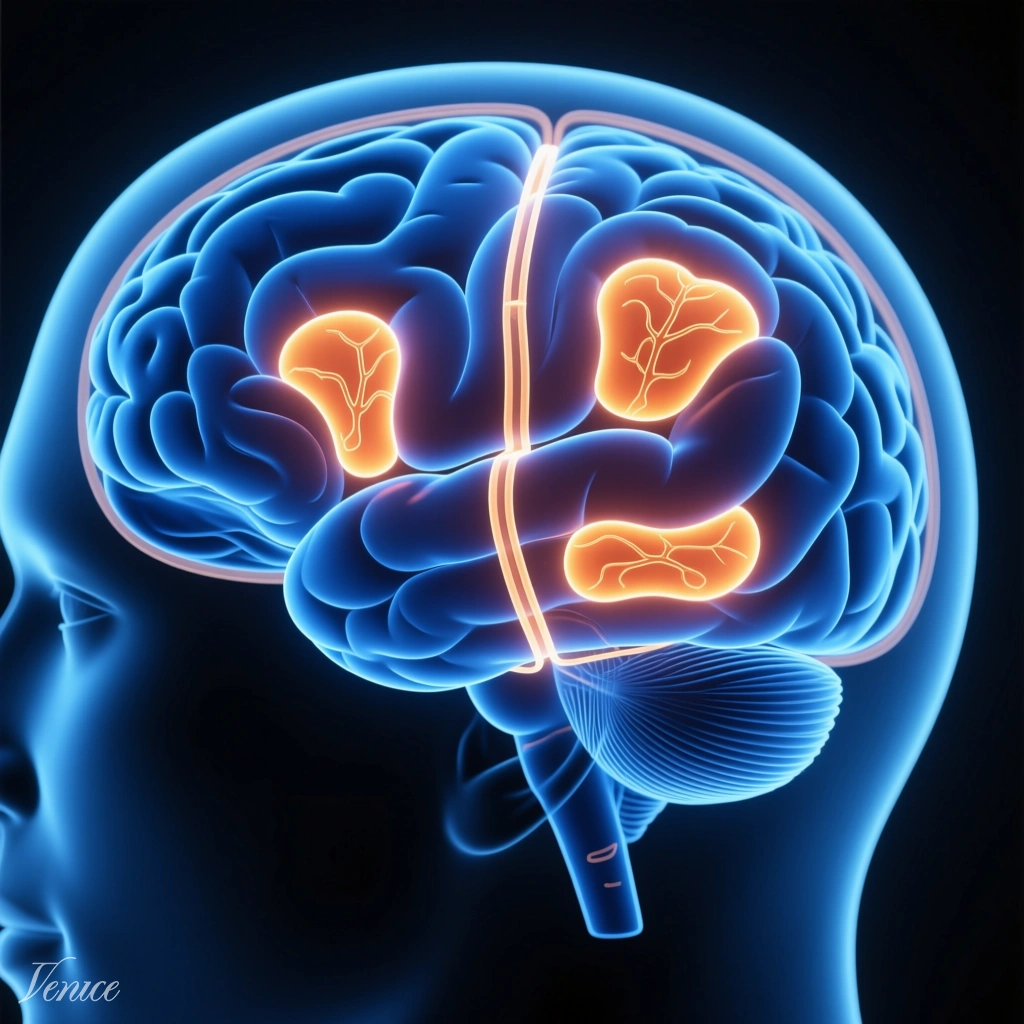
The neurology is real, by the way. These are not metaphors or thought experiments. Visual agnosia is documented in textbooks. Korsakov syndrome is well understood. Tourette syndrome, autism, temporal lobe epilepsy. Every case is grounded in actual clinical practice. But Sacks adds something most clinicians never do. He adds the question of meaning. What does it feel like to lose your ability to recognize your wife? What does it mean to be a person whose brain has been irreversibly altered?
What does it mean for the rest of us, with our supposedly normal brains, to confront these conditions?


The book has flaws by modern standards. Sacks sometimes writes about his patients in ways that today feel intrusive, even paternalistic. Some of the terminology has aged. The framing of intellectual disability as simplicity has been criticized. And his patients did not always consent to being literary subjects. These are real critiques, and they matter. But the underlying achievement remains. Sacks wrote with a humanity almost nobody else in medicine has matched. He proved that the case study could be a literary form.
He inspired a generation of doctors to see their patients as people first and diagnoses second.


If you are a medical professional, if you have a loved one with a neurological condition, if you are interested in how the brain produces the self, if you simply want to read some of the most beautifully written essays of the late twentieth century, read this book. It will change how you think about minds. Oliver Sacks died in 2015, and we lost one of the most important medical writers of our age. But this book is here, and it is timeless. Thanks for watching, and we'll see you in the next review.
Don Miguel Ruiz
Pairs with Sacks's humanism — both ask what makes a person whole beyond the brain
Read Review
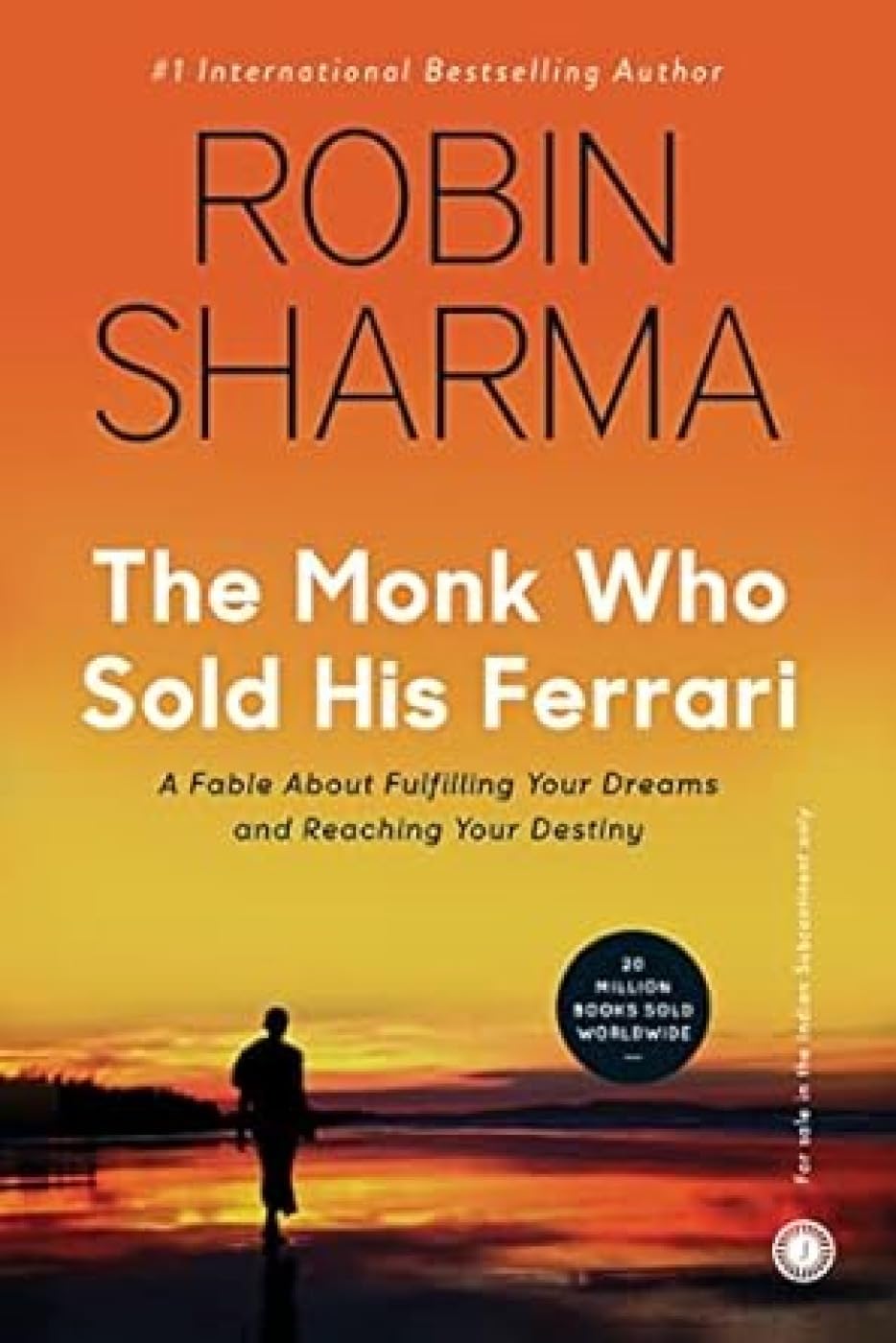
Robin Sharma
Both explore meaning and personhood beyond ordinary measures of success or function
Read Review
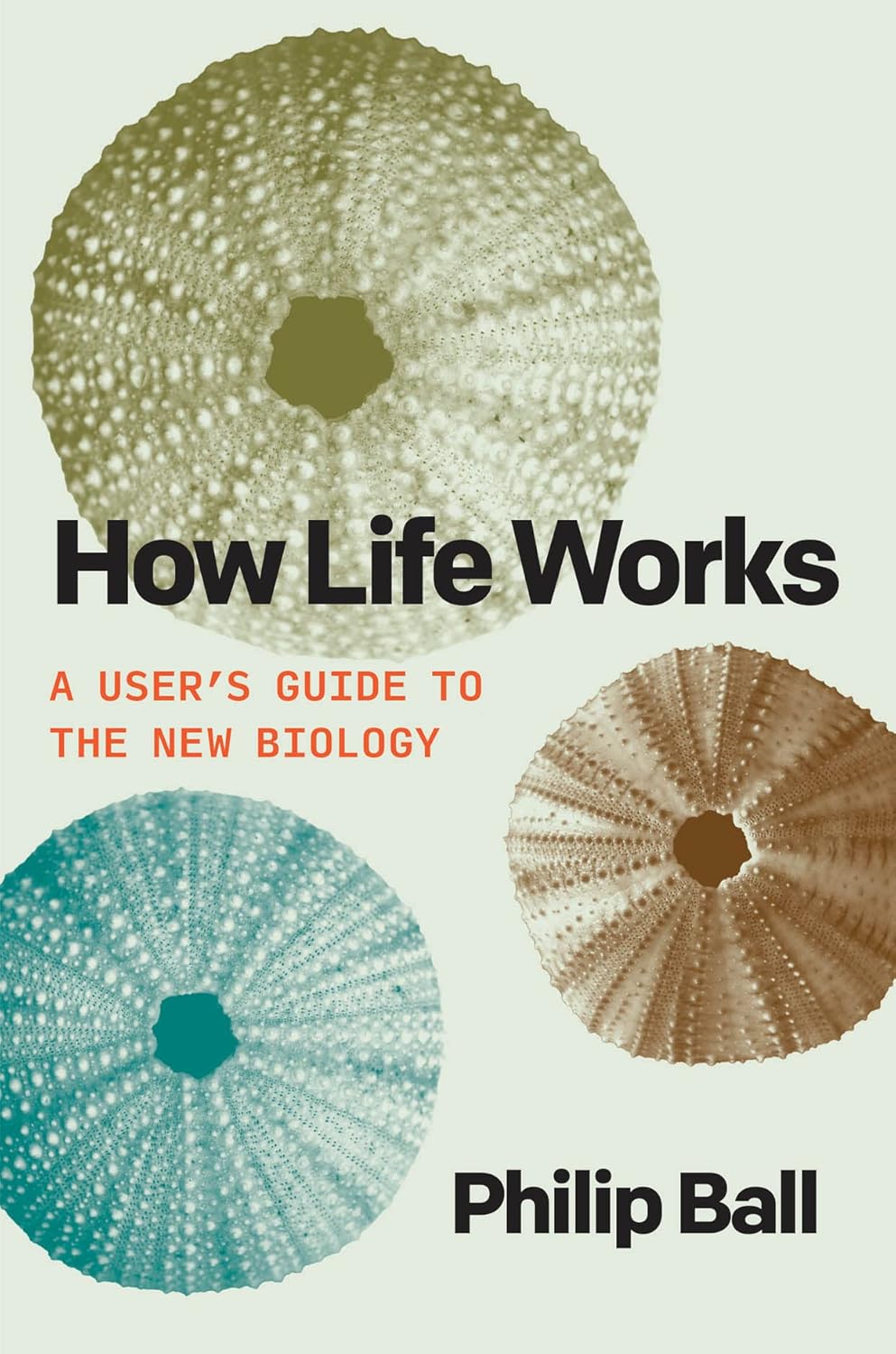
Philip Ball
Modern biology's view of organisms as integrated wholes — echoes Sacks's holistic neurology
Read Review
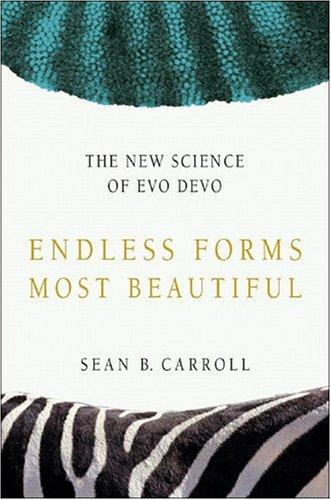
Sean Carroll
Evo-devo's view of how complex systems arise — counterpart to Sacks's view of how complex minds emerge
Read Review