









← Back to Gallery
0 / 15
0:00 / 5:08
Why We Sleep

Why We Sleep

Book Review

Introduction to Sleep Science

Introduction to Sleep Science

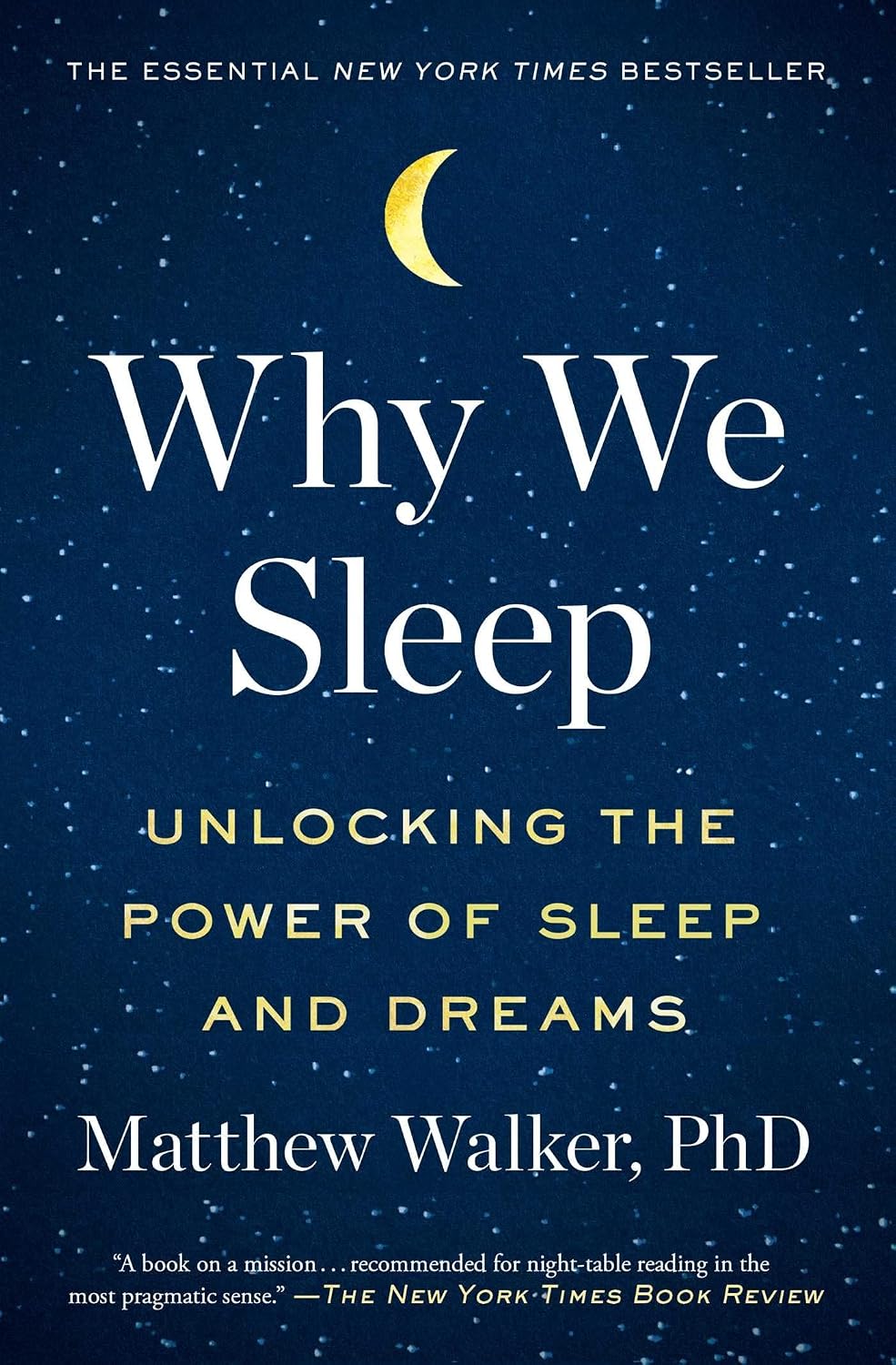
Hey everyone! Ian here! Welcome to our book review of Why We Sleep by Matthew Walker. Matthew Walker is a professor of neuroscience and psychology at UC Berkeley, and he spent over twenty years running a sleep research lab before writing this book. What he delivers is not a self-help guide — it is a scientific treaty on why sleep may be the single most important pillar of human health, and why modern life is systematically dismantling

The Architecture of Sleep

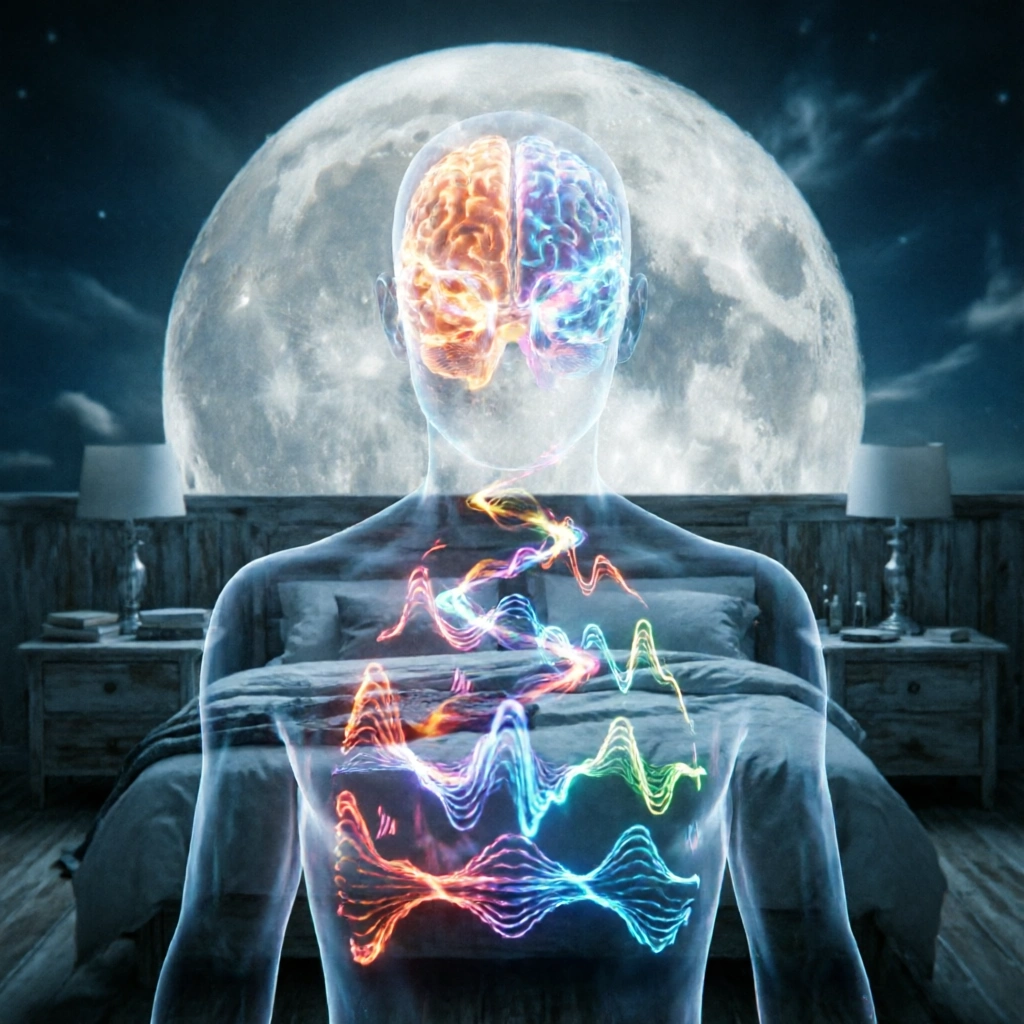
it. The book opens with a striking fact: every single physiological system in the body, and every single operation of the mind, is powerfully enhanced when we get enough sleep, and demonstrably impaired when we do not. Walker then walks us through the architecture of sleep itself. We have two main types: NREM sleep — the deep, slow-wave kind that physically restores the body — and REM sleep, the rapid-eye-movement stage where dreaming occurs and where emotional and creative processing happens.

The Architecture of Sleep
NREM and REM Cycles

NREM and REM Cycles

These two types trade off across the night in roughly ninety-minute cycles, with NREM dominating early and REM dominating in the final hours before waking. This is why cutting your sleep short by even an hour disproportionately strips you of REM sleep, which has devastating consequences for mood regulation and memory.

Sleep Deprivation Dangers

And those consequences are where the book becomes genuinely alarming. Walker presents decades of evidence showing that routinely sleeping less than seven or eight hours a night increases your risk of heart attack, stroke, diabetes, and Alzheimer's disease. One night of only four or five hours of sleep leaves your natural killer cells — the immune agents that hunt cancerous and virally infected cells — functioning at roughly 70 percent capacity.

Sleep Deprivation Dangers
Cancer and Night Shifts

Cancer and Night Shifts

The link between chronic short sleep and cancer is now so well established that the World Health Organization classifies night-shift work as a probable carcinogen.

Debunking Sleep Myths

The book also dismantles several dangerous myths. Walker is crystal clear: you cannot "catch up" on sleep on the weekend. The brain does not store sleep debt like a bank account you can refill later. Each short night leaves a measurable mark on cardiovascular health, glucose metabolism, and cognitive performance that does not fully reverse with a single long night. Another myth: older adults need less sleep. They do not.

Debunking Sleep Myths
Aging and Sleep Loss

Aging and Sleep Loss

Their sleep architecture simply fragments, so they get less restorative deep sleep, which is part of why dementia risk rises so sharply with age. Walker argues that poor sleep in older age is not just a symptom of aging — it is a cause.

Memory Transfer at Night

On memory, the evidence is equally compelling. During NREM sleep, the brain transfers memories from the hippocampus — short-term storage — to the cortex for long-term retention. Without sufficient deep sleep, this transfer fails, and learned information is effectively lost. During REM sleep, the brain then weaves those stored memories together with emotional context, which is why dreams are so bizarre yet so emotionally vivid.

Memory Transfer at Night
REM Overnight Therapy

REM Overnight Therapy

Walker calls REM sleep "overnight therapy" because it strips the painful emotional charge from difficult experiences while preserving the factual memory.

Caffeine and Alcohol Truths

Walker also takes apart caffeine and alcohol with uncomfortable thoroughness. Caffeine has a half-life of five to seven hours, meaning the cup of coffee you drink at 4 p.m. is still blocking your adenosine receptors — the chemical signal for sleepiness — at midnight. Alcohol, meanwhile, is not a sleep aid. It is a sedative, and sedation is not sleep. Alcohol suppresses REM sleep in the first half of the night and causes fragmented, shallow sleep in the second half, which is why a nightcap leaves you feeling groggy rather than rested.

Caffeine and Alcohol Truths
Practical Sleep Habits

Practical Sleep Habits

The book concludes with practical, evidence-based recommendations: keep a consistent sleep schedule, keep the bedroom cool and dark, avoid screens for an hour before bed, and get out of bed if you cannot fall asleep within twenty minutes. But Walker is realistic. He knows that individual choice is not the whole problem.

Society Versus Sleep

Modern society — with its round-the-clock work culture, early school start times for teenagers whose biological clocks run later, and the normalization of sleep as a commodity you can trade for productivity — is structurally hostile to healthy sleep.

Society Versus Sleep
Powerful Quotes and Impact

Powerful Quotes and Impact

One quote that stuck with me: "Sleep is the single most effective thing we can do to reset our brain and body health each day." Another: "Mother Nature's best effort yet at contra-death." I first read this book after a period of burning the candle at both ends, convinced I was one of the lucky people who could function fine on six hours. I was not. Walker's data is so overwhelming, so rigorously sourced, that it is genuinely difficult to finish this book and not restructure your relationship with sleep.

Final Recommendation

Who should read this? Everyone. If you are a parent, a student, an athlete, a shift worker, or simply someone who thinks sleep is negotiable, this book will change your mind. It is not the most poetic science writing I have ever read, but it is among the most important. Thanks for watching, and happy reading — and maybe get some sleep tonight!

Final Recommendation

📚 You Might Also Like
Atlas of AI

Atlas of AI

Kate Crawford

How technology reshapes our bodies and environments in hidden ways

Read Review
Chip War

Chip War

Chris Miller

The science and geopolitics behind the technology we depend on

Read Review
The Eighth Day of Creation

The Eighth Day of Creation

Horace Judson

A classic deep-dive into the revolution of modern biological science

Read Review
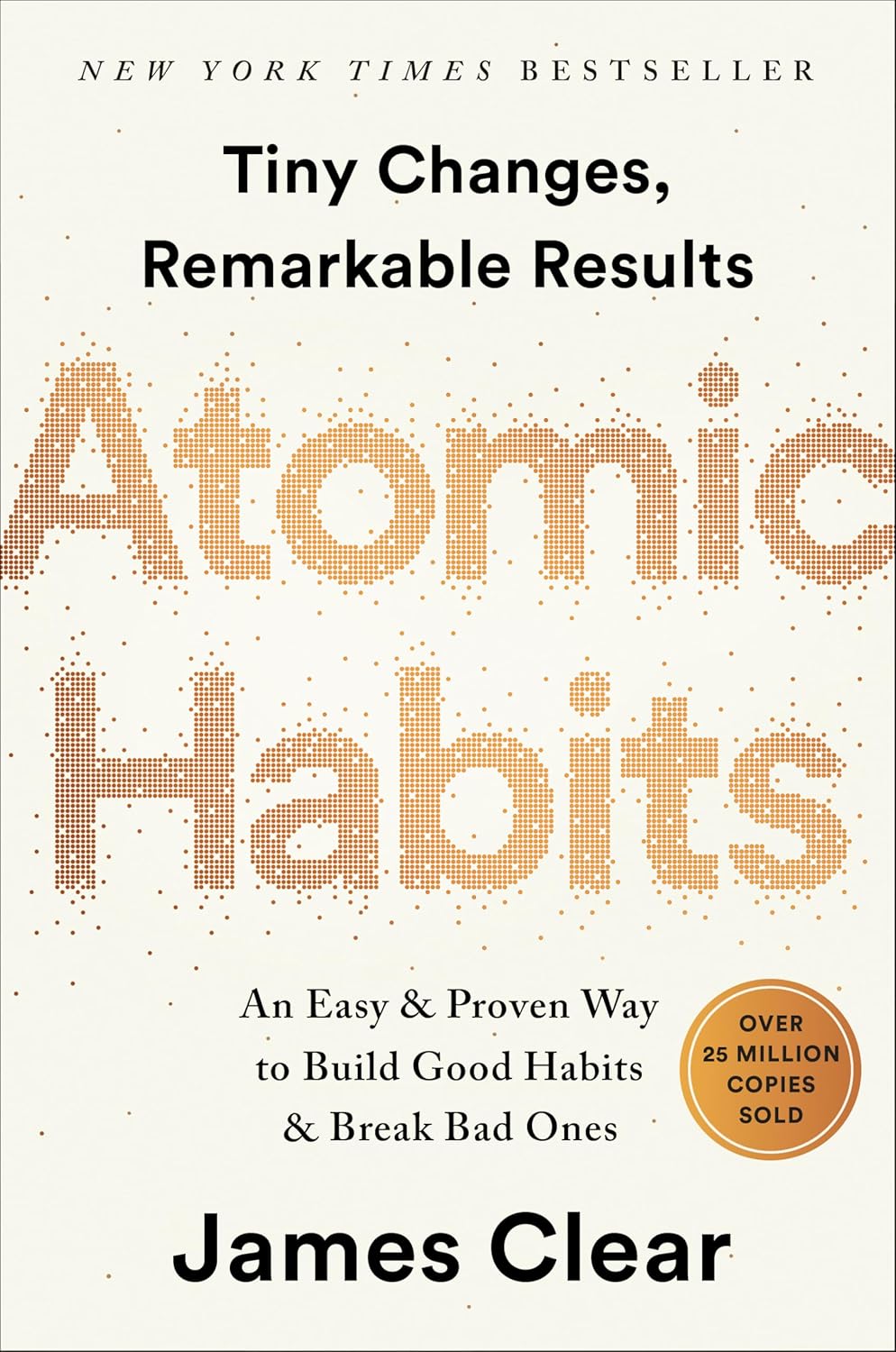
Atomic Habits

Atomic Habits

James Clear

Small daily changes compound into massive long-term results

Read Review

💬 Reader Thoughts

Email is required for anti-spam but can be fake if you prefer privacy.

Loading comments...