










← Back to Gallery
0 / 17
0:00 / 6:19
Atlas Of Ai

Atlas Of Ai

Book Review

AI Is Not Artificial

AI Is Not Artificial

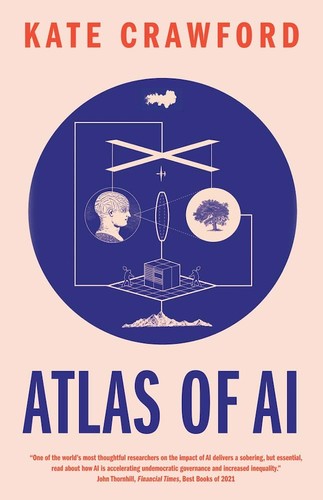
Hey everyone! Ian here! Welcome to our book review of Atlas of AI by Kate Crawford. Published by Yale University Press in 2021, this book pulls back the curtain on artificial intelligence to reveal something most tech-evangelists would rather we didn't see. AI isn't artificial. And it isn't really intelligent. It's an extractive industry built on real labor, real land, real minerals, and real political power.

Mapping AI's Planetary Cost

Kate Crawford is a research professor at USC Annenberg, a senior principal researcher at Microsoft Research, and a co-founder of the AI Now Institute at NYU. She's spent over fifteen years studying the social and political implications of large-scale data systems, and she's one of the most respected critical voices in the field. Atlas of AI grew out of years of field research, visiting lithium mines in Nevada, Amazon warehouses, NSA listening posts, and abandoned datasets buried in academic archives.

Mapping AI's Planetary Cost
AI As Infrastructure

AI As Infrastructure

She wanted to write a book that maps AI not as software, but as a planetary infrastructure with real costs. The structure of the book follows the supply chain. Crawford takes you on a journey through six dimensions of AI: earth, labor, data, classification, affect, and state. Each chapter is a different layer of the iceberg.

Earth: The Lithium Mines

The earth chapter opens in Clayton Valley, Nevada, at a lithium mine. She wants you to feel the dirt. Every smartphone, every data center, every neural network depends on rare earth minerals extracted from a few specific places on the planet, often with enormous environmental damage. Training one large AI model can emit as much carbon as five cars over their entire lifetimes. AI has a physical footprint, and that footprint is heavy.

Earth: The Lithium Mines
Labor: The Invisible Workforce

Labor: The Invisible Workforce

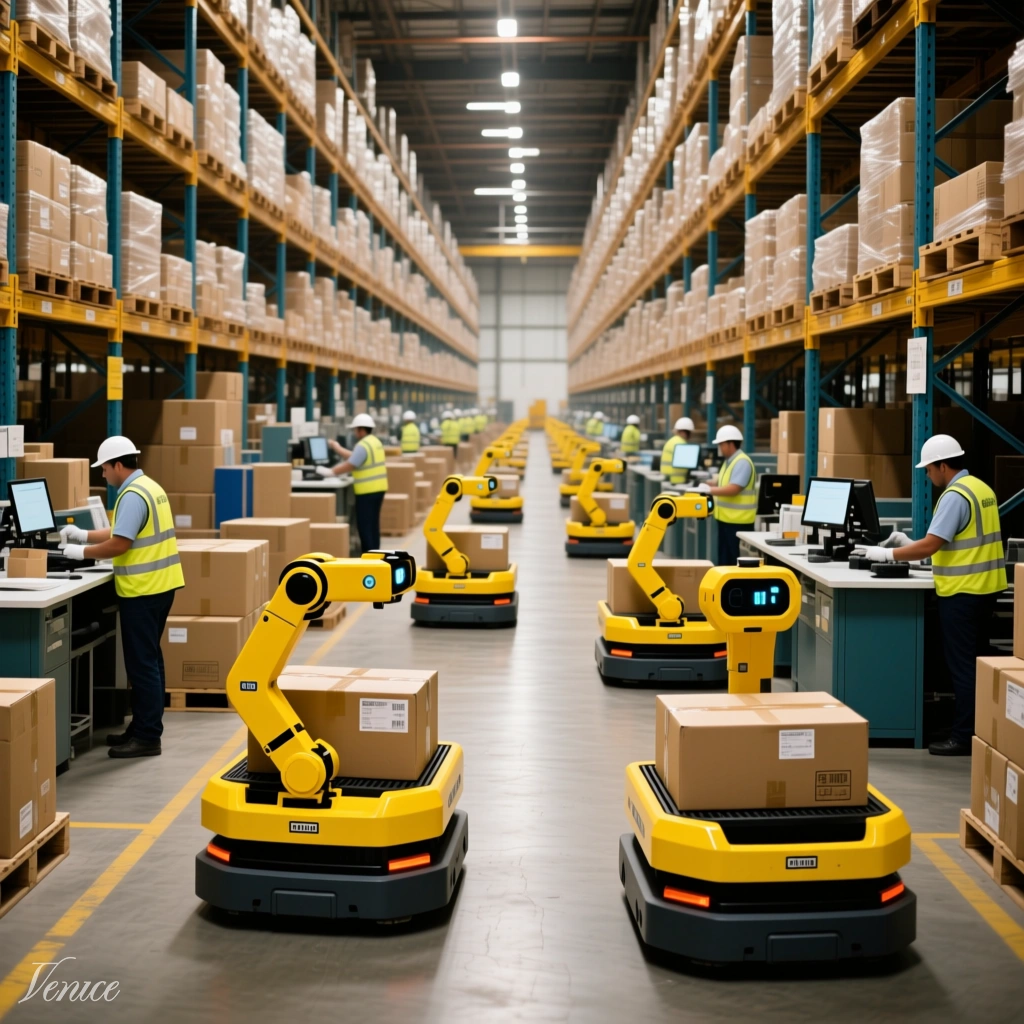
The labor chapter is where the book really hits. Crawford visits an Amazon fulfillment center and traces the lineage from Charles Babbage's nineteenth-century factory management theories to today's algorithmic dispatch systems. She introduces us to the invisible workforce behind AI, the click-workers in Kenya labeling images for pennies, the content moderators in the Philippines watching the worst of humanity to keep our feeds clean, the Mechanical Turk laborers training the models we call magical.

No AI Without People

As Crawford writes, quote, "There is no artificial intelligence without people," end quote. The data chapter explores how AI systems are trained on enormous datasets scraped from the internet, often without consent. She digs into ImageNet, the famous dataset that powered the modern computer vision revolution, and reveals how its labels encoded centuries of racial bias, voyeurism, and outright prejudice. The data we feed AI isn't neutral. It's a snapshot of who had power when the photos were taken.

No AI Without People
Classification As Power

Classification As Power

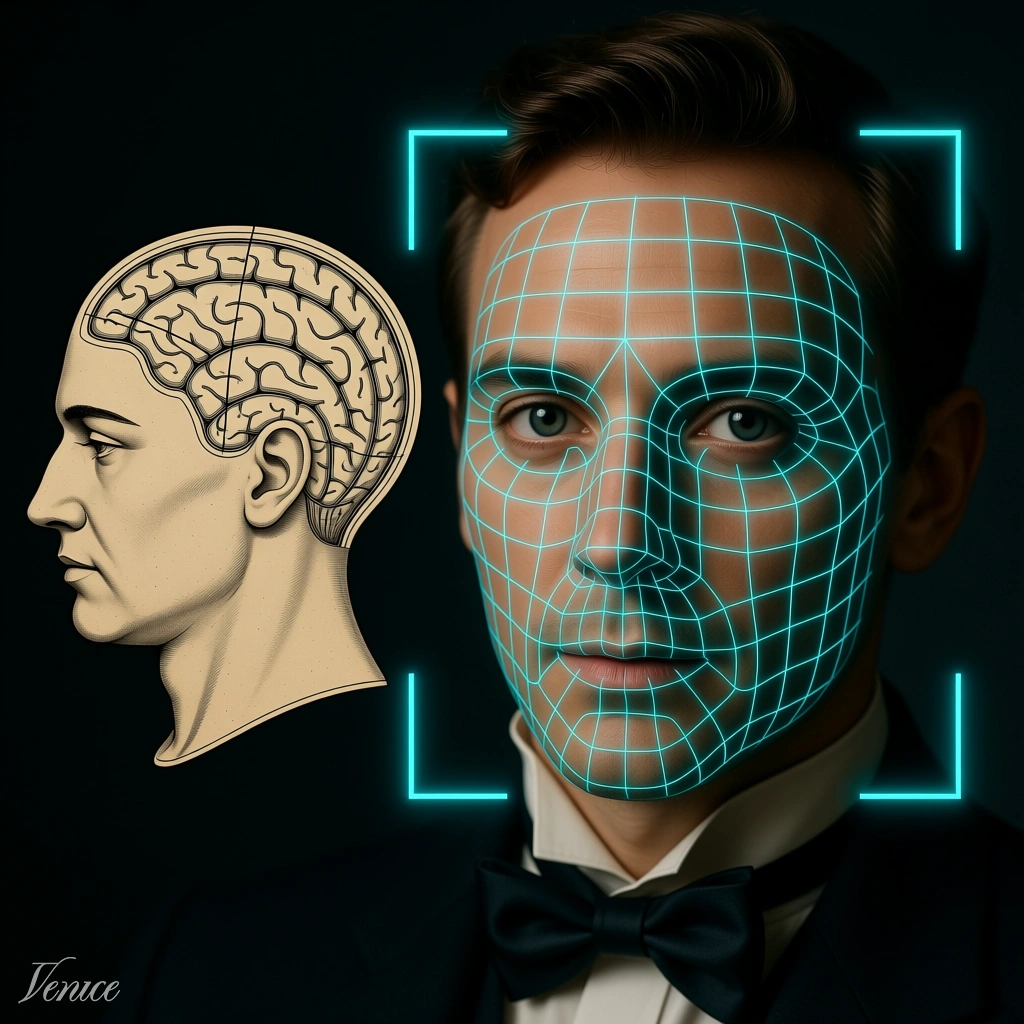
The classification chapter is philosophically the heaviest. Crawford argues that all AI systems are essentially classification engines, and classification is never innocent. She traces the history from physiognomy and phrenology, the discredited pseudosciences of the nineteenth century, to today's emotion-recognition systems that claim to read your feelings from a facial scan. The book makes a devastating case that much of modern AI is just old racism and sexism dressed up in math.

Affect: Reading Emotions From Faces

The affect chapter takes on Paul Ekman's theory of basic emotions, the foundation of nearly every emotion-detection AI on the market today. Crawford shows that the science is shaky at best, and yet companies and governments are deploying these systems to make decisions about hiring, schooling, and border control.

Affect: Reading Emotions From Faces
State: AI Meets Surveillance

State: AI Meets Surveillance

The state chapter closes the supply chain by examining how AI flows into the most powerful institutions, the military, intelligence agencies, and immigration enforcement. She tells the story of how Snowden's leaks revealed deep ties between Silicon Valley and the surveillance state, ties that have only deepened in the years since.

AI As Registry Of Power

The key argument running through the whole book is this. AI is not a tool. It's a registry of power. Every dataset, every classification, every deployed model concentrates the worldview of whoever built it. And right now, that whoever is a very small group of corporations and governments with enormous resources and very little oversight.

AI As Registry Of Power
Regulate AI Like Fossil Fuels

Regulate AI Like Fossil Fuels

Crawford asks us to stop thinking about AI ethics as a problem of bias in individual models, and start thinking about AI as a political and economic system that needs to be regulated like any other extractive industry. She compares it to fossil fuels. We didn't fix the climate crisis by asking oil companies to be more ethical, and we won't fix AI by asking Google to be nicer.

Cinematic Field Reporting

The book's prose is academic but readable, and the field-reporting passages are genuinely cinematic. You feel the dust of the lithium mine, the hum of the data center, the cold logic of the classification system. It's a book that turns AI from an abstraction into a thing with weight and consequence.

Cinematic Field Reporting
Pairs With Empire Of AI

Pairs With Empire Of AI

I read this right after finishing Empire of AI by Karen Hao, and they make a powerful pairing. Empire of AI is the inside story of OpenAI. Atlas of AI is the inside story of the entire industry. Together they form one of the most complete pictures of where this technology actually comes from, and who pays the price.

Critical Acclaim And Awards

Critical reception has been strong. The book was named a best book of the year by the Financial Times and won the Sally Hacker Prize from the Society for the History of Technology. It's now standard reading in AI ethics courses around the world, and for good reason. It changes how you see your phone, your search results, and your news feed.

Critical Acclaim And Awards
Grounded Materialist Analysis

Grounded Materialist Analysis

Why does this book deserve your time? Because the AI debate is dominated by hype on one side and existential doom on the other, and Crawford offers something rarer, a grounded materialist analysis. She doesn't tell you AI is magic and she doesn't tell you it's going to kill us all. She tells you it's a giant industrial system with real costs that real people are paying right now, and that we'd better understand it before it understands us. If you work in tech, this book will change how you think about your job.

Read It Differently

If you don't, it will change how you think about the world being built around you. Atlas of AI by Kate Crawford. Read it. Then look at your phone differently. Thanks for watching, and happy reading!

Read It Differently

📚 You Might Also Like
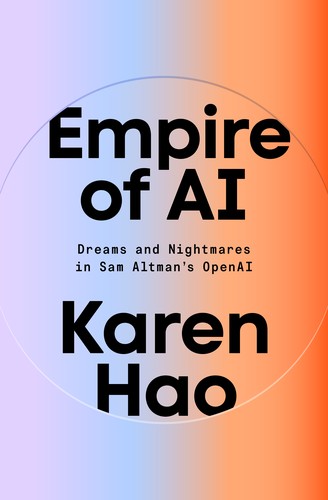
Empire of AI

Empire of AI

Karen Hao

The inside story of OpenAI and the corporate empire built on Crawford's planetary infrastructure

Read Review
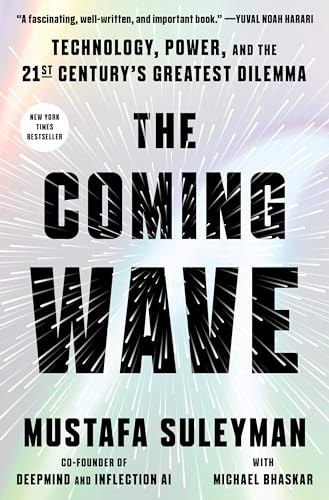
The Coming Wave

The Coming Wave

Mustafa Suleyman

A tech-insider's case for containment — the political dimension Crawford diagnoses from below

Read Review
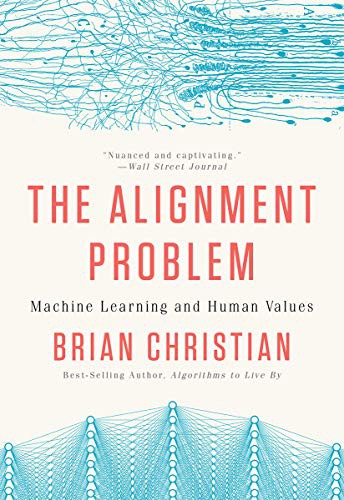
The Alignment Problem

The Alignment Problem

Brian Christian

How bias and misalignment get baked into the classification systems Crawford exposes

Read Review
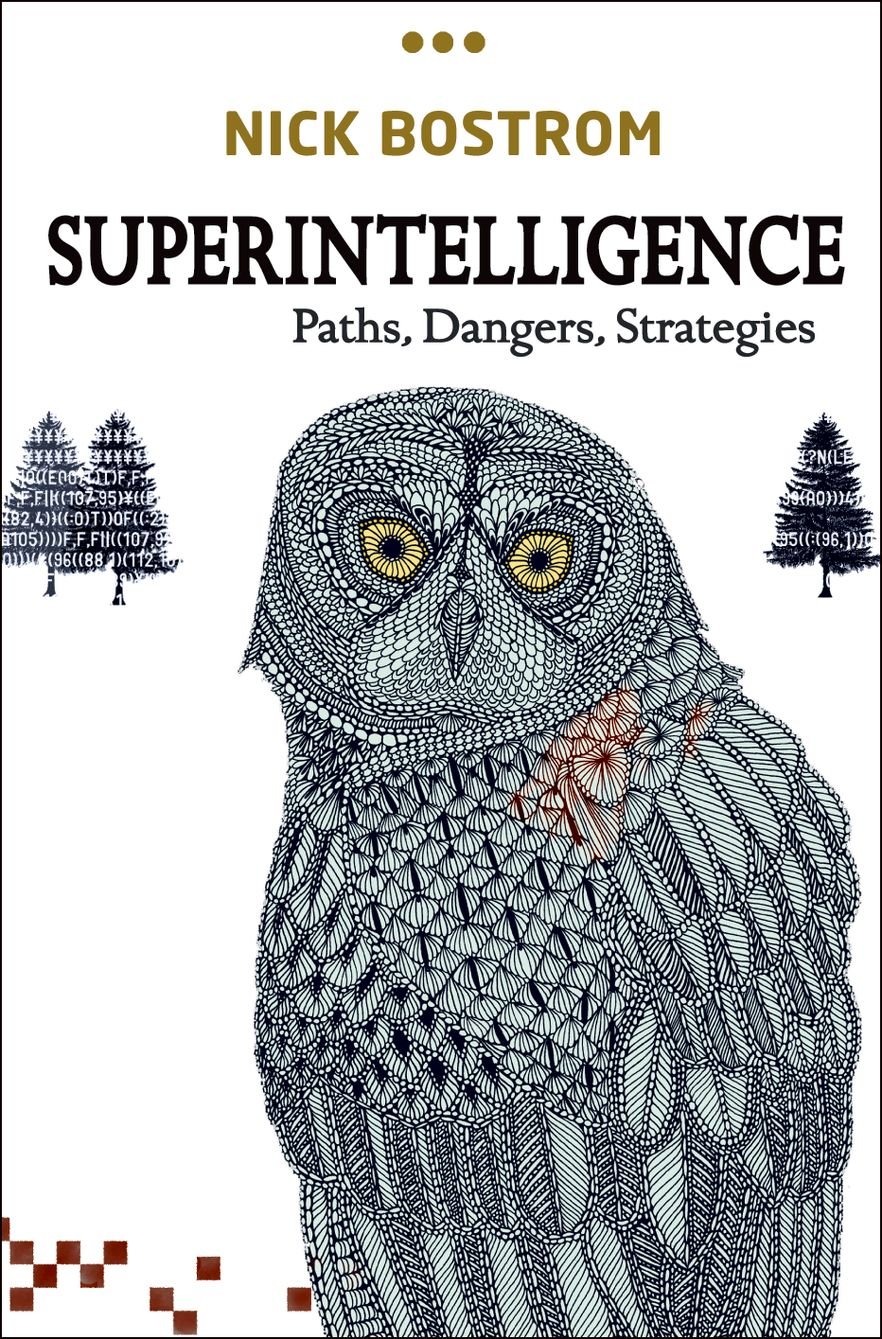
Superintelligence

Superintelligence

Nick Bostrom

Bostrom's existential lens contrasts sharply with Crawford's materialist critique of present harms

Read Review

💬 Reader Thoughts

Email is required for anti-spam but can be fake if you prefer privacy.

Loading comments...