






Book Review

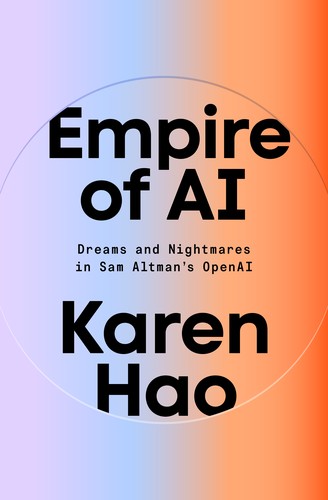
Hey everyone! Ian here! Welcome to our book review of Empire of AI: Dreams and Nightmares in Sam Altman's OpenAI by Karen Hao. This is the most thorough, deeply reported book on OpenAI that exists. If you want to actually understand how we got here — how a small nonprofit research lab turned into a hundred-billion-dollar empire that's now reshaping the global economy — this is the one. Heads up, there will be spoilers. If you want to read it cold, pause now and come back.
So who is Karen Hao? She's the journalist who has been on the OpenAI beat longer than almost anyone. She wrote the first major profile of the company back in 2020 for MIT Technology Review — that piece, by the way, made OpenAI furious and the relationship never recovered. After that, she covered AI for The Atlantic and The Wall Street Journal.


For this book she conducted more than three hundred interviews — current and former employees, investors, board members, contractors in Kenya and Venezuela, regulators, and Altman himself across multiple sittings. The result is six hundred pages of reporting, published in May of last year. It hit the New York Times bestseller list immediately and Goodreads readers have been treating it as essential reading on the AI industry. Let's get into the story.
The book is structured like an empire's biography. It opens with the founding myth — the December 2015 dinner where Sam Altman, Elon Musk, Greg Brockman, Ilya Sutskever, and a handful of others sat in a Sand Hill Road hotel and decided to build a non-profit that would save humanity from artificial general intelligence by getting there first. The framing was righteous. We need AGI to be developed safely, so we'll do it ourselves, and we'll publish everything, and the benefits will flow to all of humanity.


It was, in Hao's telling, a story almost everyone in the room genuinely believed.
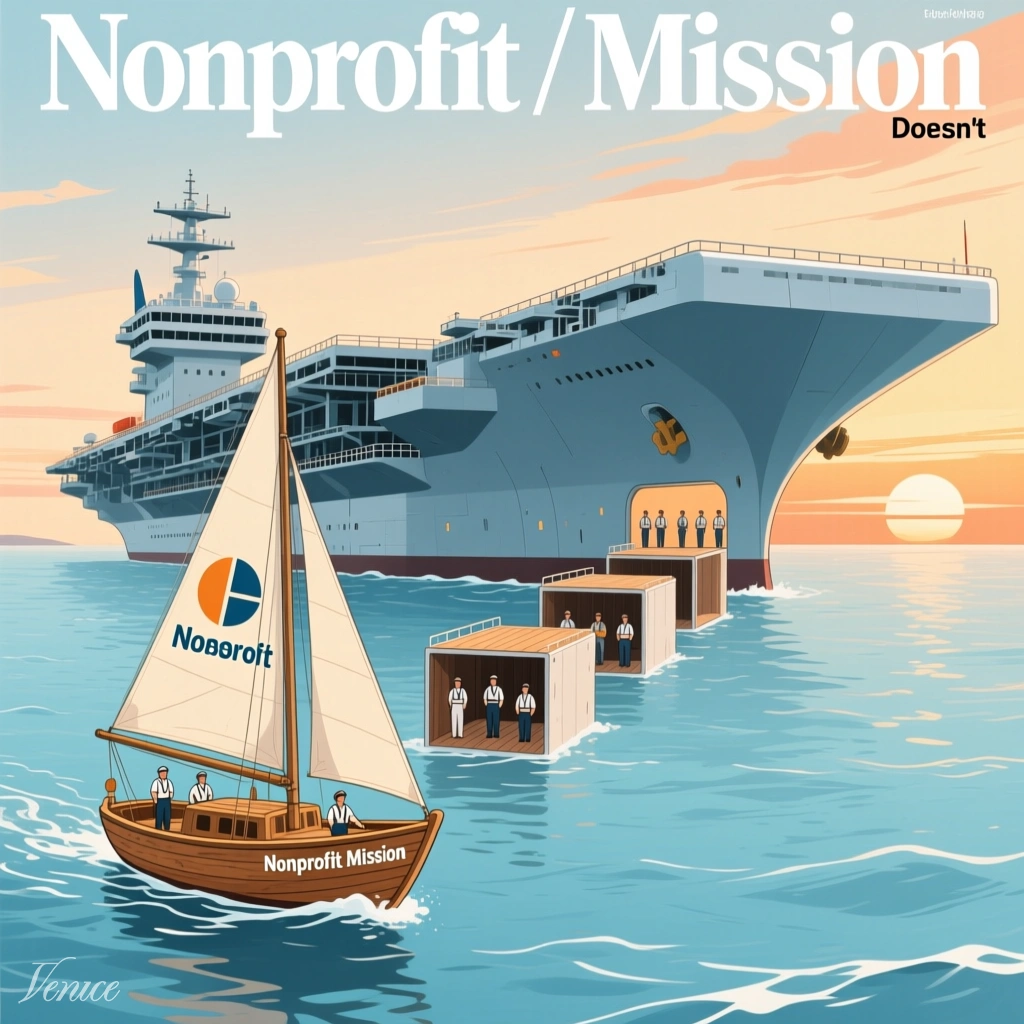
The middle of the book traces how that story got eaten. The non-profit ran out of money. Building the kind of compute clusters required for frontier models cost hundreds of millions, then billions. So in 2019, Altman engineered the famous "capped-profit" structure — a for-profit subsidiary that could take outside investment while the non-profit board theoretically remained in charge. Microsoft put in a billion dollars. Then ten. Then a relationship that, by the end of the book, Hao describes as functionally a merger.


Hao spends a lot of pages on Sam Altman himself, and the portrait is not flattering. She paints him as an extraordinarily talented operator — a man whose superpower is making everyone he meets feel like he agrees with them, even when his actions are pulling in the opposite direction. She quotes former colleagues describing him as "manipulative" and "evasive." She revisits the 2023 board firing in detail — the four-day chaos when the non-profit board concluded Altman had been "not consistently candid" with them and tried to remove him.
Within ninety-six hours, Microsoft and the employee base had bent reality back into shape and Altman returned. The board members who voted him out were gone. After that, Hao argues, the non-profit mission was essentially over. The empire had won.


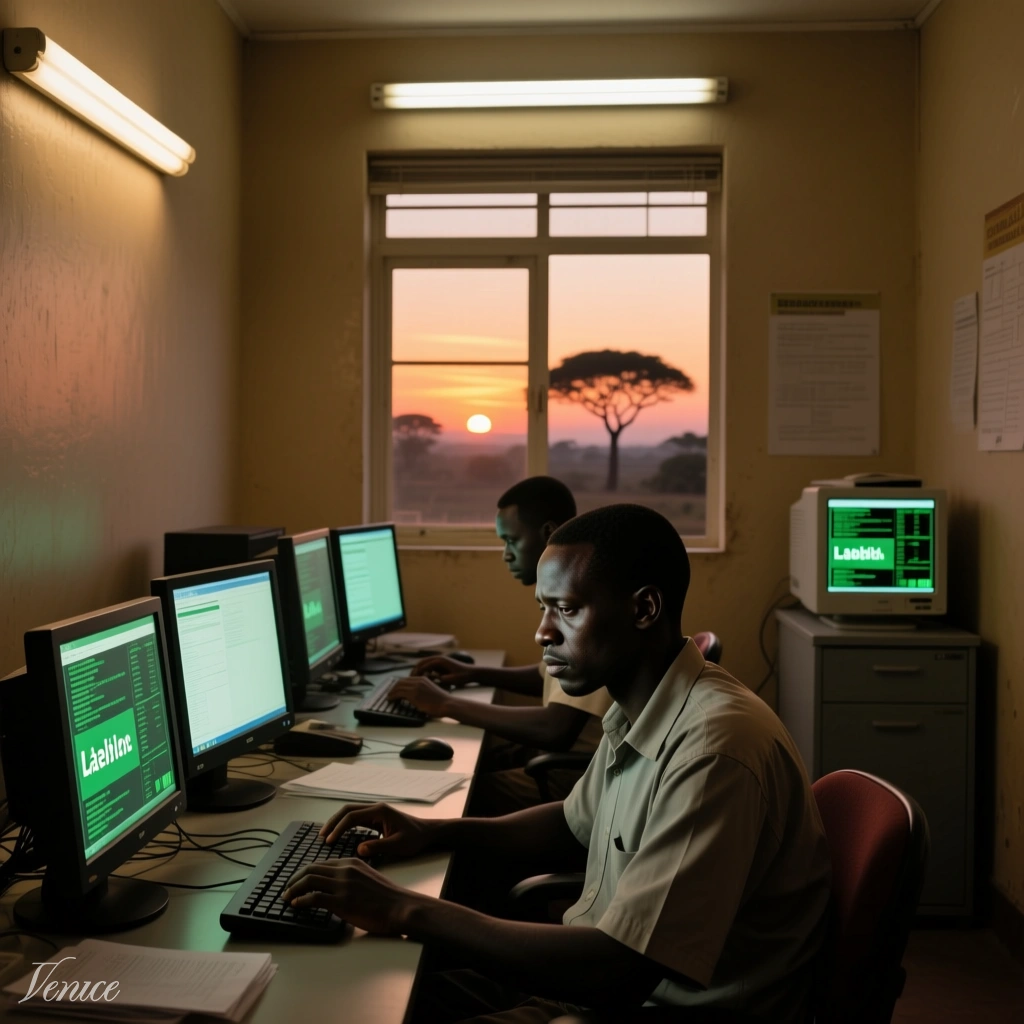
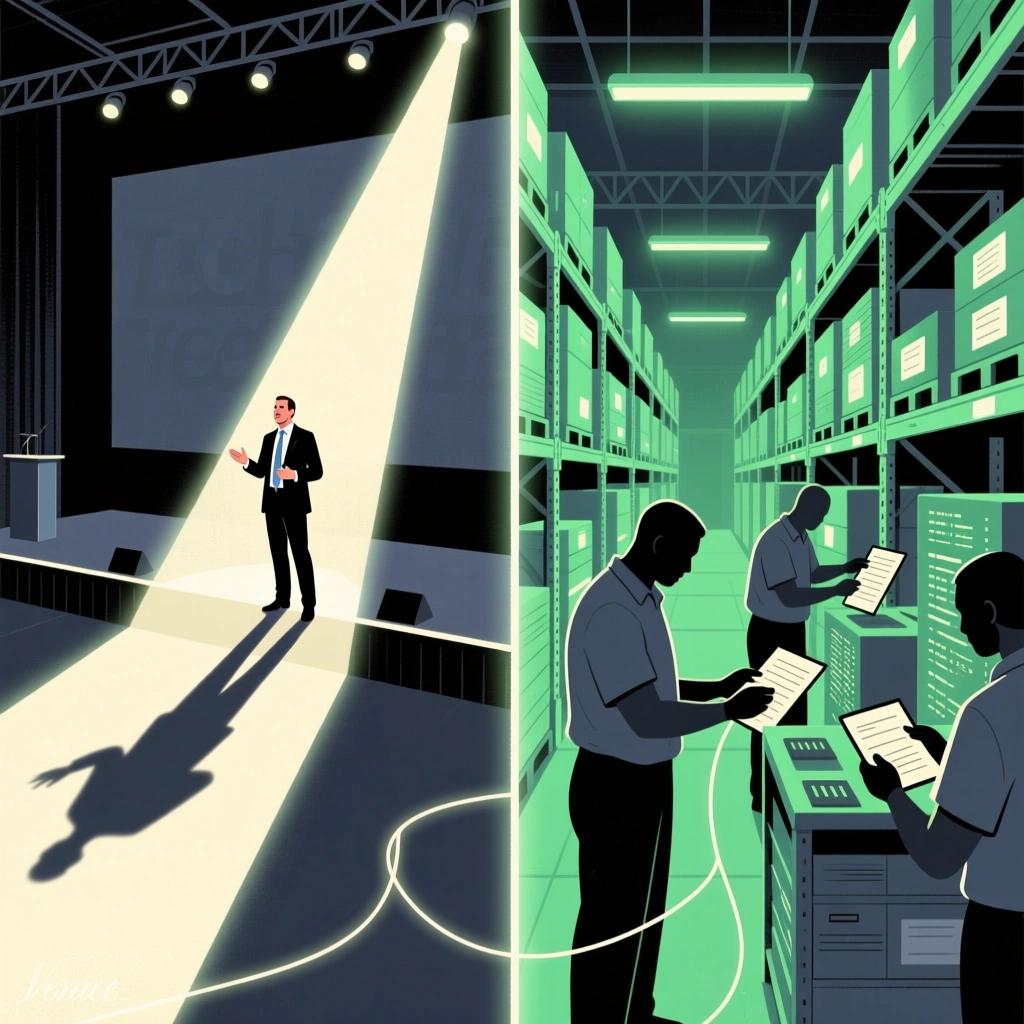
But the most important sections of Empire of AI are the ones nobody else has reported on this thoroughly — the parts about everyone who isn't in San Francisco. Hao traveled to Kenya to interview the data labelers paid less than two dollars an hour to read graphic descriptions of child sexual abuse, torture, and self-harm so that ChatGPT wouldn't repeat them. Many were left with severe psychological trauma.
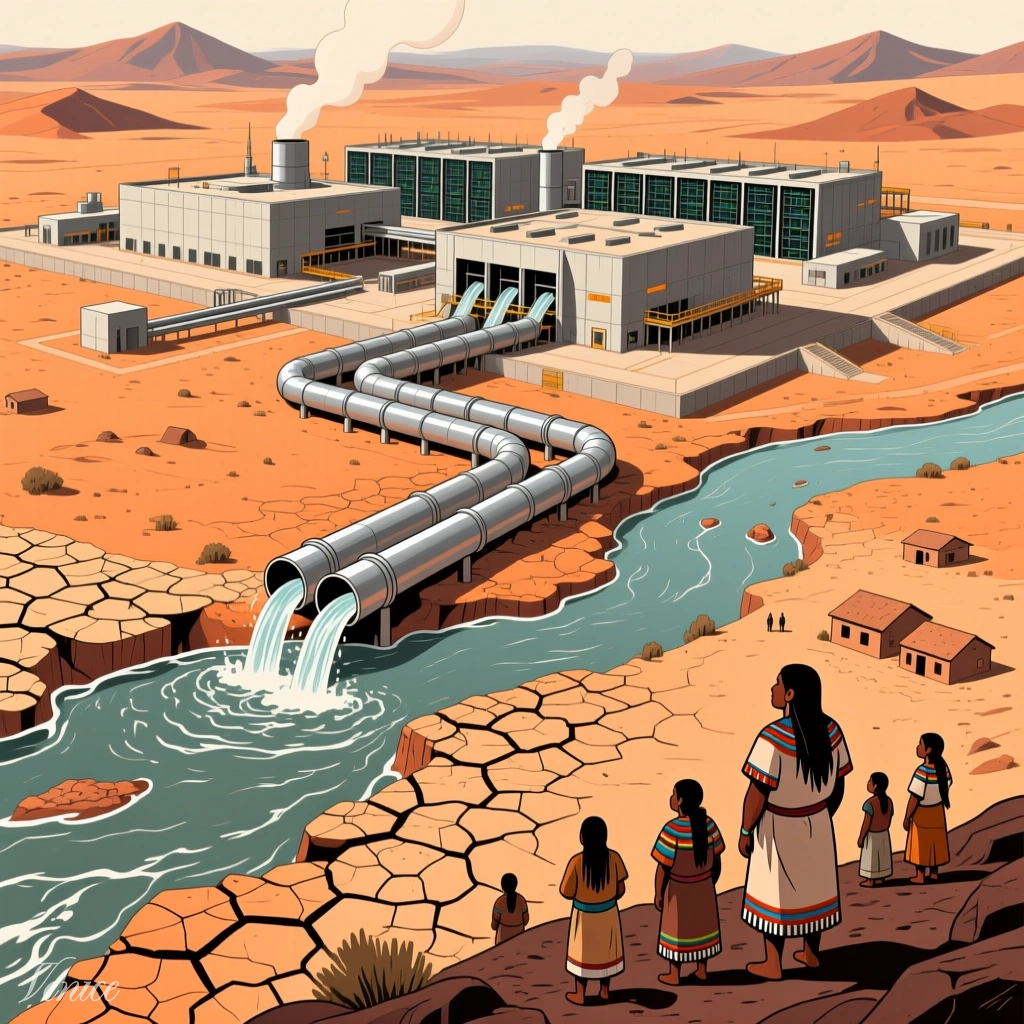
She traveled to Chile and Uruguay to cover communities fighting OpenAI-adjacent data center projects that were draining their fresh water during droughts. She covered the Venezuelan workers labeling data for Scale AI for pennies. She walked through the geopolitics — how the demand for AI compute is reshaping global energy markets, why Microsoft is restarting Three Mile Island, why companies are signing forty-year nuclear deals.


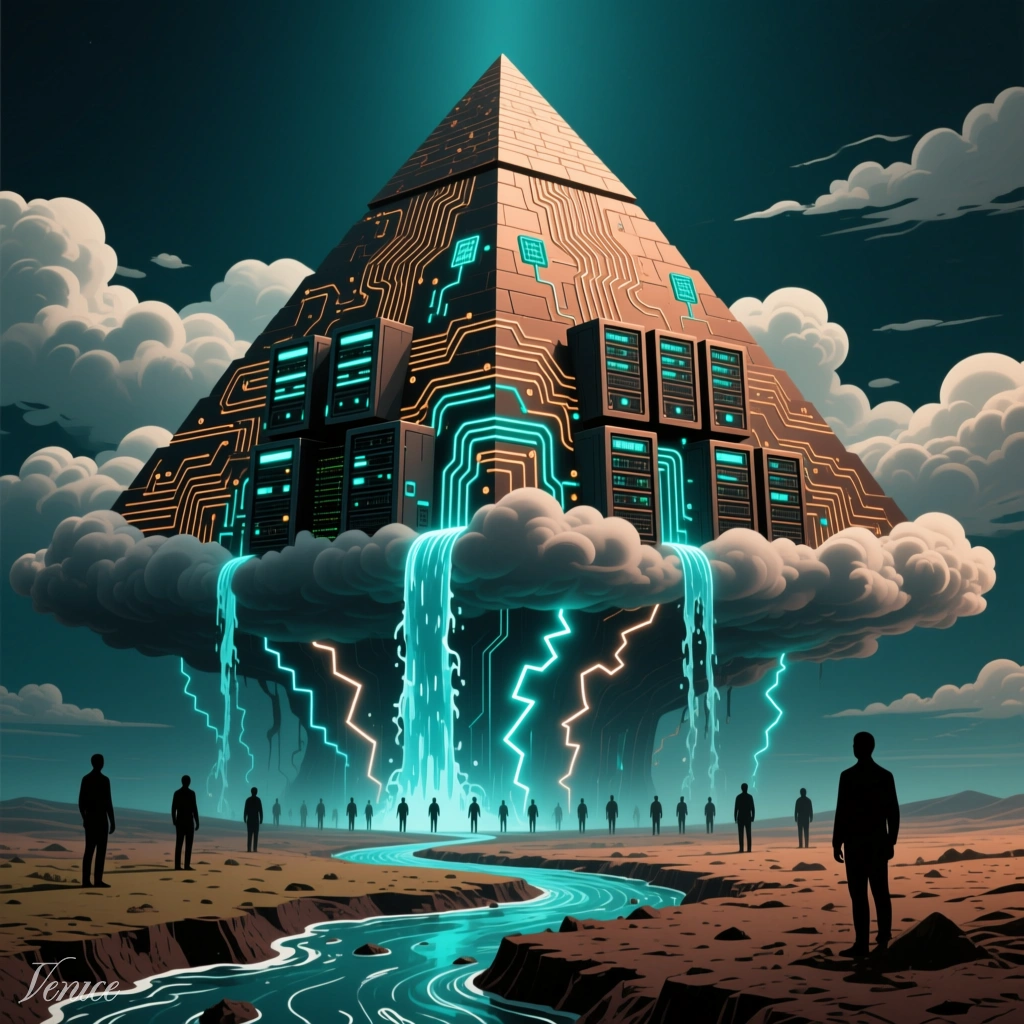
Her core argument crystallizes about two-thirds of the way through. AI as it's currently being built is not just a technology. It's an empire — extractive in the same way colonial empires were. Land, water, energy, attention, and labor are pulled from the periphery to enrich a tiny core. The benefits flow up. The harms flow down. And the people making the decisions, sitting in San Francisco offices, are convinced they're saving the world.
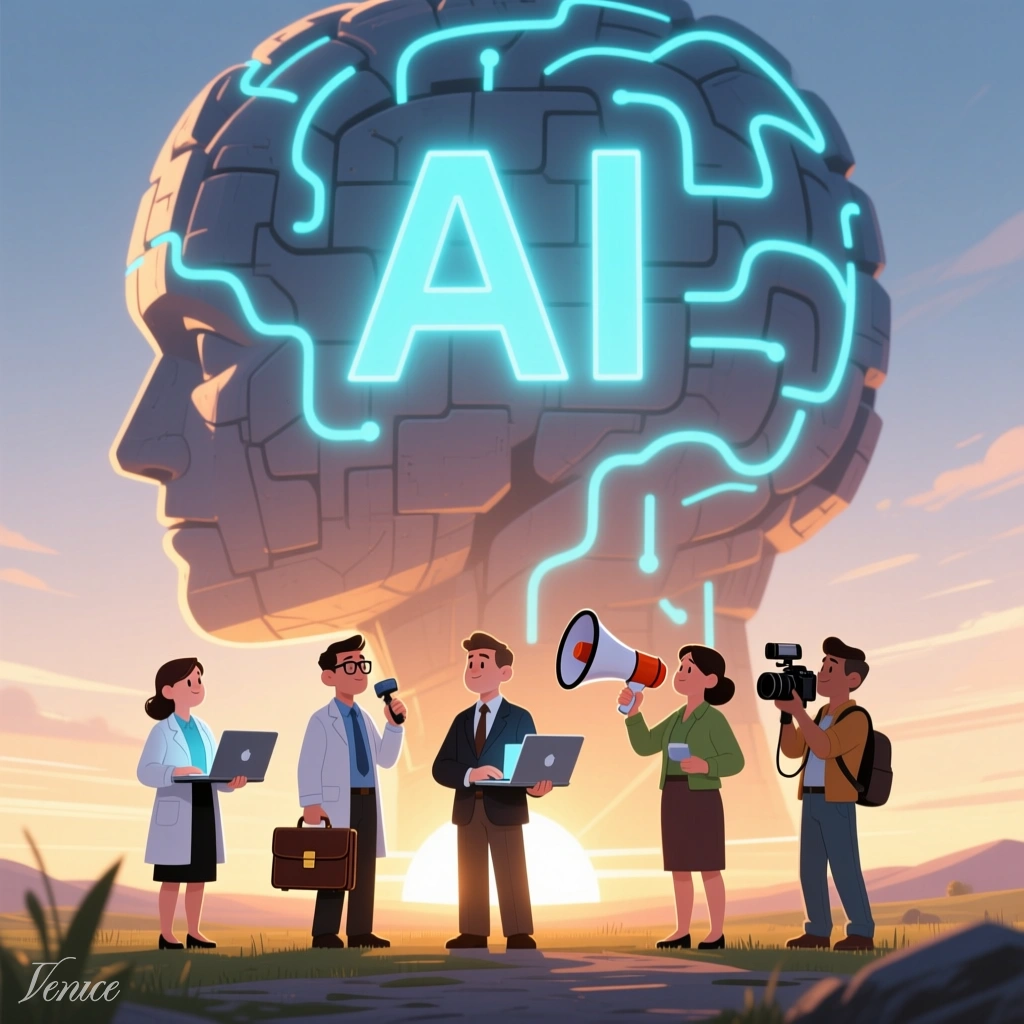
The book ends ambiguously. There's no neat "and then they got regulated" conclusion. The empire is still expanding. ChatGPT is still growing. Altman is closer than ever to becoming, in Hao's phrase, "the world's most powerful man." But she profiles a small army of people pushing back — researchers, organizers, lawyers, journalists — who refuse to accept the framing that this is inevitable. Now the key takeaways. What is this book actually trying to do?


First — it's a corrective. Most coverage of OpenAI has been written from inside the bubble, by tech journalists who genuinely believe AGI is coming and the only question is who builds it first. Hao steps outside that frame entirely. She's asking different questions: who pays the cost? Who gets the benefit? Whose land, whose water, whose labor?
Second — it's a portrait of how mission drift happens. Nobody at the founding dinner planned to build an extractive empire. They planned to save humanity. Hao shows step by step how each individual decision — take this investment, sign this contract, restructure that board — felt reasonable in the moment, and added up to something nobody would have endorsed up front.


Third — it's a study of charismatic leadership. Altman is not the villain of this book. He's something more interesting — a brilliantly capable person whose particular gift, the ability to be all things to all people, becomes a liability when he's in charge of the most consequential technology of our era. Fourth — it's a labor book. The most haunting passages are about the people whose names you'll never know, doing the dirty work of cleaning the model's training data so the rest of us can have a friendly chatbot. Hao insists on naming them.
Fifth — and most importantly — it's a refusal of inevitability. The dominant Silicon Valley narrative is that AGI is coming whether we like it or not, and the only choice is who builds it. Hao rejects that. The decisions being made right now are decisions. Different ones are possible. That's a quiet, radical claim and the whole book is built to support it.


Why is this book worth your time? Because if you use ChatGPT, or invest in AI, or write code with Copilot, or just live in a world that's about to be reshaped by these systems, you owe yourself the actual story of who's building them and how. Empire of AI is not anti-AI. It's not doom. It's reporting. Six hundred pages of careful, sourced, on-the-ground reporting that no one else has done at this depth.
I'll be honest — it took me about a week to get through. It's dense. But I came out the other side genuinely changed in how I think about this stuff. The shift is permanent. Once you've read about the Kenyan labelers, you can't go back to the comfortable "AI is just math" framing. If you've read anything in our reviews about OpenAI, Sam Altman, AI safety, or the future of work — this is the book that ties it all together. Pick it up. Lend it to someone. Talk about it at dinner. Thanks for watching, and happy reading!

Sarah Wynn-Williams
Insider memoir of unchecked corporate power at Meta — same critique, different empire.
Read Review
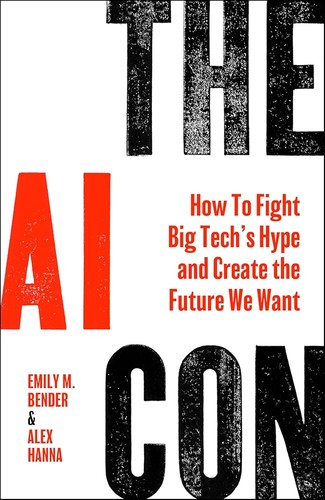
Emily M. Bender & Alex Hanna
Strips the marketing veneer off LLMs and asks whose pockets the hype actually fills.
Read Review
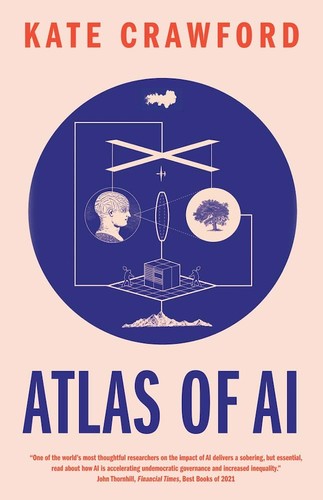
Kate Crawford
The geography of AI's extraction — minerals, water, and labor that power the cloud.
Read Review