Book Review

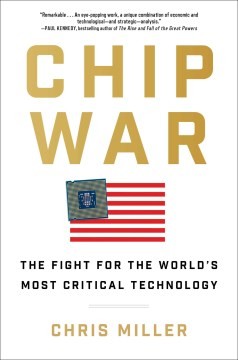
Hey everyone! Ian here! Welcome to our book review of Chip War: The Fight for the World's Most Critical Technology by Chris Miller. Published by Scribner in 2022, this is the book that maps the modern world. If you've ever wondered why governments are willing to risk wars over tiny pieces of silicon, this is your answer. Semiconductors aren't just an industry. They're the substrate of the twenty-first century.
Chris Miller is an associate professor of international history at Tufts University's Fletcher School. He's a Cold War historian by training, and that perspective is exactly what makes this book work. Chip War is the story of how a handful of decisions in California garages, Tokyo boardrooms, and Taipei fabs reshaped the global balance of power. The book won the Financial Times and McKinsey Business Book of the Year in 2022, and it deserved every page of that praise.


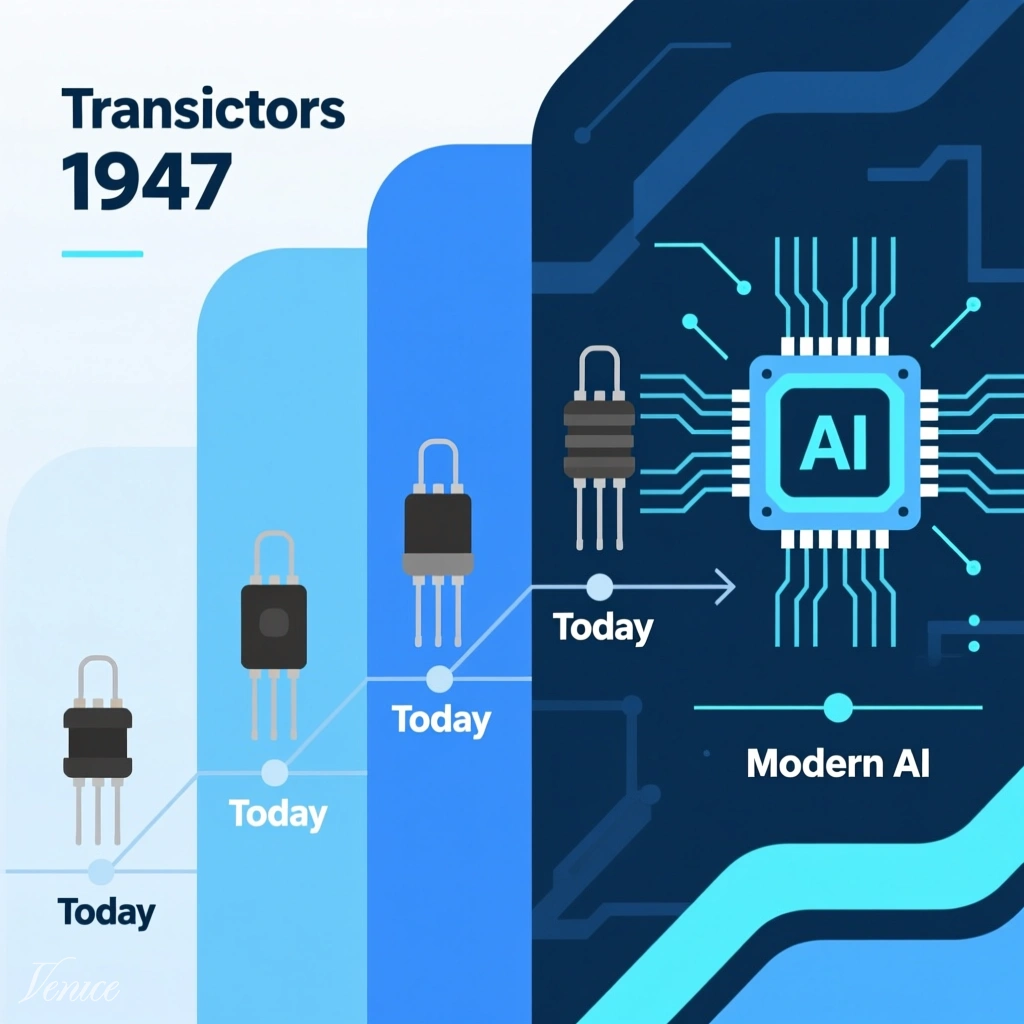
The book moves chronologically through the entire history of the semiconductor industry, from the invention of the transistor at Bell Labs in 1947 to today's geopolitical standoff between the United States and China over Taiwan.
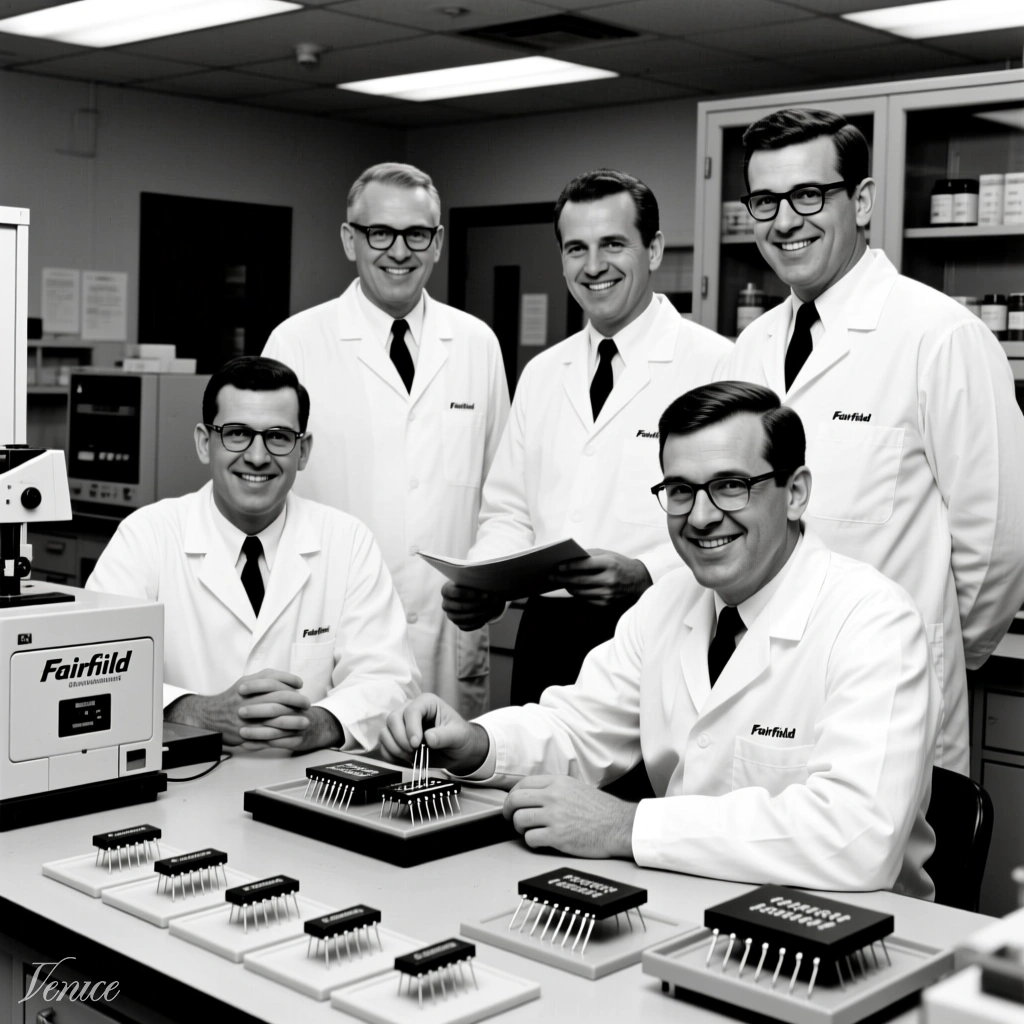
The first part of the book is the origin story. Miller takes you inside Fairchild Semiconductor and the founding of Intel, where eight men, including Robert Noyce and Gordon Moore, walked out the door and changed history. This is where Moore's Law was born, the observation that the number of transistors on a chip doubles roughly every two years. Moore's Law became the engine of the modern economy, and every advance in computing, AI, and communications since rides on top of it.


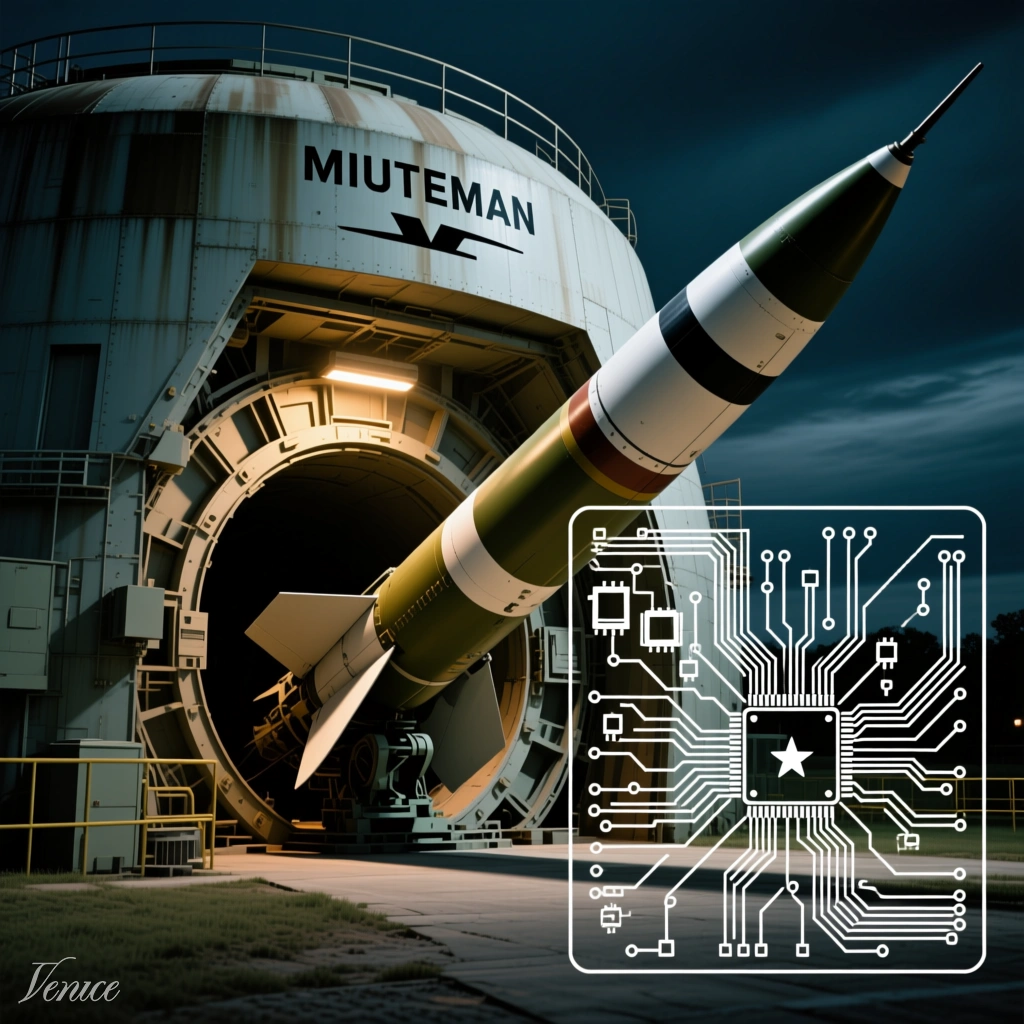
The Cold War section is fascinating. Miller shows how Pentagon procurement, especially for the Minuteman missile guidance system, essentially birthed the early chip industry. The American military poured money into silicon when no commercial market existed, and that bet paid off in unimaginable ways. The Soviets, meanwhile, tried to keep up by copying American designs through espionage, but couldn't match the pace of innovation. The chip race was, in many ways, the deciding factor in the Cold War.
Then comes the Japanese chapter, which is essential reading. In the 1980s, Japanese companies like NEC, Toshiba, and Hitachi began outcompeting American firms in memory chips. American executives panicked. The US government responded with trade pressure and the formation of Sematech, an industry-government partnership. Miller's account of the US-Japan chip war of the eighties is the blueprint for what's happening with China today.


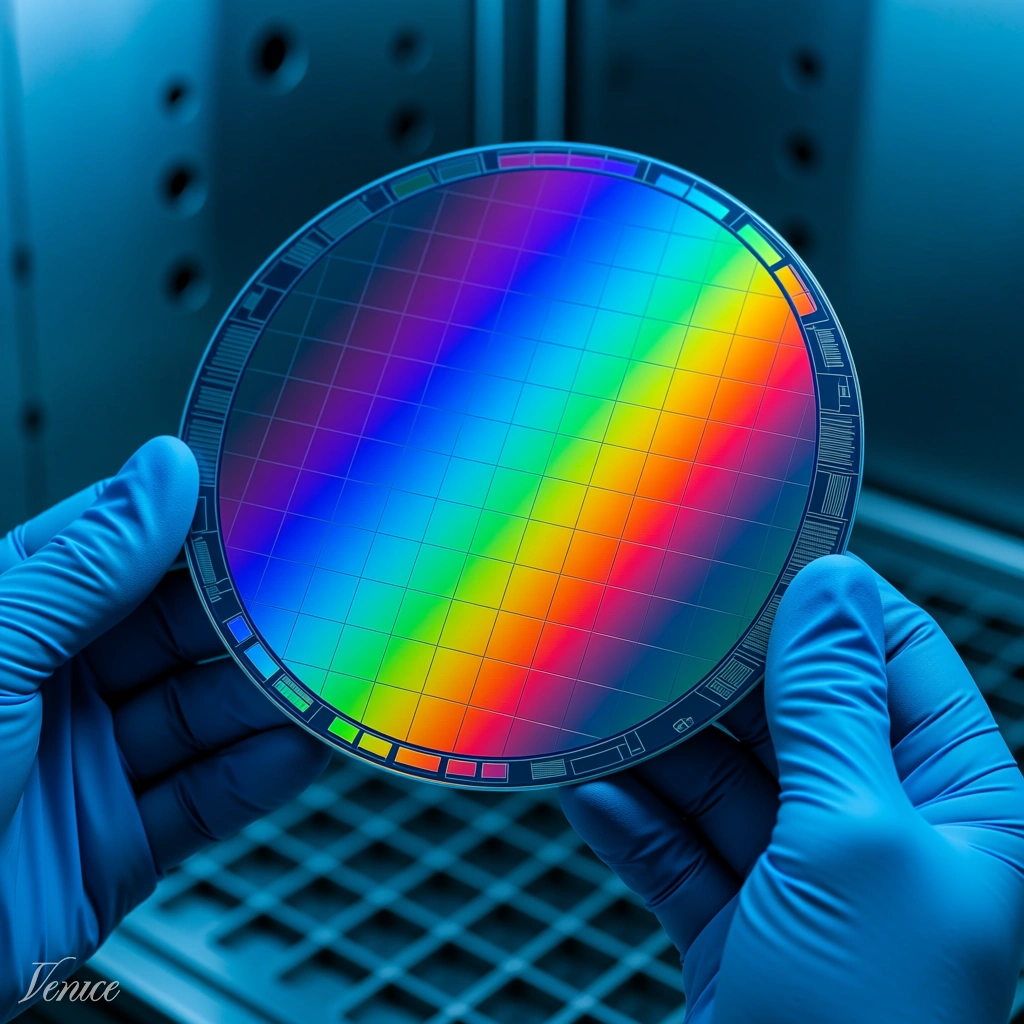
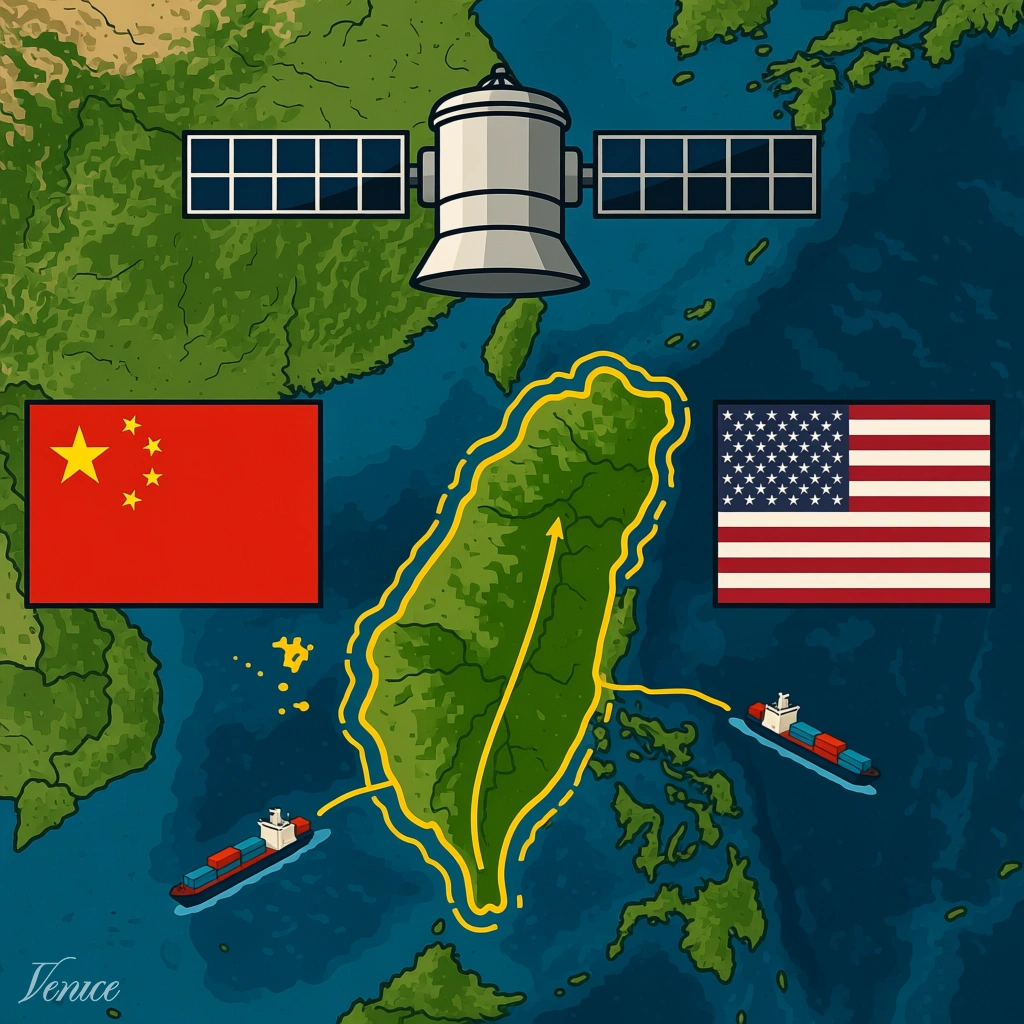
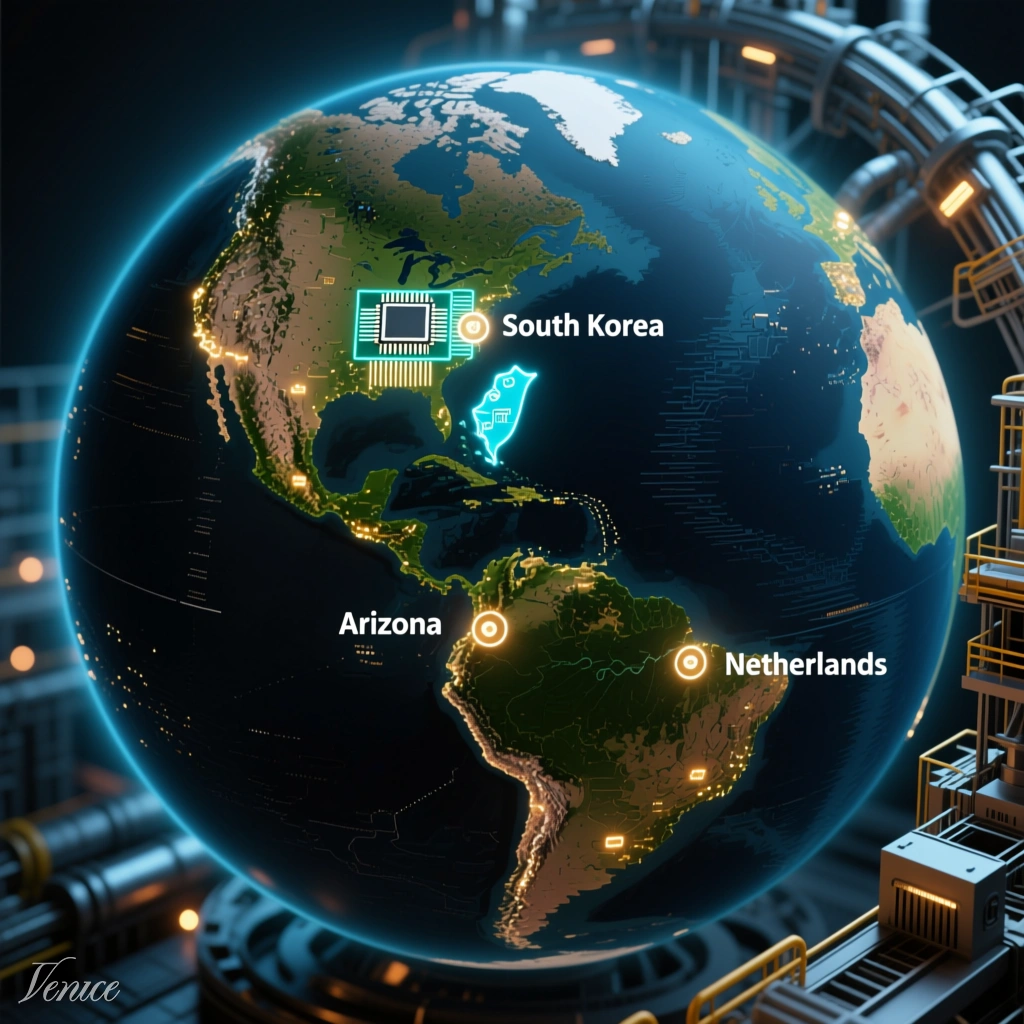
The third act of the book is where it really shines, the rise of Taiwan and the company that quietly became the most important business on Earth, TSMC, Taiwan Semiconductor Manufacturing Company. Founded by Morris Chang in 1987, TSMC invented the pure-play foundry model, manufacturing chips for other companies' designs. Today, TSMC produces over ninety percent of the world's most advanced chips, the ones below seven nanometers. Apple, AMD, Nvidia, Qualcomm, every one of them depends on this one company on this one island.
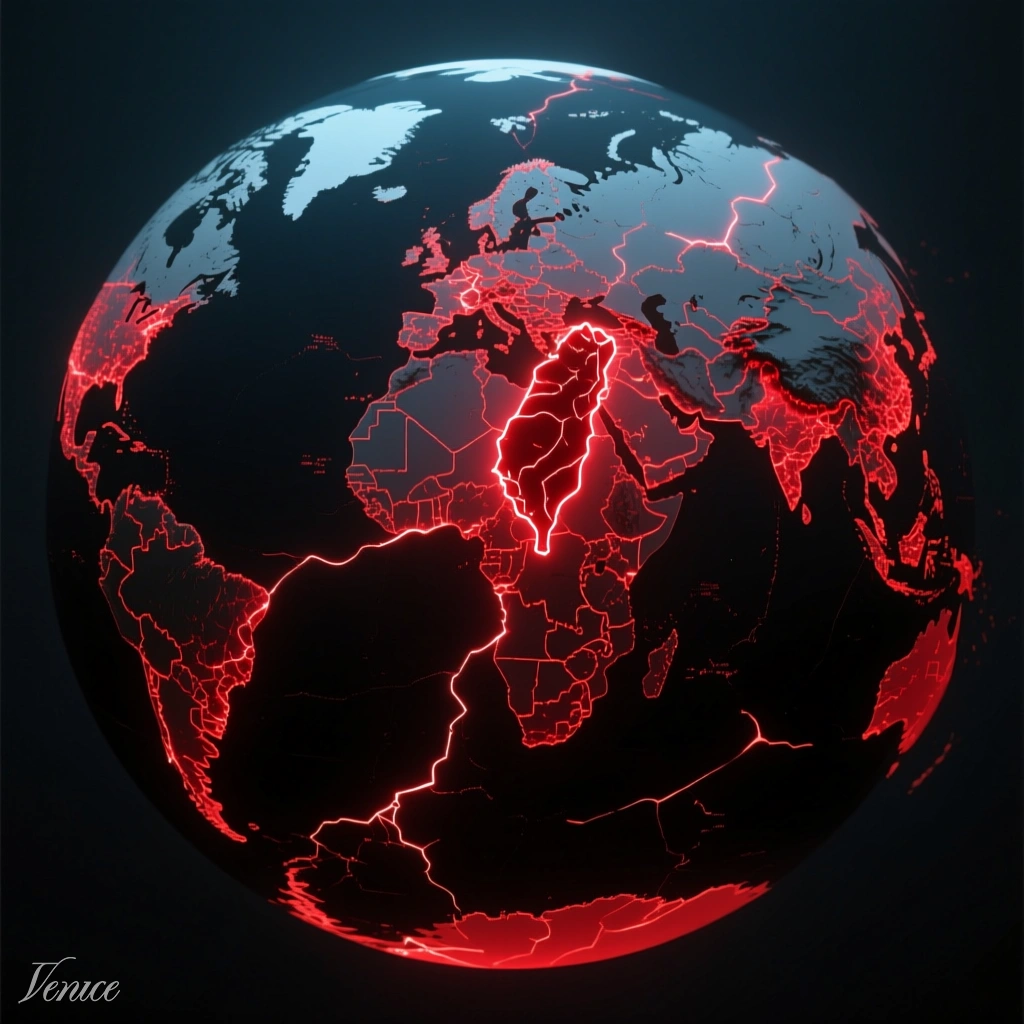
Miller drives home the strategic implication. If TSMC's fabs were destroyed or seized, the global economy would collapse within months. Phones, cars, missiles, AI accelerators, all of it depends on Taiwanese silicon. The chips that train ChatGPT and the chips that guide cruise missiles come from the same factories. As Miller puts it, quote, "We rely on a vast, complex network of companies that have created the most intricate manufacturing process in human history," end quote.


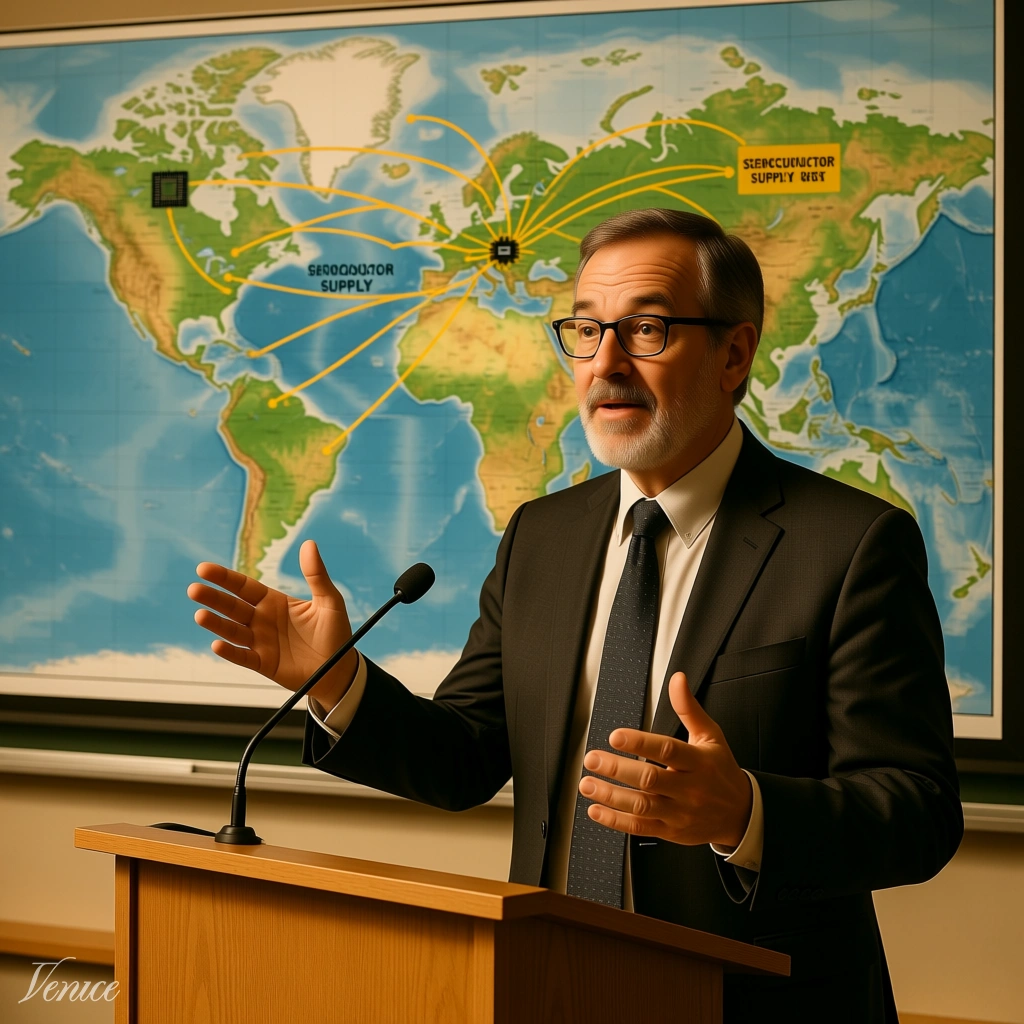
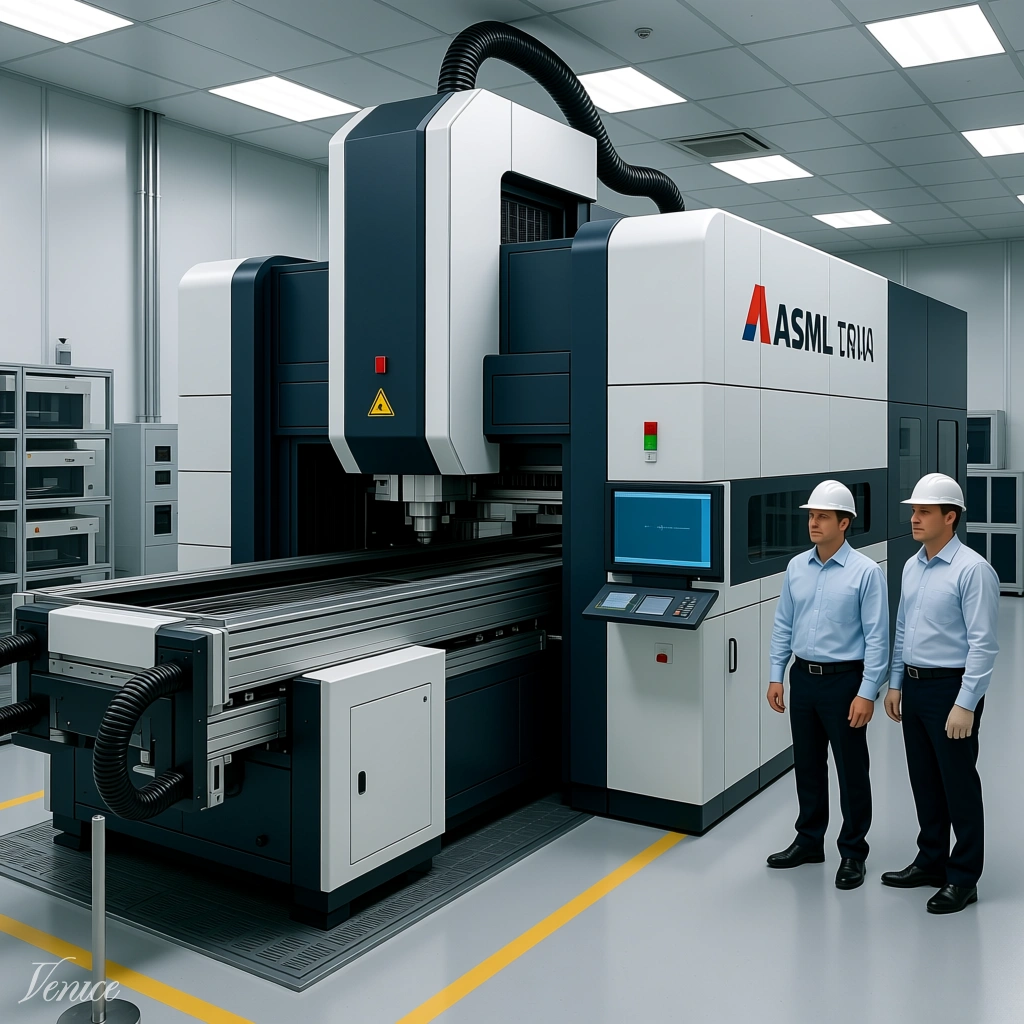
The final section of the book is about the new chip war, the United States versus China. Beijing has spent hundreds of billions of dollars trying to build an indigenous chip industry, and Washington has responded with export controls aimed at strangling Chinese access to advanced lithography, especially the EUV machines made by the Dutch company ASML. Yes, the entire global tech industry depends on one company in the Netherlands that makes machines using droplets of molten tin and mirrors so precise they could find a coin on the moon.
There's a single supplier for the most important manufacturing tool in human history. Miller traces how every American administration since Obama has tightened the screws on China's chip ambitions. The CHIPS and Science Act passed under Biden put fifty-two billion dollars on the table to bring chip manufacturing back to American soil. And the export controls of October 2022 essentially declared economic war on China's AI ambitions by cutting off access to the latest GPUs and the equipment to make them.


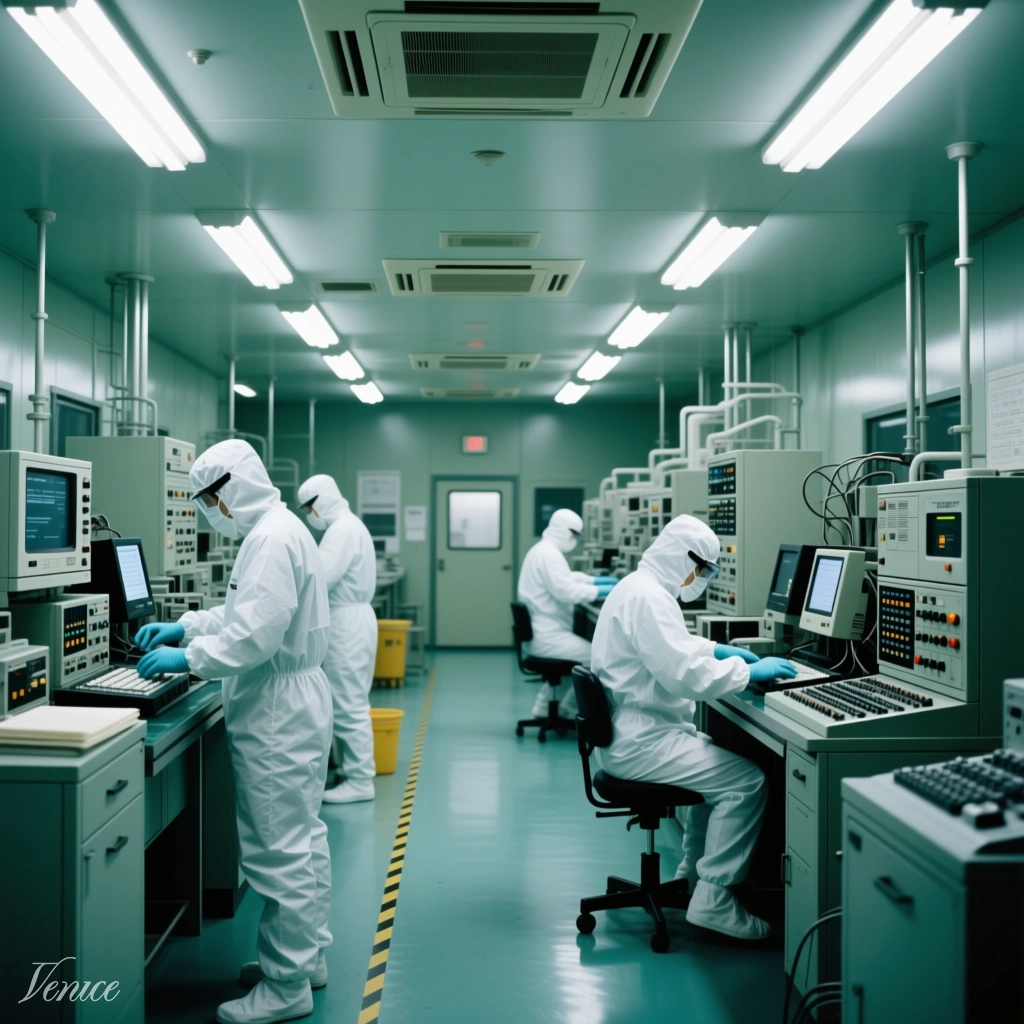
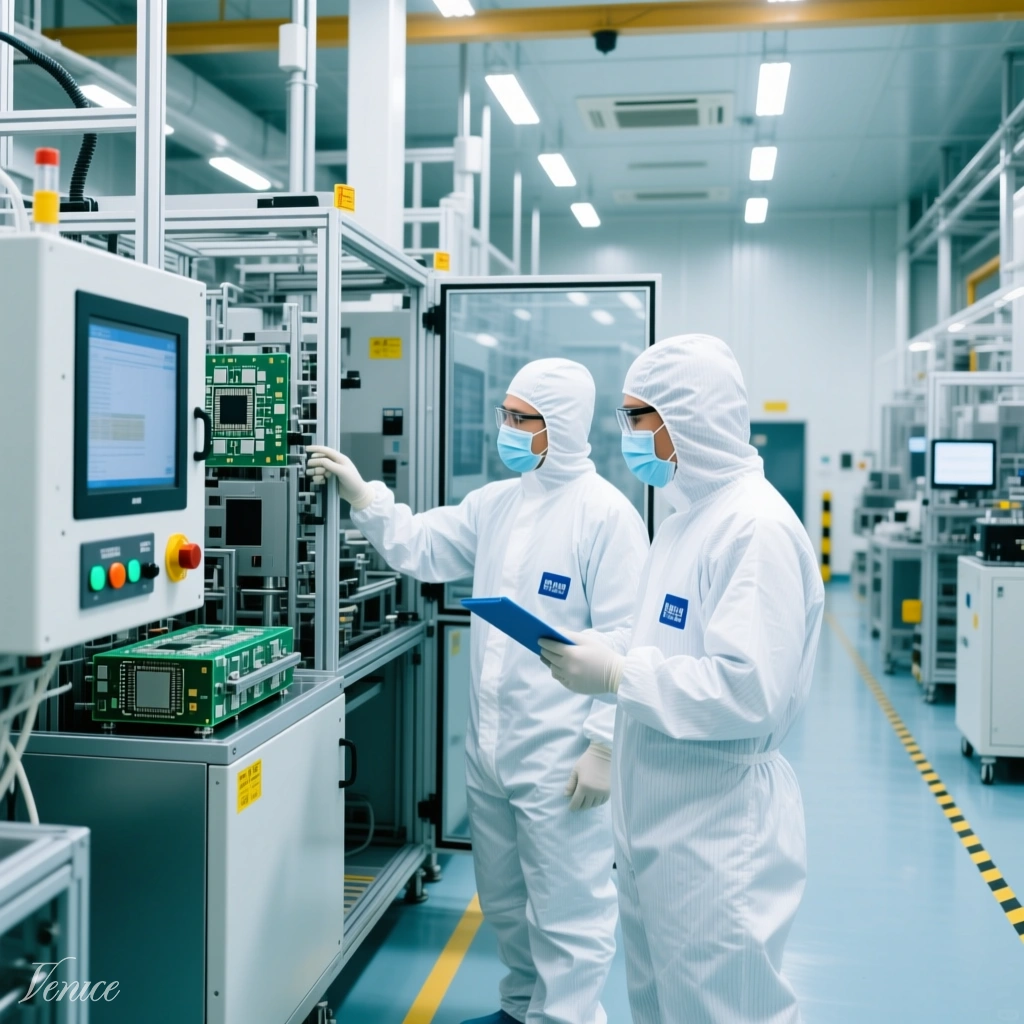
The key points of the book are devastating in their clarity. First, no country can make advanced chips alone. The supply chain is so specialized that even the most ambitious national champions need partners across at least a dozen countries. Second, chip manufacturing is the most capital-intensive and technologically demanding industry humans have ever built. A modern fab costs over twenty billion dollars and uses processes accurate to the width of a few atoms.
Third, the concentration of chip production in Taiwan creates a geopolitical fault line more dangerous than oil ever was. And fourth, AI is fundamentally a chip story. There is no AI revolution without the silicon that runs it.


What makes Miller's book special is the human element. He weaves the technical and political with portraits of the founders, the engineers, the spies, the lobbyists, and the bureaucrats who built this world. You meet Andy Grove, the Hungarian refugee who turned Intel into a powerhouse. You meet Morris Chang, the Chinese-born engineer who built TSMC after being passed over at Texas Instruments. You meet Jensen Huang, the Taiwanese-American founder of Nvidia, whose graphics chips became the picks and shovels of the AI gold rush.
Why does this book deserve your time? Because semiconductors are the most important industry on Earth, and almost nobody understands them. If you want to understand why the next decade will be defined by export controls, supply-chain resilience, and the question of Taiwan, you need this book. It pairs perfectly with Empire of AI and Atlas of AI. Where those books cover the software and ethics, Chip War covers the hardware and geopolitics. You can't understand AI without understanding the chips.


Chris Miller has written the definitive history of the most important industry in the world. Read it. You'll never look at a phone, a car, or a missile the same way again. Thanks for watching, and happy reading!
Walter Isaacson
The human story of the digital revolution — from transistors to the internet
Read Review
Mustafa Suleyman
The strategic case for containing technology, building on Miller's geopolitical analysis
Read Review
Kate Crawford
Maps the planetary supply chain — earth, labor, and data that powers the silicon Miller covers
Read Review