













Book Review

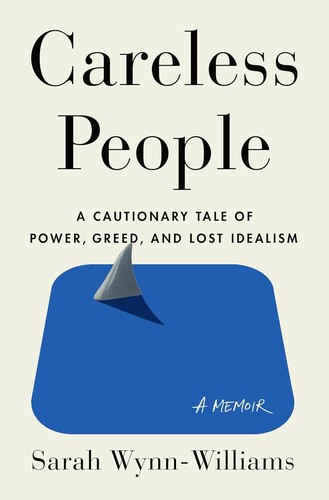
Hey everyone! Ian here! Welcome to our book review of Careless People by Sarah Wynn-Williams. The full subtitle is A Cautionary Tale of Power, Greed, and Lost Idealism. And honestly, after finishing this one, I just kept staring at the cover. The little blue pool. The shark fin. Because that's the whole book in one image. A polished, friendly surface. Something predatory underneath.
Today I want to walk you through what's in it, why it caused such an explosion when it came out, and why I think it might be one of the most important Silicon Valley books of the decade. Quick warning up front. There will be spoilers. If you want to read it cold, pause now and come back.


So who is Sarah Wynn-Williams? She's a former New Zealand diplomat. She had a near-death experience as a teenager — attacked by a shark while swimming — and she opens the book with that story for a reason. Surviving it convinced her that her life was supposed to mean something. That conviction is what eventually pushed her to cold-pitch herself into a job at Facebook around 2011, back when most people in government still thought of the company as a cute college project.
She basically invented her own role and ended up as Director of Global Public Policy, traveling the world with Mark Zuckerberg and Sheryl Sandberg for almost seven years. She left in 2017. The book is her memoir of those years. The title comes from The Great Gatsby — "they were careless people, Tom and Daisy, they smashed up things and creatures and then retreated back into their money or their vast carelessness." Once you know that, you can't unsee it.


Now here's the part that turned this book into a phenomenon. Days before publication in March of last year, Meta went to emergency arbitration and won an order trying to stop Wynn-Williams from promoting it. They wanted to block her from doing interviews, podcasts, basically anything. And of course, the moment that became public, the book rocketed to number one. Classic Streisand effect. Meta tried to bury it and instead handed her a megaphone. Okay let's get into the actual content. The synopsis.
The book moves chronologically through her seven years inside the company, and it's structured around a series of escalating moral compromises. Early on, she's a true believer. She thinks Facebook can connect the world, help democracies, give voice to the voiceless. The first cracks come when she's working on global expansion. She describes the secret project to build a censored version of Facebook for the Chinese government — internally code-named, in various forms, to keep it off the books.


Engineers built tools that would let Beijing suppress posts and surveil users. Zuckerberg, in her telling, was personally obsessed with cracking China. He learned Mandarin. He did that staged jog through smog-choked Tiananmen Square. He desperately wanted a meeting with Xi Jinping, even asking Xi to name his unborn child. Xi declined.
Then there's Myanmar. This is the hardest section to read. Wynn-Williams describes warnings sent up the chain — for years — that Facebook was being weaponized to incite violence against the Rohingya. The platform had almost no Burmese-language moderation. Hate speech, dehumanizing posts, calls for ethnic cleansing — they spread unchecked. The UN later concluded that Facebook played a "determining role" in the genocide. Inside the company, she says, the response was bureaucratic. Slow. More worried about PR than people dying.


The 2016 U.S. election sections are damning in a different way. She describes how the Trump campaign, working with Facebook embeds, exploited the ad platform far more aggressively than the Clinton campaign. After the election, the company's first instinct, according to her, was to downplay everything — Russian interference, the targeting tools, all of it.
And then there are the personal stories. The ones that made the headlines. She describes Sheryl Sandberg's behavior on the private jet — the demands, the pressure to share a bed, the strange intimacy expected from staff. She describes Joel Kaplan, then Vice President of Global Public Policy, allegedly grinding against her at a company event while she was visibly pregnant, and making sexually charged comments about her body during meetings. She filed complaints. She was investigated — and then pushed out.


Her firing came shortly after she returned from a difficult maternity leave during which, she says, she nearly died from a postpartum hemorrhage while the company kept demanding work.
Meta has denied her version of events. She has receipts, emails, and contemporaneous notes. Readers can decide. Now the key takeaways. What is this book actually trying to do? First — it's a portrait of how good people get slowly captured by a system. Wynn-Williams doesn't paint herself as a saint. She stays for years after she has serious doubts. She rationalizes. She tells herself she's doing more good inside than she could outside. That self-justification is the engine of the whole memoir.


Second — it's a study of leadership detached from consequences. Her central charge isn't that Zuckerberg and Sandberg are evil. It's that they're careless. Insulated. Surrounded by yes-people. Genuinely surprised when their decisions cause harm in places they never bothered to learn anything about.
Third — it's a warning about platform power. When one company's policy choices can shape elections, fuel genocides, and decide what billions of people see — and the people making those choices are, as she puts it, "incurious about the rest of the world" — that's a structural problem no terms of service can fix. And fourth — it's a survival document. She's not writing this to get even. She's writing it because she thinks someone has to put the receipts on the record before everyone forgets.


Why is this book worth your time? Because almost every other Silicon Valley memoir is written by people still in the club. This one isn't. It's lived, it's specific, and it names names. If you've ever wondered what the inside of one of those campuses actually feels like — the catered meals, the private jets, the rooms where the world gets reshaped by people who genuinely don't think they're doing anything wrong — this is the closest thing we have. It's also just a very well-told story. Wynn-Williams is a sharp, dry writer. There are funny moments.
There are devastating ones. Honestly? I read it in two sittings. The shark on the cover stayed with me. So did the Gatsby line. Careless people smash up things and creatures and then retreat back into their money. We're all still living downstream of that. Pick this one up. Lend it to someone. Talk about it. Thanks for watching, and happy reading!

Walter Isaacson
Another tech billionaire portrait — but written from the inside of the bubble, not outside it
Read Review
Peter Thiel
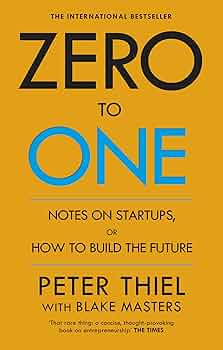
Silicon Valley's gospel of monopoly — read it next to Wynn-Williams' memoir for the full picture
Read Review
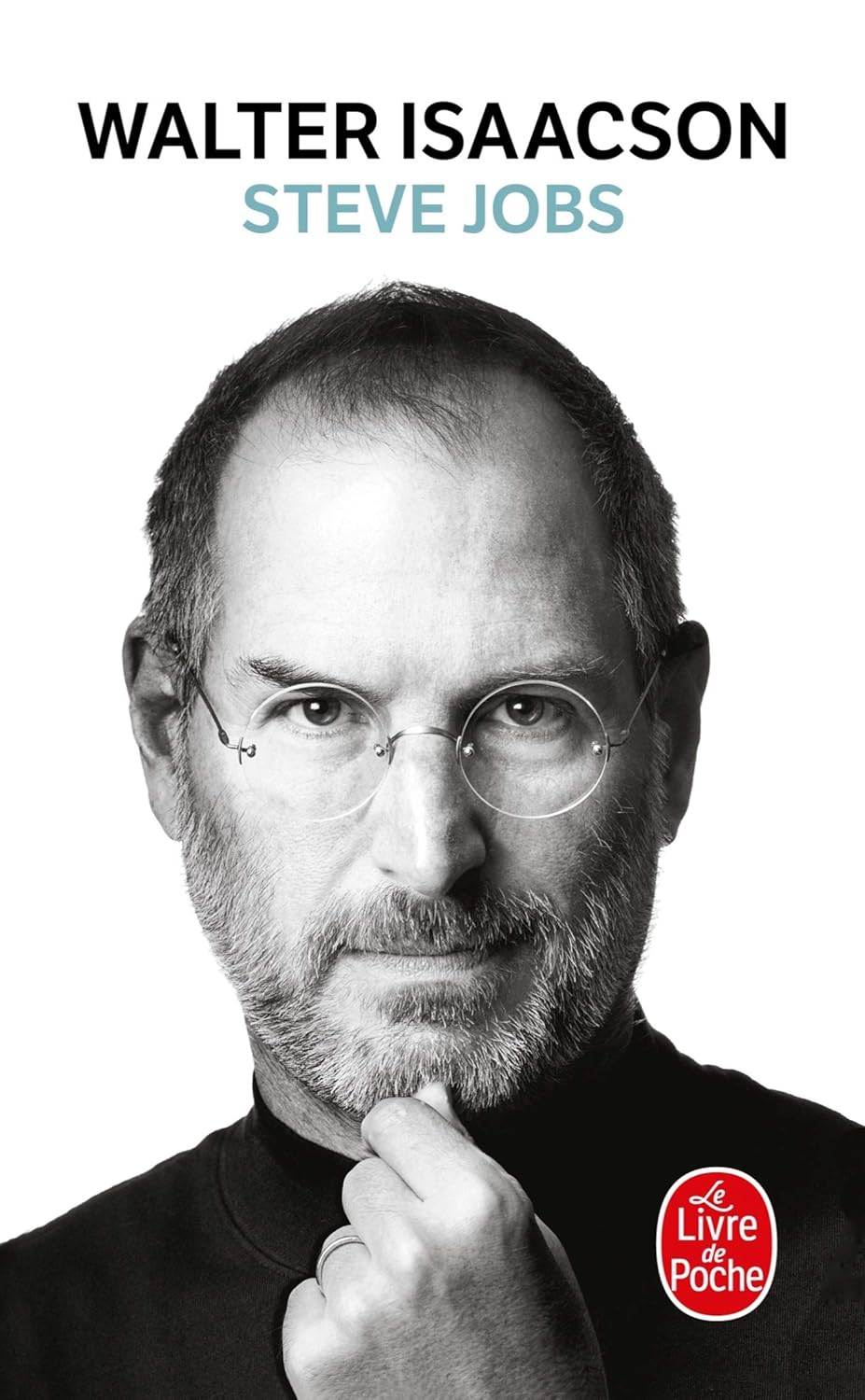
Walter Isaacson
How a charismatic founder bends a company around their own personality and blind spots
Read Review

Nick Bostrom
When platform decisions get made by people incurious about consequences, what happens at AI scale?
Read Review