← Back to Gallery
0 / 15
0:00 / 4:43
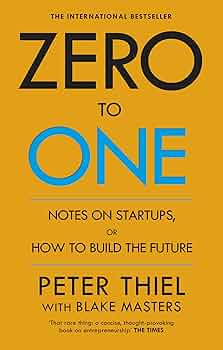
Zero to One

Zero to One

Peter Thiel (2014)

Introduction

Introduction

Hey everyone, Ian here. Welcome back to our book club. Today we're diving into Zero to One by Peter Thiel, published in 2014. Thiel is the co-founder of PayPal and Palantir, an early investor in Facebook, and one of the most original thinkers in Silicon Valley. This book is his contrarian manifesto on startups, innovation, and building the future.

The Central Idea

The title captures the central idea. Going from zero to one is creating something entirely new. It's vertical progress, technology that changes everything. Going from one to n is copying things that work. It's horizontal progress, globalization, spreading existing ideas. Thiel argues that real innovation, the kind that matters, is zero to one.

Innovation
Question

The Contrarian Question

The book opens with Thiel's interview question. What important truth do very few people agree with you on? This is the contrarian question. Most people believe things that everyone believes. True innovators believe things that are both true and unpopular. Finding these truths is how you identify opportunities others miss.

Competition is for Losers

Thiel argues that competition is for losers. Perfect competition drives profits to zero. Monopolies, on the other hand, can be enormously valuable because they have pricing power. The key is to build a monopoly by being so good at something specific that no one can compete. Google has a monopoly on search. Facebook on social networks. These aren't illegal monopolies. They're earned through being the best.

Monopoly
Monopolies

Good vs Bad Monopolies

He distinguishes between good and bad monopolies. Good monopolies create new value. They invent things people didn't know they needed. Bad monopolies just extract rent without creating anything. Thiel argues entrepreneurs should aim to be good monopolies, building something genuinely new.

Why Companies Fail

The book explores why most companies fail to innovate. They copy instead of create. They enter crowded markets instead of carving out new territory. Thiel calls this the horizontal fallacy. The belief that if you work hard and compete well, you'll succeed. In reality, choosing the right market matters more than how hard you work.

Failure
Success

What Makes Startups Successful

Thiel outlines what makes a startup successful. Proprietary technology that gives you an advantage. Network effects that make your product more valuable as more people use it. Economies of scale that let you grow efficiently. Branding that creates trust and recognition. These four elements build durable competitive advantages.

The Power Law

He discusses the power law of venture capital. A small number of companies generate most of the returns. This means you need to think in terms of binary outcomes. Either your company becomes huge, or it fails. There's no middle ground. This shapes everything about how startups should operate.

Power Law
Future

Philosophies of the Future

The book examines different philosophies of the future. Definite optimism believes the future will be better and we can plan for it. This was the mindset of the 1950s and 60s, when people believed in progress and built accordingly. Indefinite optimism believes the future will be better but we don't know how. This is modern Silicon Valley, where people hope for the best without concrete plans.

Definite Optimism

Thiel argues for definite optimism. We need concrete visions of the future and plans to build them. Not just hoping things get better, but making specific bets on what the future should look like. This requires thinking big and being willing to be wrong.

Optimism
Secrets

The Concept of Secrets

He explores the concept of secrets. There are two kinds. Natural secrets, like physics or biology, waiting to be discovered. Personal secrets, things people know but don't share. Great companies are built on secrets others don't see. Finding them requires contrarian thinking and deep investigation.

Founding Teams

The book discusses founding teams. The best startups have aligned interests and complementary skills. Thiel's PayPal mafia, the group that went on to found companies like Tesla, LinkedIn, and YouTube, exemplifies this. Great founders attract great people and create cultures that endure.

Team
Sales

Sales and Distribution

He also explores sales and distribution. Even the best product fails without sales. Engineers often underestimate this. Thiel argues every founder must be a salesperson, convincing customers, investors, and employees that the future they're building is worth joining.

Why Read This Book?

What makes Zero to One valuable is its contrarian clarity. Thiel doesn't repeat startup cliches. He challenges assumptions about competition, innovation, and progress. The book is opinionated, sometimes provocative, and always thought-provoking. Why read this book? Because if you're building something, you need to think differently. Zero to one progress doesn't come from following the crowd. It comes from finding truths others don't see and building what doesn't exist yet.
Conclusion
End

Final Thoughts

Thanks for listening, and catch you next time.