











Book Review

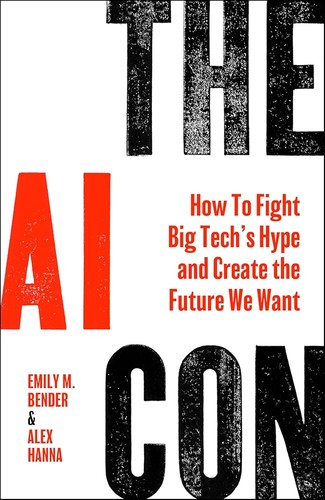
Hey everyone! Ian here! Welcome to our book review of The AI Con: How to Fight Big Tech's Hype and Create the Future We Want by Emily M. Bender and Alex Hanna. Published by Harper in 2025, this is the book the AI industry doesn't want you to read. It's a sharp, funny, fact-driven takedown of nearly everything you've been told about modern artificial intelligence, written by two scholars who've spent years inside the machine and decided enough was enough.
Let me tell you about the authors, because their credentials matter here. Emily M. Bender is a professor of linguistics at the University of Washington, and she's one of the most influential AI skeptics in the world. You may have heard of the famous stochastic parrots paper she co-authored, the one that reportedly got Timnit Gebru pushed out of Google's ethics team in 2020. Alex Hanna is the director of research at the Distributed AI Research Institute, where Gebru went after Google.


She's a former Google researcher herself and a sociologist trained at Berkeley. Together they host a podcast called Mystery AI Hype Theater 3000, which is exactly as gloriously irreverent as it sounds.
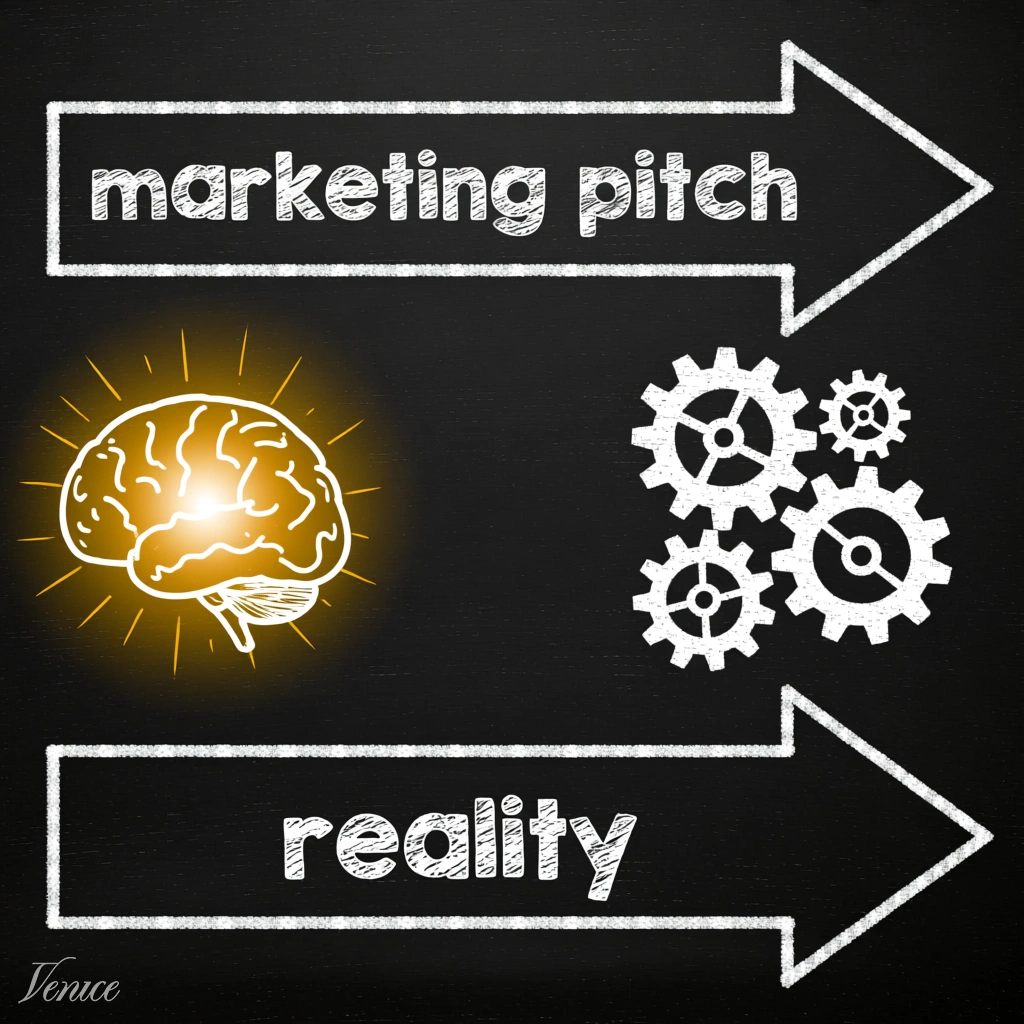
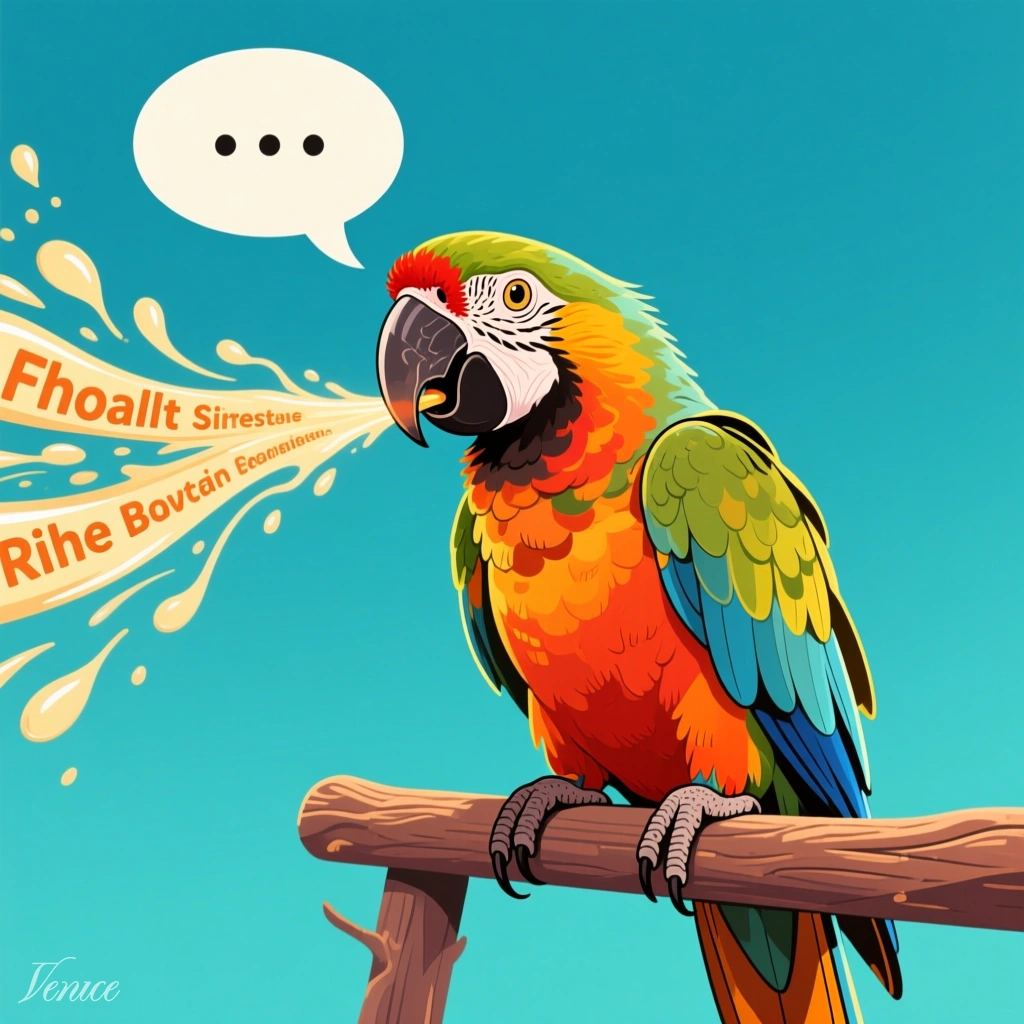
The thesis of the book is right there in the title. There is no AI. There is just a con. The authors argue that the entire industry has been built on a careful, deliberate confusion between two very different things. There's the marketing pitch, an intelligent agent that can think, reason, and replace human labor. And there's the actual technology, a statistical text generator that doesn't understand anything and is best understood as, in their words, a synthetic text extrusion machine.


The gap between what's promised and what's delivered is where the con happens. The book is structured around the major lies of the AI industry, and the authors take them down one by one.
The first lie is that AI systems are intelligent. Bender and Hanna argue this is a category error. Large language models are pattern-matchers operating over massive piles of human-generated text. They produce plausible-sounding output by predicting the next token in a sequence. They don't understand language. They don't know facts. They don't reason. They just remix. When ChatGPT gives you a confident wrong answer, that's not a bug, that's the system doing exactly what it was designed to do.


The second lie is that AI is going to take all the jobs. The authors argue this framing is itself the scam. It's used to discipline workers, to drive down wages, and to justify firing people the company wanted to fire anyway. Real automation tends to be boring and gradual. The current AI panic is a wage-suppression tool, not a labor revolution.
The third lie is that AI is going to either save humanity or destroy it. Bender and Hanna have a wonderful chapter taking apart both AI doomers and AI accelerationists. They argue these two camps are actually playing the same game. Both inflate the capabilities of current systems to staggering proportions, and both distract from the boring real harms happening today. As they put it, quote, "When you focus on the future end of humanity, you don't have to talk about the algorithms denying people housing today," end quote.


The fourth lie is that AI is inevitable. The authors devote a beautiful chapter to debunking the techno-fatalism that dominates Silicon Valley discourse. AI didn't fall from the sky. It was built by specific people making specific choices funded by specific investors. Every line of code is a decision. We can decide differently.
A core argument throughout the book is about labor exploitation. Bender and Hanna meticulously trace the human labor that makes AI possible. The Kenyan workers paid two dollars an hour to label traumatic content. The Colombian translators feeding training data. The American radiologists whose annotations get scraped without permission. The entire industry rests on this hidden workforce, and the marketing pretends it doesn't exist.


They also dig into the environmental cost. Training a single large language model can consume as much energy as hundreds of US households use in a year. The data centers powering ChatGPT and Claude are drinking up water in drought-stricken regions and burning natural gas to keep up with demand. The cost of an AI-generated image isn't zero. It's just hidden from the user.
The strongest chapters tackle the specific harms already happening. AI hiring tools that screen out qualified candidates based on biased training data. Predictive policing algorithms that send more cops to neighborhoods that already have too many cops. Healthcare AI that misses diagnoses for women and people of color because it was trained on white men. Generative AI flooding the internet with plausible-sounding misinformation. The future the AI industry promises is always five years away. The present harms are happening now.


But the book isn't just a critique. The final third is constructive. Bender and Hanna offer a framework for resistance. They argue we should demand specificity, when someone says AI, ask exactly which system, what data, what task, what accuracy rate. They call for refusing AI in places where humans are necessary, like criminal sentencing, hiring, and healthcare diagnosis. They support unions and collective bargaining around AI deployment. They want serious regulation, not the corporate-captured ethics theater currently on offer.
They have a wonderful concept called the AI shell game, where executives constantly redefine what counts as AI, what it can do, and what it's responsible for. When you criticize one system, they point to a different one. When you sue them, they claim the AI did it, not them. The book is a manual for cutting through this fog.


The tone throughout is sharp, sometimes hilarious, always grounded. The authors have a podcaster's ear for the absurd quote and the deflating fact. They quote Sam Altman, Elon Musk, and OpenAI executives back at themselves to devastating effect. They make you laugh, then they make you angry, then they make you informed.
Why does this book deserve your time? Because the AI hype cycle has captured nearly every newsroom, government, and boardroom on the planet, and the boosters have had a free run. The AI Con is the corrective. It's the book you give to your boss who wants to fire half the team and replace them with chatbots. It's the book you give to your friend who thinks ChatGPT is alive. It's the book that lets you participate in the most important technology debate of our time with both eyes open.


It pairs beautifully with Atlas of AI and Empire of AI, but where those books focus on infrastructure and history, this one focuses on the rhetorical sleight of hand that makes the whole industry possible. The AI Con by Emily Bender and Alex Hanna. Read it, and you'll never be conned again. Thanks for watching, and happy reading!
Karen Hao
Karen Hao's inside view of OpenAI grounds the hype Bender and Hanna dismantle
Read Review
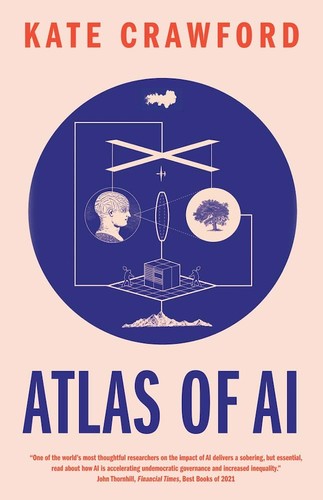
Kate Crawford
Crawford's planetary infrastructure analysis is the perfect companion to The AI Con's rhetorical takedown
Read Review
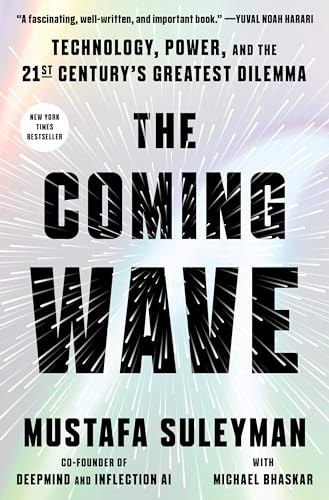
Mustafa Suleyman
The view from inside the industry — Suleyman's containment argument meets Bender's refusal argument
Read Review
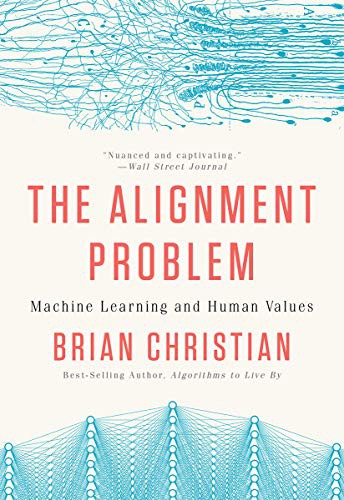
Brian Christian
Christian on the technical roots of harm; Bender and Hanna on the rhetorical scaffolding
Read Review