

← Back to Gallery
0 / 15
0:00 / 5:37
Transformer

Transformer

Book Review

Welcome To Transformer

Welcome To Transformer

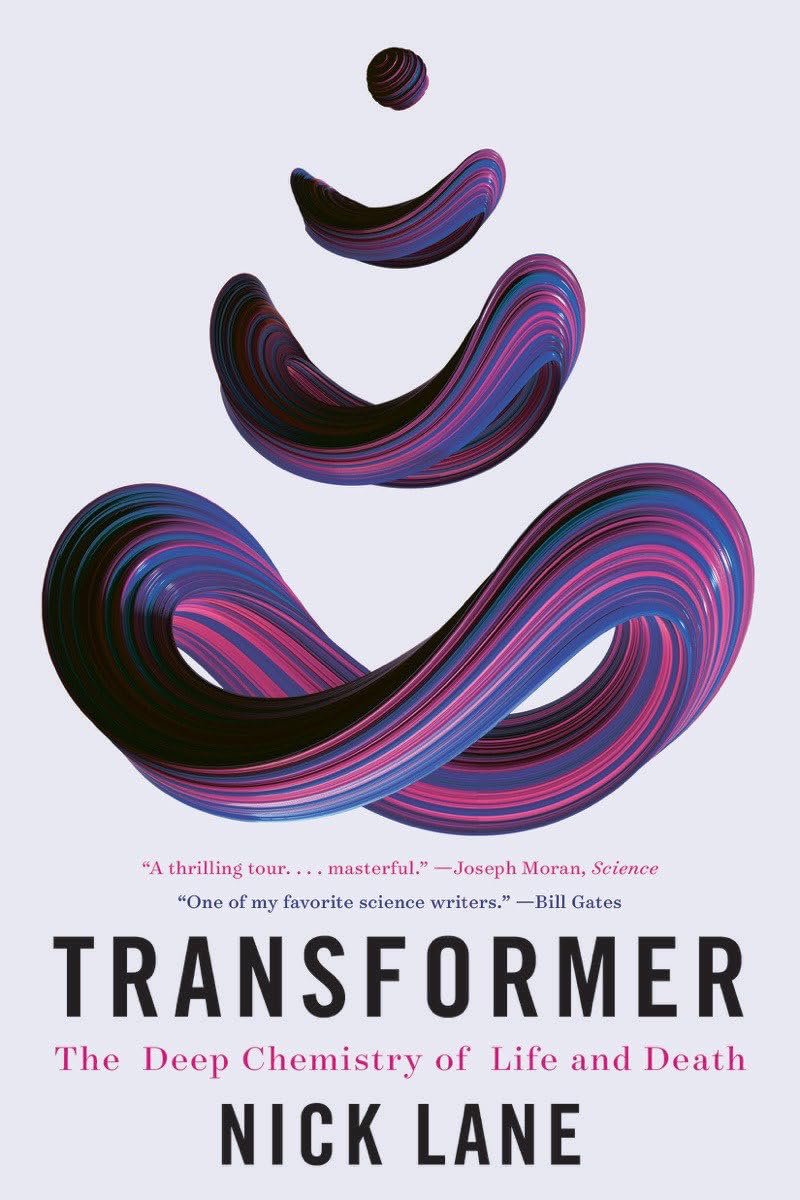
Hey everyone! Ian here! Welcome to our book review. Today we're diving into Transformer: The Deep Chemistry of Life and Death by Nick Lane, published in 2022. If The Vital Question asked why life is powered the way it is, this book answers with a single spinning circle at the center of metabolism — the Krebs cycle — and treats it as the plot of life itself.

Meet Nick Lane

Nick Lane is Professor of Evolutionary Biochemistry at University College London. He's one of the few writers who can make hard chemistry feel like an epic without sanding off the science. Critics and working scientists have called Transformer lucid, winsome, and a metabolism-first view of life that succeeds even when you argue with particular claims. Fair warning again: there is real chemistry here. That's the feature, not a bug.

Meet Nick Lane
Metabolism Before Genes

Metabolism Before Genes

Full spoilers on the argument ahead — this is a review for people deciding whether to read, not a trailer. Lane's big move is to flip the usual gene-first story. DNA is crucial, but genes are not the deepest script. At the core of living chemistry is a cycle of reactions that transforms inorganic molecules into the building blocks of life — and the reverse of that same cycle, which breaks those building blocks down to release usable energy.

The Iconic Krebs Cycle

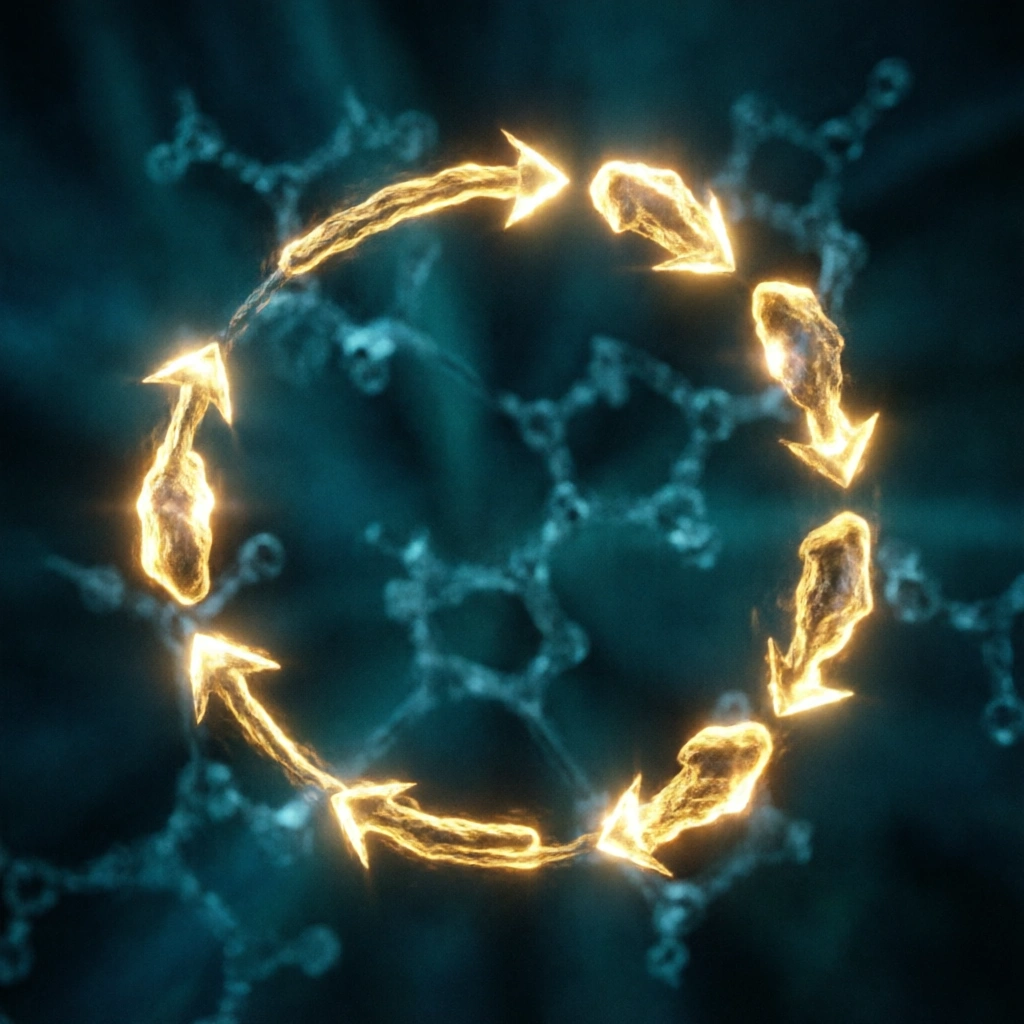
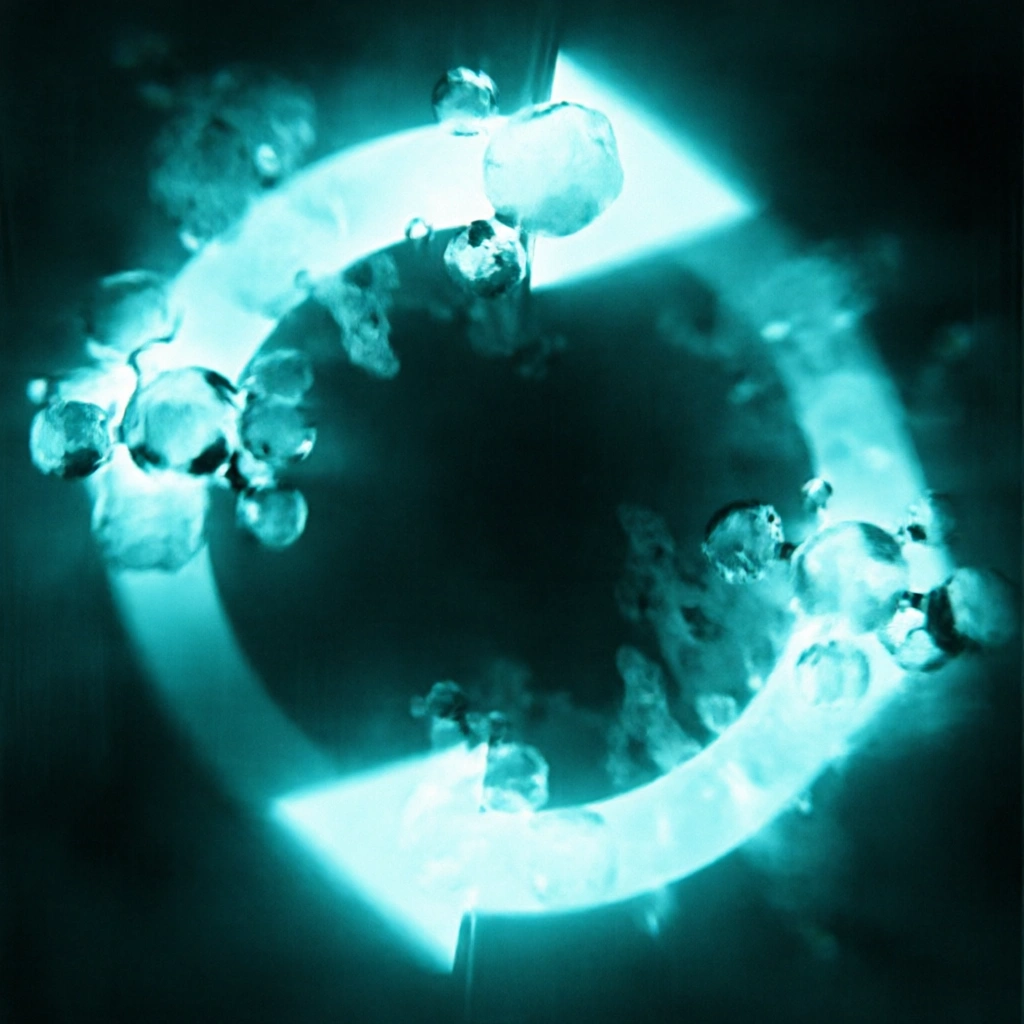
That conflicted merry-go-round is the iconic Krebs cycle, also called the citric acid cycle or TCA cycle, sitting at the heart of metabolism.

The Iconic Krebs Cycle
Deep Coherence Of Life

Deep Coherence Of Life

Lane wants you to grasp the cycle not as a textbook diagram you memorized and forgot, but as deep coherence across biology. It connects the first photosynthetic bacteria with our peculiar cells. It links the emergence of consciousness with the inevitability of death. And it puts subtle differences between individuals in the same grand story as the rise of the living world itself. To understand this cycle of energy and matter is to resolve the chemical unity of life.

From Textbook To Engine

Historically, Sir Hans Krebs pieced the cycle together in the nineteen thirties. For generations of students it became a rote list of intermediates — citrate, isocitrate, alpha-ketoglutarate, and so on — enzymes with long names, arrows in a circle. Lane reopens that circle and asks why this particular chemistry, why it still spins in us, and why running it in reverse may matter as much as running it forward. When the reverse Krebs cycle first emerged, he argues, it had little to do with energy generation as we usually teach it.

From Textbook To Engine
Reverse Cycle Carbon Fixing

Reverse Cycle Carbon Fixing

It was a way to fix carbon — to build biomass from simple precursors — long before oxygen-rich respiration made the forward cycle the star of every textbook chapter.

Forward And Reverse Spine

That reverse-forward duality is the spine of the book. In one direction, the cycle helps assemble the carbon skeletons of life. In the other, it strips electrons from food and feeds the respiratory chains that pump protons across membranes — the bioenergetic machinery Lane explored in earlier work. Metabolism is not a sideshow to genetics. Genes encode the catalysts, but the flow of matter and energy through these pathways is what makes a cell a going concern rather than a bag of polymers.

Forward And Reverse Spine
Across The Tree Of Life

Across The Tree Of Life

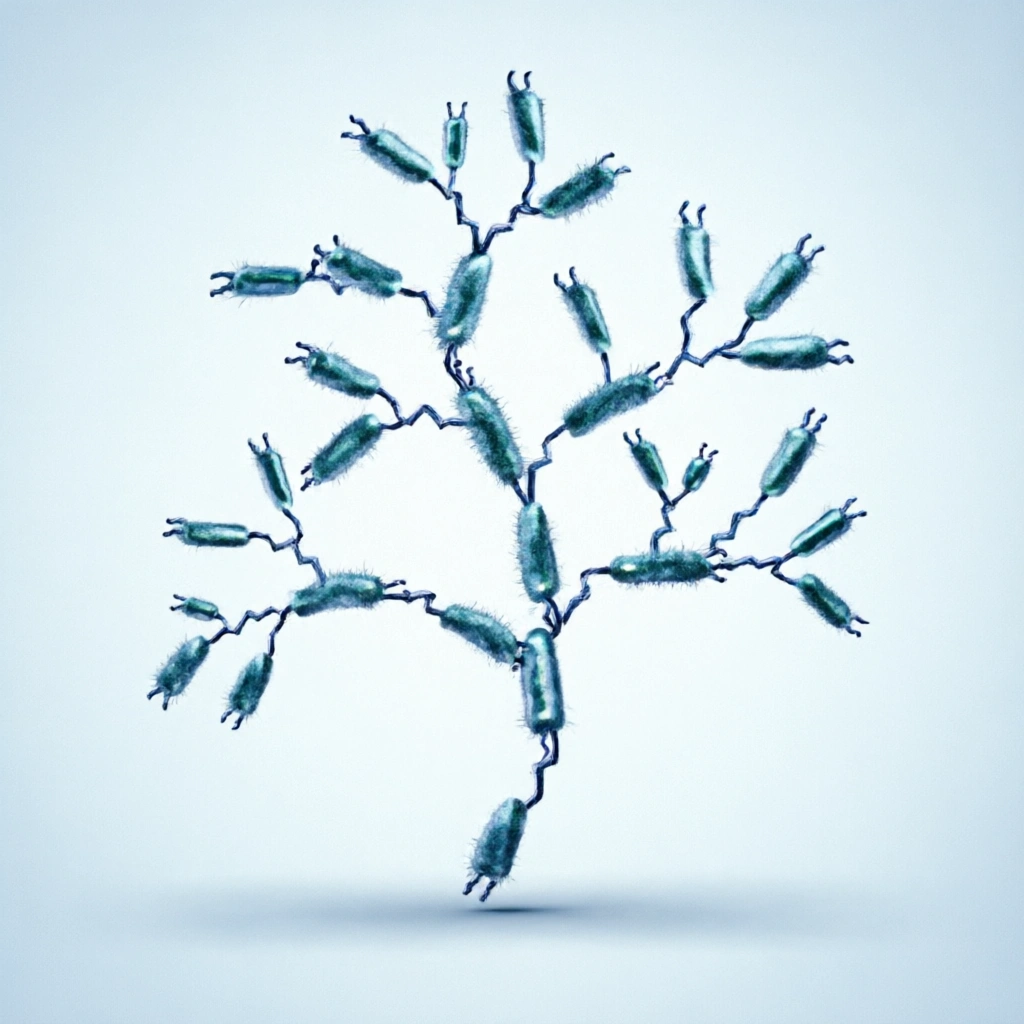
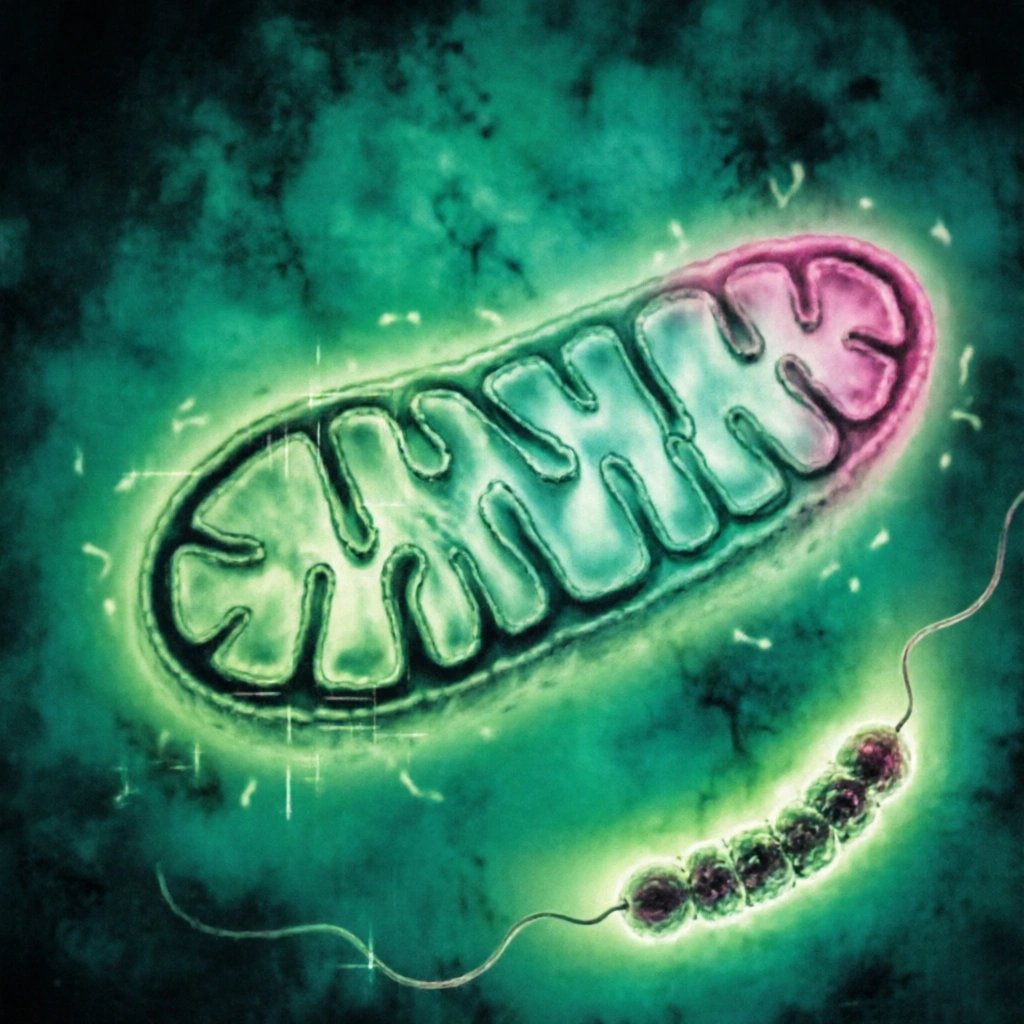
From there Lane traces ramifications across the tree of life. Photosynthetic bacteria, mitochondria in our cells, the abrupt evolutionary leaps tied to oxygen and energy availability — the same chemical hub keeps showing up. He also pushes into territory that makes the subtitle earn the word death. Cancer, aging, and the limits of lifespan are reframed through metabolic constraint and the dual-use chemistry of pathways that both sustain and can destabilize cells.

Life And Death Chemistry

You do not have to accept every speculative link to feel the force of the framing: life and death are not opposites bolted onto biology. They are phases of the same deep chemistry.

Life And Death Chemistry
Ideas That Stick

Ideas That Stick

A few ideas that stick. First, intermediates of the Krebs cycle are not boring middlemen — they are the heart of metabolism, transformed by cells in myriad ways. Second, a metabolism-first view does not dismiss genetics; it explains what genes are selected to manage. Third, once you see the cycle as a coherent engine rather than a memorization chore, textbook fragments snap into a single story from origin chemistry to human disease.

Honest About Speculation

Is every claim settled science? No. Reviewers note that Lane is in the vanguard of researchers still arguing about why this cycle remains so conceptually elusive decades after its discovery. Some preferred explanations for origins or cancer may prove wrong. The book still succeeds as a brilliant guided tour of a metabolism-centered worldview, written in prose that humanizes complex research without drowning you.

Honest About Speculation
Who Should Read This

Who Should Read This

Who is this for? Ideal readers are the same people who loved The Vital Question, How Life Works, or serious popular genetics books and still wanted the carbon-and-electron plot spelled out. If you bounce off chemical names entirely, this will be a climb. If you're willing to slow down for a few intermediates, the payoff is a unified picture of why cells live, grow, and eventually fail the way they do.

Why It Matters Here

I care about this one because I work in molecular biology, where it's easy to treat the Krebs cycle as scenery behind CRISPR, RNA, and fancy pathways. Lane puts the transformer back in the center of the frame. After you read it, the cycle stops being a worksheet and starts looking like the plot. If you want the deep chemistry of life and death in one ambitious, honest package, read Transformer. Thanks for watching, and happy reading!

Why It Matters Here

📚 You Might Also Like
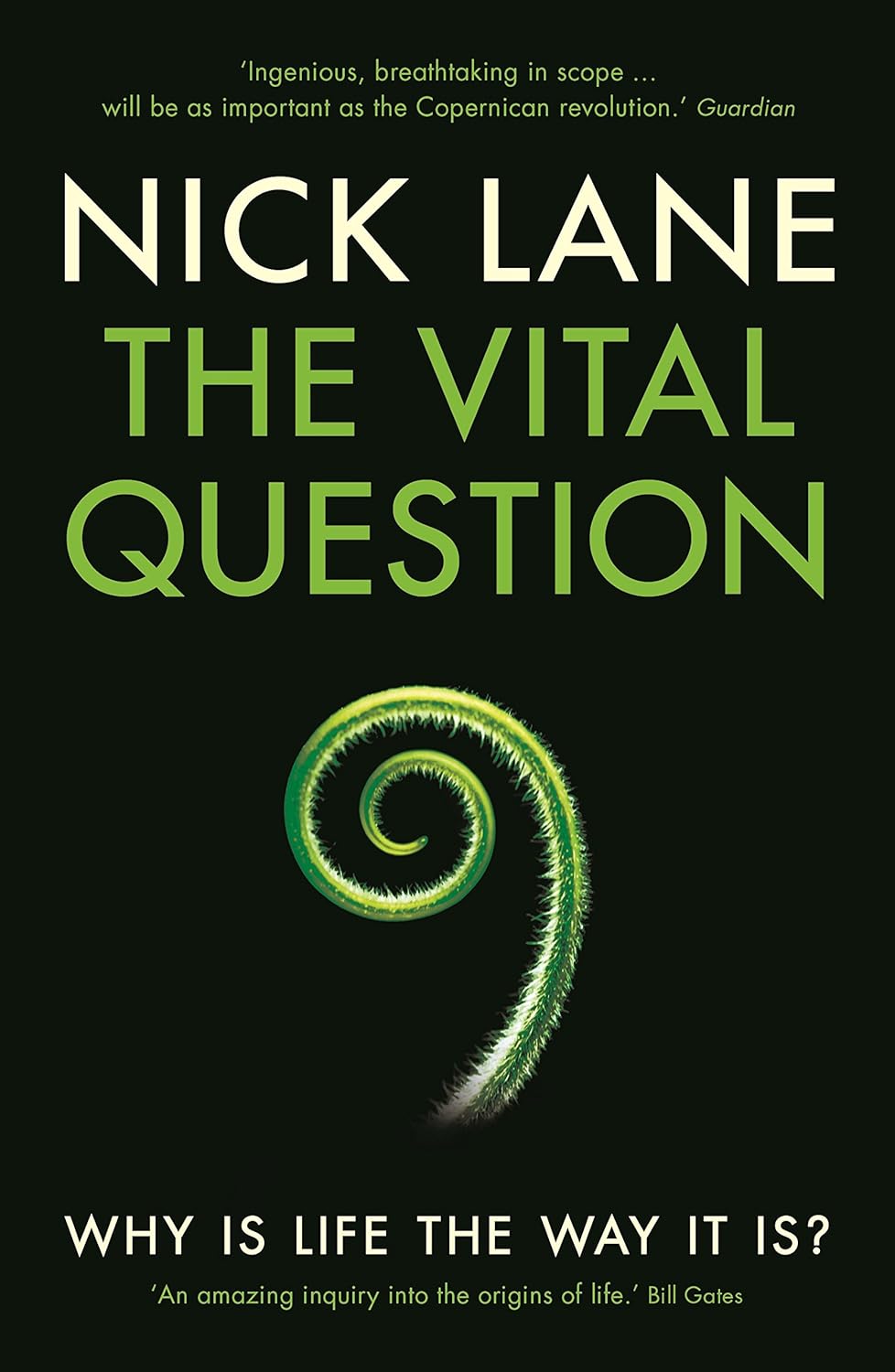
The Vital Question

The Vital Question

Nick Lane

Lane's earlier bioenergetics epic — proton gradients and why complex life arose once

Read Review
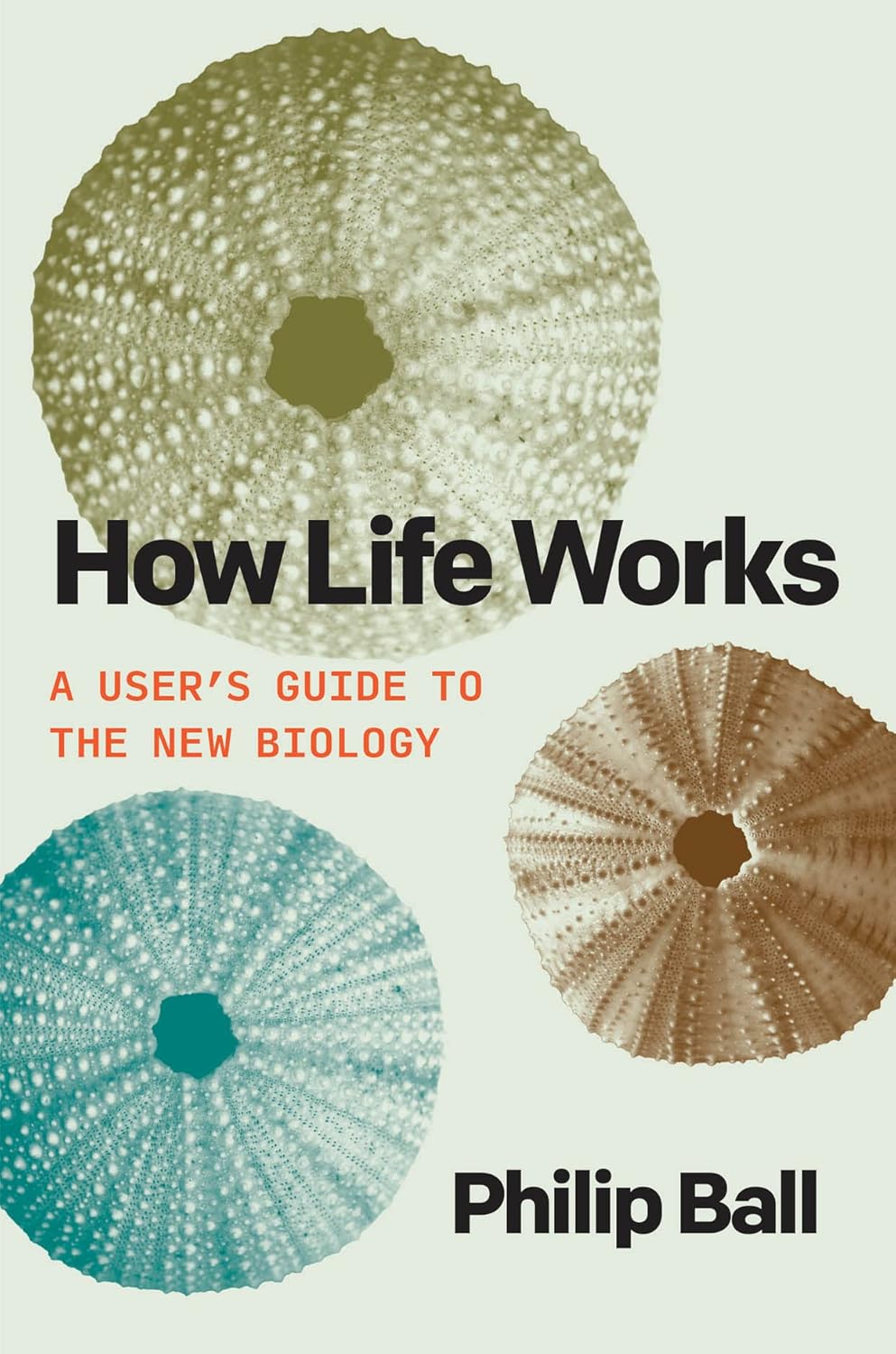
How Life Works

How Life Works

Philip Ball

Modern cell biology that also pushes past a pure gene-centric story

Read Review
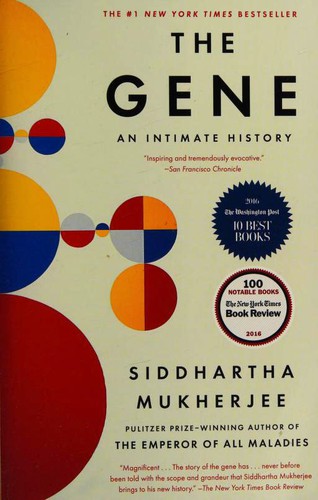
The Gene

The Gene

Siddhartha Mukherjee

Human-scale genetics history — pair with Lane's metabolism-first counterweight

Read Review
On the Origin of Species

On the Origin of Species

Charles Darwin

Evolution's foundation; Transformer adds the chemical engine selection acts on

Read Review

💬 Reader Thoughts

Email is required for anti-spam but can be fake if you prefer privacy.

Loading comments...