




← Back to Gallery
0 / 16
0:00 / 6:52
The Vital Question

The Vital Question

Book Review

The Childlike Question

The Childlike Question

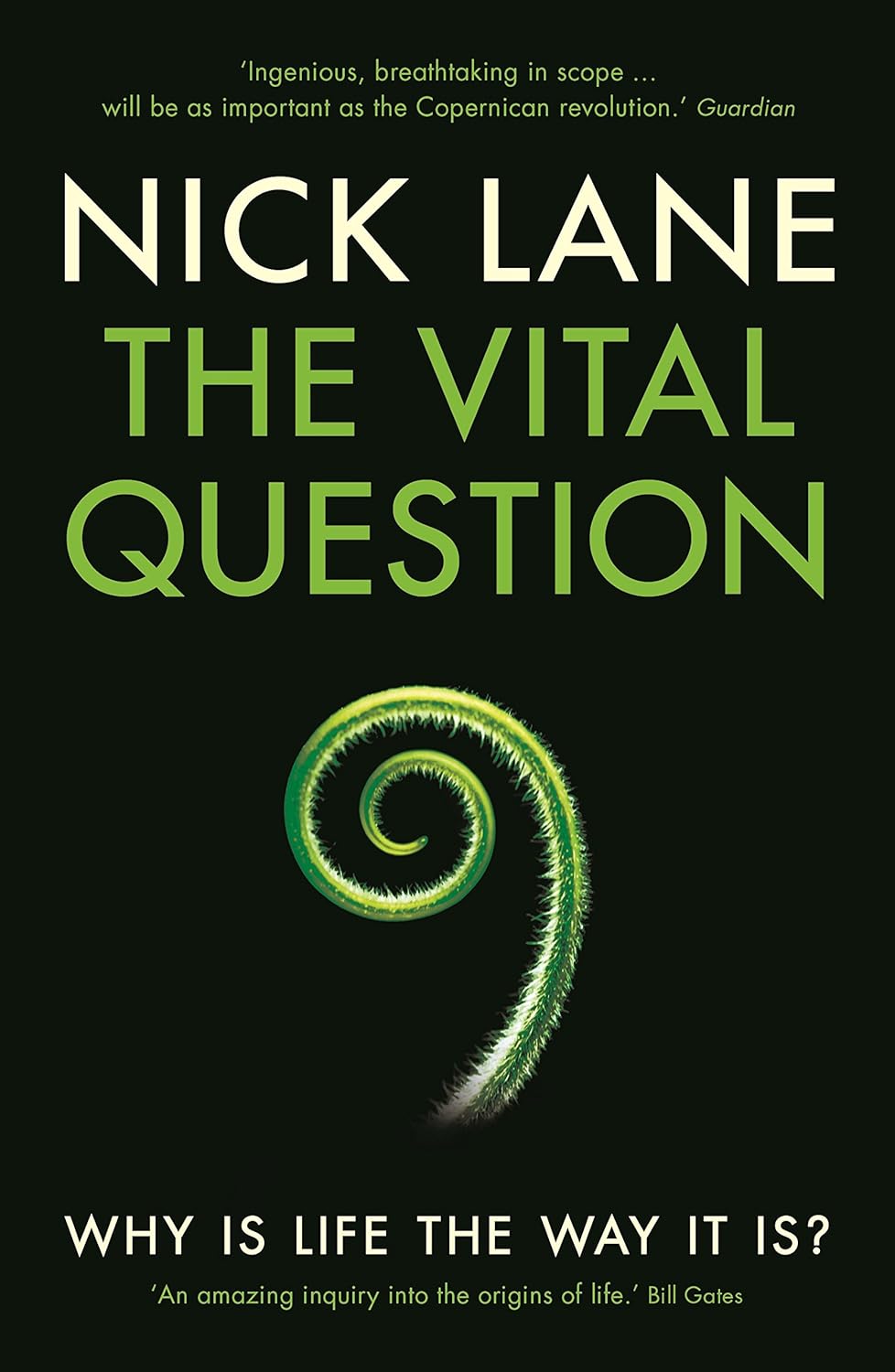
Hey everyone! Ian here! Welcome to our book review. Today we're tackling a book that asks the most childlike question in all of biology — and then answers it with hard chemistry. The book is The Vital Question by Nick Lane, published in 2015. Why is life the way it is? Not just how evolution works once you already have cells, but why cells look and power themselves the way they do at all.

Meet Nick Lane

Nick Lane is a biochemist at University College London who works on evolutionary biochemistry and bioenergetics — the deep link between energy and the origin of life. He's written several books that sit right at the intersection of chemistry and biology, and this is the one that made Bill Gates say a biology book blew him away. Critics at The Guardian, New Scientist, and The Telegraph called it game-changing, powerful, and brilliantly expansive. Fair warning: some of it is technical. That's the point.

Meet Nick Lane
Hard Chemistry Required

Hard Chemistry Required

Lane refuses to sand off the chemistry just to make the story smoother.

Complexity Evolved Once

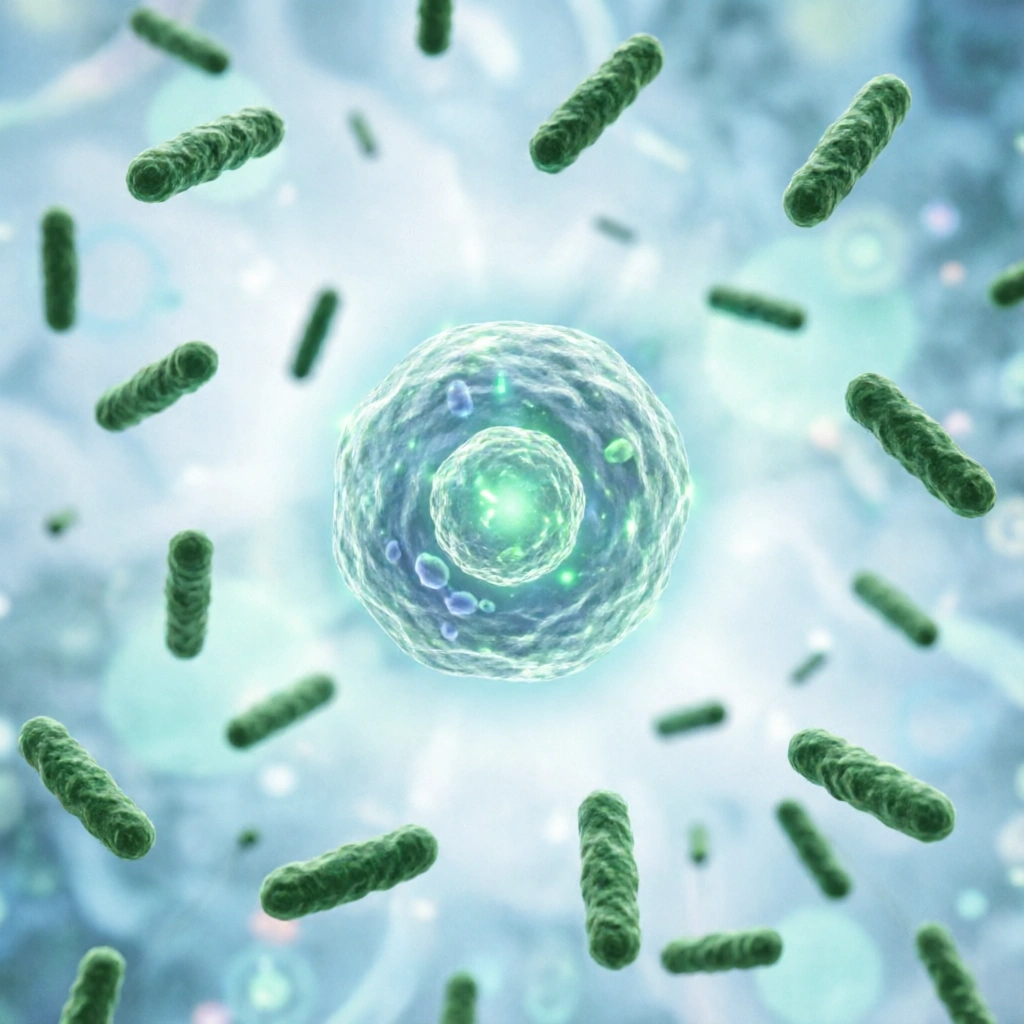
Here's the black hole he opens with. All complex life on Earth — plants, animals, fungi, seaweed, amoebae — descends from one common ancestor that already looked astonishingly modern. Bacteria, by contrast, stayed morphologically simple for about four billion years. Complex cells appeared once. Just once. And when they did, they brought a whole package of traits we take for granted: nuclei, organelles, sex, programmed cell death, even aging. Why did complexity wait so long, and why did it only happen a single time?

Complexity Evolved Once
Energy Not Genes

Energy Not Genes

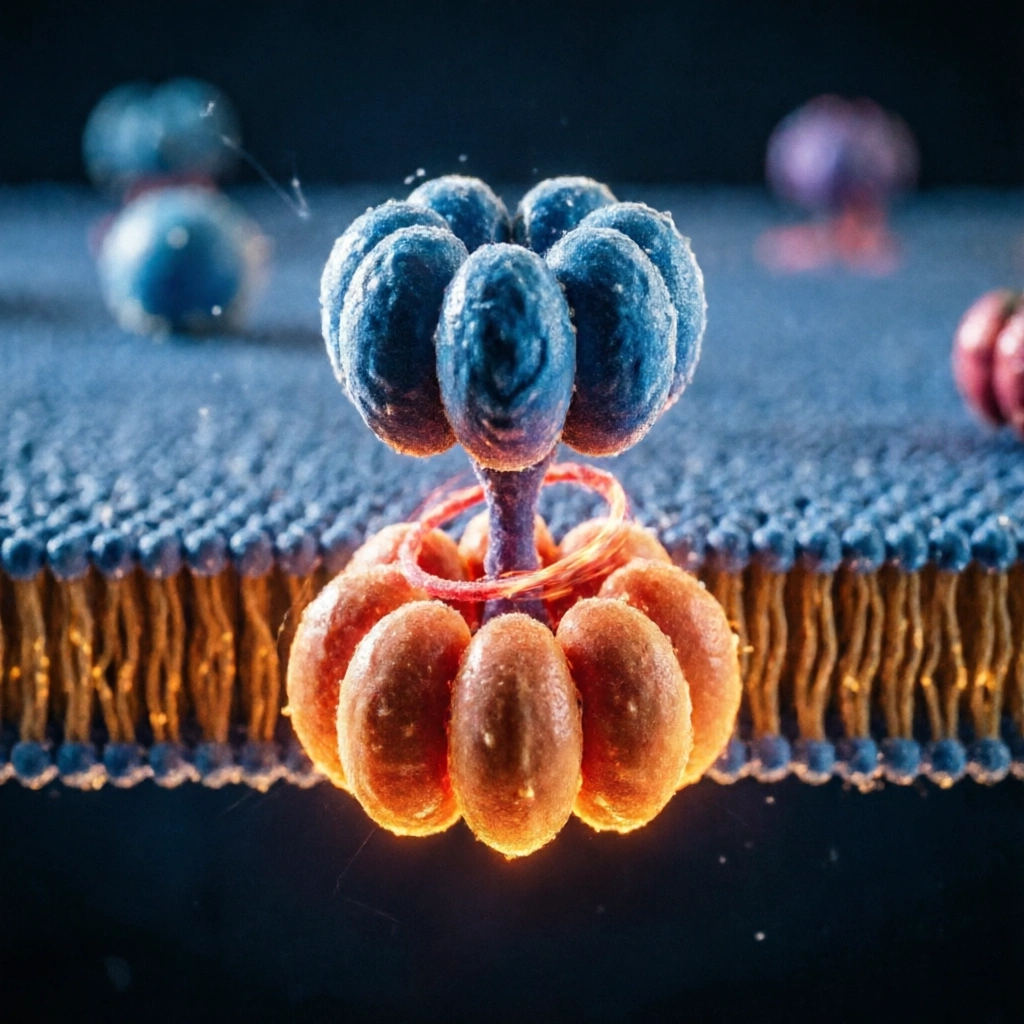
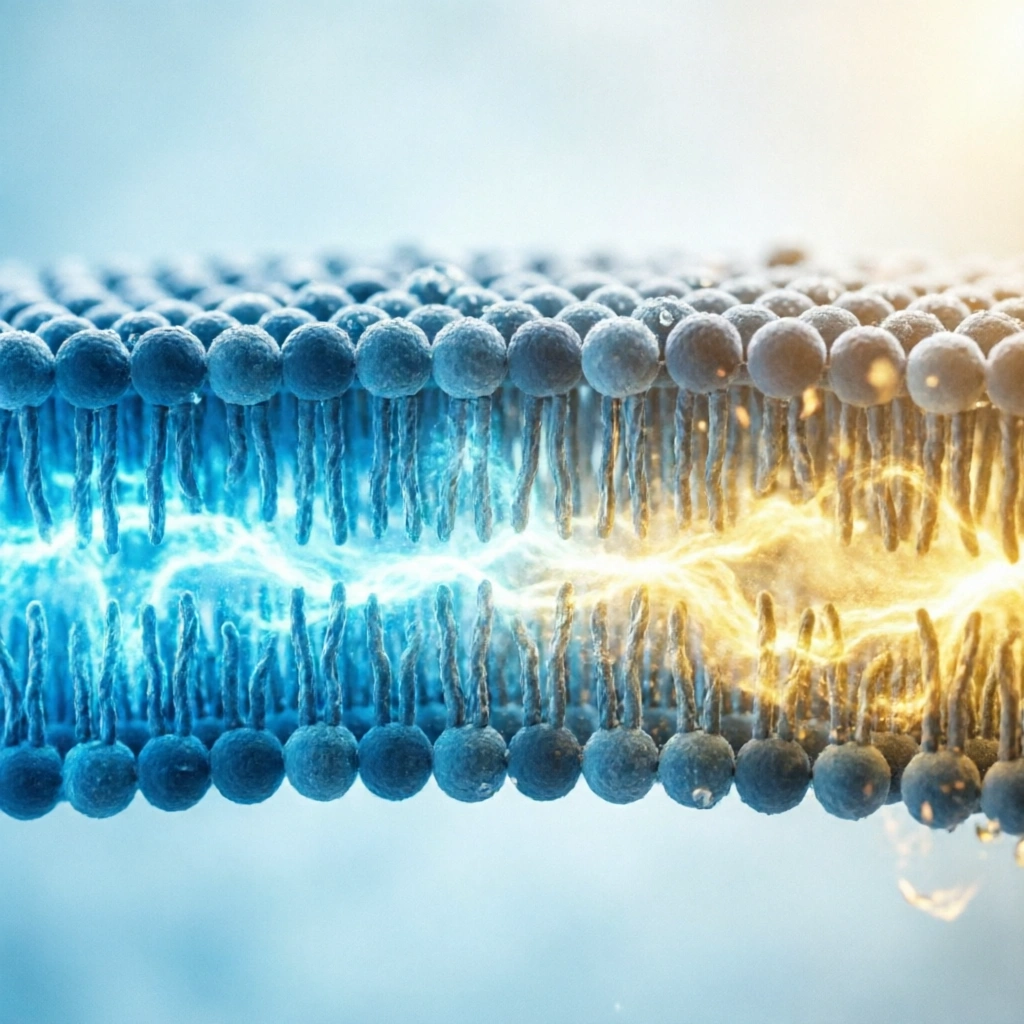
Lane's answer starts with energy, not genes. Full spoilers ahead on the argument — this is a review, not a trailer. Every living cell on Earth powers itself the same bizarre way: by pumping protons across a membrane and letting them flow back through a rotary enzyme called ATP synthase. Peter Mitchell's chemiosmotic idea was so counterintuitive it took decades to stick. Per gram, that membrane power is thousands of times denser than the Sun. And every branch of life still uses it. That conservation is a massive clue about how life began.

Alkaline Hydrothermal Vents

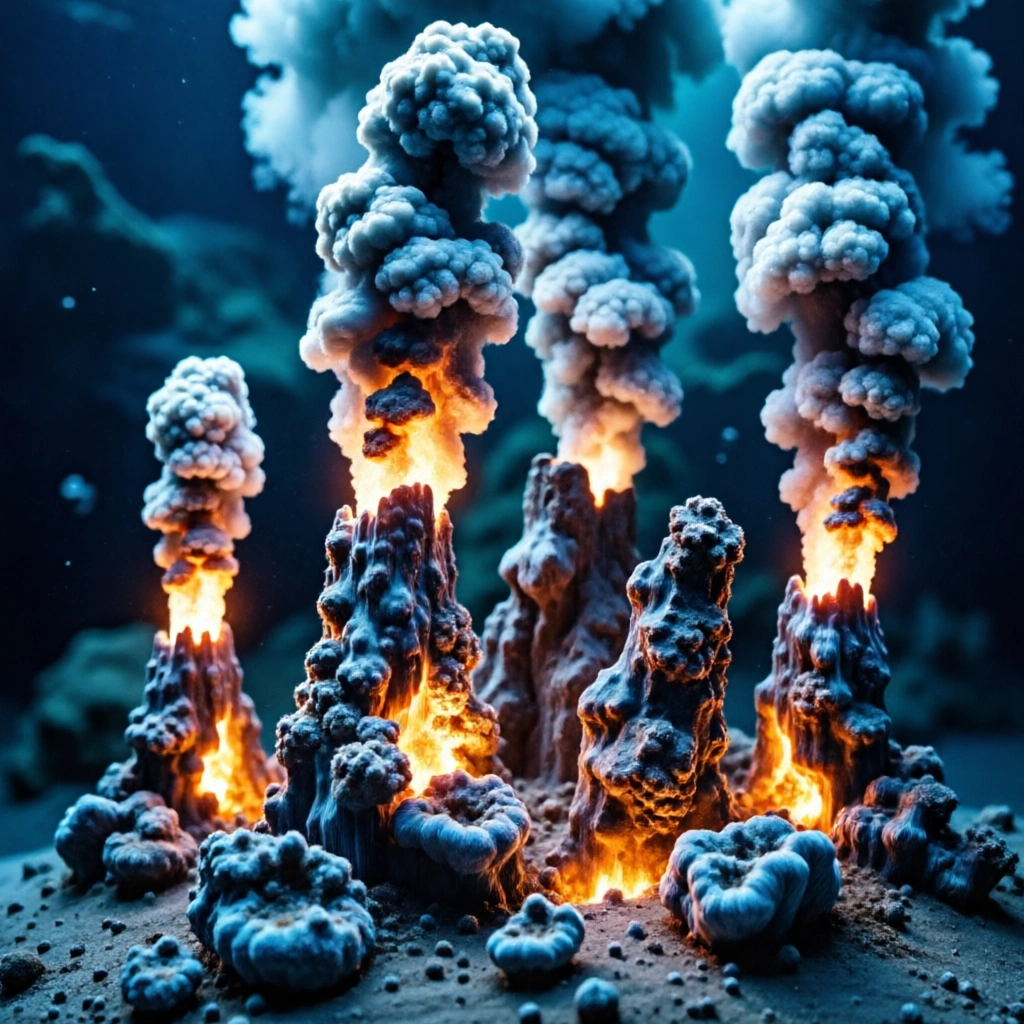
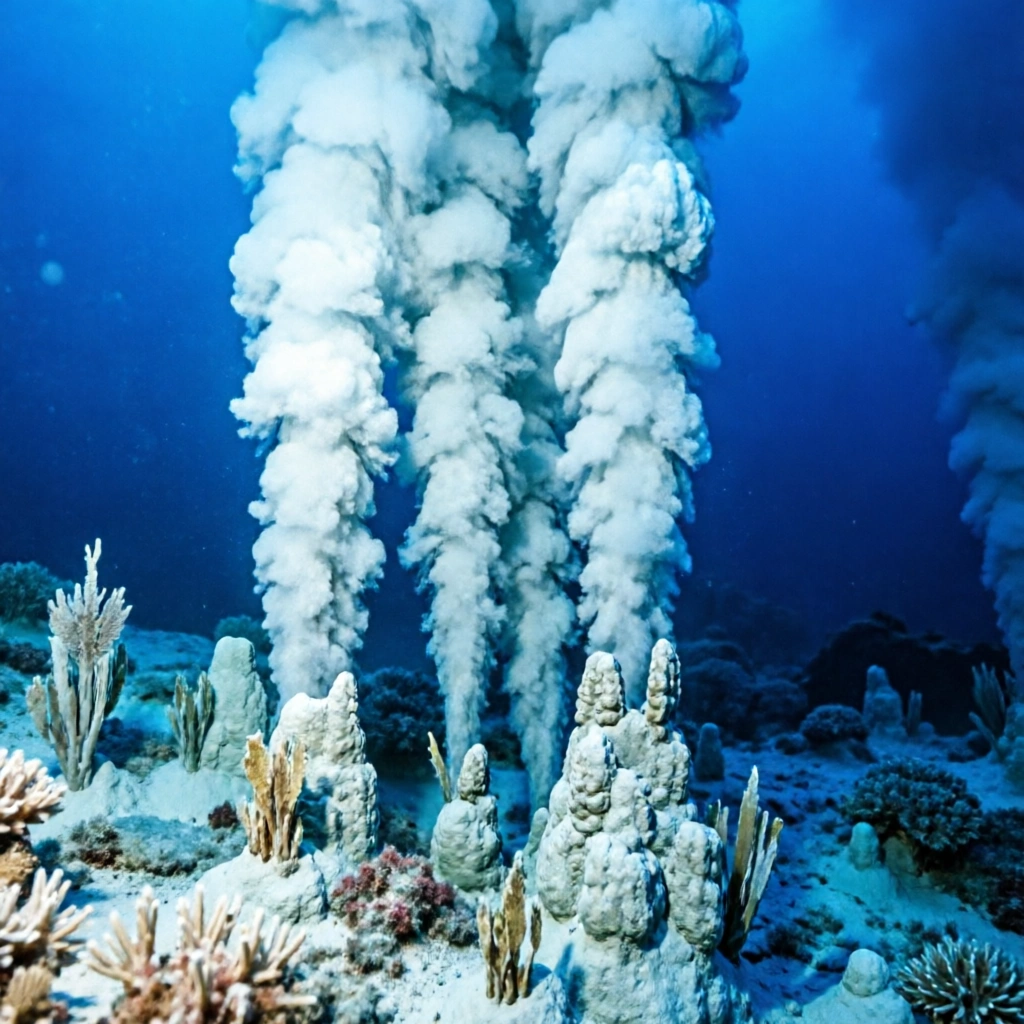
Lane argues that this setup could not have arisen in Darwin's warm little pond or the open ocean. You need a continuous flow of reactive carbon and chemical energy across catalysts in a constrained through-flow system. Only hydrothermal vents supply those conditions, and only alkaline hydrothermal vents — the so-called white smokers — match the full bill. Their porous mineral walls naturally hold proton gradients between alkaline vent fluid and more acidic ocean water. Life didn't invent the battery. It inherited a geological one.

Alkaline Hydrothermal Vents
Geology Becomes Biology

Geology Becomes Biology

As Lane puts it, the distinction between a living planet and a living cell is only a matter of definition. Geochemistry gives rise seamlessly to biochemistry. "There's no hard and fast dividing line." Hydrogen-rich alkaline fluid meets carbon dioxide. Thin semiconducting walls concentrate organics. Natural proton gradients drive carbon and energy metabolism long before genes ever show up. Genes matter enormously — but energy constraints decide what genes can do.

Two Billion Year Stall

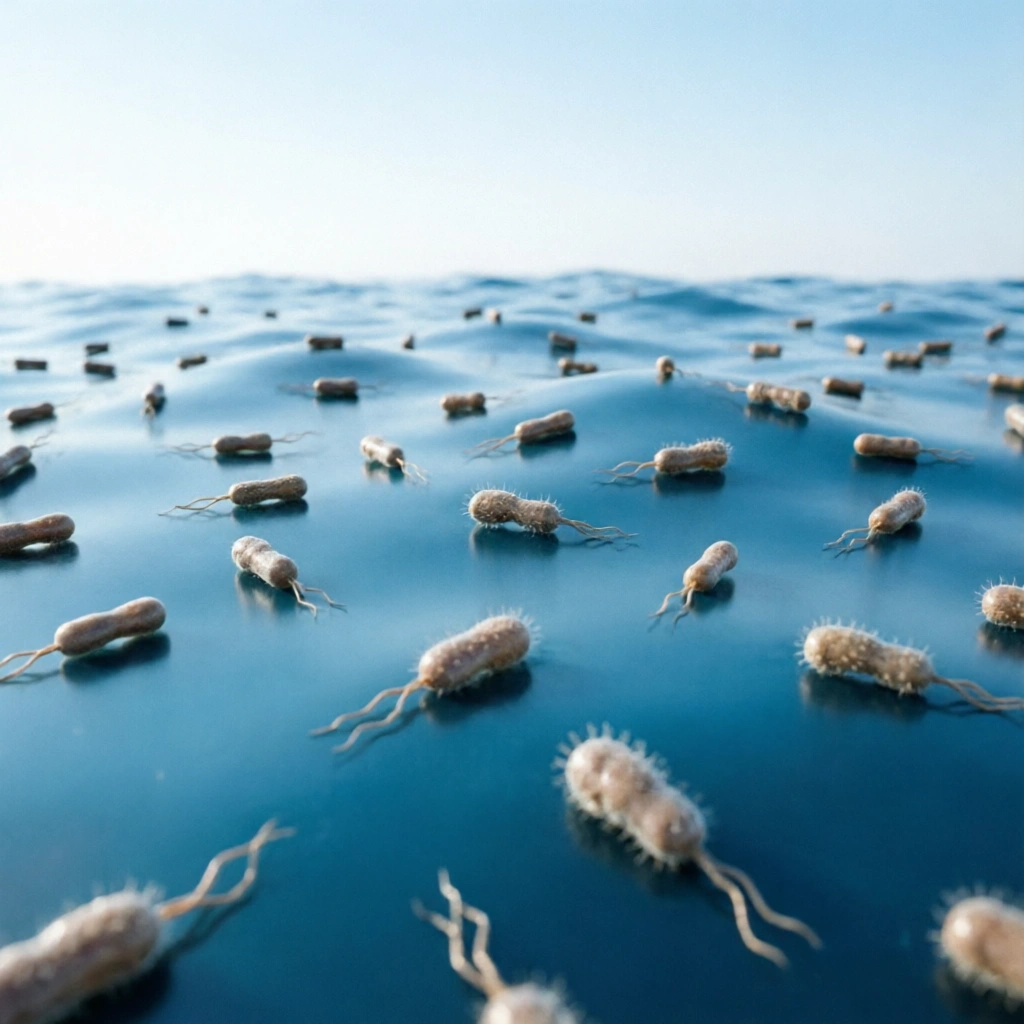
Then comes the long stall. Once bacteria and archaea exist, they are metabolic virtuosos, yet they remain small. Lane's claim is structural: a cell that has to power its entire surface from a single genome hits an energy-per-gene ceiling. Prokaryotes can diversify chemistry forever and still stay simple in form. For roughly two and a half billion years, that's exactly what happened.

Two Billion Year Stall
Mitochondria Unlock Complexity

Mitochondria Unlock Complexity

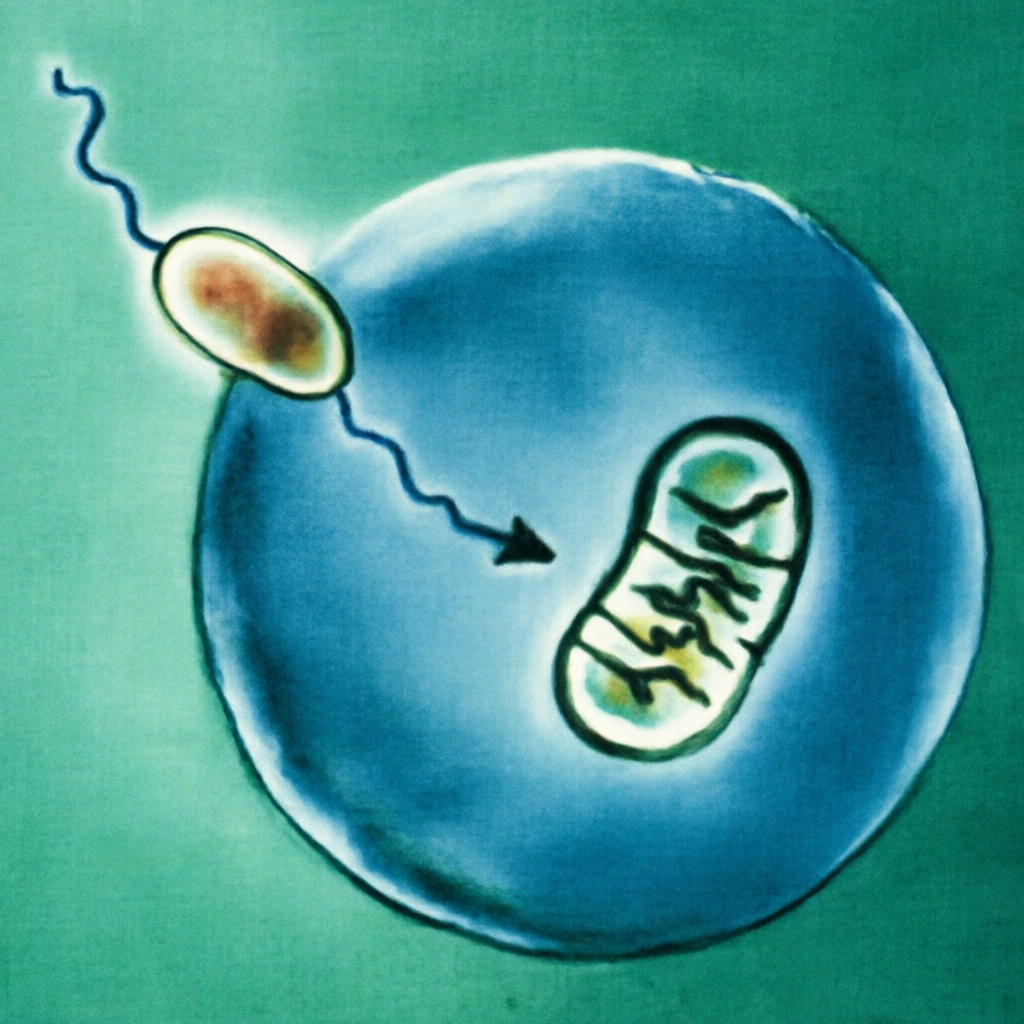
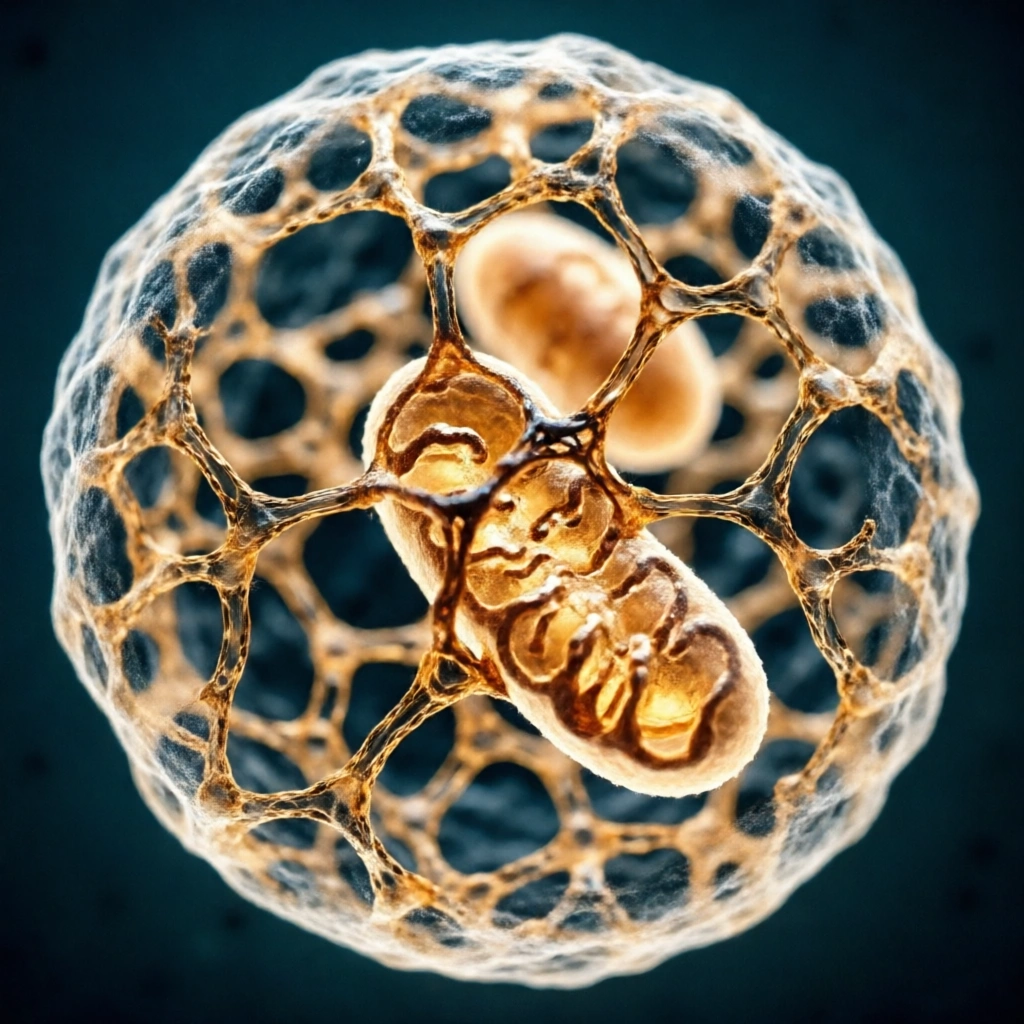
The breakout is endosymbiosis. One bacterium gets inside an archaeal host. That singular merger becomes the mitochondrion. Suddenly the host cell has internal power stations with their own genomes, multiplying membrane surface area without forcing every gene to scale with cell volume. That unlock — not a slow climb of ordinary selection alone — is why eukaryotes exploded in complexity. As Lane notes, at the level of their biochemistry the barrier between bacteria and complex cells barely exists; the real barrier is energetic architecture.

Sex Aging Free Radicals

From there the book traces why so many odd eukaryotic traits travel together. Sex, two sexes, aging, the peculiar risks of free radicals from respiration — Lane ties them back to mitochondrial genes living in an uneasy partnership with the nucleus. Your body holds on the order of forty trillion cells and at least a quadrillion mitochondria. Their combined membrane area is about four football fields, pumping nearly as many protons every second as there are stars in the known universe.

Sex Aging Free Radicals
Life Is Delayed Burning

Life Is Delayed Burning

Respiration and burning are equivalent; the slight delay in the middle is what we know as life.

Lines That Stick

A few lines that stick. "One begins to wonder if all the most interesting problems in physics are now in biology." "Only hydrothermal vents provide the requisite conditions, and only a subset of vents — alkaline hydrothermal vents — match all the conditions needed." And the cosmic bet: it's no mystery that all cells here are chemiosmotic; cells across the universe should be chemiosmotic too. Energy constrained evolution on Earth, and the same forces ought to apply wherever life exists.

Lines That Stick
Honest About Speculation

Honest About Speculation

Does he prove every step? No — and the best reviews say so. The New York Times called the book seductive and often convincing, while noting that speculation sometimes outruns evidence. That's honest. Lane offers a tightly interlocking theory with testable predictions, not a closed case file. For readers raised on gene-first stories — Darwin, Dawkins, the modern synthesis — this is the missing bridge into modern cell bioenergetics. It doesn't replace natural selection. It explains why selection had the raw materials and limits it did.

Who Should Read This

Who is this for? Anyone who loved On the Origin of Species or The Selfish Gene and still felt a hole where "how did cells get energy?" should be. Ideal readers are curious non-specialists willing to slow down for membrane potential and ATP synthase, plus scientists who want the origin-of-life debate framed as engineering under physical constraint. If you want pure narrative biography, look elsewhere. If you want the epic from alkaline vents to mitochondria to you, this is it.

Who Should Read This
Why It Matters Here

Why It Matters Here

I care about this book because I work in molecular biology, where it's easy to treat membranes, proton gradients, and mitochondria as textbook scenery. Lane makes them the plot. Once you see life as a continuous negotiation with energy flux, a lot of otherwise weird biology stops looking optional. If you've ever stared at a cell and thought, why this design and not another, read The Vital Question. It's demanding, ambitious, and worth every page. Thanks for watching, and happy reading!

📚 You Might Also Like
How Life Works

How Life Works

Philip Ball

Modern cell biology that reframes life beyond the gene-centric view

Read Review
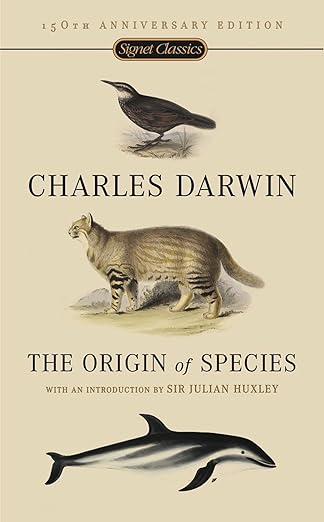
On the Origin of Species

On the Origin of Species

Charles Darwin

The evolutionary foundation Lane extends with energy and bioenergetics

Read Review
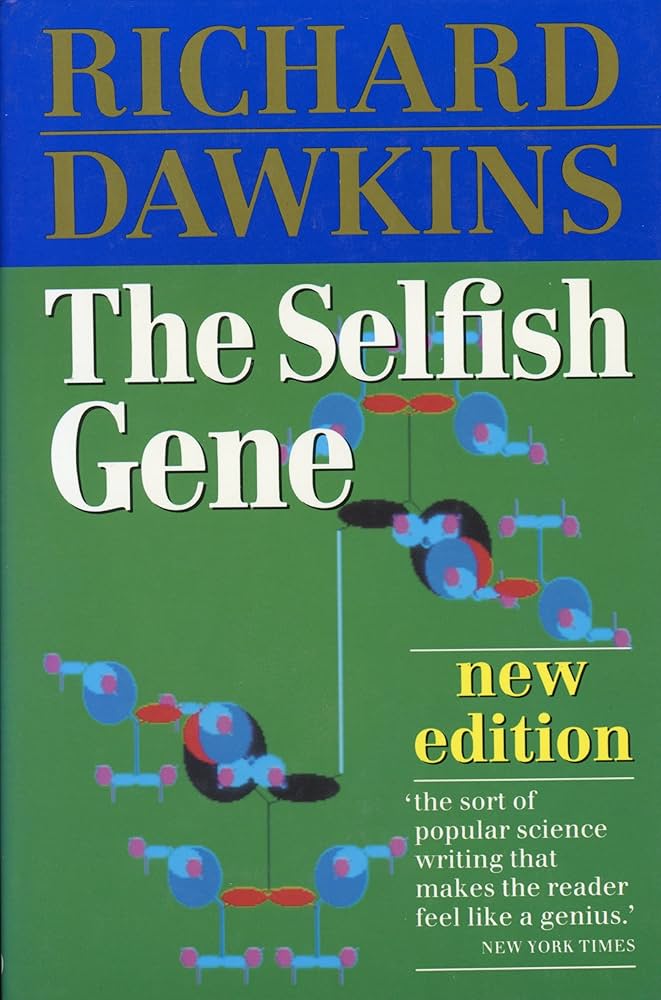
The Selfish Gene

The Selfish Gene

Richard Dawkins

Gene-first classic that The Vital Question answers with membrane energy constraints

Read Review
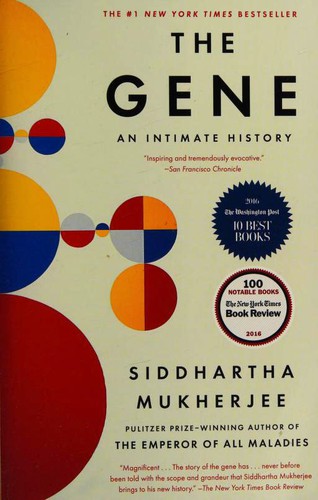
The Gene

The Gene

Siddhartha Mukherjee

Human-scale history of genetics paired with Lane's deep energy story

Read Review

💬 Reader Thoughts

Email is required for anti-spam but can be fake if you prefer privacy.

Loading comments...