







← Back to Gallery
0 / 20
0:00 / 7:05
The Gene

The Gene

Book Review

An Intimate History

An Intimate History

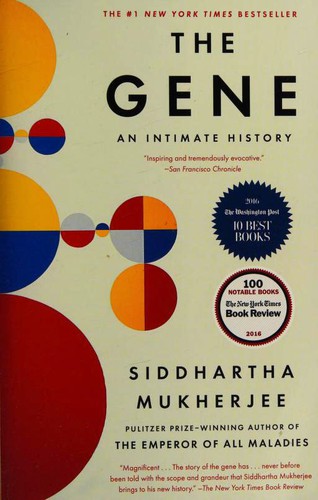
Hey everyone! Ian here! Welcome to our book review of The Gene: An Intimate History, by Siddhartha Mukherjee. If The Emperor of All Maladies, his previous book, was a biography of cancer, this one is even more ambitious — it's a biography of the gene itself. Six hundred pages tracing one idea from a monk in a Moravian garden to a CRISPR experiment that can edit the human germline. And Mukherjee, who is a practicing oncologist at Columbia, weaves his own family's story of mental illness into the science the entire way through.

Why This Book Matters

This is one of the great science books of the last decade. Let's get into it.

Why This Book Matters
Meet The Author

Meet The Author

A quick word on the author. Siddhartha Mukherjee won the Pulitzer Prize in 2011 for The Emperor of All Maladies, which is the book that really established him as the best living writer in the popular science space, the heir to Stephen Jay Gould and Oliver Sacks. He grew up in New Delhi, trained as a Rhodes Scholar at Oxford, did medical school at Harvard, and now treats patients while writing these enormous, deeply researched, deeply human books. The Gene came out in 2016 from Scribner.

Pulitzer Finalist Bestseller

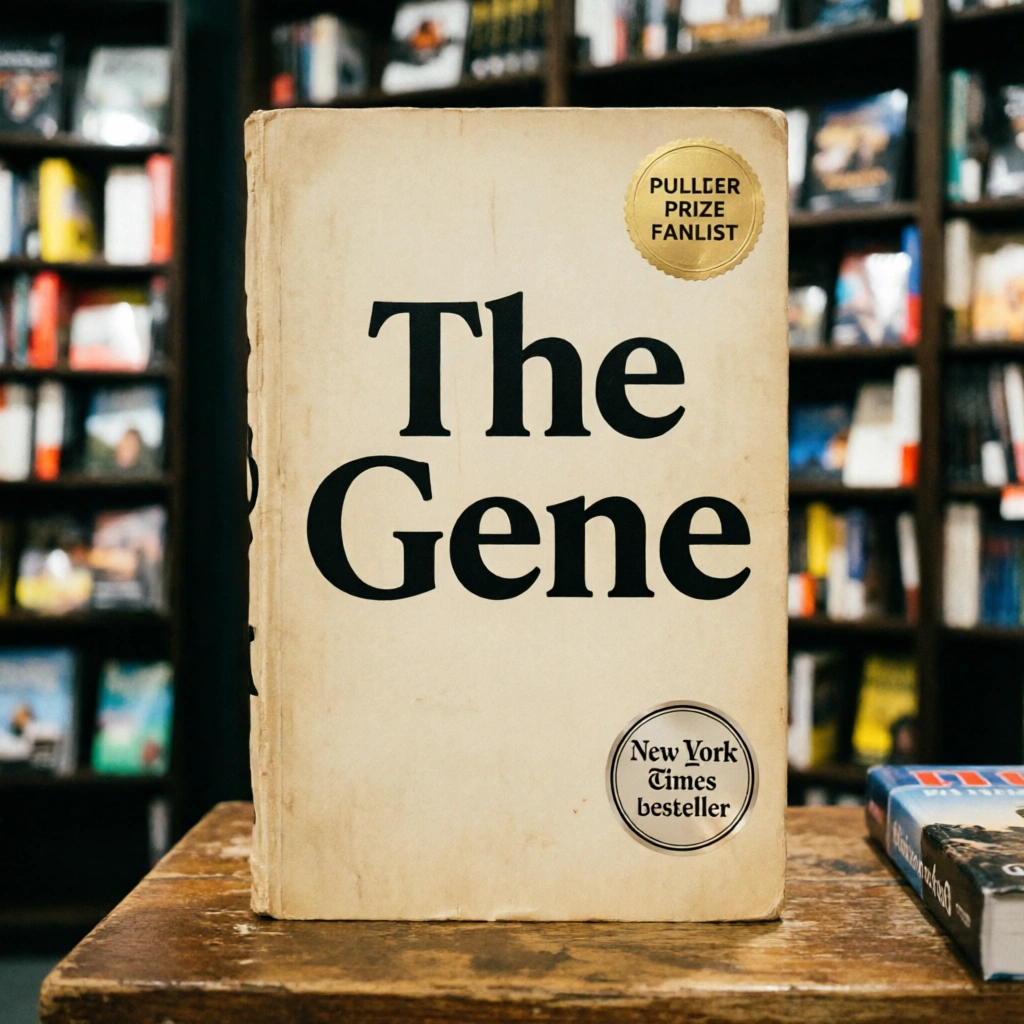
It was a Pulitzer finalist, a New York Times bestseller, and Time Magazine put it on its list of the hundred best nonfiction books of all time. There is a reason for the hype.

Pulitzer Finalist Bestseller
Mendel In The Garden

Mendel In The Garden

Here's the architecture of the book. It's organized chronologically, and it covers about 150 years of genetic science, in six big movements. Part One is the discovery of heredity itself — Mendel in the monastery garden in the 1850s and 60s, crossing his peas, working out the math of dominant and recessive traits, then publishing his work in 1866 to almost complete silence. He died not knowing he'd changed the world.

Founding Biology By Accident

Mukherjee tells this story with real tenderness — a quiet, fat, devout Augustinian friar, counting wrinkled peas, founding modern biology by accident.

Founding Biology By Accident
The Dark Eugenics Era

The Dark Eugenics Era

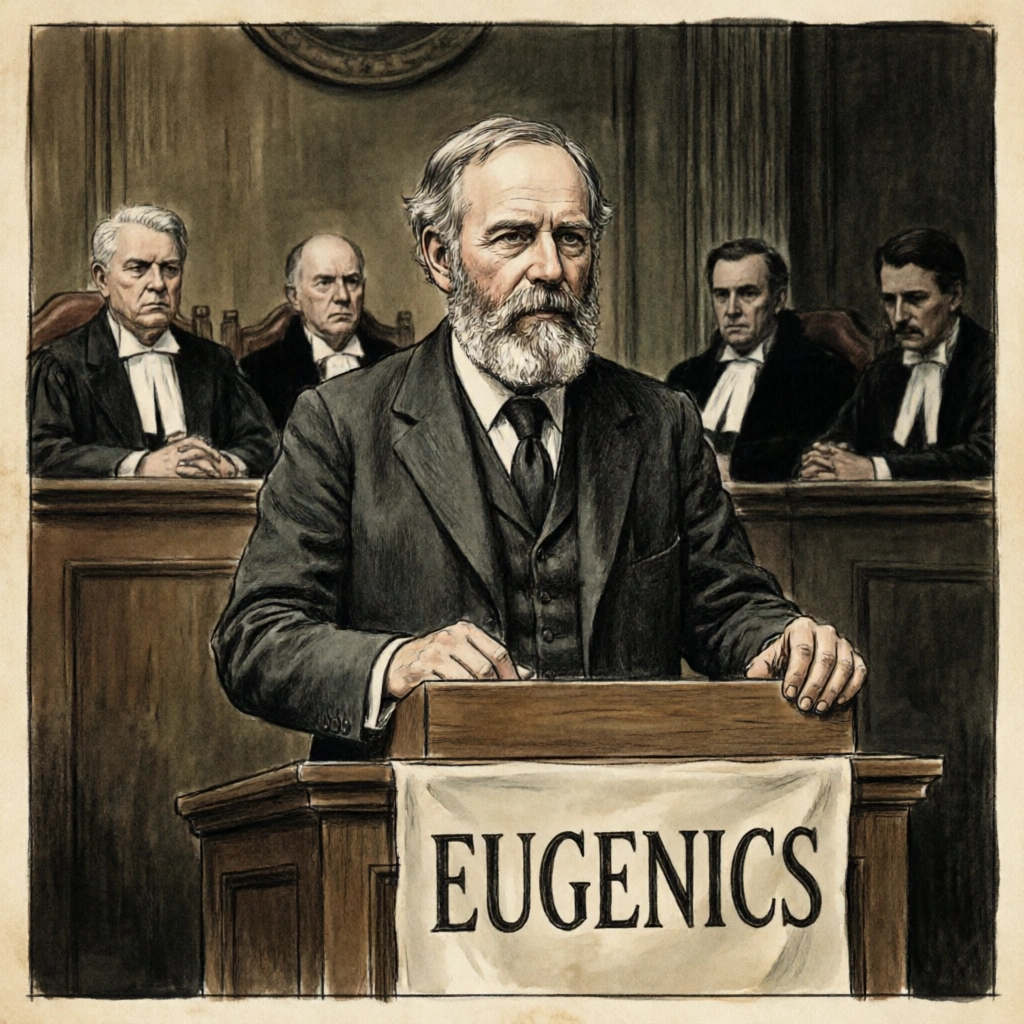
Part Two is the dark middle. Mukherjee does not flinch from the eugenics era. He walks the reader through Francis Galton coining the word eugenics in 1883, through Charles Davenport's American eugenics movement at Cold Spring Harbor, through the forced sterilization laws upheld by the Supreme Court in Buck versus Bell in 1927 — the case where Oliver Wendell Holmes wrote the chilling line, three generations of imbeciles are enough. And then he traces how directly the American eugenicists inspired Nazi race science. This is essential reading.

Genetics Has Body Count

Genetics has a body count, and Mukherjee insists on that.

Genetics Has Body Count
DNA And The Code

DNA And The Code

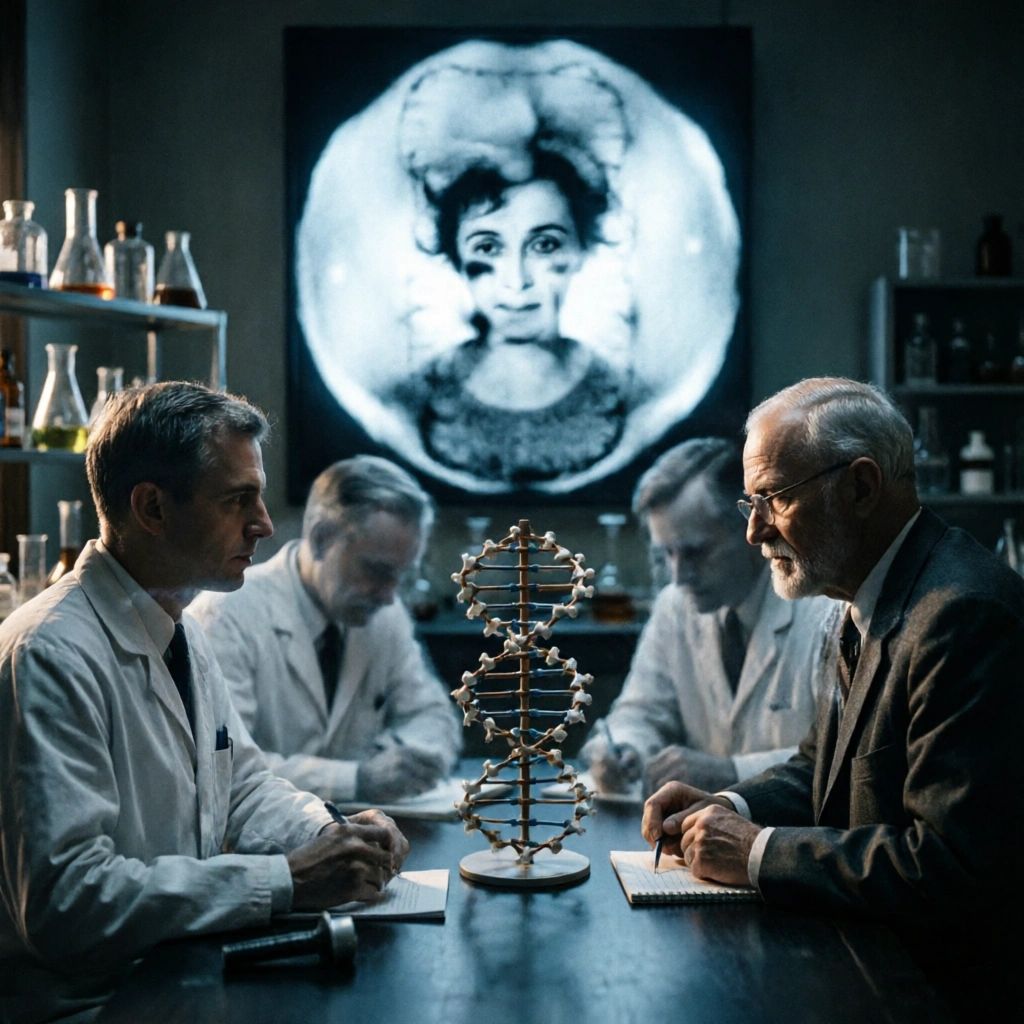
Part Three is the molecular revolution. The discovery of DNA's structure by Watson, Crick, Franklin, and Wilkins in 1953. The cracking of the genetic code in the 1960s. The invention of recombinant DNA by Boyer and Cohen in 1973, which essentially launches biotechnology. Mukherjee has a gift for explaining hard biochemistry — the central dogma, transcription, translation, restriction enzymes — using simple, almost cinematic scenes. You finish a chapter understanding what a polymerase actually does.

The Human Genome Race

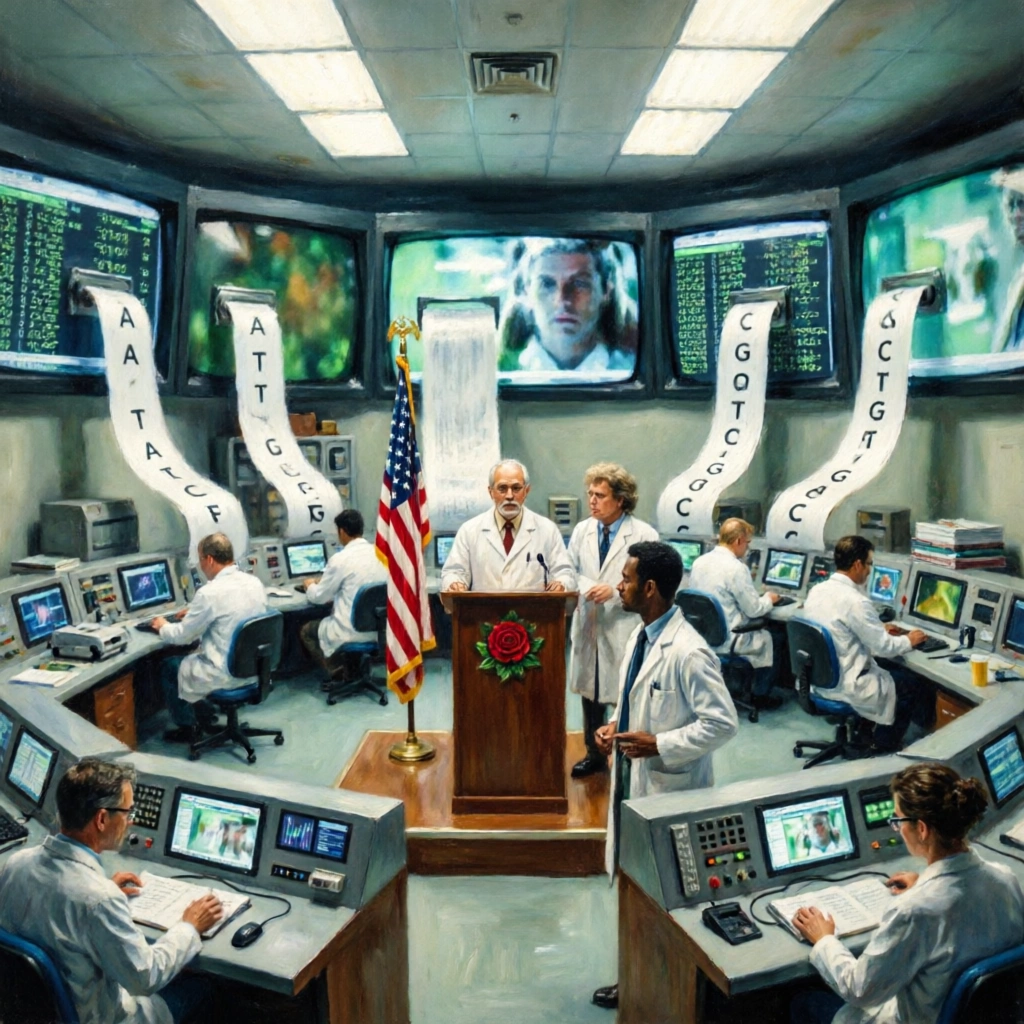
Part Four is the Human Genome Project. The thirteen-year race to sequence all three billion base pairs of human DNA, the public consortium versus Craig Venter's Celera, the awkward Rose Garden press conference with Bill Clinton in 2000 where everyone declared a tie. And then the morning after, when scientists realized the genome had only about twenty thousand protein-coding genes — far fewer than expected — and the real complexity was in regulation, not parts count. The book becomes more philosophical here. What is a gene, exactly?

The Human Genome Race
What Is A Gene

What Is A Gene

Is it a unit of inheritance? A stretch of DNA? An idea?

The Personal Turn

Part Five is the personal turn. Mukherjee weaves in the story of his family's history of mental illness — schizophrenia in two of his uncles and a cousin in India — and uses it to ask one of the central questions of modern genetics: how much of who we are is written in our DNA, and how much is environment, accident, chance? He's not interested in cheap answers. He shows the heritability studies, the twin studies, the GWAS data, and he keeps coming back to humility. We know more than ever, and we still know almost nothing about how identity emerges.

The Personal Turn
CRISPR And Editable Embryos

CRISPR And Editable Embryos

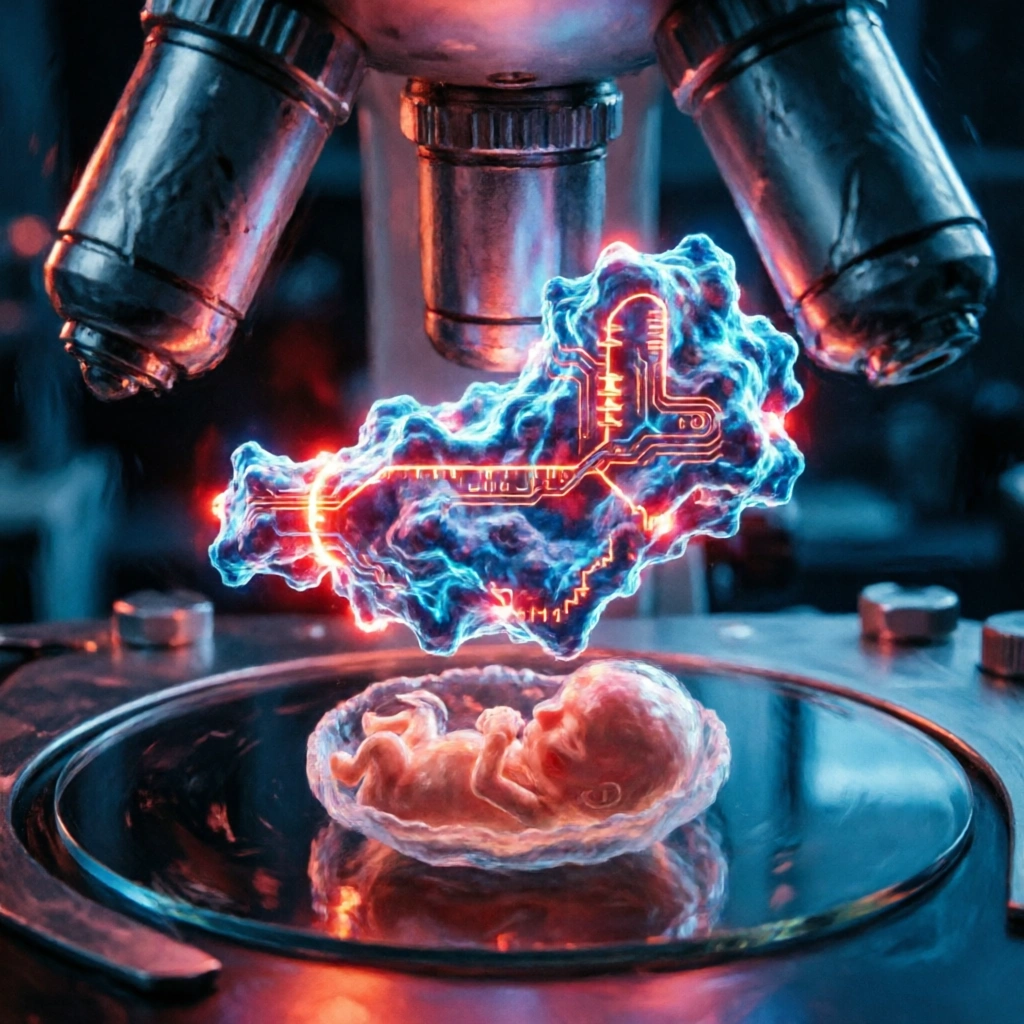
Part Six is the future, which has now mostly arrived. Gene therapy. Preimplantation genetic diagnosis. And then, the bomb that drops near the end of the book, CRISPR-Cas9. Mukherjee was writing this just as Jennifer Doudna and Emmanuelle Charpentier's 2012 paper was rewriting the field. He walks the reader through the moral weight of editable embryos — what he calls a Faustian bargain — years before He Jiankui's gene-edited babies actually happened in 2018. The book is prophetic.

Prophecy Becomes Reality

Reading it today, with CRISPR therapies now FDA-approved for sickle cell disease, you can feel Mukherjee anticipating the moment.

Prophecy Becomes Reality
Five Big Themes

Five Big Themes

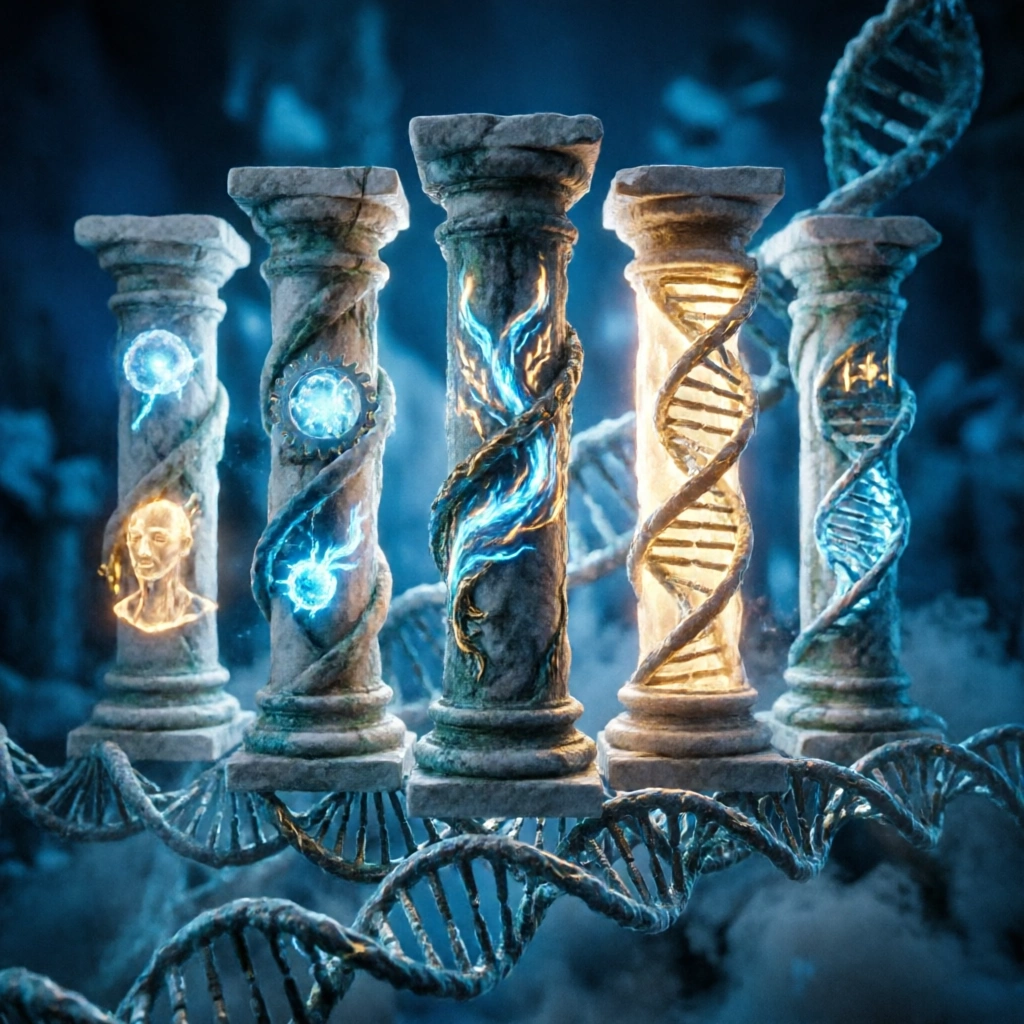
Let me pull out the big themes. First, genes are stories — not just code, but narrative units passed across generations, shaping bodies and minds. Second, the same tool that cures sickle cell can be used to redesign the species, and the line between treatment and enhancement is impossibly thin. Third, identity is genetic and environmental and stochastic — DNA loads the gun, environment pulls the trigger, and chance aims it. Fourth, the science of heredity has a moral history. Eugenics is not over. It just changes vocabulary.

Genome As Symphony

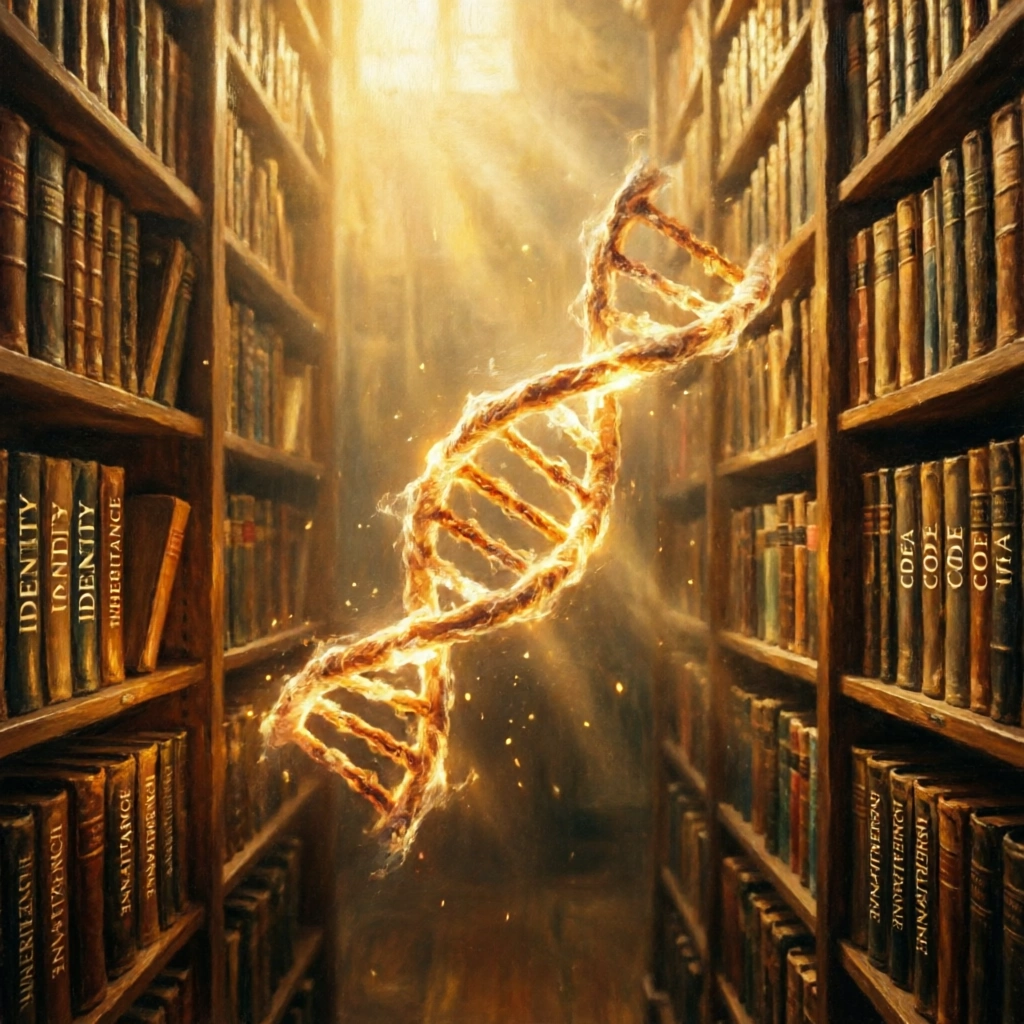
Fifth, the gene is the unit, but the genome is the symphony. Reductionism only takes you so far. Mukherjee writes some genuinely beautiful sentences. He calls genetics a powerful and dangerous science — the most powerful idea in the history of biology. He writes that the genome is an organic, fluid, dynamic library of inheritance, but it is also a relentless ledger of identity. The book is studded with these moments where the prose lifts and you remember why people read popular science in the first place.

Genome As Symphony
Why I Read It

Why I Read It

I picked this up because I work in molecular biology and I wanted a book that was actually deep enough to teach me something while still being readable. The Gene delivered on both counts. I had to keep stopping to look things up. It expanded what I thought I knew. And I came away genuinely worried, but also genuinely hopeful, about where we're going with this technology.

Why You Should Read It

Why does this book deserve your time? Because gene editing is here. CRISPR therapies are in clinics. Direct-to-consumer DNA testing is in millions of homes. Embryo selection is real. Polygenic scores for IQ exist. None of this conversation makes sense without understanding how we got here, what the technology actually does, and what we did the last time humans tried to engineer the species. The Gene is the single best book to give you that grounding.

Why You Should Read It
The One Book

The One Book

Whether you're a scientist, a policymaker, a parent, or just someone trying to make sense of the headlines, this is the one. Thanks for watching, and happy reading!

📚 You Might Also Like
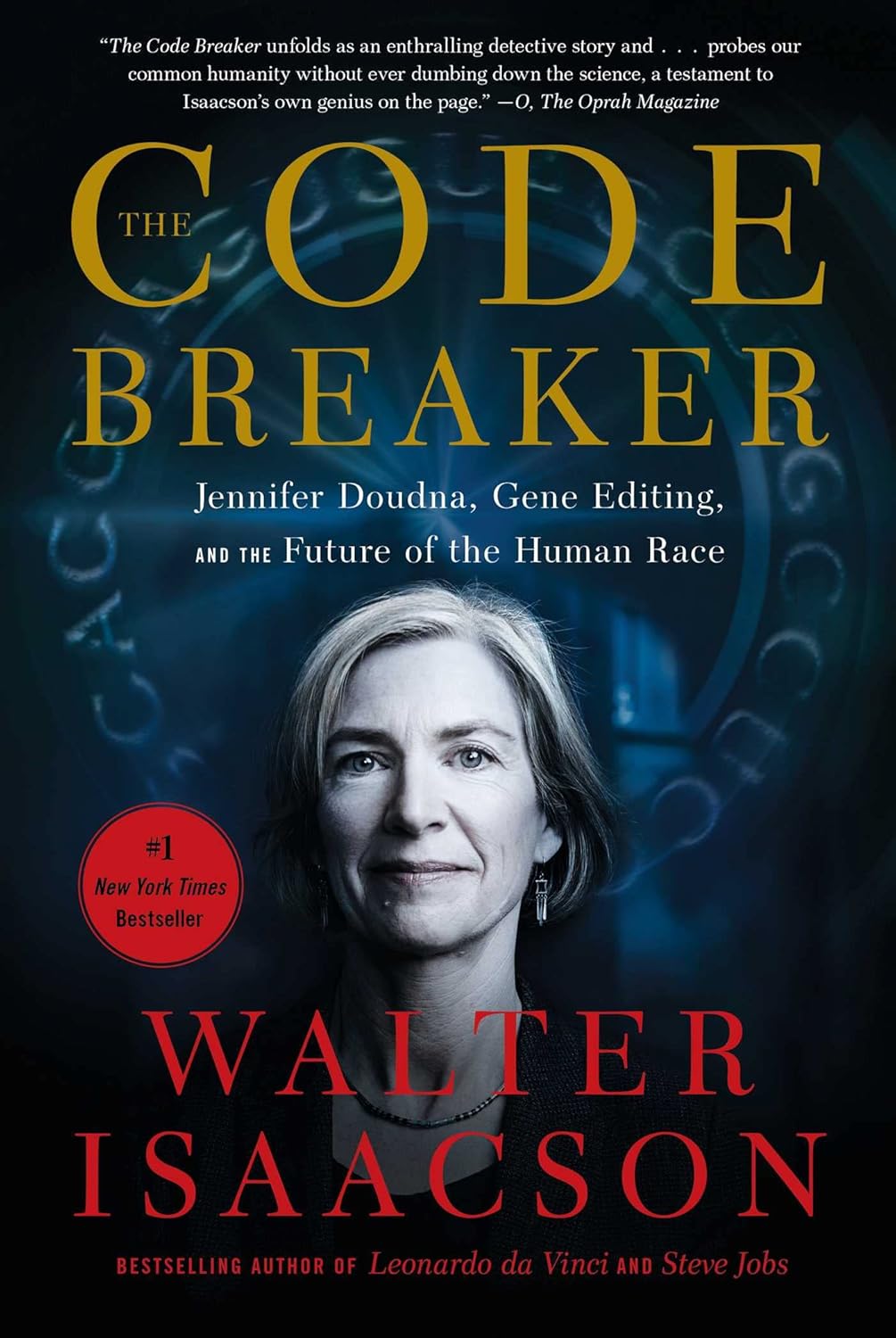
The Code Breaker

The Code Breaker

Walter Isaacson

Jennifer Doudna, CRISPR, and the gene-editing revolution that Mukherjee anticipated

Read Review
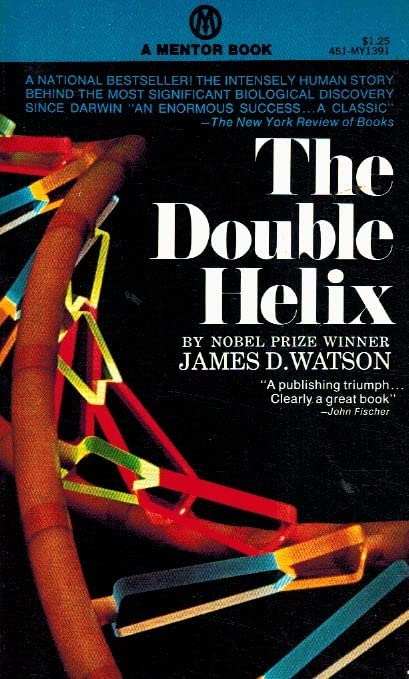
The Double Helix

The Double Helix

James Watson

The 1953 DNA discovery told from the inside, with all its messy human politics

Read Review
The Immortal Life of Henrietta Lacks

The Immortal Life of Henrietta Lacks

Rebecca Skloot

The ethics of human genetic material and who owns the cells we share

Read Review
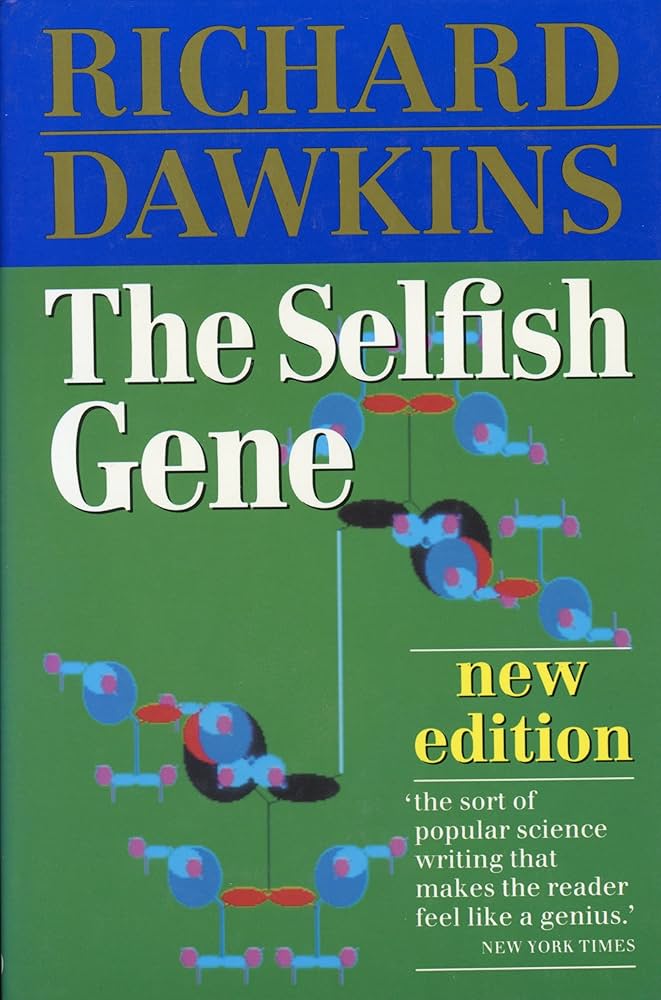
The Selfish Gene

The Selfish Gene

Richard Dawkins

A complementary view: the gene as the fundamental unit of evolution

Read Review

💬 Reader Thoughts

Email is required for anti-spam but can be fake if you prefer privacy.

Loading comments...