










← Back to Gallery
0 / 16
0:00 / 3:21
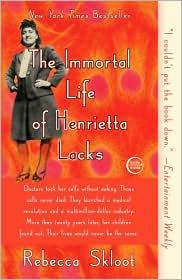
The Immortal Life Of Henrietta Lacks

The Immortal Life Of Henrietta Lacks

Book Review

Introduction

Introduction

Hey everyone! Ian here! Welcome to our book review of what might be one of the most important and moving nonfiction books you'll ever read. This is the story of one woman whose cells changed the world, whose name science forgot while her cells lived on for decades, powering breakthrough after breakthrough in medicine. But here's the crazy part - her family didn't even know about it until decades after her death. And when they found out? That's when things got really complicated.

About The Author

Rebecca Skloot isn't just some academic writer who stumbled onto this story by accident. She spent more than a decade chasing Henrietta's ghost, first as a biology student whose teacher mentioned Henrietta without knowing anything more than her name, then as a determined journalist who refused to let this story be told without the cooperation of the very family who lived it. Her dedication shows in every perfectly researched page - this isn't just science writing, this is detective work wrapped in compelling narrative.

About The Author
Henrietta's Story

Henrietta's Story

Here's what happened: In 1951, Henrietta Lacks walked into Johns Hopkins Hospital with a painful knot on her cervix. At 30 years old, this mother of five was diagnosed with an aggressively strange cancer that her doctor had never seen before. Without her knowledge or consent, doctors took a tiny sample of her tumor. Two weeks later, Henrietta was dead. But her cells? They were immortal.

Immortal HeLa Cells

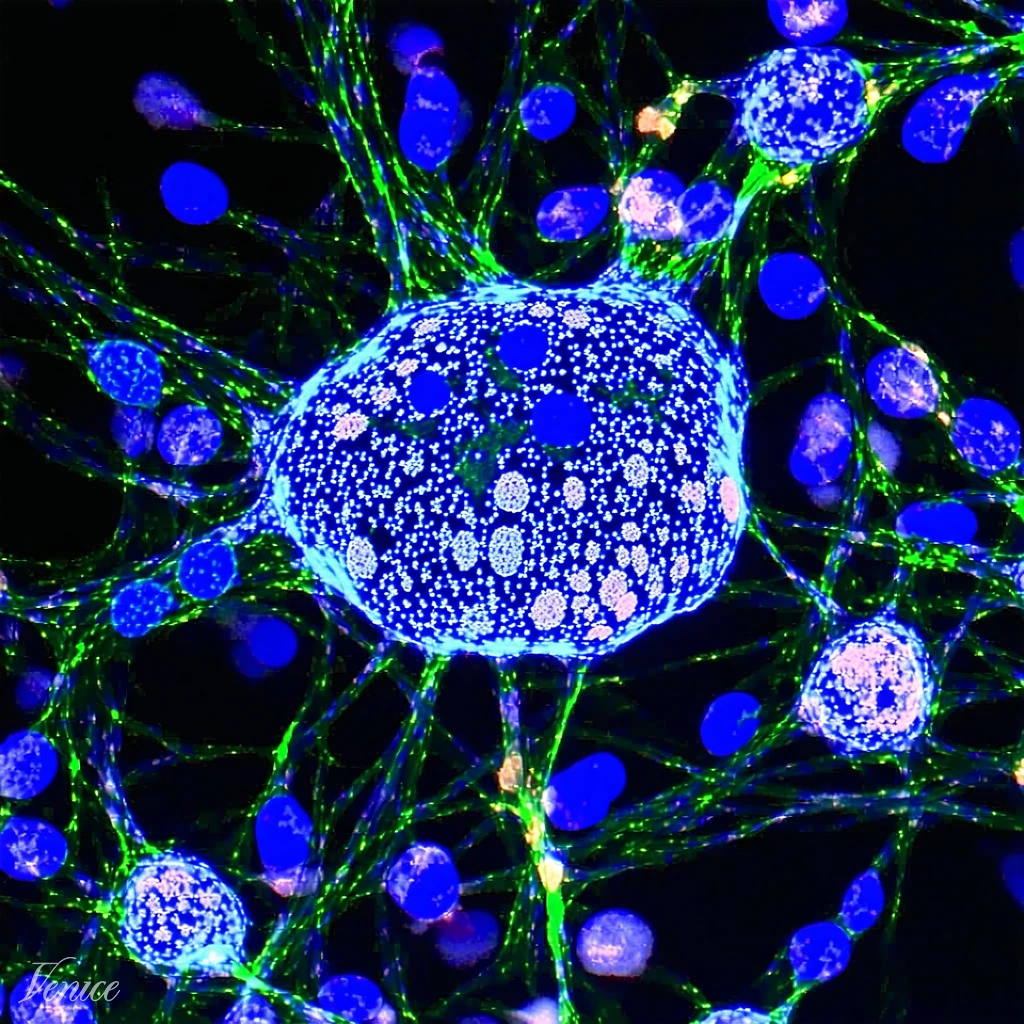
Those cells - called HeLa - became the first human cells that could survive and reproduce indefinitely in a lab. They doubled every 24 hours. They could be shipped anywhere, frozen and thawed, and they'd just keep growing. Scientists had been trying for years to create an immortal cell line, and Henrietta Lacks's body did it naturally.

Immortal HeLa Cells
Scientific Breakthroughs

Scientific Breakthroughs

The breakthroughs came fast and furious. HeLa cells helped develop the polio vaccine, uncover the secrets of cancer, understand radiation damage, create drugs for everything from Parkinson's to herpes to leukemia, advance cloning and in vitro fertilization, and so much more. Since 2001 alone, five Nobel Prizes have been awarded for research involving HeLa cells.

Ethical Complications

But here's where it gets ethically messy. Henrietta was a Black woman receiving care during the Jim Crow era at a hospital that was one of the few willing to treat Black patients. Her family was so poor they couldn't even afford proper healthcare themselves. Meanwhile, companies were buying and selling Henrietta's cells by the billions, creating a multi-billion dollar industry in biological materials - none of which trickled back to her children or grandchildren.

Ethical Complications
Family Poverty

Family Poverty

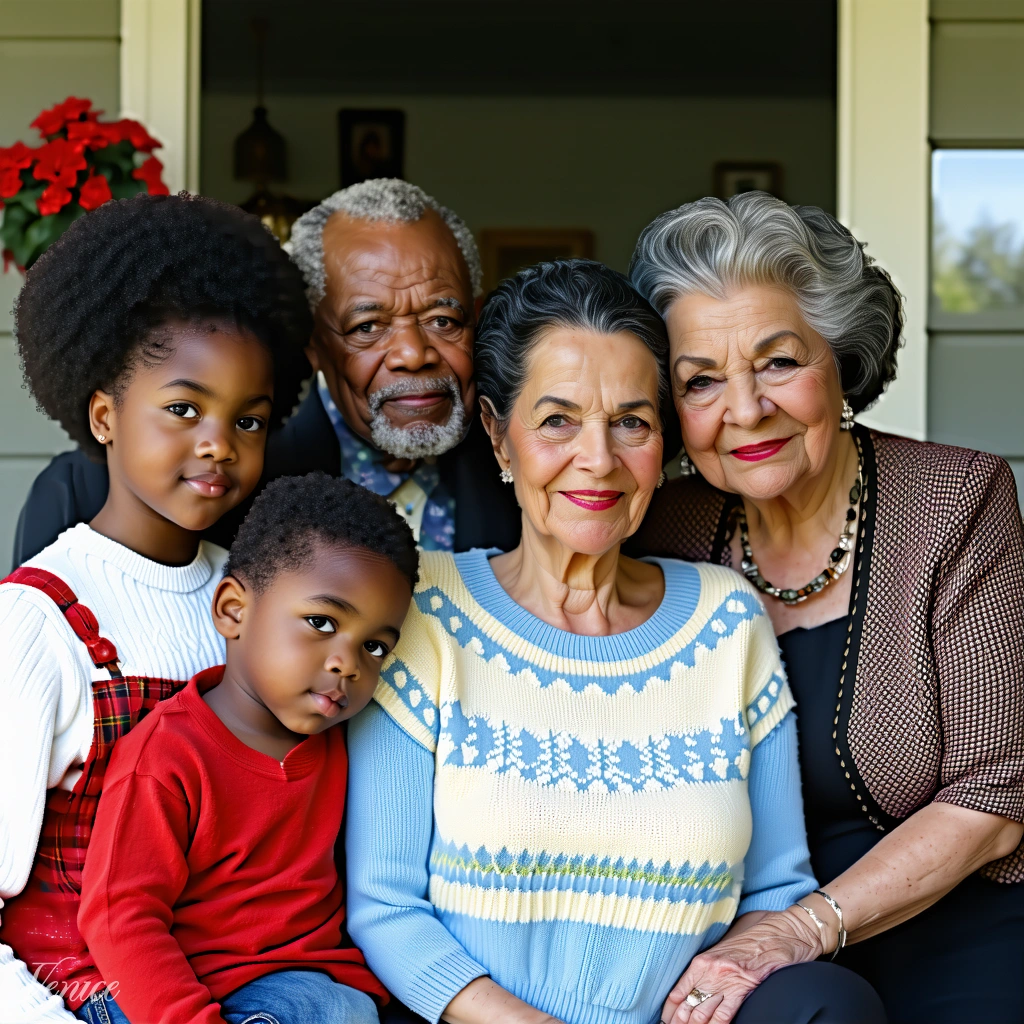
The family lived in poverty while their mother's cells revolutionized medicine worldwide.

The Three Narratives

Skloot masterfully weaves together three narratives: Henrietta's story, the scientific breakthroughs enabled by HeLa cells, and the family's painful journey to understand their mother's legacy. We meet her daughter Deborah, who spent decades trying to piece together her mother's story while battling the trauma of watching her mother die so young and then having her body essentially used without permission.

The Three Narratives
Deborah's Journey

Deborah's Journey

There's something profoundly heartbreaking about this family having to live with the knowledge that their mother's cells are in labs all over the world while they struggle with questions of ownership, identity, and justice.

Heartbreaking Reality

Here's the thing - Henrietta's story forces us to question these fundamental ethical dilemmas still relevant today. The consent forms around tissue donation remain murky. Do your cells still belong to you once they leave your body? If someone discovers something medically significant by studying your tissue, should you share in the profits? These questions that seemed theoretical in the 1950s are now very real in the age of genetic testing and personalized medicine.

Heartbreaking Reality
Ethical Questions Today

Ethical Questions Today

The central message is powerful and simple: behind every scientific advancement are human stories, real people with families and dreams and rights. Henrietta wasn't just a collection of cells - she was a woman who loved dancing, who painted her toenails bright red, who literally named her first child because she wanted something prettier than "Loretta." Her humanity matters just as much as her contribution to science.

Humanity Behind Science

Skloot builds these connections so beautifully through years of research and genuine relationship-building with the Lacks family. Every quote feels earned, every detail reveals something essential. The scene where Deborah finally visits a lab and sees her mother's cells under a microscope will absolutely break your heart in the best way possible.

Humanity Behind Science
Beautiful Storytelling

Beautiful Storytelling

This book isn't just about what happened in the past - it's about how we navigate the ethics of medical progress today. With genetic testing becoming routine and researchers sequencing genomes and studying tissue samples without fully understanding all the implications, these questions around consent and ownership are more pressing than ever. Henrietta's story teaches us that we can't let scientific excitement override respect for individual autonomy and dignity.

Modern Relevance

If you care about medical ethics, if you love compelling true stories, if you want to understand the human cost behind scientific breakthroughs, if you believe that every person's story matters regardless of their background - this book will absolutely move you. It's science writing that reads like a novel, packed with information but never dry, full of heart but thoroughly researched. It's the kind of book that stays with you long after you close it, making you think differently about medicine, research, and justice.

Modern Relevance
Why It Matters

Why It Matters

The Immortal Life of Henrietta Lacks isn't just a good book - it's an important one that should be required reading for anyone interested in how science, ethics, and humanity intersect. Pick it up, and prepare to be amazed, outraged, and deeply moved. Your understanding of medical research will never be the same.

📚 You Might Also Like

The Four Agreements

The Four Agreements

Don Miguel Ruiz

Explores personal transformation and spiritual wisdom, similar to how Henrietta's story transforms our understanding of science and humanity

Read Review
The Monk Who Sold His Ferrari

The Monk Who Sold His Ferrari

Robin Sharma

Journey of self-discovery and finding deeper meaning, much like the Lacks family's quest to understand Henrietta's legacy

Read Review
How to Win Friends and Influence People

How to Win Friends and Influence People

Dale Carnegie

Examines how people's stories and decisions shape others' lives, just as Henrietta's cells shaped countless lives worldwide

Read Review
Siddhartha

Siddhartha

Hermann Hesse

Spiritual journey of understanding one's place in the world, similar to how the Lacks family came to understand Henrietta's significance

Read Review

💬 Reader Thoughts

Email is required for anti-spam but can be fake if you prefer privacy.

Loading comments...