A Must-Read Classic
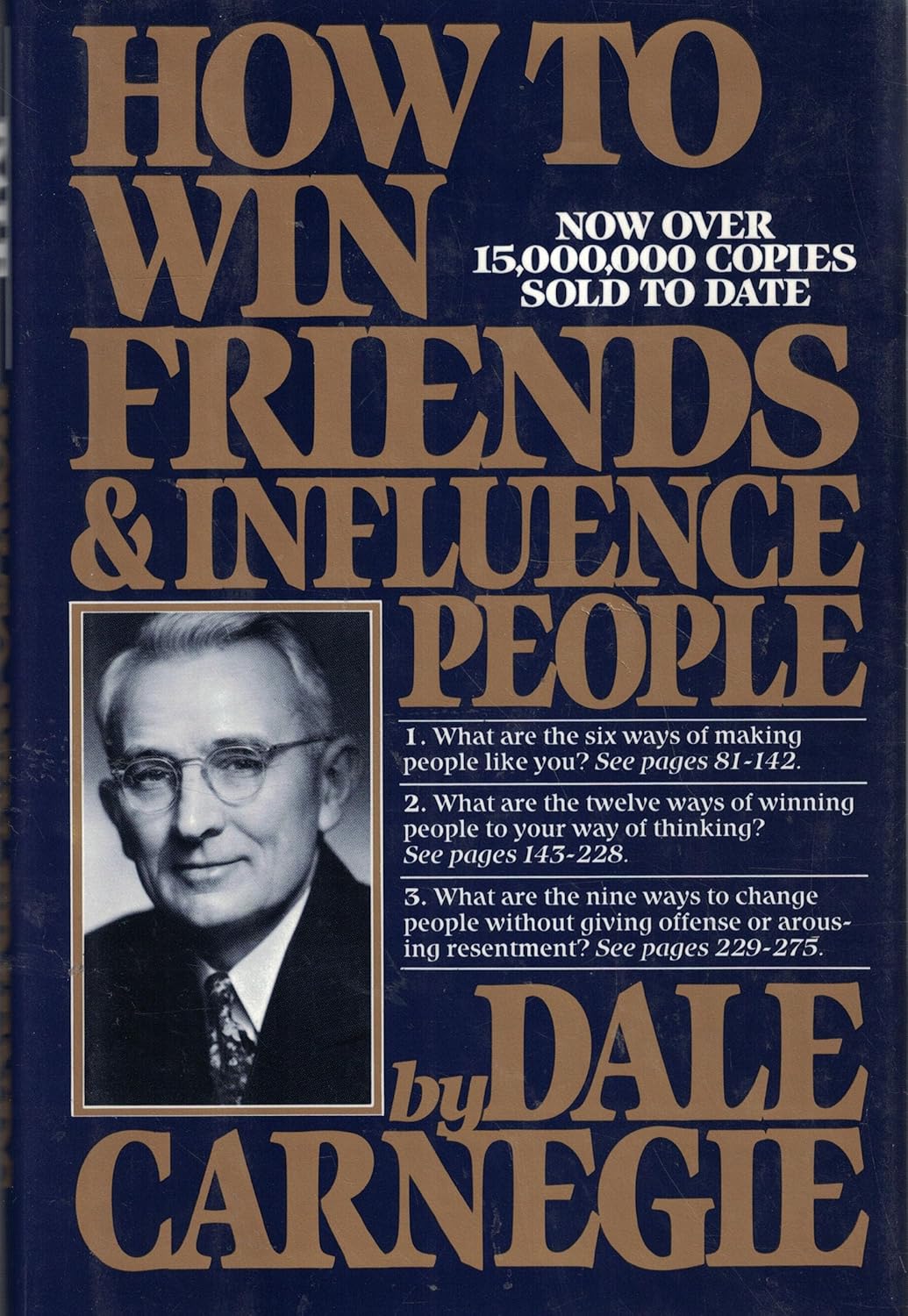
Hey, everyone. Ian here. Welcome to our book review series on Must Read Classics that actually change how you live and work. Today, we're diving into a book my dad handed me when I was just 13 years old, one that sold more than 30 million copies worldwide and still shapes how millions of people build relationships. If you've ever walked away from a conversation thinking, "I wish I connected better," or wondered why some people just seemed to get along with everyone, this book is going to hit different. Stick around, because these principles might be the simplest,
About the Author
most powerful tools you'll ever pick up. The author is Dale Carnegie, born in 1888 into poverty on a farm in Missouri. He grew up milking cows at three in the morning, went to a one-room schoolhouse, and later taught public speaking classes at the YMCA in New York starting in 1912. Those night classes exploded in popularity because Carnegie didn't just teach you how to speak, he taught you how to understand human nature. In the middle of the Great Depression in 1936, he turned those lessons into his first big book, "How to Win Friends and Influence People," published by Simon and Schuster. It's a straightforward self-help classic, about 290 to 320 pages depending on the edition, and it became an instant bestseller that stayed in print ever since. Warren Buffett even took Carnegie's course as a young man and still keeps the diploma on his
A Practical Action Guide
office wall. Let's walk through the book's main ideas the way Carnegie lays them out. It's not a novel with plot twists, it's a practical action guide divided into four big sections, each packed with real-life stories from business leaders, historical figures,
Part 1: Handling People
and everyday people. First, the fundamental techniques in handling people. Carnegie's core rule: don't criticize, condemn, or complain. He shows how criticism almost never works, it just puts people on the defensive and wounds their pride. Instead, give honest and sincere appreciation, and learn to arouse in the other person an eager want. In other words, stop thinking about what you want and start talking about what they want. Next, six simple ways to make people
Part 2: Six Ways to Be Liked
like you. Become genuinely interested in other people. Smile. Remember that a person's name is, to that person, the sweetest and most important sound in any language. Be a good listener and encourage others to talk about themselves. Talk in terms of the other person's interests. And make the other person feel important—and do it sincerely. Then comes the twelve ways to win
Part 3: Win People to Your Way
people to your way of thinking. The only way to get the best of an argument is to avoid it. Show respect for the other person's opinions, never say you're wrong. If you're wrong, admit it quickly and emphatically. Begin in a friendly way. Get the other person saying yes, yes right away. Let the other person do most of the talking. Let them feel the idea is theirs. See things from their point of view. Be sympathetic with their ideas and desires. Appeal to nobler motives. Dramatize your ideas. And throw down a challenge. Finally,
Part 4: Be a Leader
the section on being a leader: how to change people without giving offense or arousing resentment. Begin with praise and honest appreciation. Call attention to mistakes indirectly. Talk about your own mistakes before criticizing someone else. Ask questions instead of giving direct orders. Let the other person save face. Praise every improvement. Give them a fine reputation to live up to. Use encouragement and make the fault seem easy to correct. And make the other person happy about doing what you suggest.
Real Stories, Real Sincerity
Throughout, Carnegie backs every principle with stories—everything from Abraham Lincoln's gentle way of correcting people to salesmen who turned around angry customers just by listening. He's crystal clear: these aren't tricks. They only work when they're sincere. So what are the
Six Big Takeaways
five or six biggest takeaways that make this book worth your time? First, criticism is almost always useless—any fool can criticize, but it takes character to be understanding and forgiving. Second, appreciation is the magic ingredient. People crave sincere recognition more than almost anything else. Third, become genuinely interested in others. You can make more friends in two months by becoming interested in other people than you can in two years by trying to get other people interested in you. Fourth, remember names and make people feel important. Fifth, puts it, a person's name is to that person the sweetest and most important sound in any language. Fifth, avoid arguments at all costs. The only way to get the best of one is to avoid it. And sixth, the big one my dad quoted to me when I was 13, I shall pass this way, but once any good therefore that I can do or any kindness that I can show to any human being. Let me do it now.
Timeless Principles
Let me not defer nor neglect it for I shall not pass this way again. Carnegie kept that saying on his mirror. It sums up the entire book. Treat every interaction like it matters because it does. Some folks today call the book outdated because it was written in 1936 and family dynamics have definitely changed. But here's the honest truth. The core principles aren't about 1930s etiquette. They're about human nature and human nature hasn't changed. Pride, the desire to feel important,
Why Read It Now?
the need to be heard. These are still the same. My dad was right to hand it to me at 13. I've carried those lessons into every job, every friendship, and every tough conversation since this. Oh, why does this book still deserve your time right now? Because in a world full of emails, texts, and quick transactions, real connection is the ultimate advantage, whether you're leading a team, growing a business, parenting, or just trying to be a better friend or partner. It's short,
Your Turn
it's practical, and it works if you actually apply it. You don't need to be a natural people person. Carnegie shows you how to become one, step by step. There you have it. How to win friends and influence people by Dale Carnegie. Grab a copy, read it with a highlighter, and try just one principle this week. You'll be amazed how fast things shift. Drop a comment below. Which principle are you going to test first? And if you haven't already, hit that subscribe button so you never miss our next review. Thanks for watching, everyone. Go make someone's day a little better. I'll see you in the next one.
💬 Reader Thoughts
Loading comments...