




Book Review

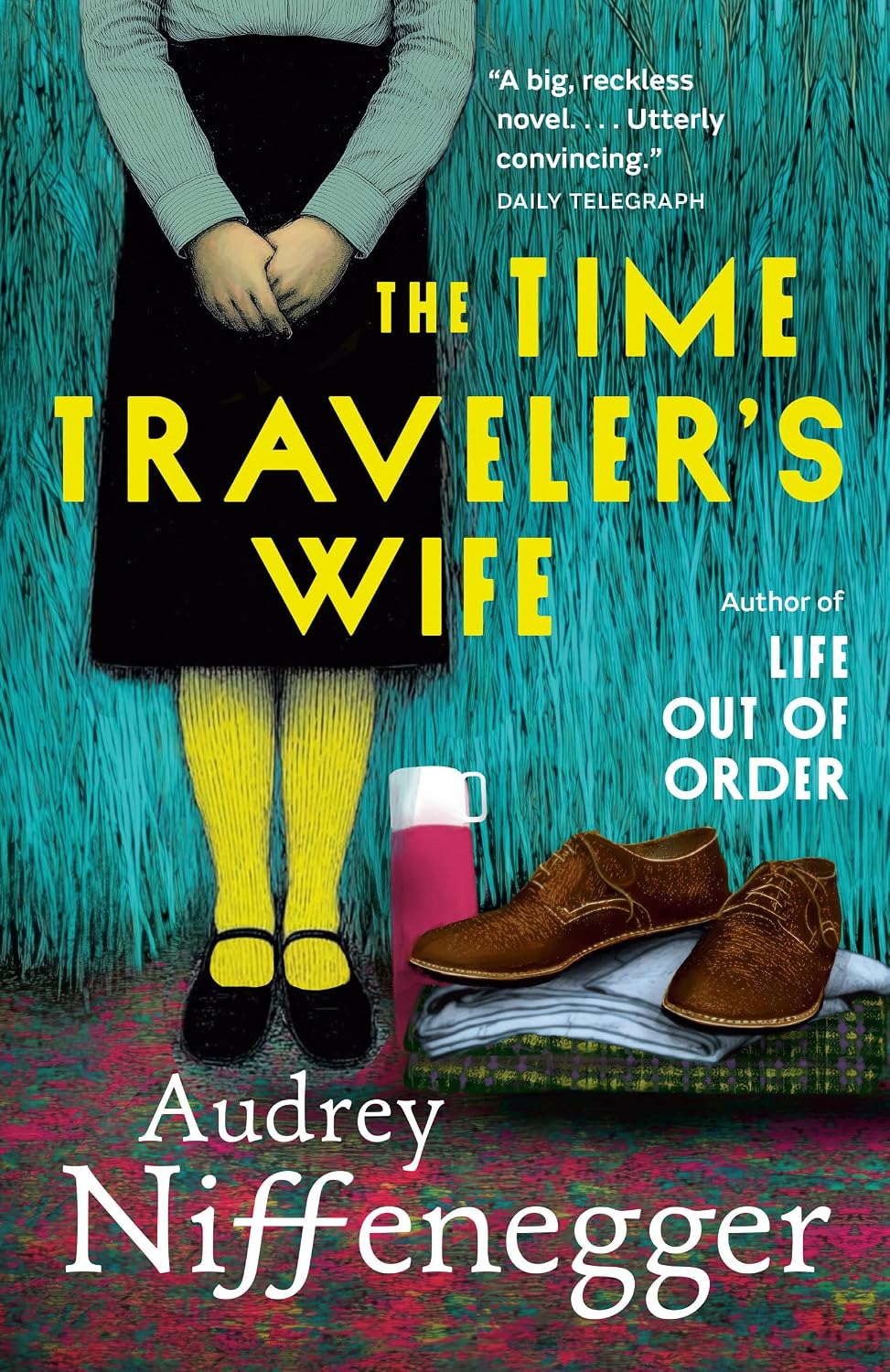
Hey everyone! Ian here! Welcome to our book review of The Time Traveler's Wife by Audrey Niffenegger. Published in 2003, this debut novel became a massive bestseller and a modern classic by blending a deeply emotional love story with one of the most inventive uses of time travel in fiction. It is the kind of book that lingers in your mind for years because it refuses to play by the usual rules of either genre.
Audrey Niffenegger was already an accomplished visual artist and writer teaching in the MFA program at Columbia College Chicago when she wrote this book. It was her first novel, and her background in art clearly influenced the way she constructs scenes and handles time. The non-linear narrative feels like a series of carefully composed frames, each one revealing new layers of the same relationship. The book won the British Book Award and has sold millions of copies.


Its success led to a 2009 film adaptation and later an HBO series, but the novel remains the definitive, most daring version of the story.
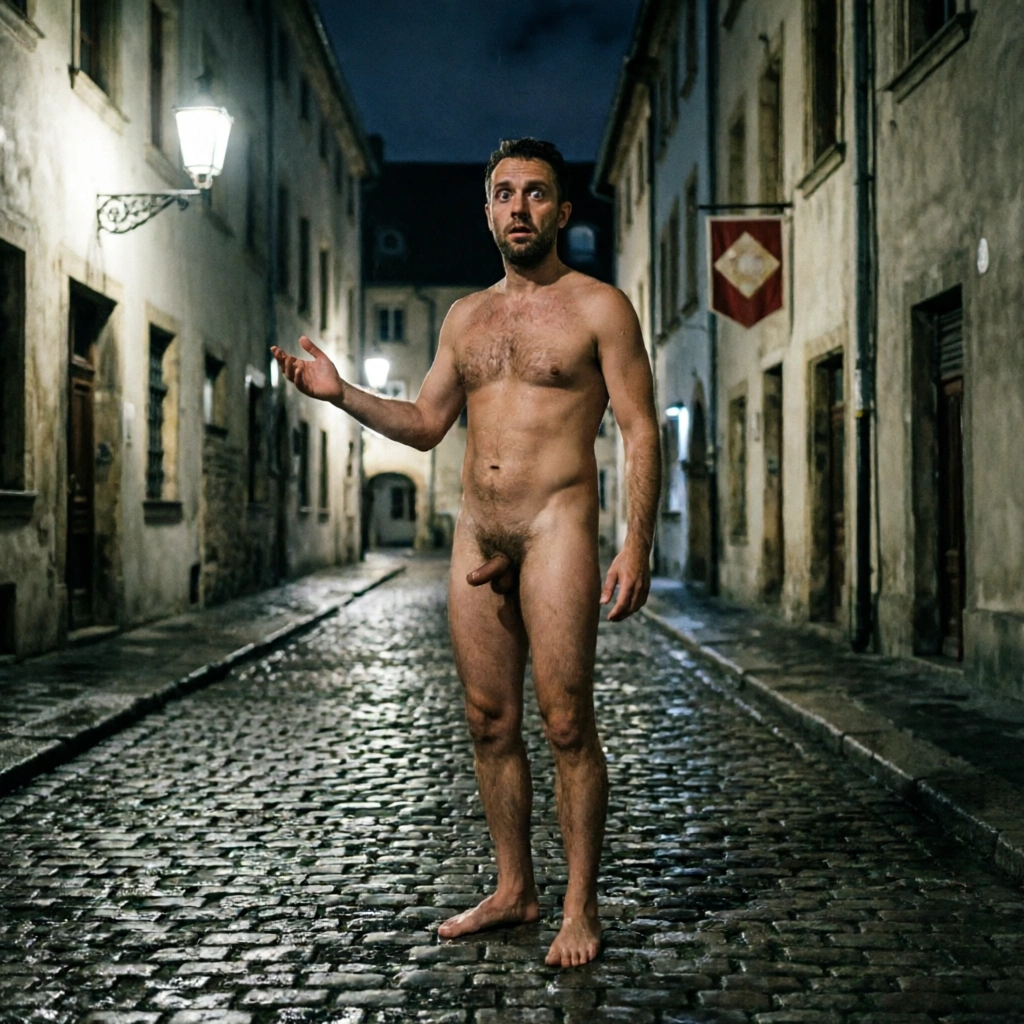
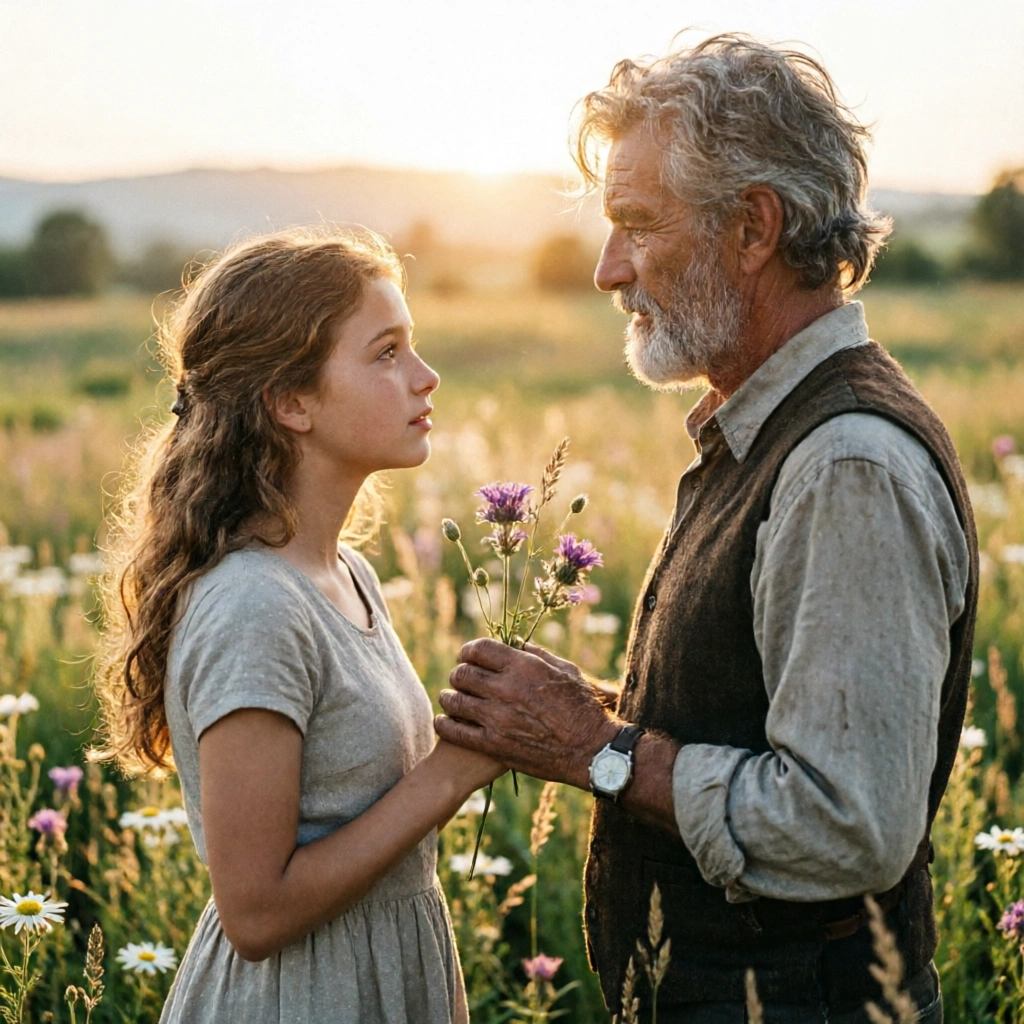
The premise is simple but devastating. Henry DeTamble suffers from a rare genetic disorder that causes him to time travel involuntarily and without warning. He arrives naked and often injured in different moments of his own past or future. His wife, Clare Abshire, an artist from a wealthy family, must build a life around these constant, unpredictable absences. Clare first meets Henry when she is just six years old and he is an adult; she grows up knowing him across multiple visits.


When they finally meet in "real time" when she is twenty and he is twenty-eight, their love story has already been happening for her for years. Their relationship is defined by this asymmetry of time.
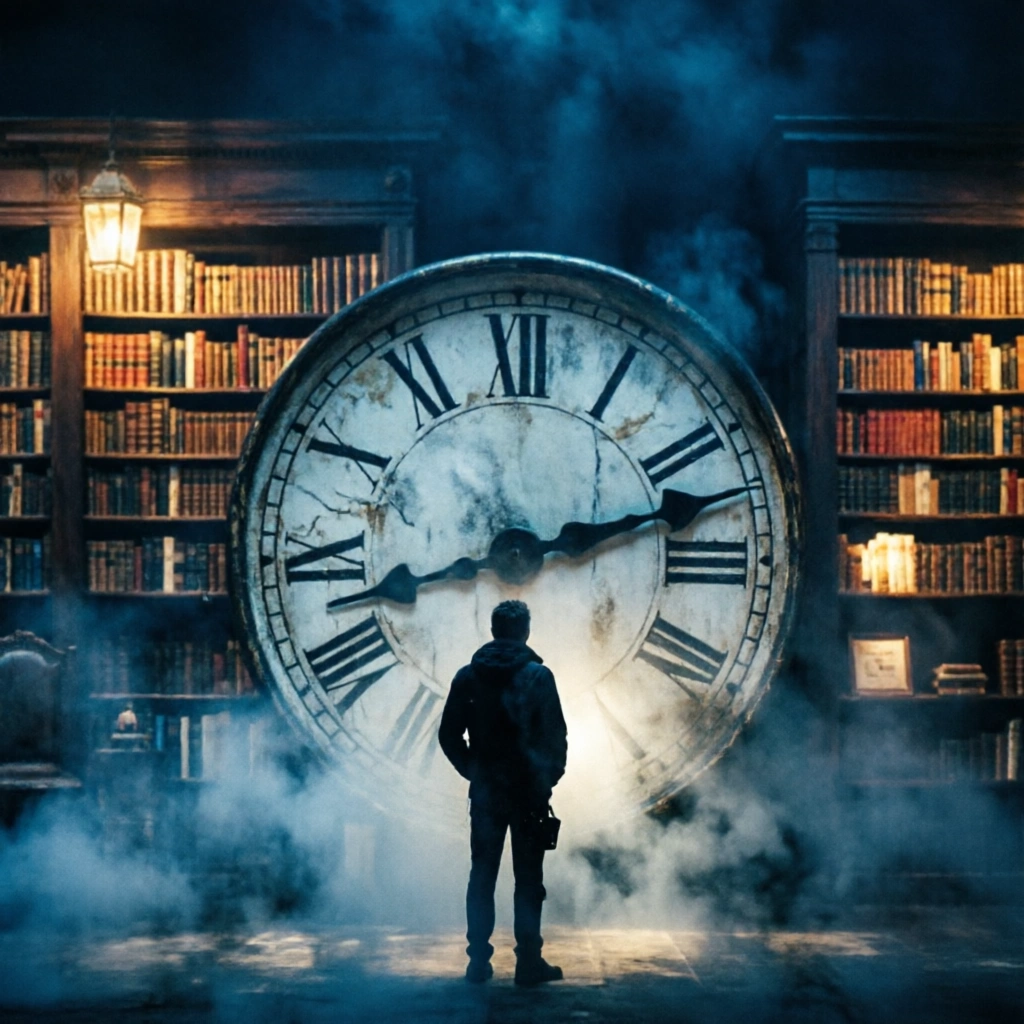
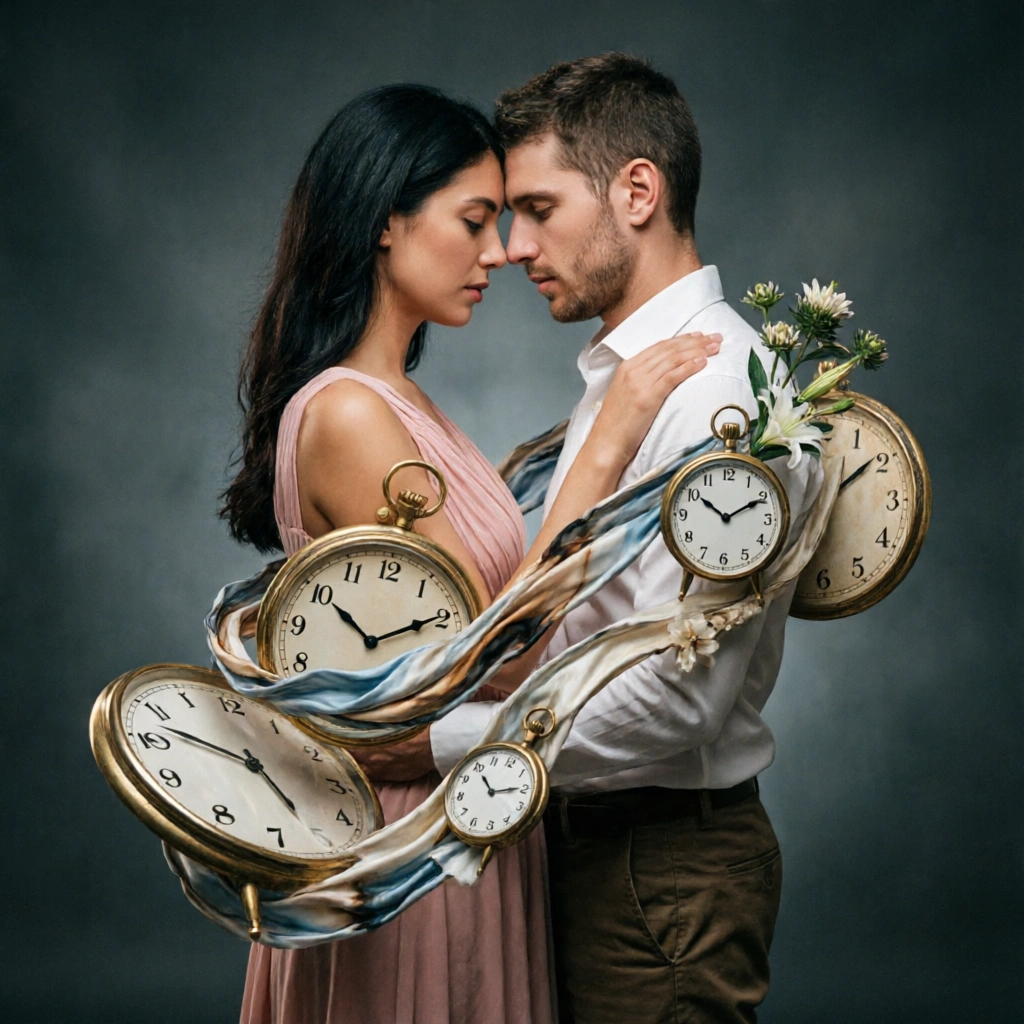
Niffenegger uses time travel not merely as a plot device but as a profound metaphor for the nature of relationships, memory, and human experience itself. The novel asks what it means to love someone whose presence is never guaranteed. It explores how memory works across time, how we are shaped by versions of ourselves we have not yet become or have already left behind, and how partners must constantly adapt to each other's inner timelines.


The fractured structure mirrors real love—full of longing, foreshadowing, hindsight, and moments that only make sense later. Time travel becomes a stand-in for the ways we are all displaced from one another, even in the most intimate relationships.
Now I'm going to spoil some of the most important and unusual moments because it is impossible to talk about what makes this book extraordinary without them. If you want to experience it fresh, stop here.


One of the most memorable and unusual scenes in the entire novel occurs when Henry, during one of his involuntary jumps, encounters his much younger self and performs oral sex on him. The book presents this as a fascinatingly bizarre exploration of identity and self-knowledge that only a time travel narrative could credibly offer. It is a scene that challenges readers' perceptions of identity, sexuality, and the nature of the self when temporal boundaries are disrupted.
The adult Henry is both caring for and intimately engaging with the child he once was. The moment forces us to confront questions of consent across time, the fluidity of the self, and what it means to truly know or accept every version of who we have been. It is unsettling, provocative, and deeply tied to the novel's themes of autonomy and self-acceptance. Far from being gratuitous, it illuminates the story's larger questions about what it means to live with a body and a consciousness that can be in multiple places at once.


The 2009 film adaptation starring Eric Bana and Rachel McAdams necessarily sanitized many of these more challenging elements. While the movie captured the emotional core of Henry and Clare's love story and the melancholy beauty of living with time travel, it softened or omitted the novel's boldest explorations of sexuality, identity, and moral complexity to make the story more palatable for mainstream audiences.
The result is a touching but more conventional romance that still works as a love story but loses much of the source material's intellectual daring and emotional rawness. The book is far stranger, braver, and more unsettling than the film.


The book's willingness to explore such unusual and difficult territory is exactly what makes it a standout in both the romance and science fiction genres. The bizarre moments do not feel like cheap shocks. They deepen the novel's meditation on love, memory, consent, and what it truly means to share a life with another person across time. Those scenes contribute enormously to the book's overall impact and emotional resonance. They make the story far more memorable and thought-provoking than safer, more conventional time-travel romances.
Long after you finish reading, it is the combination of tender, aching love and radical strangeness that stays with you. The novel refuses to let the reader off easy, and that is its greatest strength.


If you enjoy stories that treat time travel as more than a gimmick and want a romance that is unafraid to get strange, profound, and occasionally uncomfortable in the service of deeper truths, The Time Traveler's Wife is essential reading. It remains one of the most inventive and emotionally honest novels of the twenty-first century so far. Thanks for watching, and happy reading!
Margaret Atwood
Another daring exploration of identity and fractured timelines
Read Review
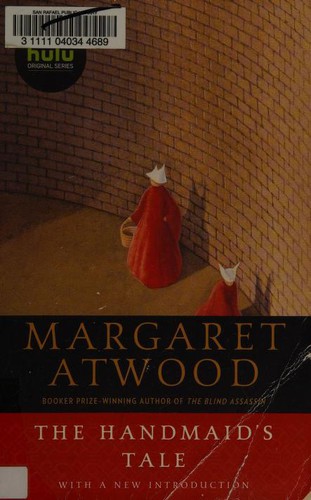
Margaret Atwood
The classic that inspired the sequel — time, memory, and resistance
Read Review