← Back to Gallery
0 / 9
0:00 / 2:24
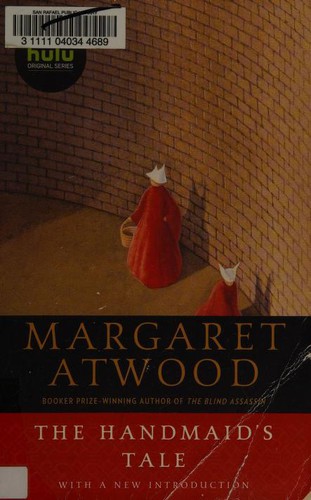
The Handmaids Tale

The Handmaids Tale

Book Review

A Dystopian Warning for Today

A Dystopian Warning for Today

The Handmaid's Tale by Margaret Atwood, published in 1985, remains one of the most powerful and relevant dystopian novels of our time. Set in the Republic of Gilead, a theocratic regime that has replaced the United States, the novel follows Offred, a Handmaid whose sole purpose is to bear children for the ruling class.

Margaret Atwood's Vision

Margaret Atwood, born in 1939 in Ottawa, Canada, is one of the most celebrated authors of our era. Known for her sharp prose and keen insight into power dynamics, gender relations, and societal structures, Atwood has consistently used speculative fiction to examine real-world issues. She has stated that everything in The Handmaid's Tale is based on something that has actually happened in history, making it not just fiction, but a warning.

Margaret Atwood's Vision
Bodily Autonomy Under Attack

Bodily Autonomy Under Attack

The novel explores themes of bodily autonomy, religious extremism, and the ways in which language can be used to control and oppress. In Gilead, women are stripped of their rights, renamed according to their male

Renamed and Reduced to Function

commanders (Of-Fred, meaning belonging to Fred), and reduced to their biological functions. The Handmaids, valued only for their ability to bear children, live under constant surveillance, their every move monitored by the Eyes of Gilead.

Renamed and Reduced to Function
A Chillingly Plausible Premise

A Chillingly Plausible Premise

What makes The Handmaid's Tale particularly chilling is how plausible its premise feels. Atwood draws from historical examples of oppression, religious fundamentalism, and authoritarian regimes to create a world that feels like a logical

Resistance Through Language

extension of trends we can observe in our own society. The novel's famous phrase, "Nolite te bastardes carborundorum" (Don't let the bastards grind you down), has become a rallying cry for resistance and resilience.

Resistance Through Language
Renewed Relevance in Modern Times

Renewed Relevance in Modern Times

Since its publication, The Handmaid's Tale has gained renewed relevance, particularly in discussions about women's rights, reproductive freedom, and the dangers of religious extremism in politics. The 2017 television adaptation brought the story to a new generation, sparking conversations about complicity, resistance, and the importance of speaking out against injustice.

The Enduring Power of Warning

The novel serves as both a masterpiece of speculative fiction and a cautionary tale about how quickly freedoms can be eroded when fear, prejudice, and authoritarianism are allowed to flourish. Its enduring power lies in its ability to make readers question: How close are we to Gilead? And what would we do to prevent it?

The Enduring Power of Warning

📚 You Might Also Like
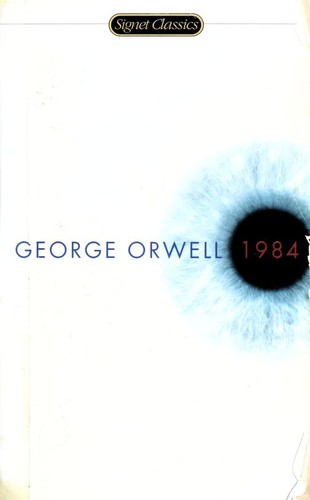
1984

1984

George Orwell

Both are dystopian warnings about totalitarianism and loss of individual freedoms

Read Review
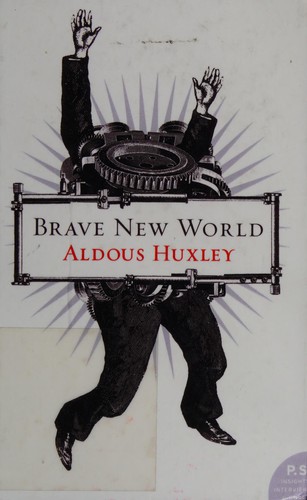
Brave New World

Brave New World

Aldous Huxley

Explores different dystopian vision where control comes through pleasure and conditioning

Read Review
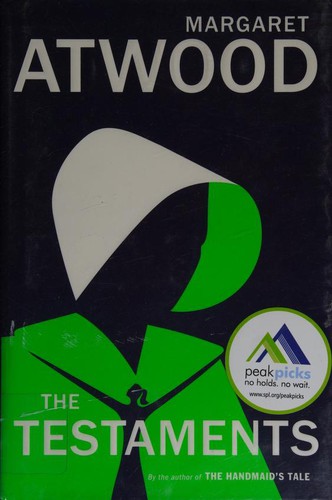
The Testaments

The Testaments

Margaret Atwood

Sequel to The Handmaid's Tale, set 15 years later showing Gilead's inner workings

Read Review

💬 Reader Thoughts

Email is required for anti-spam but can be fake if you prefer privacy.

Loading comments...