





← Back to Gallery
0 / 16
0:00 / 6:52
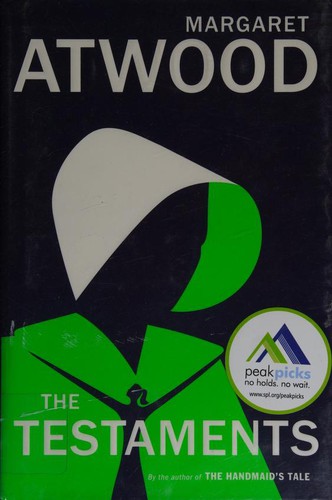
The Testaments

The Testaments

Book Review

Returning To Gilead

Returning To Gilead

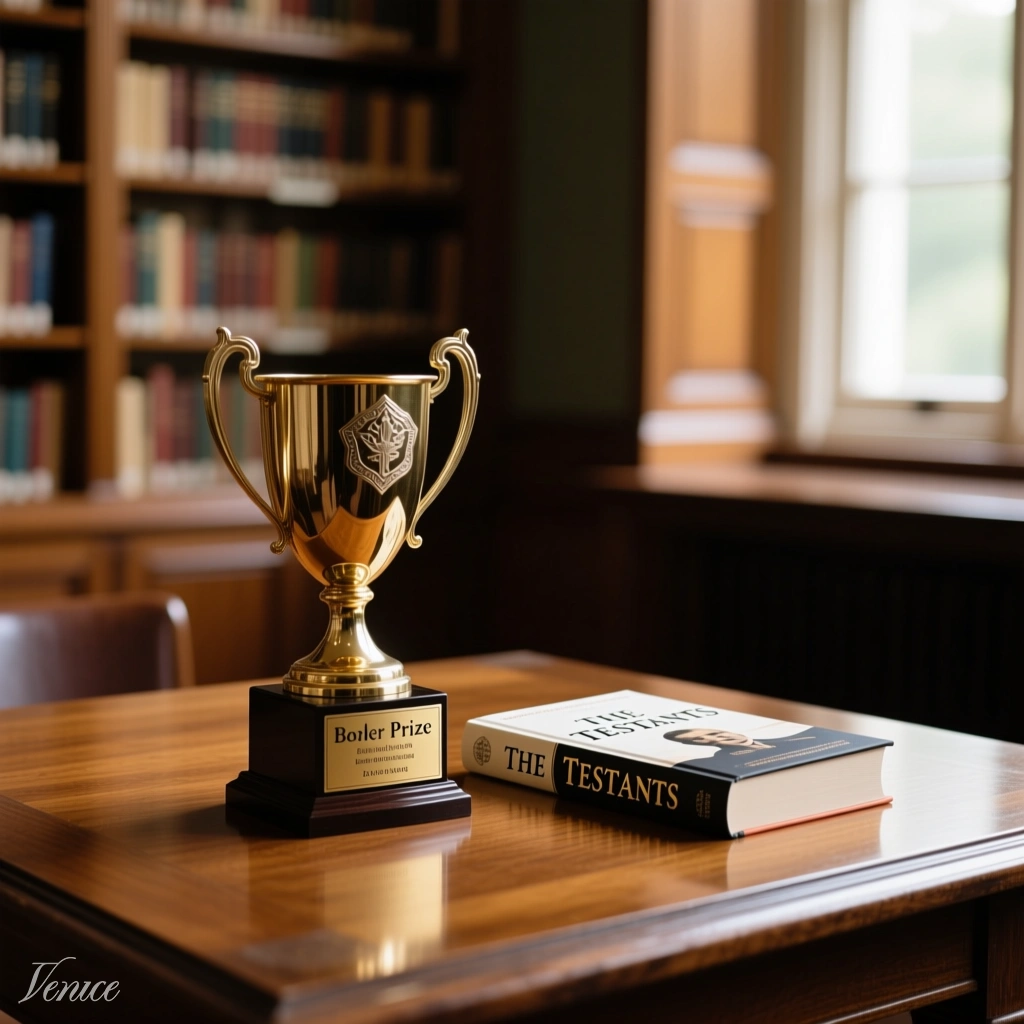
Hey everyone! Ian here! Welcome to our book review of The Testaments by Margaret Atwood. Published in 2019, thirty-four years after The Handmaid's Tale, this novel won the Booker Prize and gave us the answer to one of the most haunting endings in modern literature. What happened to Offred? What happened to Gilead? Atwood finally tells us, and the answer is more powerful than anyone expected.

Atwood, Two-Time Booker Winner

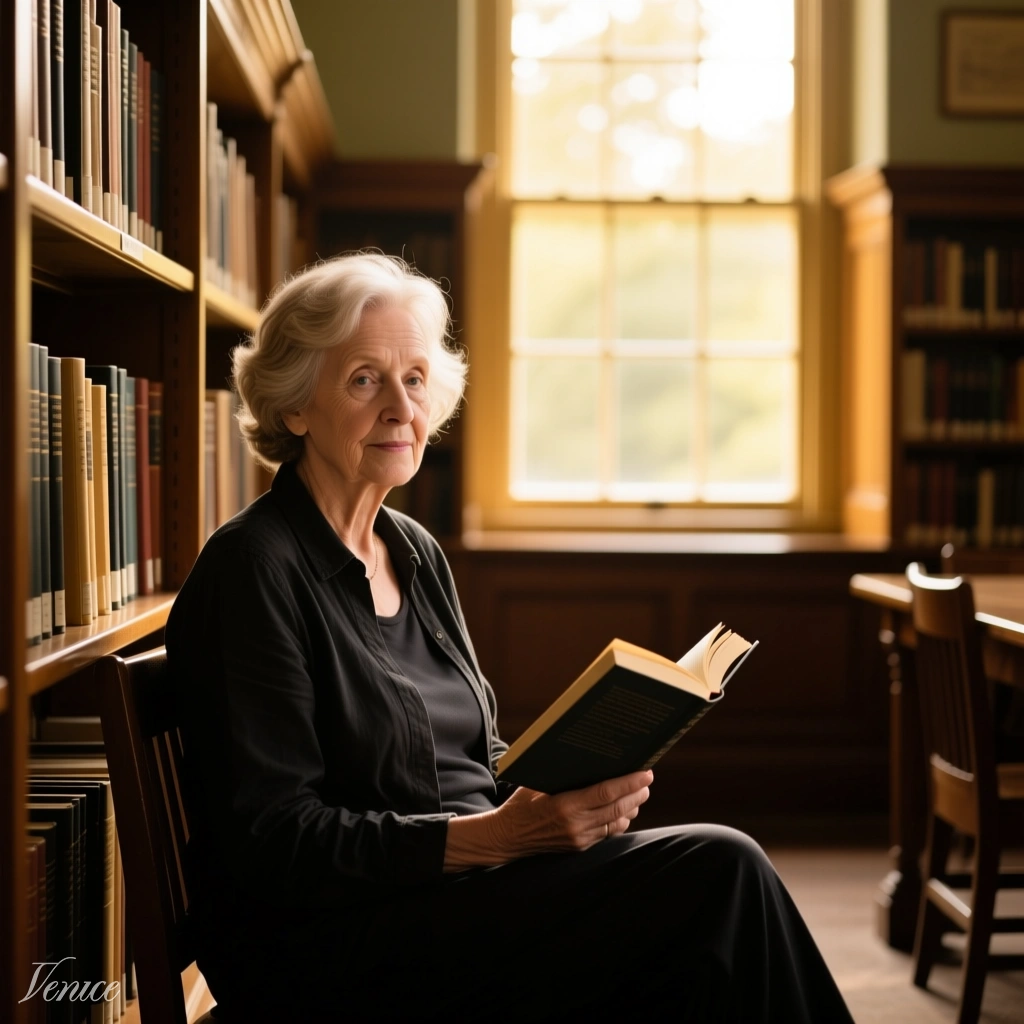
Margaret Atwood is one of the most decorated writers alive. She's a two-time Booker Prize winner, a Companion of the Order of Canada, and the author of more than fifty books across fiction, poetry, and essays. The Handmaid's Tale, published in 1985, became one of the defining novels of the late twentieth century, a story so prophetic it kept getting more relevant with every passing year. When Hulu's television adaptation became a cultural phenomenon in 2017, Atwood decided she was finally ready to return to Gilead.

Atwood, Two-Time Booker Winner
Eighty Years Old, Second Booker

Eighty Years Old, Second Booker

She was eighty years old when she started The Testaments. The result won her a second Booker. The novel is set roughly fifteen years after the events of The Handmaid's Tale. The Republic of Gilead, the theocratic totalitarian state that overthrew the United States, is starting to rot from the inside. The novel is told through three braided narratives.

Voice One: Aunt Lydia

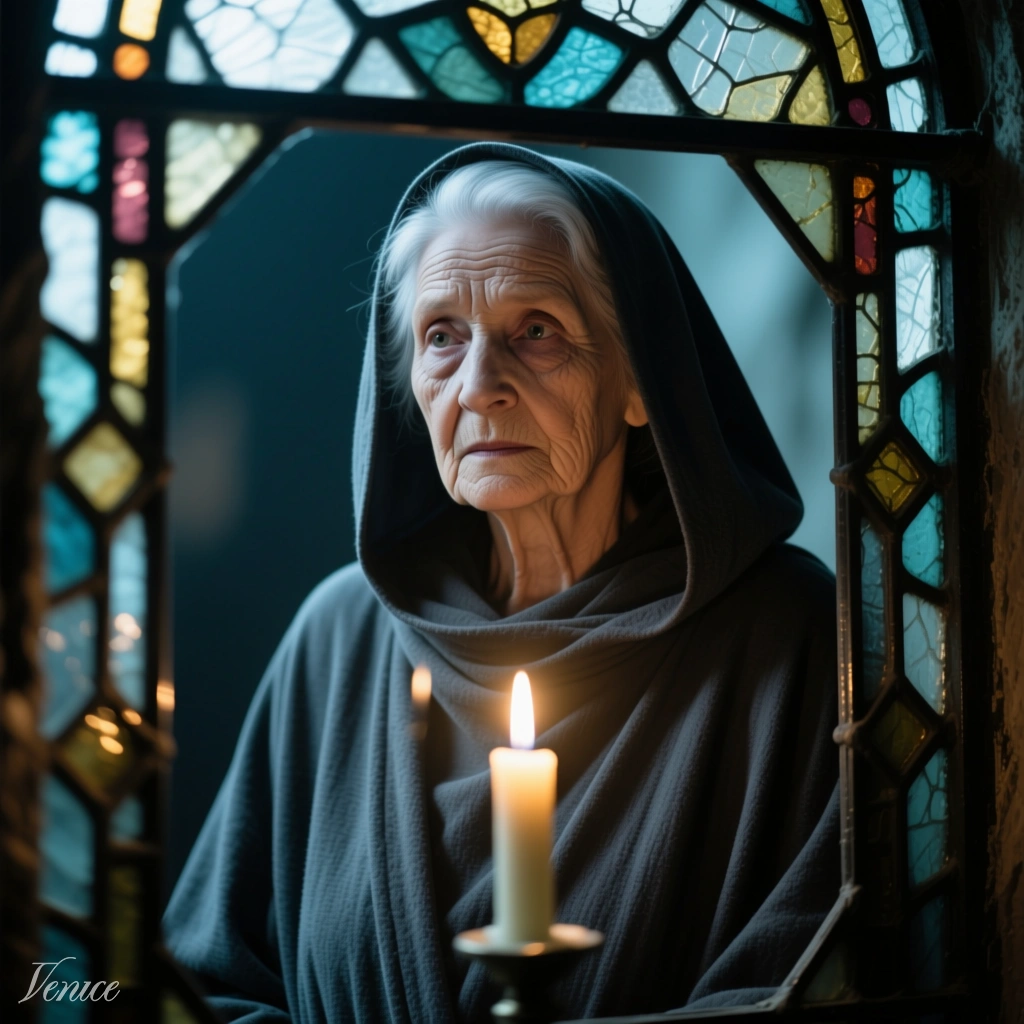
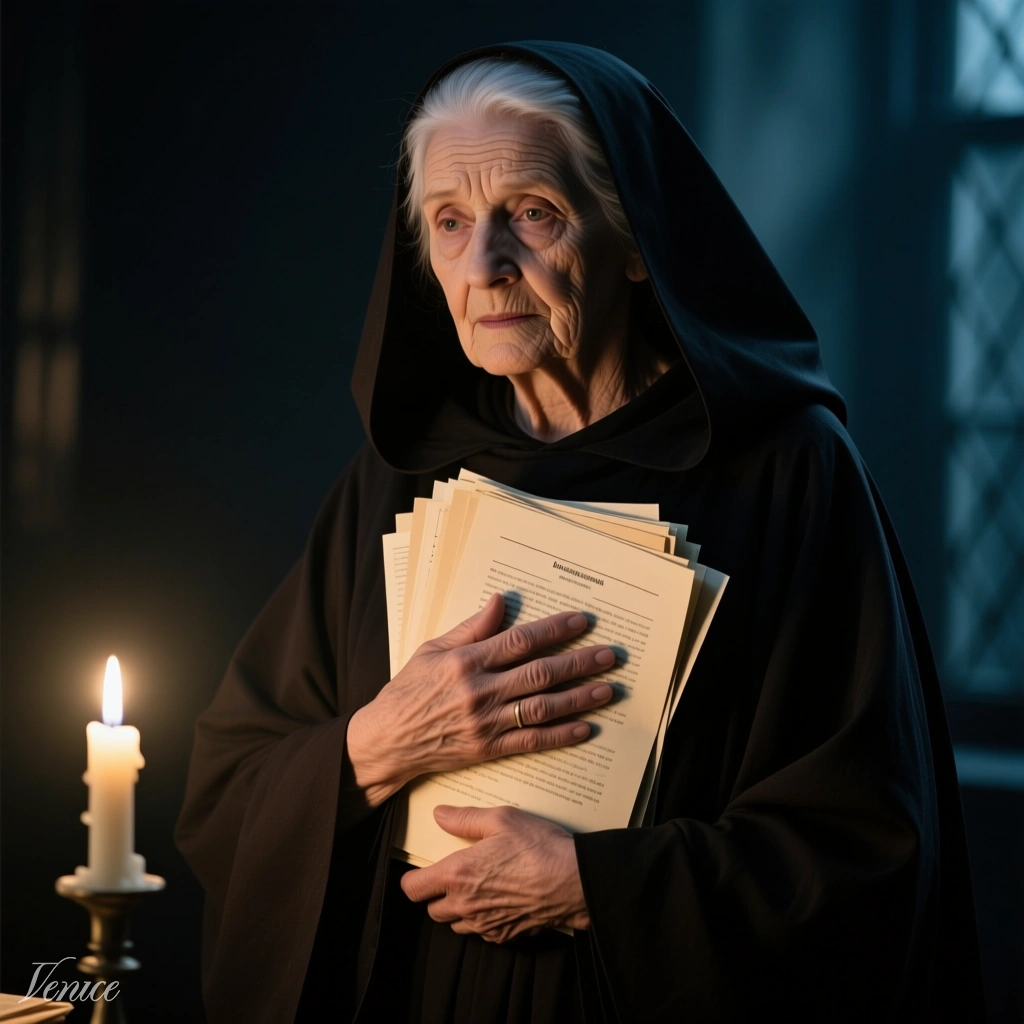
The first voice is Aunt Lydia, the terrifying senior matriarch of Gilead's enforcement apparatus, who in the original novel appeared only as a monstrous figure of indoctrination. In The Testaments, we finally get her interior life, her history before Gilead as a family-court judge, her capture and torture during the founding, and her cold-blooded decision to survive by becoming one of the regime's architects.

Voice One: Aunt Lydia
Lydia's Secret Memoir

Lydia's Secret Memoir

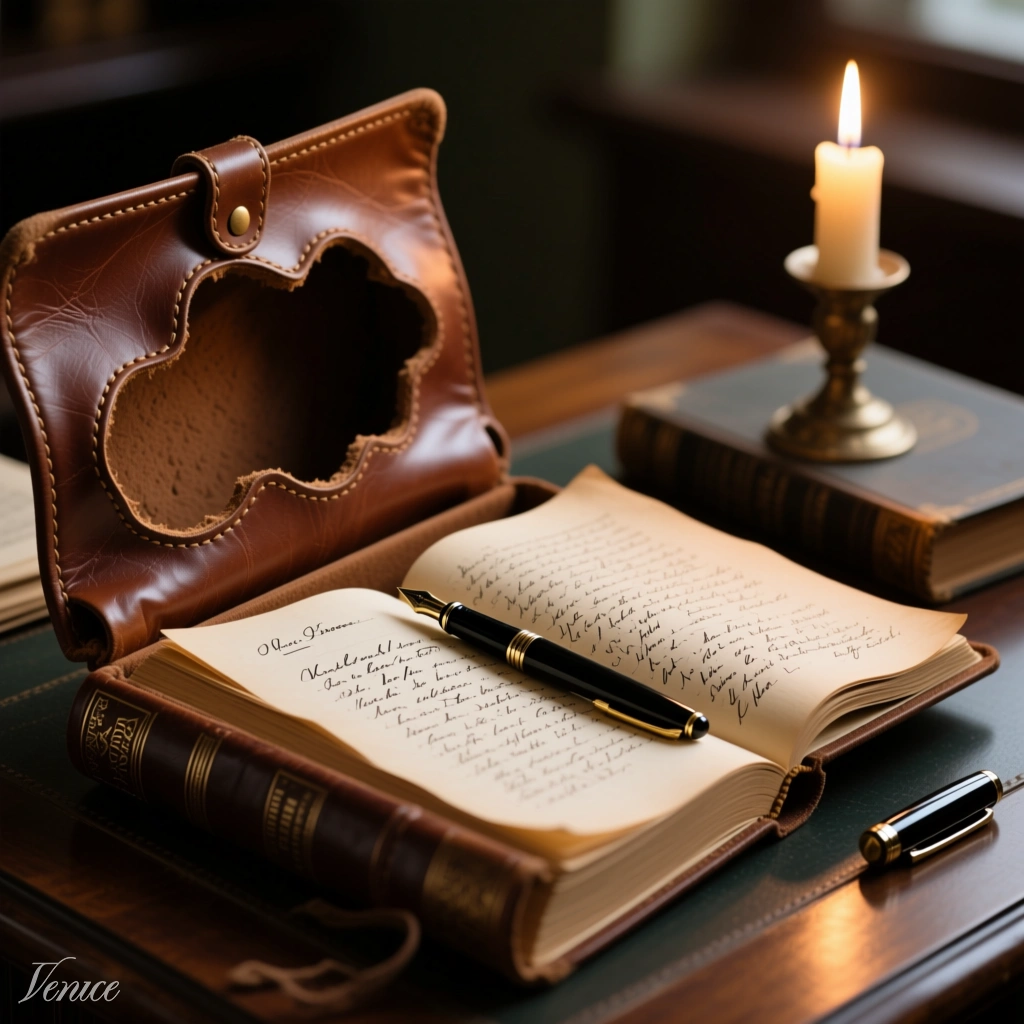
Atwood gives Lydia a memoir she's writing in secret, hidden inside a hollowed-out copy of Cardinal Newman's Apologia in the Ardua Hall library. It's a confession, a strategic document, and a slow reveal of the most sophisticated long con in the regime. The second voice is Agnes Jemima, a girl raised inside Gilead as the adopted daughter of a Commander. We watch her grow up, navigate the brutal arranged-marriage system, lose her mother, and ultimately discover a truth about her own origins that breaks her faith in the only world she's ever known.

Voice Three: Daisy In Toronto

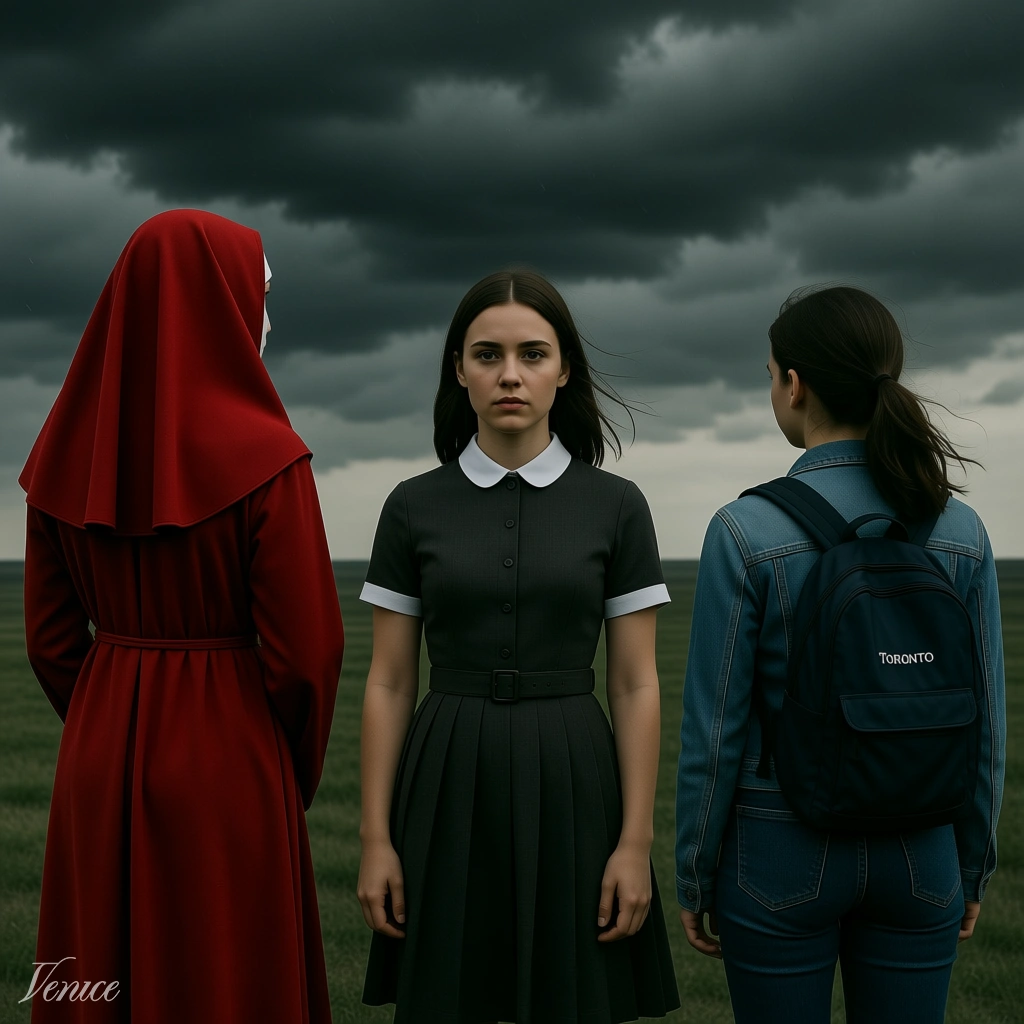
The third voice is Daisy, a teenager living in Toronto in the safe haven of Canada, raised by parents who turn out to be part of the resistance network smuggling people out of Gilead. Daisy's chapters give us the outside view, the news reports, the protests, the underground railroad called the Mayday network. And when her cover is blown, she has to do the unthinkable. Now I'm going to spoil the central twist of the book, because it's impossible to discuss what makes The Testaments brilliant without it. Stop now if you want to read it cold.

Voice Three: Daisy In Toronto
The Convergence Twist

The Convergence Twist

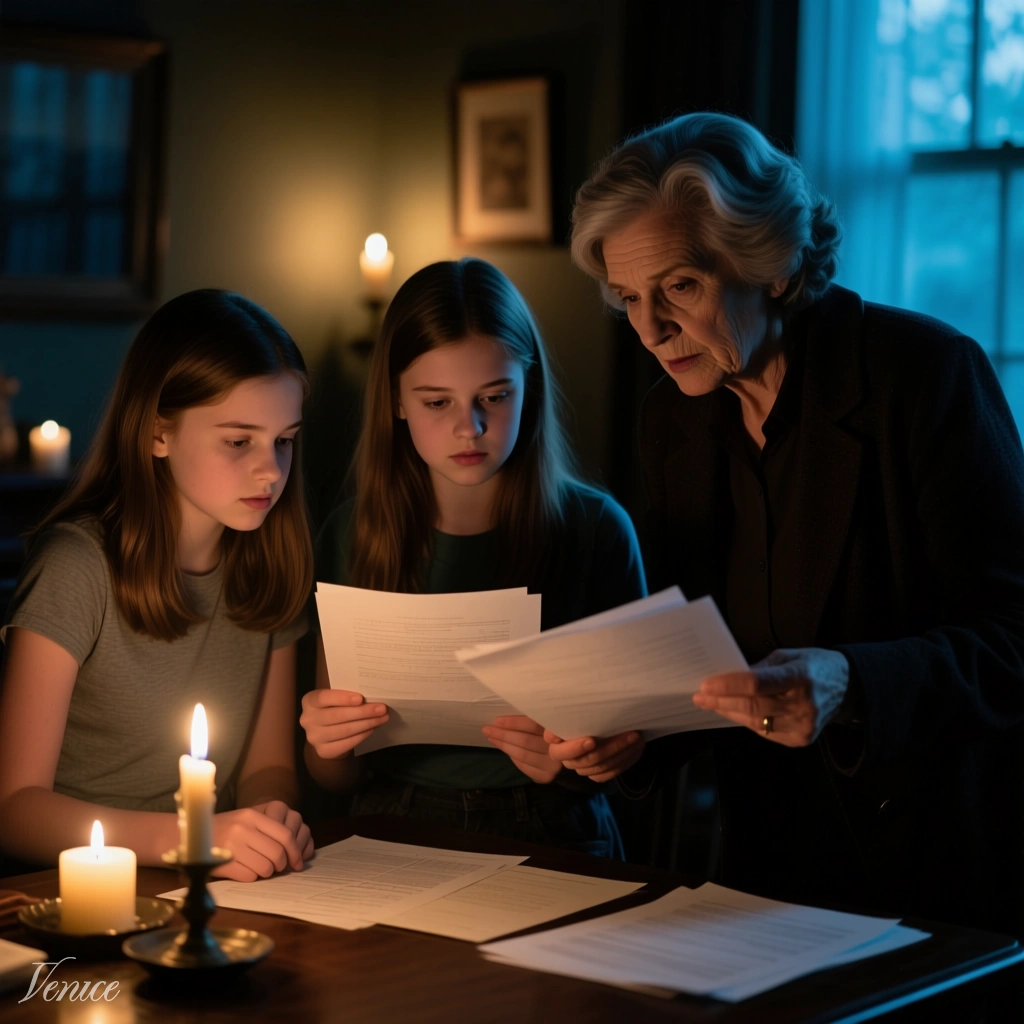
The three narratives converge in a beautiful inevitable way. Daisy is, in fact, Nicole, the baby born in The Handmaid's Tale and smuggled out of Gilead. Agnes is her older biological sister, the daughter Offred lost when Gilead's regime first separated families. And Aunt Lydia has been playing the longest game in the regime's history, using her position to gather the documentary evidence that will bring Gilead down from within.

A Heist Across Generations

The three voices come together in a heist plot, an exfiltration of damning intelligence carried out by two teenage girls and a seventy-year-old matriarch, that has the propulsive energy of a thriller without losing its literary weight.

A Heist Across Generations
Themes That Cut Deep

Themes That Cut Deep

The themes are exactly what you'd expect from Atwood, and they hit harder than ever. The fragility of women's rights and how quickly they can be stripped away. The way authoritarian regimes use religion as a tool of power rather than a source of meaning. The complicity of bureaucrats and ordinary people in atrocities. The role of resistance, both quiet and loud. The persistence of family bonds across decades of separation. And the bitter understanding that survival in a totalitarian system always carries moral compromises.

Lydia: War Criminal And Resistance

The Aunt Lydia sections are the heart of the book, and they're some of the finest writing of Atwood's career. We watch a woman with one of the highest positions in the regime systematically document the corruption of the Commanders, the abuse in the Pearl Girls missionary program, the financial crimes, the secret affairs. Lydia is not a hero. She's a war criminal. But she's also the most effective resistance figure the regime ever had, precisely because no one suspected her. Atwood lets you feel both truths at once. The book asks a brutal question.

Lydia: War Criminal And Resistance
Hands Clean Or Filthy?

Hands Clean Or Filthy?

Is it better to keep your hands clean and die, or get them filthy and live to topple the system? One of the most chilling quotes from the book is Lydia reflecting on her early conversion to the regime. Quote, "How easy it is, I have learned, to make a man, to break his will, to remold him. Easier still with a woman, especially if she has had children. You take the children. After that you can do anything," end quote.

Masterful Braided Structure

The structure is masterful. The Aunt Lydia memoir alternates with the testimonies of the two girls, each transcribed years later as historical documents. The framing device echoes the original novel, where Offred's tapes are studied by future historians, and the epilogue here returns to that academic symposium with a perfect note of dark irony. Atwood understands that totalitarian regimes always become history's curiosities, eventually, if humanity survives them.

Masterful Braided Structure
Won The Booker Prize

Won The Booker Prize

The critical reception was rapturous. The Testaments won the Booker Prize jointly with Bernardine Evaristo's Girl, Woman, Other, the only time in recent memory the prize has been split. It debuted at number one on bestseller lists in multiple countries. Some critics noted that the book sacrifices some of the dread of the original for narrative pace, and that's fair. The Handmaid's Tale is claustrophobic and ambiguous. The Testaments is propulsive and resolves its plot. They're different beasts, but they're both essential.

Rare Satisfying Sequel

Why does this book deserve your time? Because Atwood gives us something rare in literature, a satisfying sequel that doesn't diminish its predecessor. Because the questions it asks about complicity, resistance, and the long arc of historical justice are exactly the questions we need to be asking right now. Because in a moment when authoritarianism is rising in multiple democracies, this is a clear-eyed look at how regimes fall as well as how they rise. And because Aunt Lydia is one of the great morally complex characters in recent fiction.

Rare Satisfying Sequel
Watch A Regime Fall

Watch A Regime Fall

If you loved The Handmaid's Tale and have been wondering for decades what happened next, The Testaments delivers. If you haven't read the first book, you can technically start here, but you'll get more from it after the original. The Testaments by Margaret Atwood. Read it, and watch a regime fall. Thanks for watching, and happy reading!

📚 You Might Also Like
The Handmaid's Tale

The Handmaid's Tale

Margaret Atwood

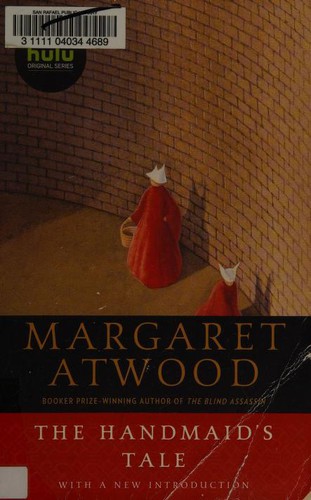
The original 1985 novel — read it first, then this resolves the haunting ending

Read Review
1984

1984

George Orwell

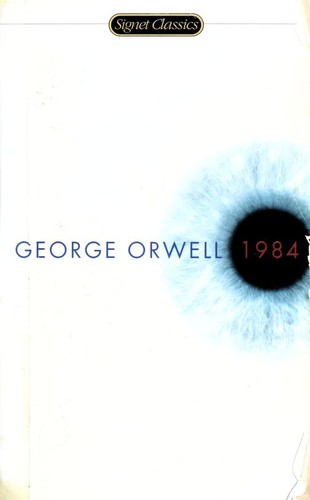
Orwell's totalitarian classic — Atwood's regime documents its own collapse from within

Read Review
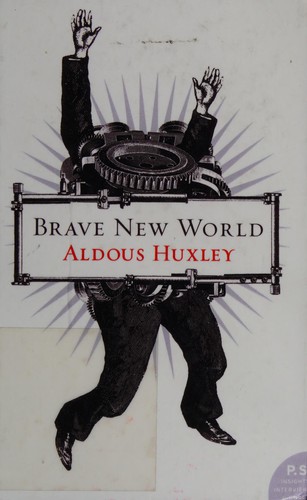
Brave New World

Brave New World

Aldous Huxley

Huxley's soft tyranny via comfort, Atwood's hard tyranny via theocracy — twin warnings

Read Review
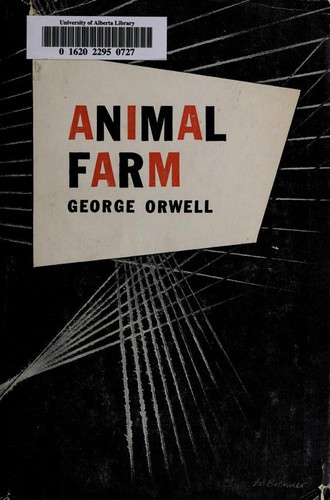
Animal Farm

Animal Farm

George Orwell

Orwell's allegory of revolution corrupted — Gilead's founding follows the same arc

Read Review

💬 Reader Thoughts

Email is required for anti-spam but can be fake if you prefer privacy.

Loading comments...