



← Back to Gallery
0 / 13
0:00 / 5:10
The Metamorphosis

The Metamorphosis

Book Review

The Shock Is The Opening

The Shock Is The Opening

Hey everyone! Ian here! Welcome to our book review of The Metamorphosis by Franz Kafka. Spoiler warning right away: I am going to give you the whole story. This is a short book, and the shock is not a twist at the end. The shock is the first sentence, and then what a family does with it.

One Morning In Bed

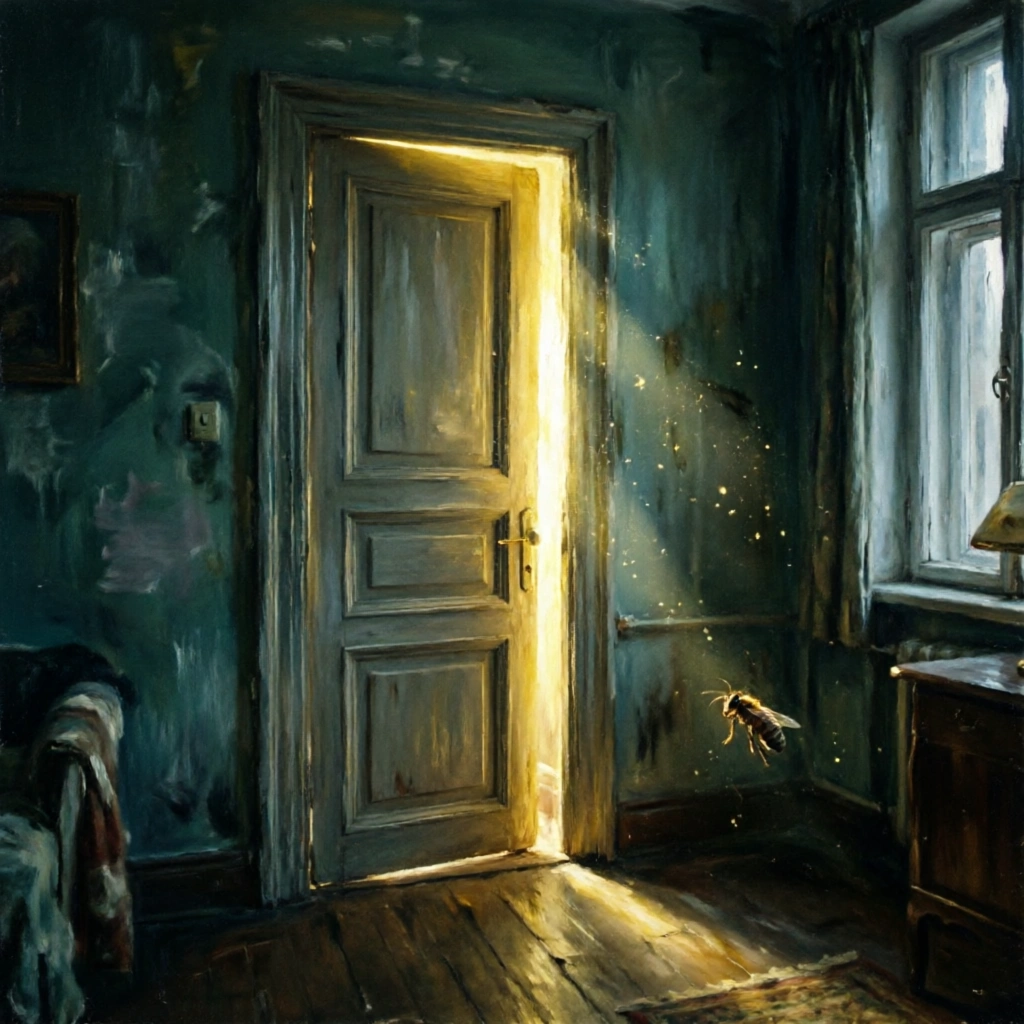
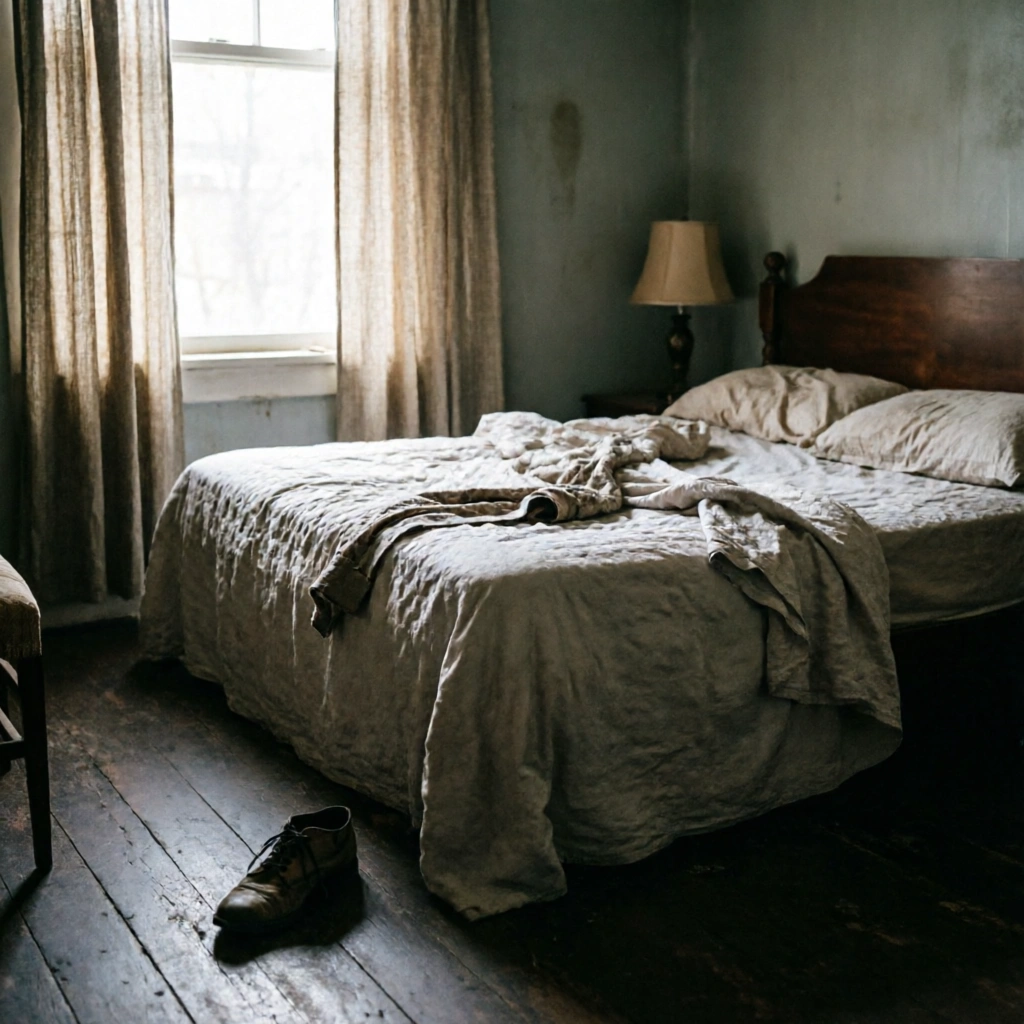
As Gregor Samsa awoke one morning from uneasy dreams he found himself transformed in his bed into a gigantic insect. That is the Muir English of Kafka’s German opening, published in nineteen fifteen as Die Verwandlung — first in the journal Die weissen Blaetter that October, then as a slim Kurt Wolff volume in Leipzig that December. It is only about seventy pages. It is the longest story Kafka finished and published in his lifetime, and it is the one that stuck.

One Morning In Bed
Do Not Draw The Insect

Do Not Draw The Insect

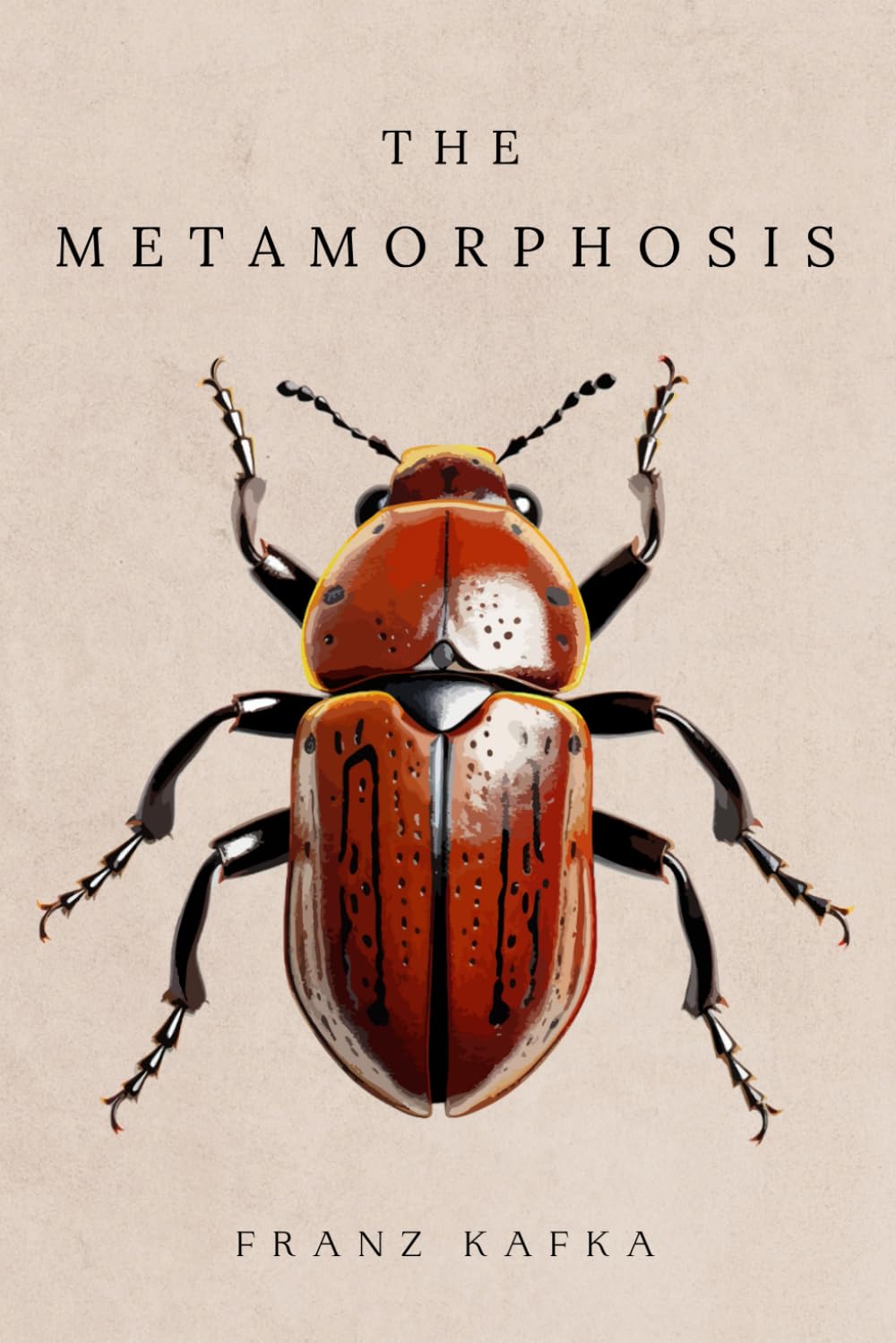
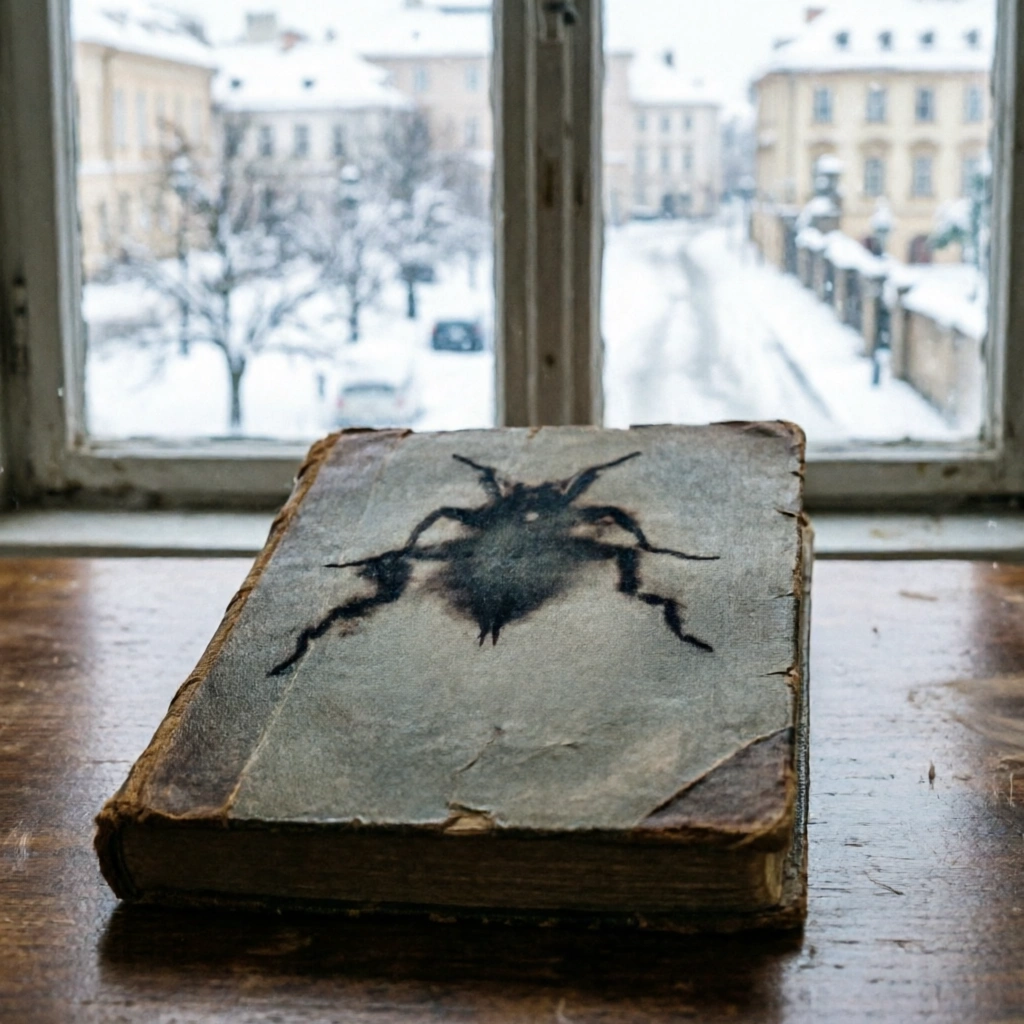
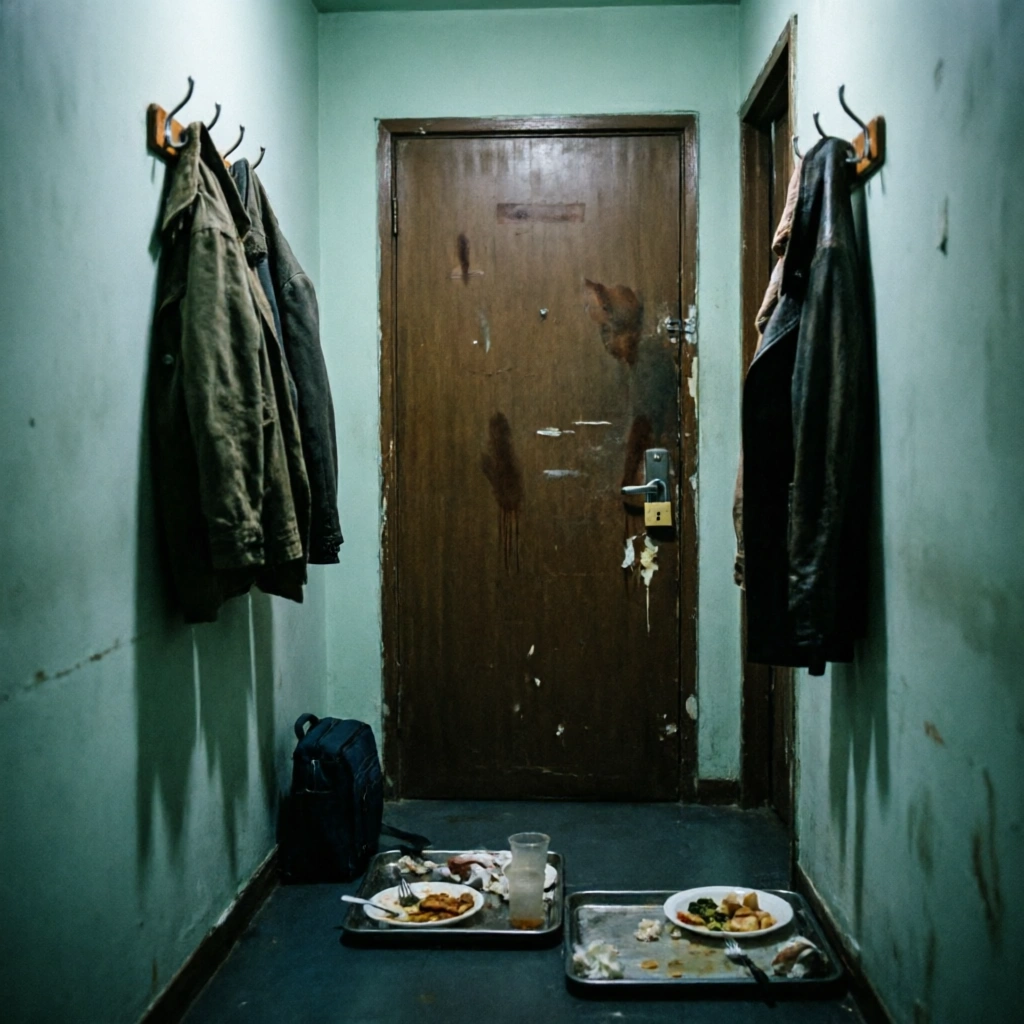
Kafka was a Prague insurance clerk who wrote at night. He was German-speaking, Jewish, and already circling the same obsessions: guilt without a clear crime, offices that swallow people, bodies that will not obey. He asked his publisher, in a letter that October, not to draw the insect on the cover. He wanted the creature unseen. Translators still fight over Ungeziefer — vermin, an unclean thing you do not name. That refusal to specify is the book’s first magic trick. You supply the picture. It keeps changing.

A Magician Reads Kafka

I first read it as a teenager, and the title had me before the plot did. I was a magician then. I performed the Metamorphosis illusion many times — the substitution trunk, the locked box, the impossible switch. Kafka is doing a different kind of switch. Nobody climbs out of the trunk restored. Gregor wakes already changed, and the rest of the novella is the audience walking around the box, deciding what the thing inside is worth.

A Magician Reads Kafka
First The Missed Train

First The Missed Train

The plot is almost cruelly simple. Gregor is a traveling salesman. He supports his parents and his sister Grete. His first thought after the transformation is not horror. It is the train. How about if I sleep a little bit longer and forget all this nonsense — and then the alarm about being late. His voice becomes an animal noise. The chief clerk comes to the apartment. The family sees him. His father drives him back into the bedroom. From then on Gregor is a problem of logistics: food, smell, furniture, money.

From Sister To It

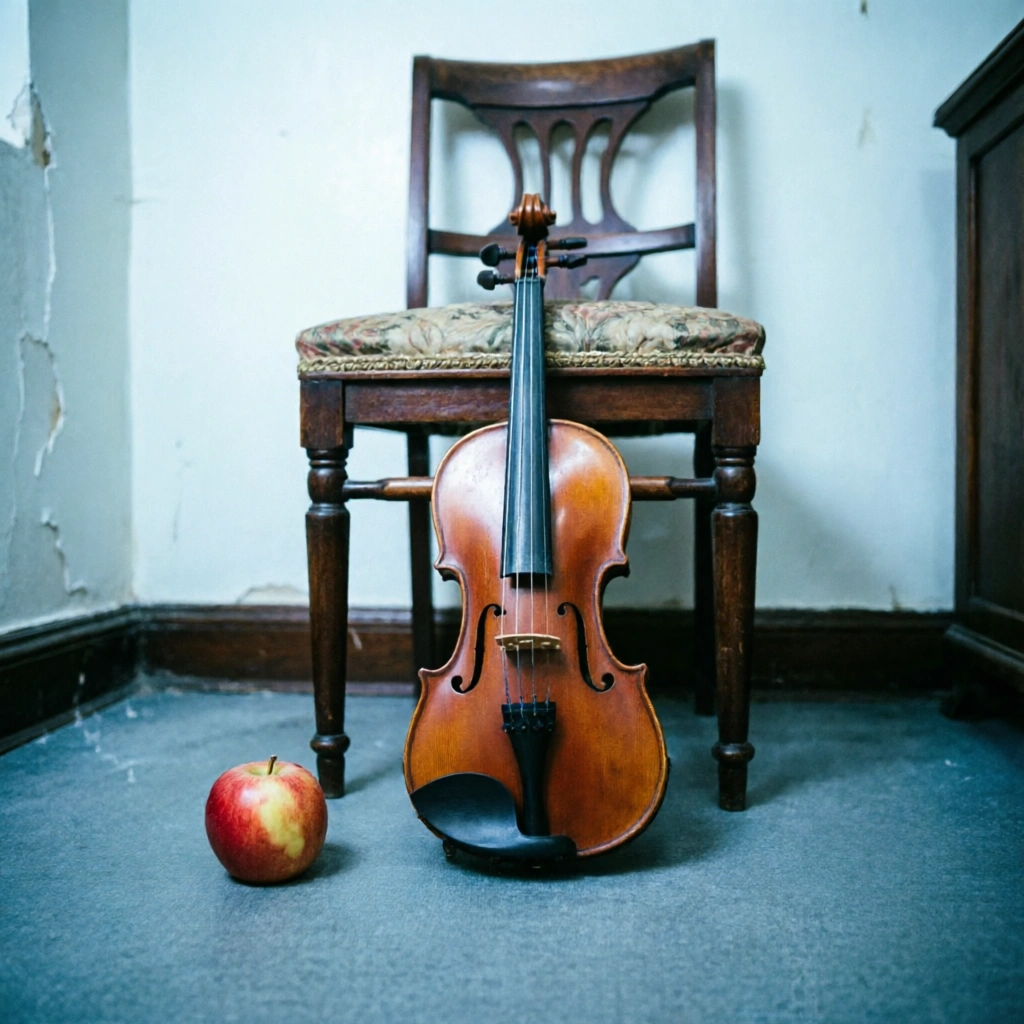
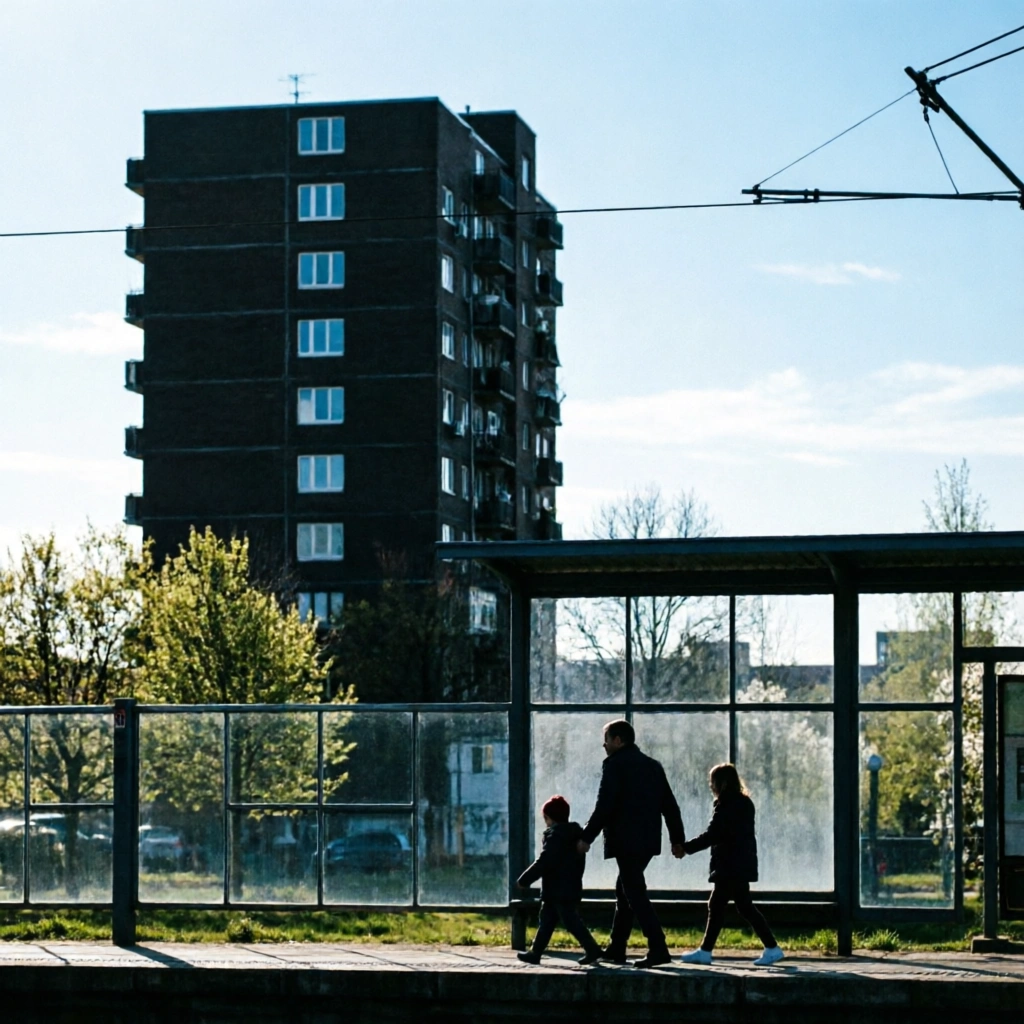
Grete starts as the kind one. She brings scraps. She tries to learn what he can eat. Then the room is cleared so he can crawl. Then they need the space. The father, revived by a job, throws apples; one lodges in Gregor’s back and rots there. Lodgers move in. Grete plays the violin. Gregor crawls toward the music and ruins the evening. Grete says the decisive thing: they must get rid of it. Not him. It. Gregor dies that night, unnoticed at first, like a chore that finished itself. In the morning the family takes a tram into the countryside. Grete stretches.

From Sister To It
The Family Walks On

The Family Walks On

They talk about finding her a husband. The last image is not the insect. It is the family, lighter, planning a future that no longer includes the son who paid for the old one.

An Argument Over Furniture

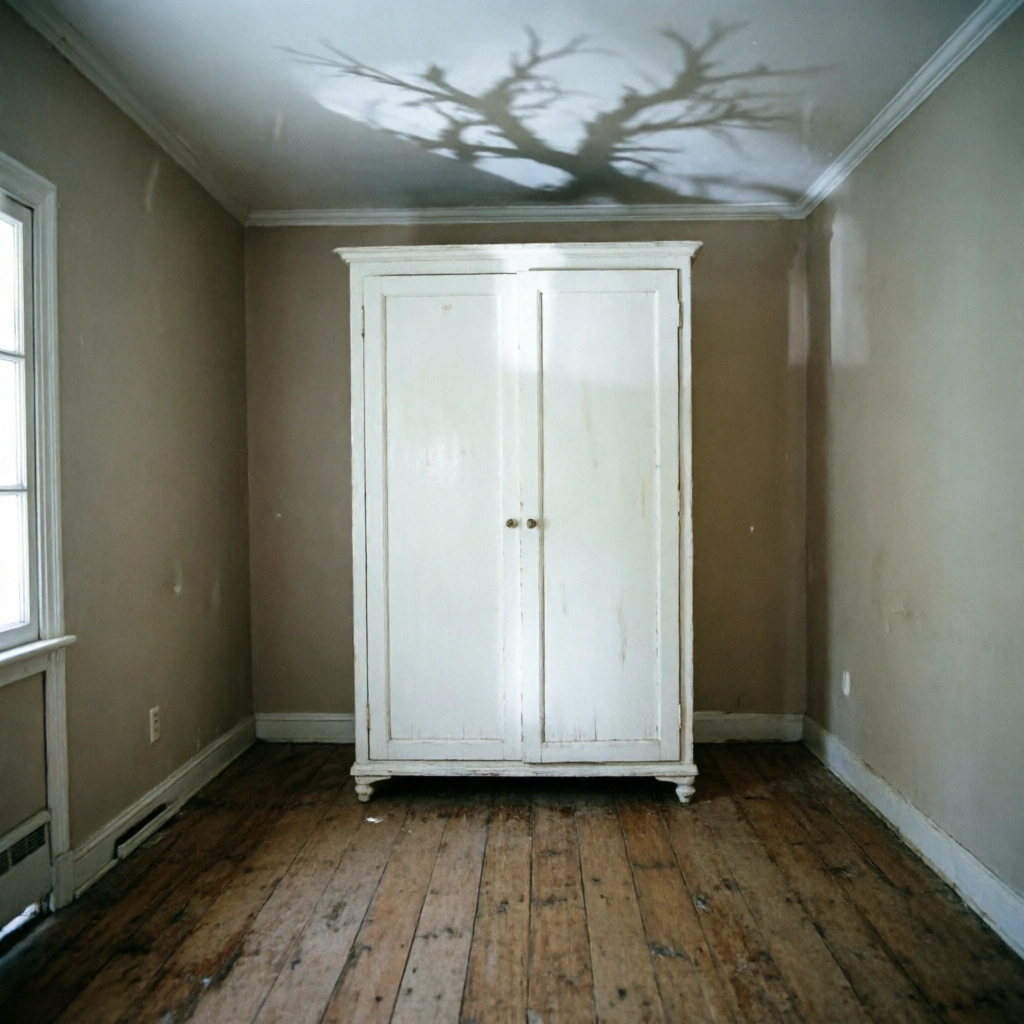
Notice what Kafka does with time. The first third is still almost a workplace farce: missing the train, the clerk at the door, the furniture, the key in the lock. Then the comedy drains. Gregor learns the ceiling. He hides under the sofa when Grete enters. He wants the furniture left in place so he can still recognize himself as a person, and he also wants the floor clear so he can climb. That split — keep the human room, or become the animal the room now requires — is the whole book in one argument over a wardrobe.

An Argument Over Furniture
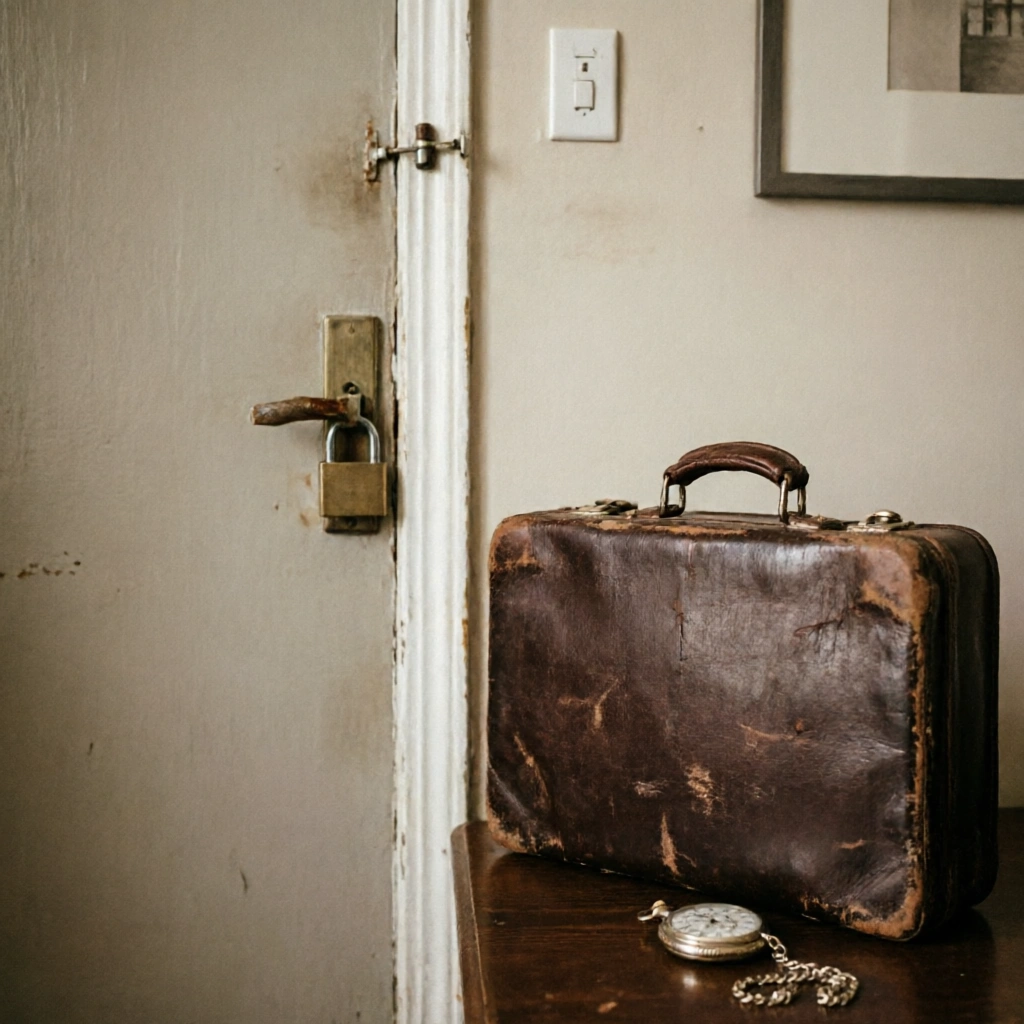
Love Becomes Maintenance

Love Becomes Maintenance

What Kafka is after is not a monster movie. It is how quickly love becomes maintenance, and maintenance becomes disgust, once a person stops being useful. Work, shame, language, the locked room — they are all the same trap. Gregor is most himself when he is still worrying about his boss. The family is most themselves when they start calling him it. The book never explains the change. Explanation would be mercy. There is no mercy.

The Apple Is The Diagnosis

Critics have treated it as allegory for illness, for Jewishness in Prague, for the son crushed by a father, for capitalism turning a worker into vermin. All of those readings fit because Kafka refused to pick one. Vladimir Nabokov, who taught the story, insisted the creature was a beetle with wings under the shell that Gregor never learned to use. That is a teacher’s flourish. The text will not confirm it. The apple in the back is the only diagnosis the book allows: a wound from your own house, left to rot.

The Apple Is The Diagnosis
A One Way Reveal

A One Way Reveal

I have read it several times, and it does not stay still. One pass it is about a job. One pass it is about a sickroom. One pass it is about a sister growing up by deciding her brother is not a brother. That is why the title still grabs me. In the illusion, metamorphosis is a restoration: you vanish and you come back as someone the audience recognizes. In Kafka, metamorphosis is a one-way reveal. The person was already being used as a function. The shell just makes it visible.

Another Evening Another Bruise

If you have never read it, it will take an evening. If you have, it will take another evening and a different bruise. Thanks for watching, and happy reading!

Another Evening Another Bruise

📚 You Might Also Like
Death of a Salesman

Death of a Salesman

Arthur Miller

Another salesman whose worth to the family is measured by what he can still provide

Read Review
1984

1984

George Orwell

A different machine for erasing the person while leaving the body at work

Read Review

One Hundred Years of Solitude

One Hundred Years of Solitude

Gabriel García Márquez

The impossible treated as household fact, then lived with until it kills

Read Review
The Catcher in the Rye

The Catcher in the Rye

J.D. Salinger

Alienation told from inside a voice that cannot make the adults hear him

Read Review

💬 Reader Thoughts

Email is required for anti-spam but can be fake if you prefer privacy.

Loading comments...