









← Back to Gallery
0 / 16
0:00 / 5:45
Death Of A Salesman

Death Of A Salesman

Book Review

The American Tragedy

The American Tragedy

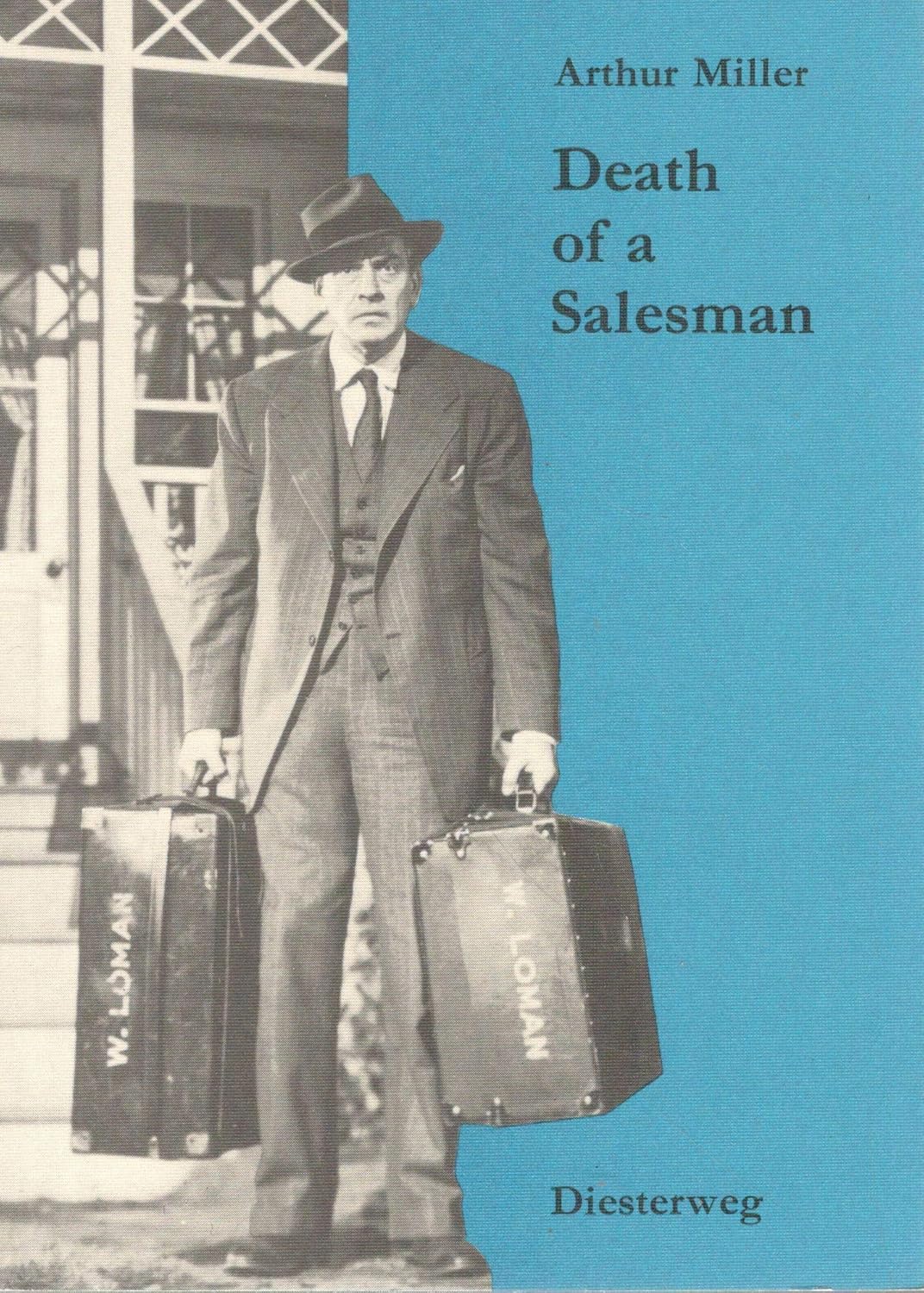
Hey everyone! Ian here! Welcome to our book review of Death of a Salesman by Arthur Miller. This is the play that defined American tragedy for the twentieth century, the one that asked a question we still haven't answered: what happens when the dream you've built your whole life around turns out to be a lie?

Miller's 1949 Thunderclap

Arthur Miller wrote Death of a Salesman in 1949, and it hit Broadway like a thunderclap. It won the Pulitzer Prize for Drama, the Tony Award for Best Play, and the New York Drama Critics' Circle Award — basically every award you could win in American theater that year. Miller was only thirty-three when he wrote it. He'd grown up in Brooklyn watching his own father, a successful coat manufacturer, lose everything in the 1929 crash. That collapse, that quiet shame of a man who used to be somebody, sits at the heart of this play.

Miller's 1949 Thunderclap
Spoiler Warning

Spoiler Warning

Quick spoiler warning here — this is a sixty-plus-year-old classic, but if you want to read it cold, pause now and come back. Everyone else, let's get into it.

Willy Sells Himself

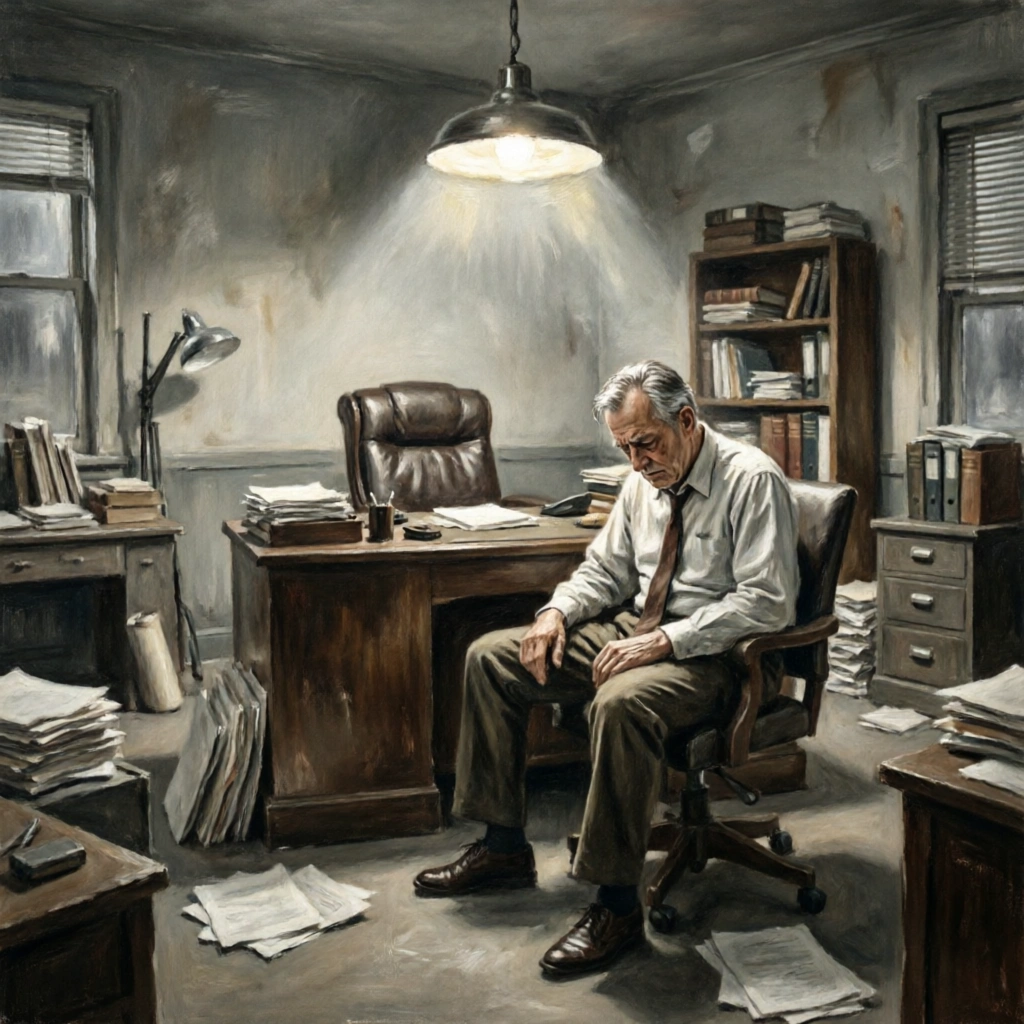
The story takes place over about twenty-four hours in the life of Willy Loman, a sixty-three-year-old traveling salesman from Brooklyn. Willy has been on the road for thirty-six years selling… something. Miller famously never tells us what Willy actually sells, and that's the point. Willy sells himself. He sells the idea that being well-liked, having a firm handshake, and knowing the right people is enough to make it in America.

Willy Sells Himself
Linda Begs For Mercy

Linda Begs For Mercy

The play opens with Willy coming home exhausted from a sales trip he couldn't finish. He keeps drifting off the road. His wife Linda, who loves him with a fierce and heartbreaking loyalty, begs him to ask his boss for a desk job in New York. His two grown sons are home visiting. Biff, the older one, was a high school football star who was supposed to become somebody great, but he's drifted from job to job out west, and at thirty-four he still doesn't know what he wants.

Happy The Hollow Son

Happy, the younger one, has a steady job and chases women, but he's hollow inside.

Happy The Hollow Son
The Boston Hotel Room

The Boston Hotel Room

As the play unfolds, Willy slips in and out of memory. We see flashbacks to when the boys were teenagers, when the future seemed limitless, when Willy's brother Ben — who walked into the jungle at seventeen and walked out rich — represented everything Willy thought success looked like. We learn that something happened years ago between Willy and Biff in a Boston hotel room, something Biff discovered that shattered the father he believed in. That moment, that one moment, broke them both.

Fired After Thirty-Six Years

Willy gets fired from the company he gave his life to. The boss's son tells him he's worn out, used up. Biff tries to land a business loan from an old boss who doesn't even remember him. The final confrontation between Willy and Biff is one of the most devastating scenes in American drama. Biff finally tells the truth — he's nothing special, Willy is nothing special, and that's okay, that should be okay. But Willy can't hear it. He can't let go of the dream.

Fired After Thirty-Six Years
A Smile And A Shoeshine

A Smile And A Shoeshine

And in the play's final act, he makes a choice that he believes will finally give his son the future he was promised. The play's central argument is brutal and unforgettable. Miller wrote, "He's a man way out there in the blue, riding on a smile and a shoeshine." That's Willy in one sentence. A man whose entire identity was built on being liked, who measured his worth by his sales numbers, who never asked whether the game itself was worth playing.

The Religion Of Success

There are several massive themes here. The first is the American Dream as a kind of religion — and what happens to the faithful when the god doesn't deliver. The second is the relationship between fathers and sons, the weight of expectation, the way our parents' unfinished business becomes our inheritance. The third is the difference between being well-liked and being known. Willy's neighbor Charley is everything Willy isn't — quiet, unglamorous, successful — and Willy can't stand him.

The Religion Of Success
Bernard Wins The Supreme Court

Bernard Wins The Supreme Court

Charley's son Bernard, the nerdy kid Willy used to mock, ends up arguing cases before the Supreme Court. The fourth is memory itself as a force that can drown a person. Willy doesn't just remember the past — he's swallowed by it.

Attention Must Be Paid

One of Linda's lines became one of the most famous in American theater. Defending Willy to her sons, she says, "Attention must be paid to such a person. Attention must be paid." That line is Miller's whole thesis. The little man, the failed man, the ordinary tired man — he matters. His suffering is real. His tragedy is a real tragedy, even if he never wore a crown.

Attention Must Be Paid
Reading It As An Adult

Reading It As An Adult

I had to read this in high school English class, and I'll be honest — at sixteen I didn't get it. I thought Willy was kind of pathetic and Biff was kind of whiny and I couldn't wait for it to be over. Reading it again as an adult, after working real jobs, after watching people I love grind themselves down chasing things that don't love them back, this play absolutely wrecked me. It's not about a salesman. It's about every person who ever bet their life on a story someone else told them.

Willy Loman Is On LinkedIn

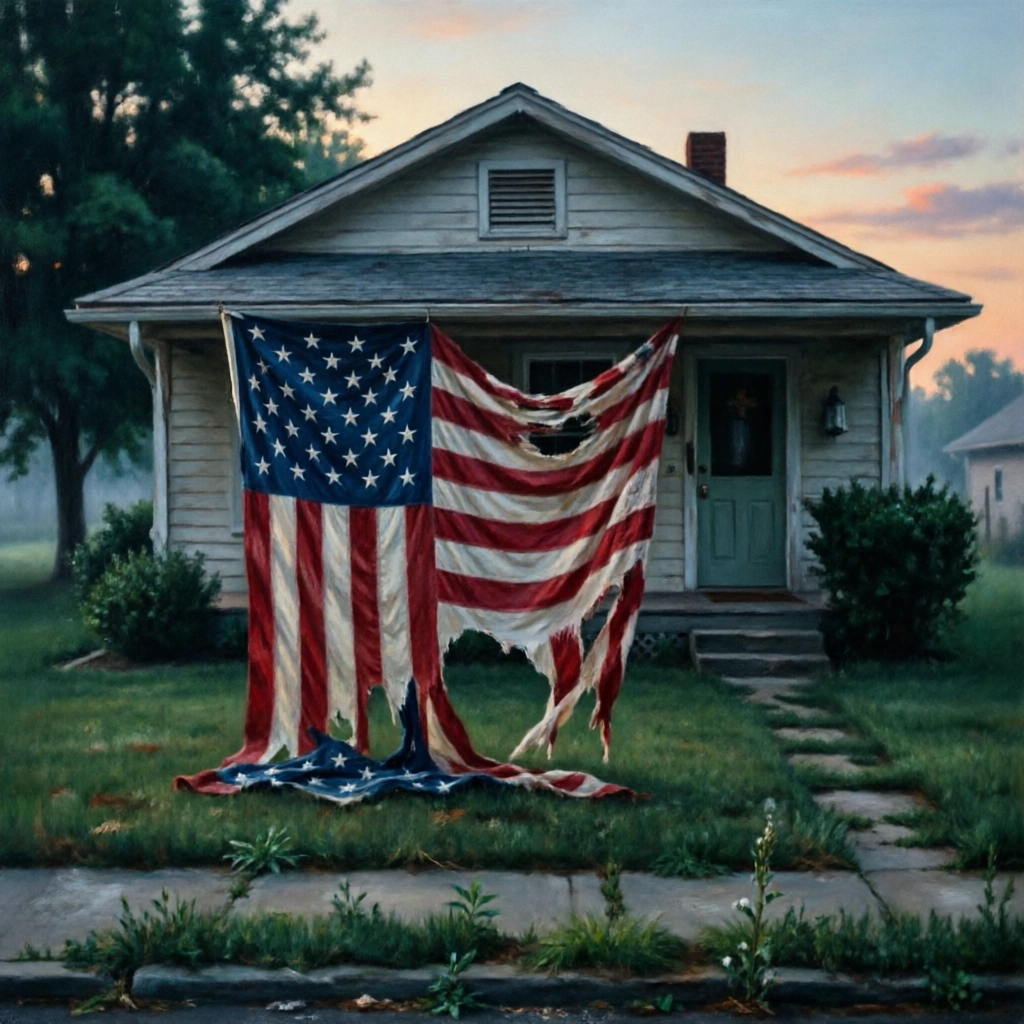
Why does this book deserve your time? Because the questions Miller asked in 1949 are louder now than ever. We live in a world that still tells us hustle is virtue, that personal branding is identity, that the right grin and the right pitch can carry you anywhere. Willy Loman is on LinkedIn now. He's running a side hustle. He's optimizing his morning routine. Miller saw it coming seventy-seven years ago and wrote the warning that nobody listened to.

Willy Loman Is On LinkedIn
Why This Play Endures

Why This Play Endures

It's also incredibly short — you can read the whole play in an afternoon — and the language is so direct, so emotionally precise, that it never feels dated. If you've ever felt invisible in your work, if you've ever wondered whether the thing you're chasing is even worth catching, if you've ever loved someone who couldn't see themselves clearly — this play is for you. Thanks for watching, and happy reading!

📚 You Might Also Like
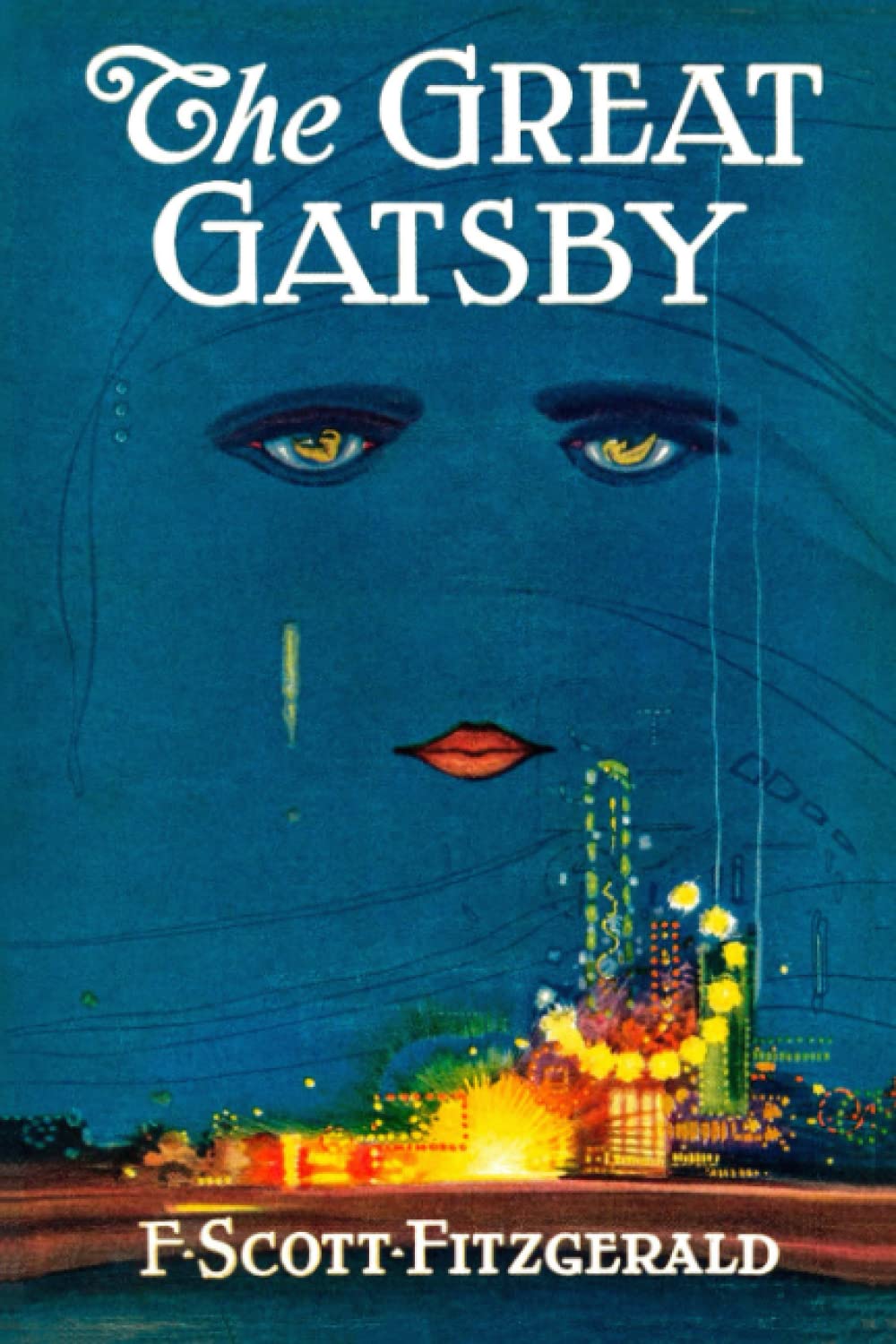
The Great Gatsby

The Great Gatsby

F. Scott Fitzgerald

The American Dream as beautiful lie, told a generation earlier

Read Review
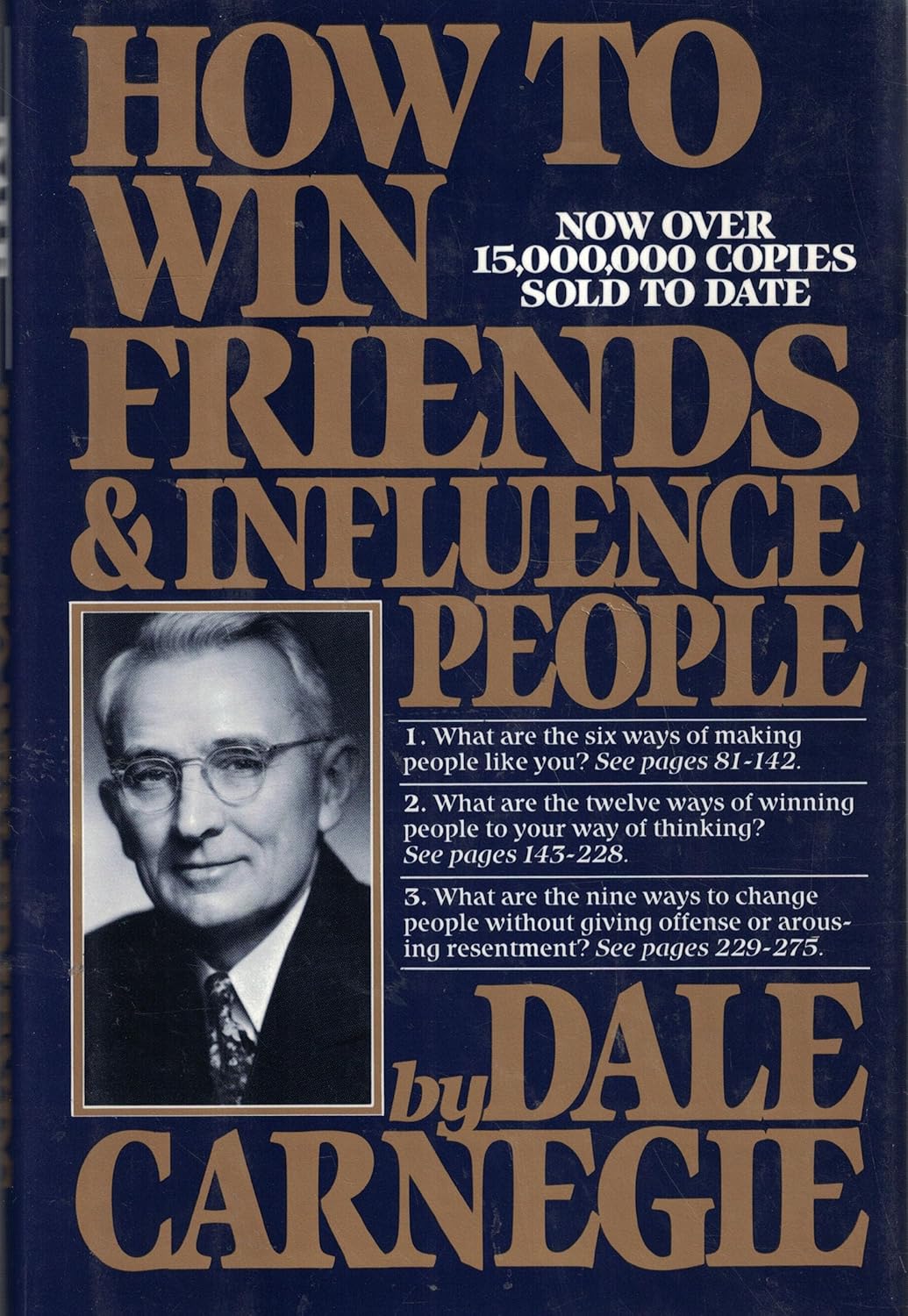
How to Win Friends and Influence People

How to Win Friends and Influence People

Dale Carnegie

The very gospel of being well-liked that Willy worshipped

Read Review
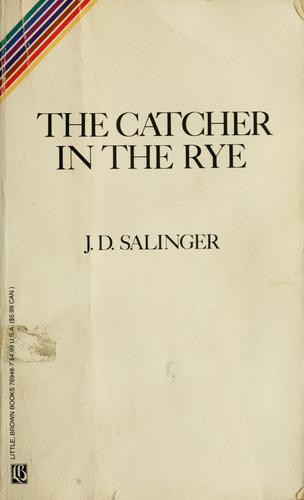
The Catcher in the Rye

The Catcher in the Rye

J.D. Salinger

Another postwar American voice howling at the phoniness of success

Read Review
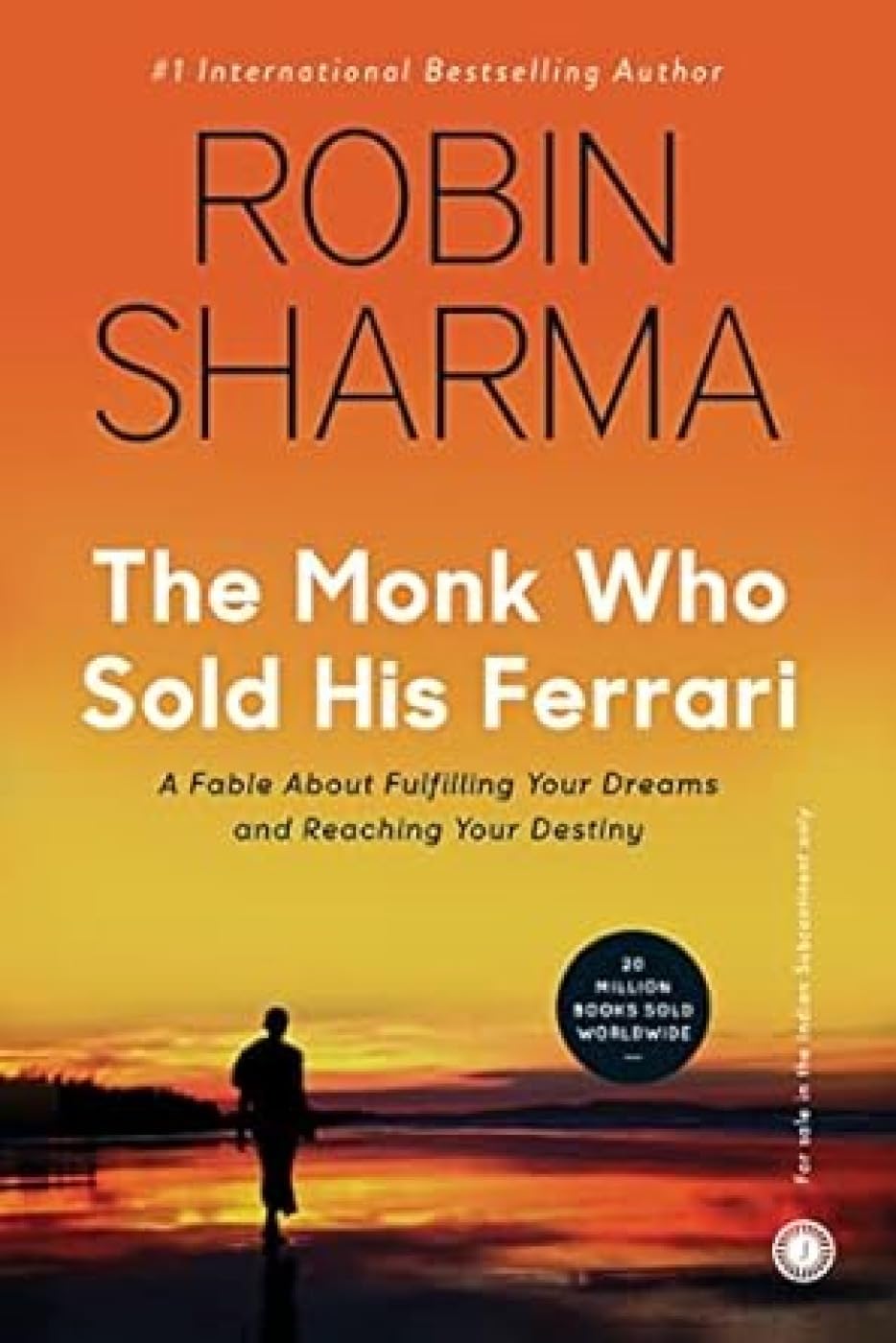
The Monk Who Sold His Ferrari

The Monk Who Sold His Ferrari

Robin Sharma

The salesman's opposite path: walking away from the dream that consumes you

Read Review

💬 Reader Thoughts

Email is required for anti-spam but can be fake if you prefer privacy.

Loading comments...