Introduction
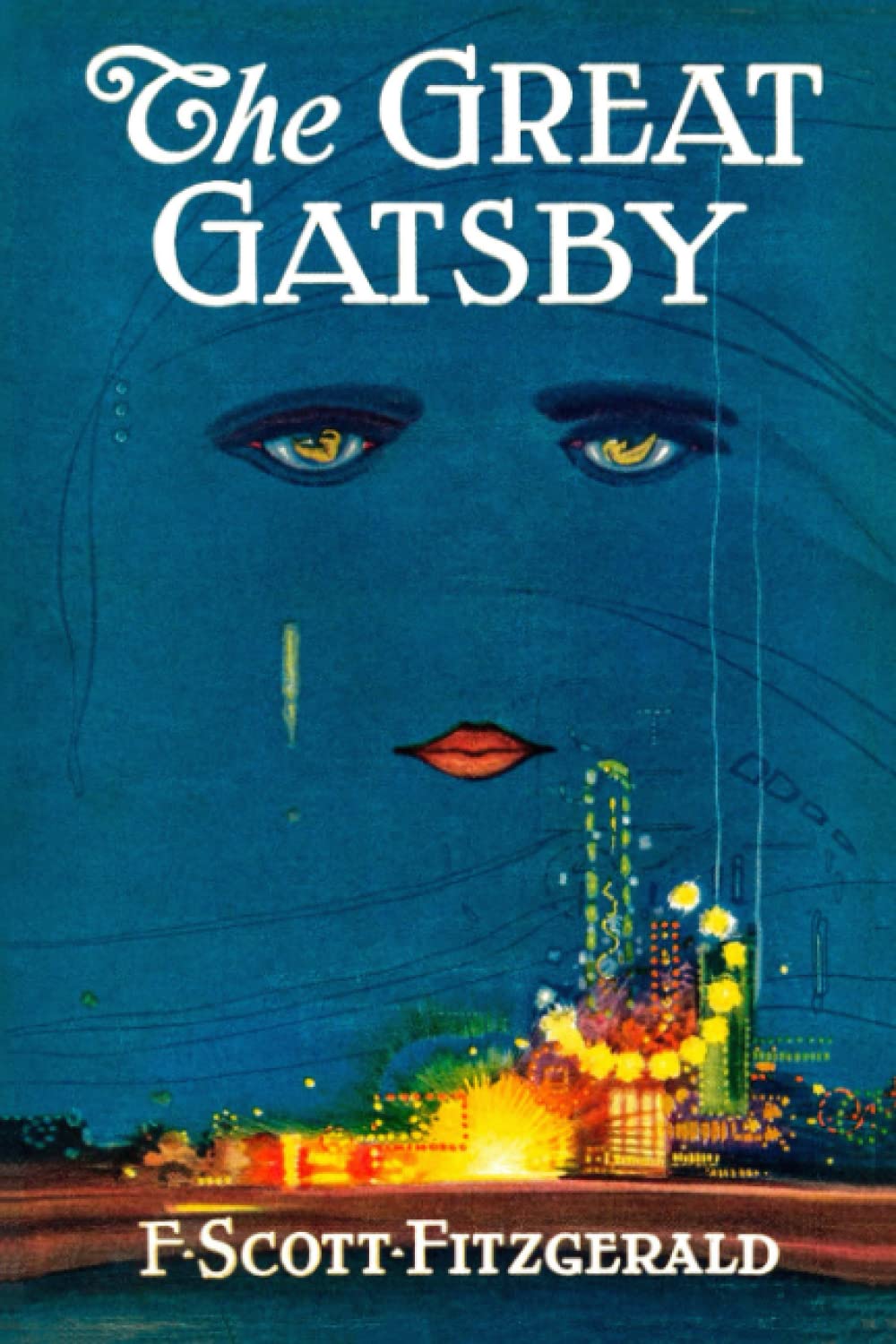
Hey everyone! Ian here. Welcome back to our must-read book review series. Today we're diving into a slim novel that somehow captures the entire soul of America in the Roaring Twenties—and still feels painfully relevant almost a century later. If you've ever chased a dream that seemed just out of reach, or wondered what all the money and success in the world is really worth, this book is going to stay with you. It's F. Scott Fitzgerald's masterpiece, The Great Gatsby.
About the Author
The author is F. Scott Fitzgerald, born in 1896 in St. Paul, Minnesota. He attended Princeton, served in the army during World War I, and shot to literary fame with his debut novel This Side of Paradise in 1920. He and his wife Zelda lived the extravagant Jazz Age life he both celebrated and skewered—partying hard on Long Island, rubbing shoulders with the new-money crowd and the old-money elite. He coined the very term "Jazz Age." In 1924, while living in France,
Publication & Legacy
he wrote this book. It was published on April 10, 1925, by Charles Scribner's Sons. At around 180 to 200 pages depending on the edition, it's a tightly written tragedy set in the summer of 1922 on Long Island and in New York City. When it first came out it received mixed reviews and was a commercial disappointment—selling fewer than 23,000 copies in its first year. Fitzgerald died in 1940 believing his work had been forgotten. But it found new life during World War II when copies were sent to soldiers, became a high-school staple in the 1950s, and is now widely hailed as one of the greatest American novels ever written—the
Nick & The World
Great American Novel. The story is told in the first person by Nick Carraway, a reserved young man from the Midwest who moves east in the summer of 1922 to learn the bond business. He rents a modest bungalow in West Egg, the "new money" side of Long Island, directly next door to the enormous, mysterious mansion belonging to the enigmatic millionaire Jay Gatsby. Across the bay in the more fashionable East Egg live Nick's cousin Daisy Buchanan and her husband Tom, a wealthy, arrogant former Yale football star from an old-money family. Nick is soon drawn into their glittering
The Legendary Parties
but uneasy world. Gatsby throws legendary, extravagant parties every weekend—hundreds of guests, endless champagne, jazz orchestras, dancing under the stars—yet Gatsby himself remains a figure of rumor and speculation. No one seems to know exactly where his fortune came from
The Valley of Ashes
or who he truly is. As Nick gets to know Gatsby better, he learns there is a deep, almost obsessive connection to Daisy from years earlier, before the war changed everything. Through the long, hot summer, Nick witnesses the interactions between these characters: the secret affairs, the casual cruelties enabled by money, the growing tensions. We travel with them from the lavish homes on Long Island into the grim industrial Valley of Ashes where the working class scrapes by, and into the chaotic energy of New York City itself. Fitzgerald masterfully builds a portrait of a society obsessed with wealth, status, appearances, and pleasure—while underneath it all simmers loneliness, disillusionment,
The American Dream
and moral emptiness. Now let's break down the five or six biggest ideas that make this book so powerful. At its heart, The Great Gatsby is a devastating critique of the American Dream. Gatsby embodies the self-made man who believes that with enough money and sheer willpower he can recapture the past and achieve perfect happiness. Fitzgerald shows how that dream has been corrupted by greed and materialism in the 1920s boom. A second key theme is the brutal
Class, Love & The Past
divide between old money and new money. The Buchanans represent inherited wealth and the careless privilege that comes with it, while Gatsby's flashy new fortune can never quite buy him entry into their closed world—no matter how hard he tries. Third, love and relationships are twisted by class and money. Daisy's line in Chapter 1 captures the cynicism perfectly: "I hope she'll be a fool—that's the best thing a girl can be in this world, a beautiful little fool." Fourth, Fitzgerald exposes the emptiness of the upper class. As Nick reflects, "They were careless people, Tom and Daisy—they smashed up things and creatures and then retreated back into their money or their vast carelessness, or whatever it was that kept them together, and let other people clean up the mess they had made." Fifth, the book is haunted by the power—and danger—of the past. Gatsby's desperate belief that you can repeat the past drives much of the story. The green light at the end of Daisy's dock becomes a symbol of that unreachable future he keeps chasing. And finally,
Timeless Power
the novel leaves us with one of the most famous closing lines in literature: "So we beat on, boats against the current, borne back ceaselessly into the past." Fitzgerald's central goal was to capture the glamour and the moral rot of the Jazz Age and to show how the American promise of success had turned hollow. He achieves it with breathtaking lyrical prose, unforgettable symbols, and a narrator who is both inside the story and quietly judging it. Some readers today might find the 1920s setting distant, but the core truths feel more urgent than ever in any era of wealth inequality, status chasing, and shiny illusions. The language is gorgeous, the characters are unforgettable, and the insights into human nature cut deep.
Why Read It
This book deserves your time because it's short, beautifully written, and packs an emotional and intellectual punch like few others. Whether you're a student, a dreamer, a businessperson, or just someone who loves great storytelling, The Great Gatsby will make you think about what you're really chasing in life. It's a timeless warning wrapped in one of the most elegant stories ever told. There you have it—The Great Gatsby by F. Scott Fitzgerald. If you haven't read it yet, pick up a copy today. You won't regret it. Drop a comment below: what's your favorite moment or quote from the book? And make sure to subscribe so you don't miss our next classic review. Thanks for watching, everyone—I'll see you in the next one!
💬 Reader Thoughts
Loading comments...