Book Review

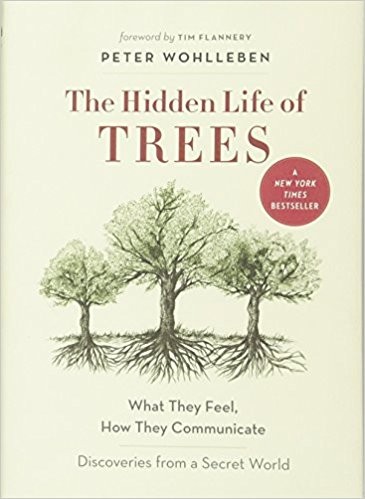
Hey everyone! Ian here! Welcome to our book review of The Hidden Life of Trees by Peter Wohlleben. If you've ever walked through a forest and felt like you were being watched, this book will tell you that you absolutely were. Trees are not passive background scenery. They are living, sensing, communicating beings, and what Wohlleben reveals about them will change how you see every trunk and leaf.
Peter Wohlleben is a German forester who has managed woodlands in the Eifel mountains for decades. He published The Hidden Life of Trees in 2015, and it became an instant international phenomenon, translated into more than forty languages. The book's genius is that Wohlleben doesn't write like a scientist writing for scientists. He writes like a man who has spent his life among trees and is bursting to tell you what they are actually doing. The science is real, but the delivery is pure wonder.


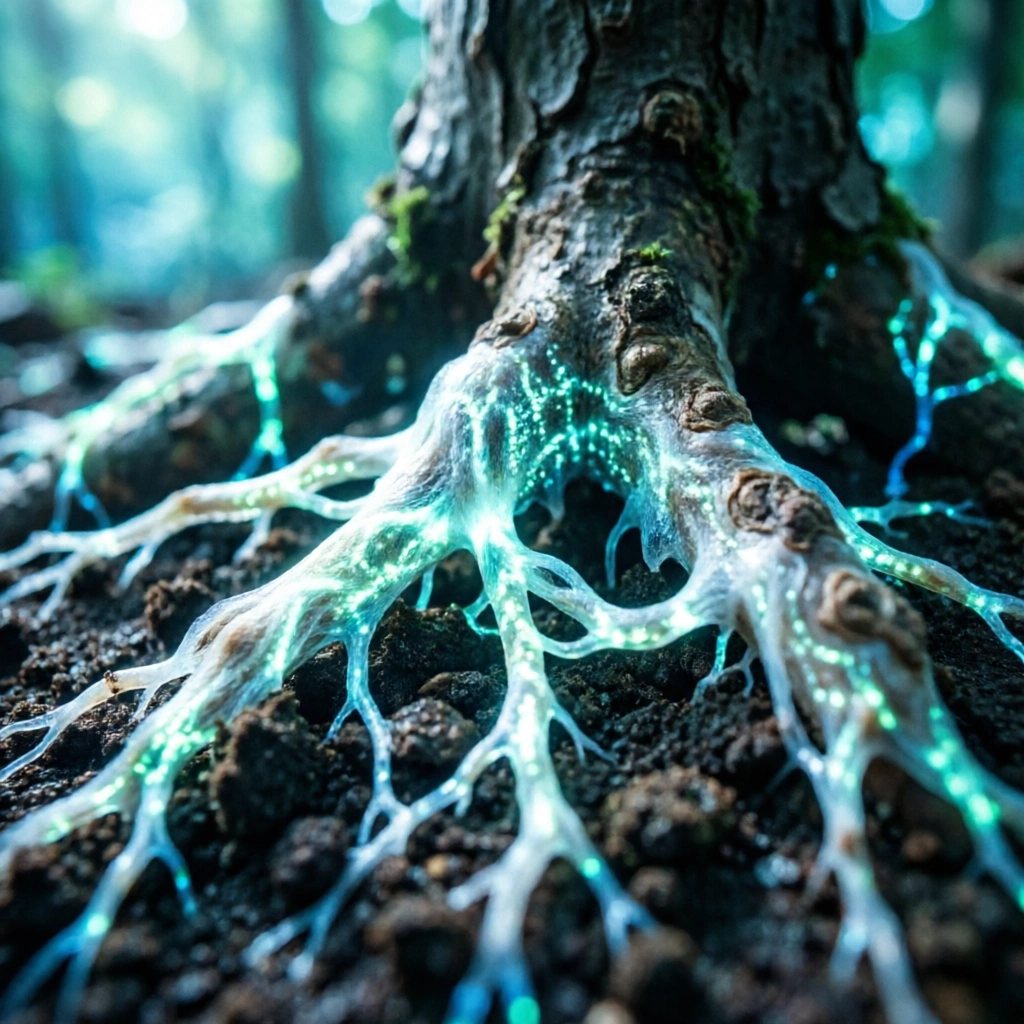
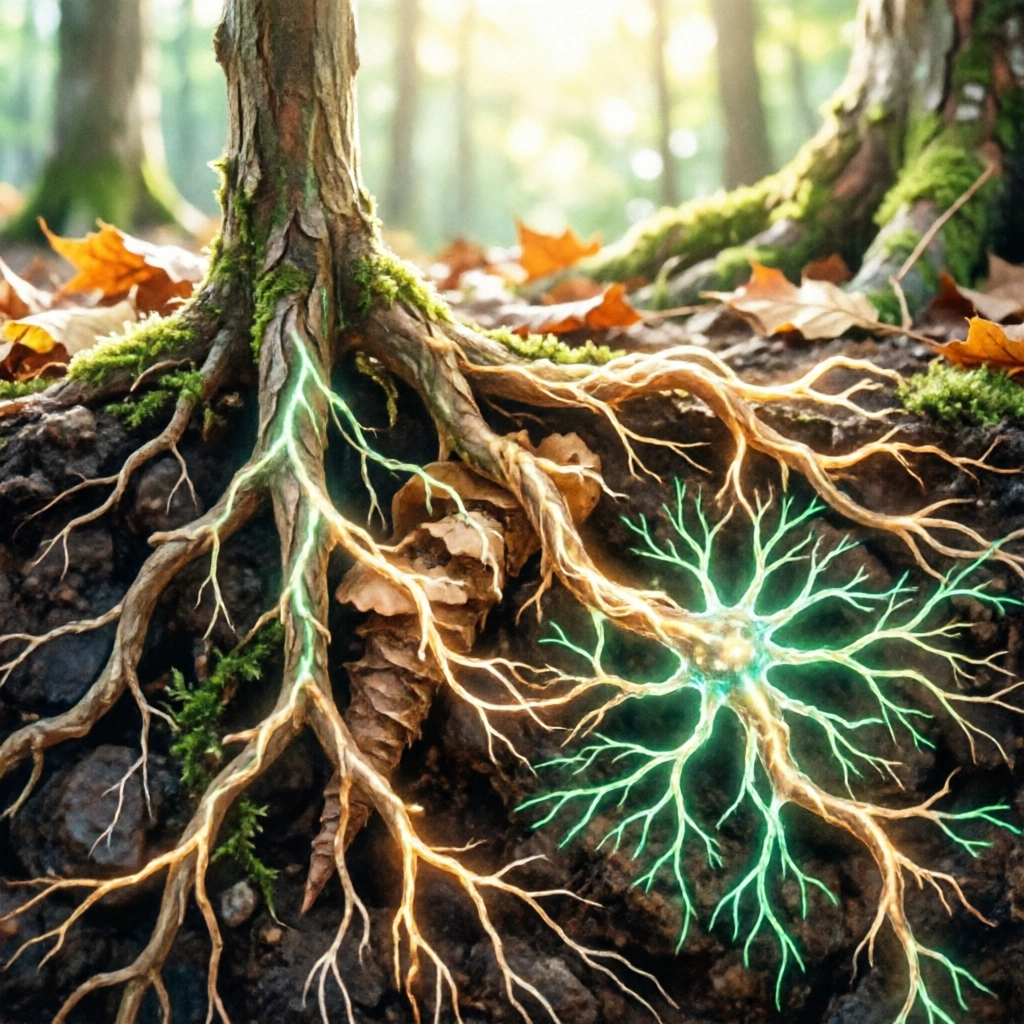
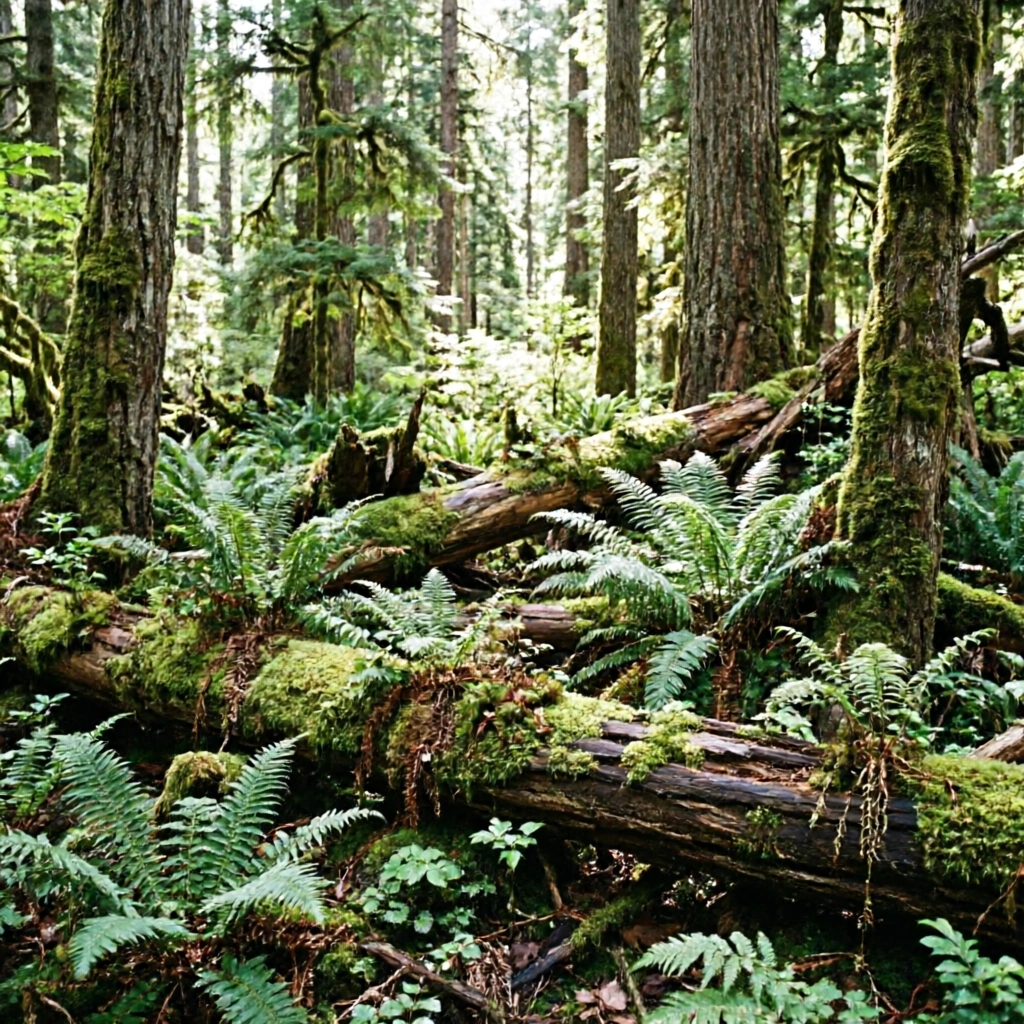
The central argument of the book is that trees operate as communities. They do not compete blindly for light and resources. They cooperate. Through what scientists call mycorrhizal networks — underground fungal webs that connect tree roots — forests share nutrients, water, and chemical warnings. Wohlleben calls this the Wood Wide Web, and it is one of the most stunning ecological discoveries of the past few decades. A birch tree in distress can send sugars through fungal threads to a nearby beech.
A Douglas fir can keep a shaded sapling alive for years by feeding it through the network. When you walk through an old forest, you are walking across a living internet that has been running for millennia.


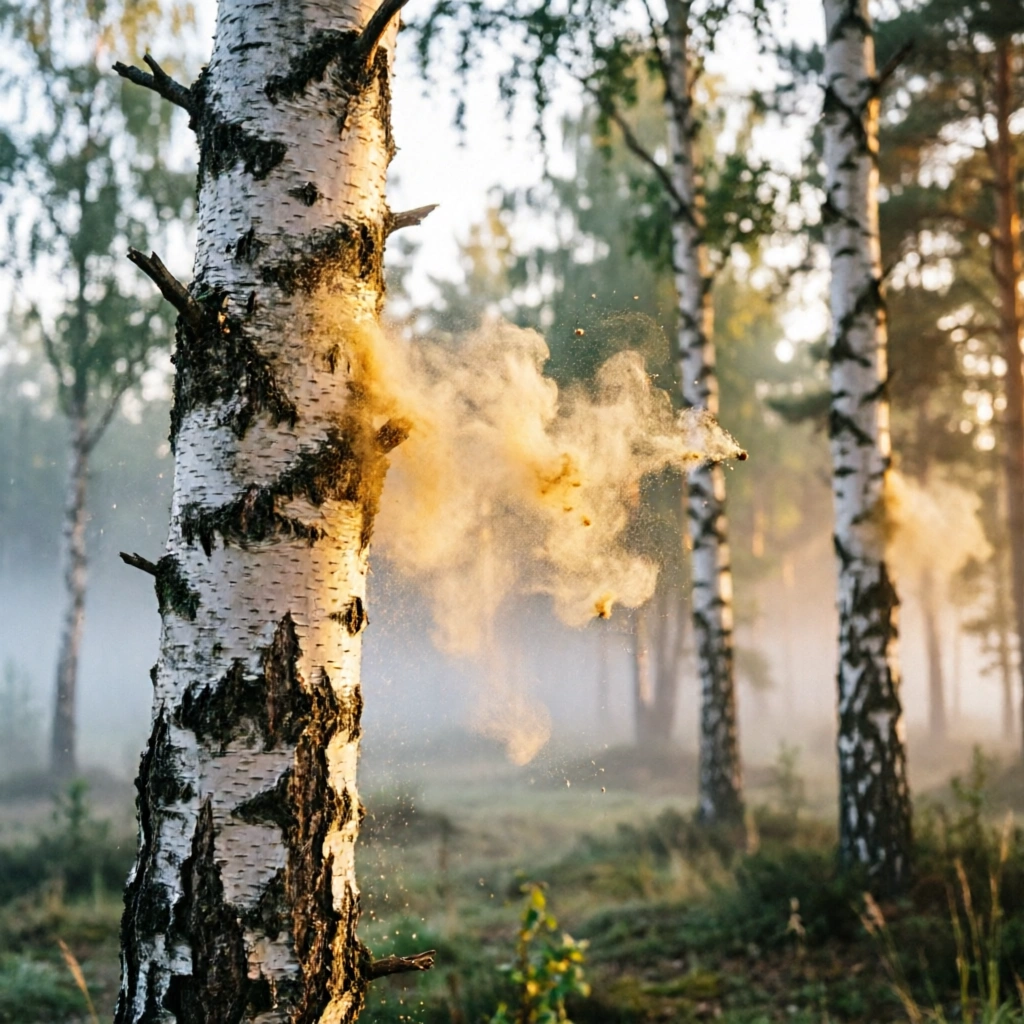
Trees also communicate through the air. When an insect begins attacking a tree, the tree releases volatile chemicals into the air, and neighboring trees detect those chemicals and start producing defensive compounds before the attacker reaches them. Wohlleben describes this not as cold biology but as language. Trees warn their neighbors. They listen. They remember.
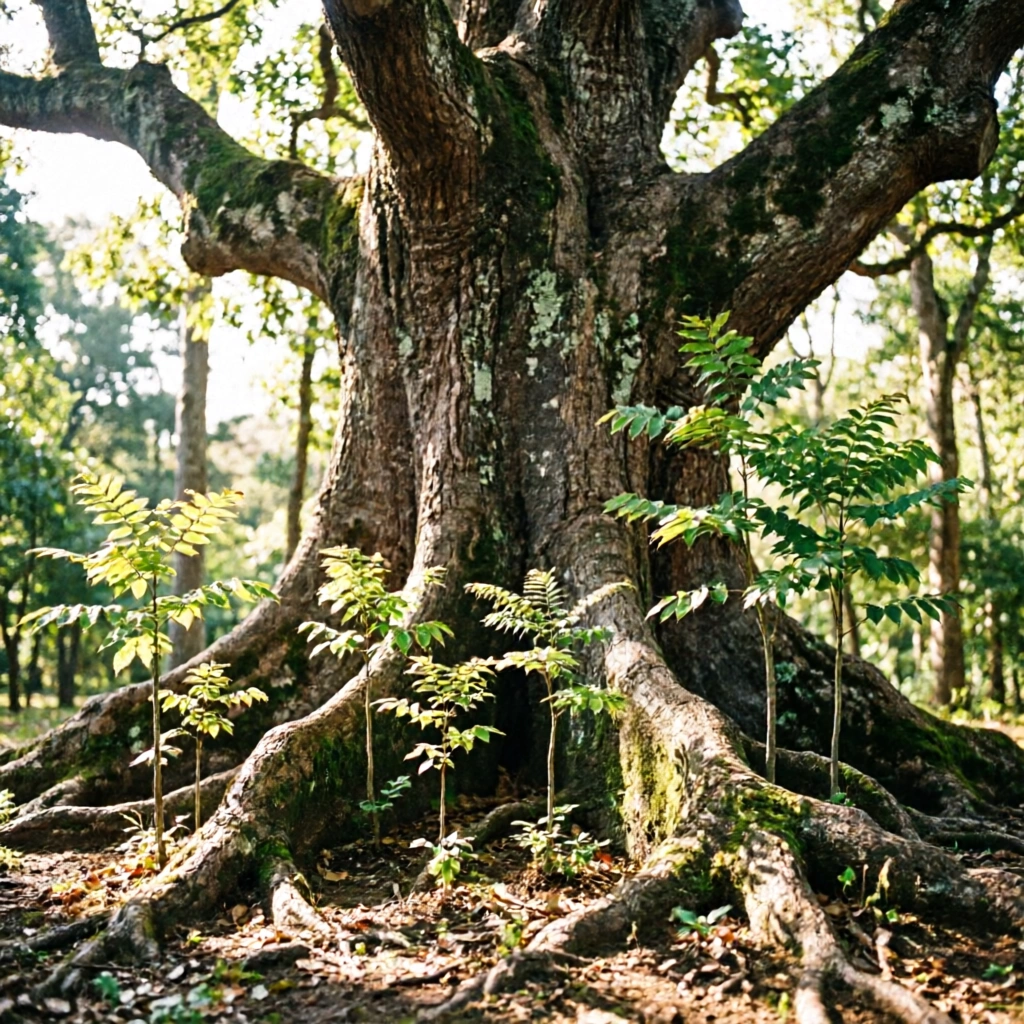
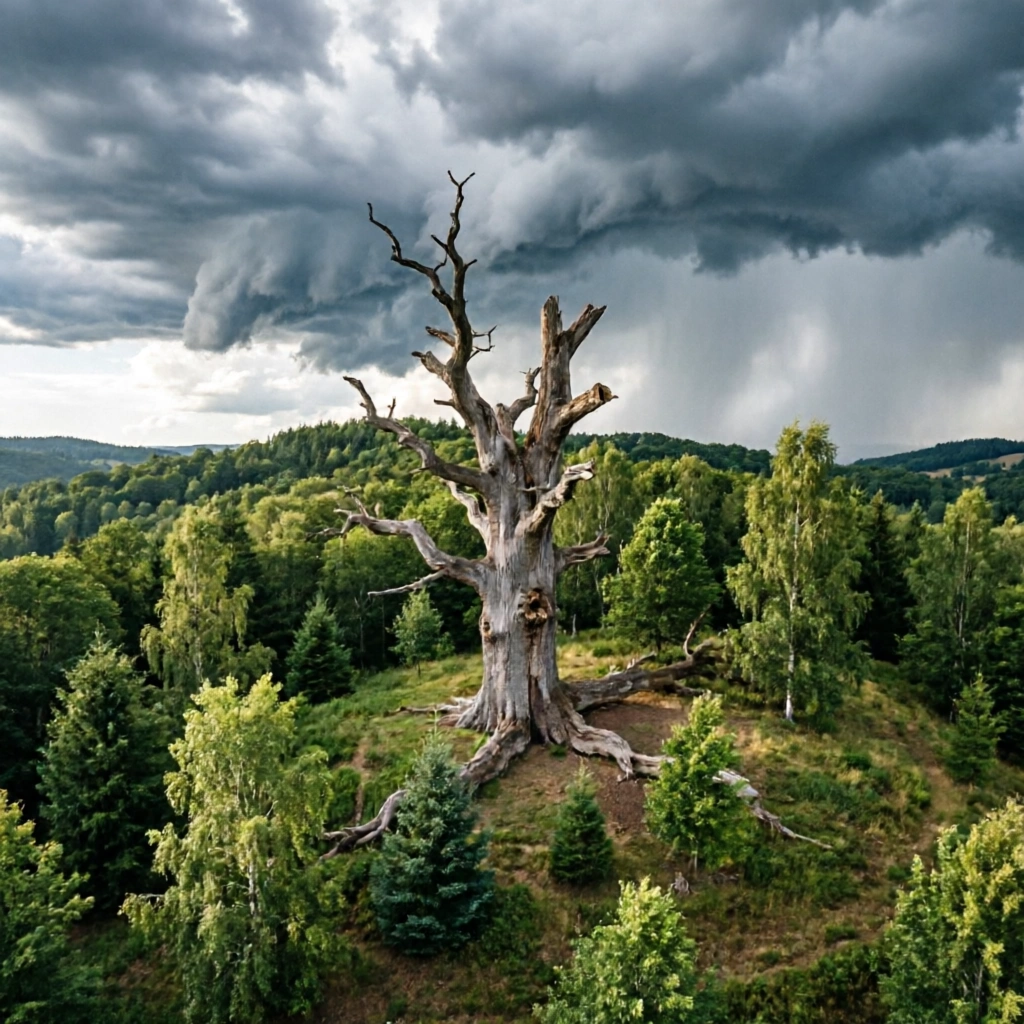
One of the most moving chapters deals with what Wohlleben calls mother trees. These are the oldest, largest trees in a forest, and they play a nurturing role that mirrors human family structures. A mother tree recognizes its own offspring and redirects nutrients toward them. It keeps the younger trees in slower growth patterns, which sounds cruel until you understand why: slow growth produces denser wood and deeper roots, which makes the young tree far more durable. A tree that shoots up fast is fragile.


A tree that grows slowly, under its mother's protection, becomes a giant. When a mother tree dies, the whole network destabilizes. The death of one ancient oak can reshape the social architecture of an entire hillside.
Wohlleben also reveals that trees have a sense of time. They can count days to know when to bud. They remember droughts and prepare for them years in advance by altering their water storage. They feel pain, though not the way animals do — when their bark is damaged, they release electrical signals and chemical distress calls. And yes, they sleep. At night, trees relax their branches and reduce their water pressure, a measurable physical state that researchers have now confirmed.


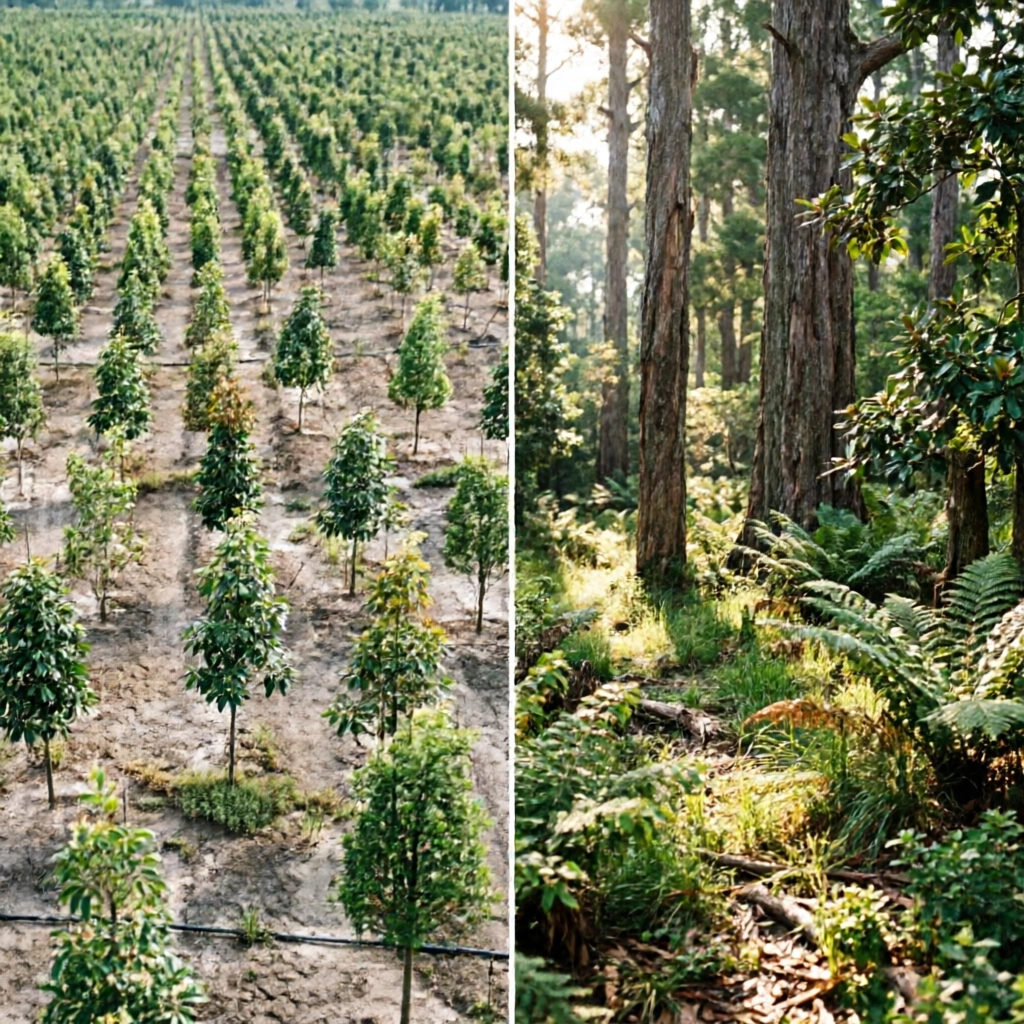
The book is full of these kinds of revelations, but Wohlleben never loses sight of the human angle. He asks: what does it mean that we have been clear-cutting forests that are actually societies? When we plant rows of identical trees for timber, we are not creating forests. We are creating plantations where the trees are too young to communicate, too isolated to share, and too weak to survive without chemical intervention. Real forests take hundreds of years to develop their underground networks. You cannot replant that in a human lifetime.
The Hidden Life of Trees is a hopeful book, but it is also a warning. We have misunderstood forests as collections of individuals competing for survival. In reality, they are collaborative systems where diversity and age create resilience. An old-growth forest is not a museum piece. It is a thriving, talking, trading civilization that has solved problems we are only beginning to understand.


So why should you read it? Because it is one of the most perspective-shifting science books I have encountered. It will make you rethink what intelligence means, what community means, and what we owe to the living systems we keep destroying. You do not need to be a biologist or a tree-hugger to love this book. You just need to have walked through a forest and wondered, even for a second, if there was more going on than you could see. Wohlleben gives you the answer: there is infinitely more. Thanks for watching, and happy reading!
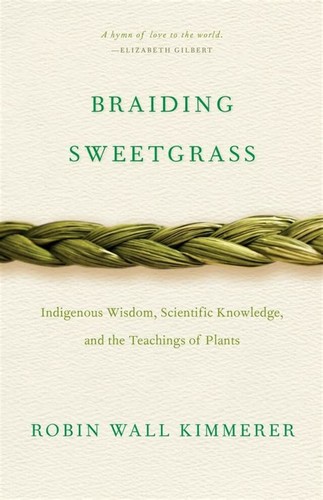
Robin Wall Kimmerer
Indigenous wisdom meets scientific ecology — another perspective on the hidden intelligence of nature
Read Review
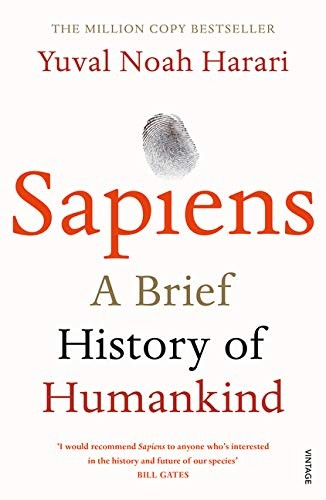
Yuval Noah Harari
How humans became the dominant species and what our dominance has cost the living systems around us
Read Review
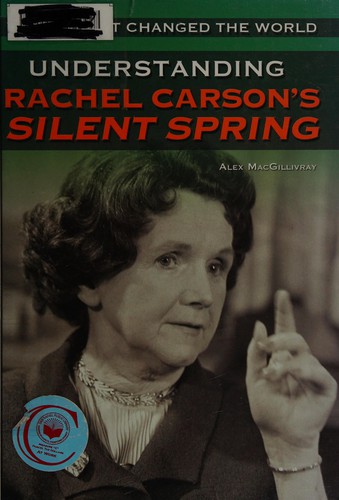
Rachel Carson
The book that launched modern environmentalism — a scientific warning about the cost of human intervention in nature
Read Review

Ed Yong
The microbial world beneath our feet and inside our bodies — another hidden kingdom that shapes everything
Read Review