

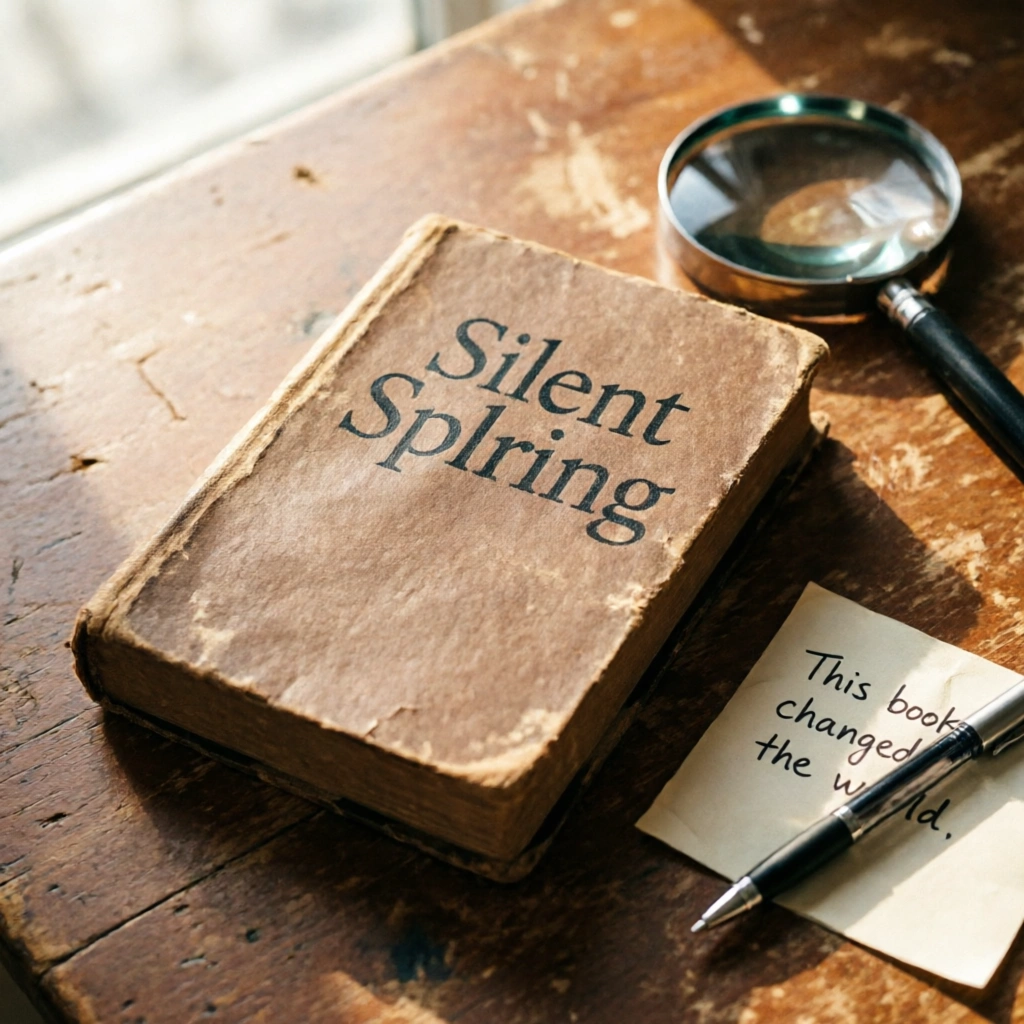
Book Review

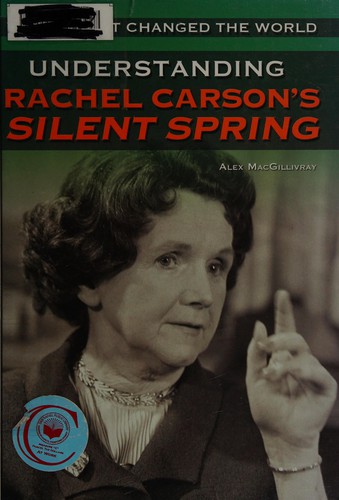
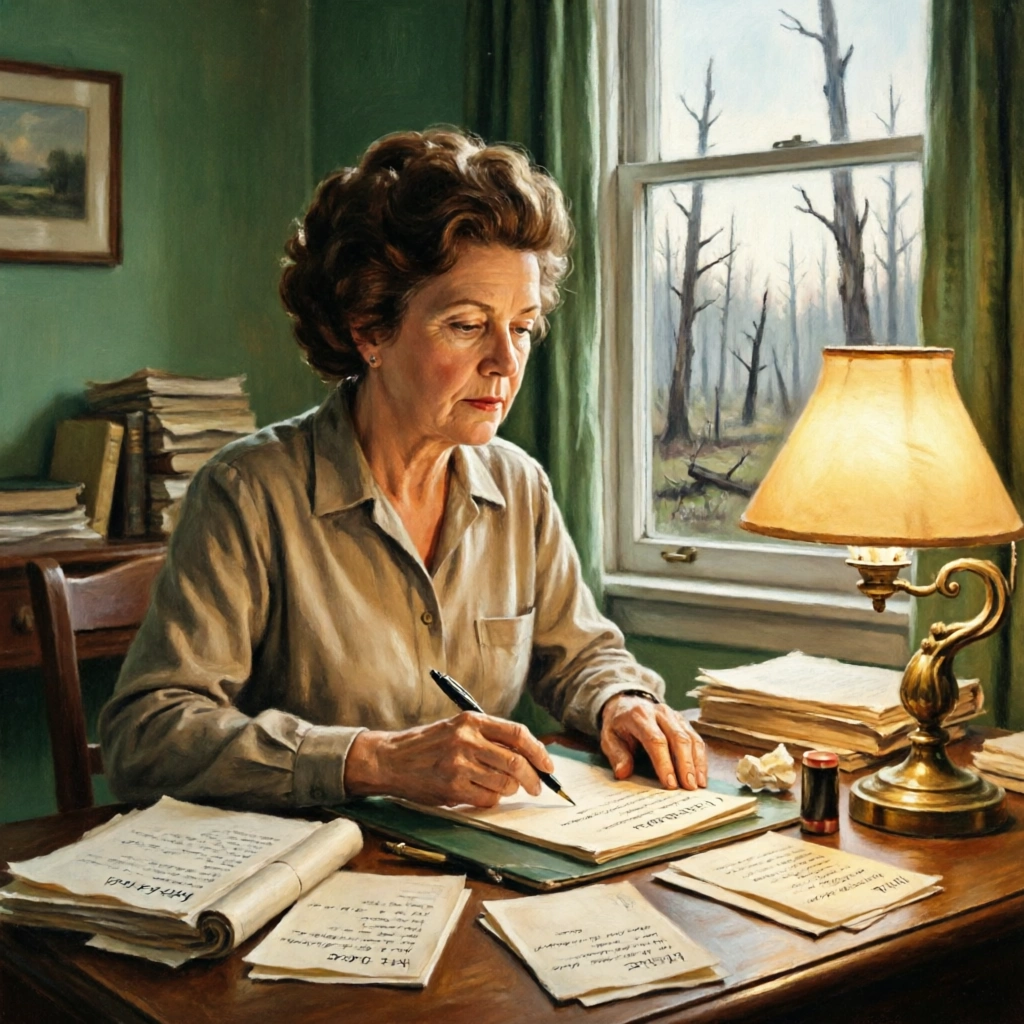
Hey everyone! Ian here! Welcome to our book review of Silent Spring, by Rachel Carson. Published in 1962, this is the book that almost single-handedly launched the modern environmental movement. It exposed the indiscriminate use of synthetic pesticides after World War II, particularly DDT, and showed how these chemicals were poisoning the land, water, wildlife, and ultimately humans. Carson, a marine biologist and writer, wrote it while battling breast cancer. She died two years later.
This is one of the most consequential books of the twentieth century. Let's get into it.


Rachel Carson was born in 1907 in rural Pennsylvania. She studied biology at Chatham College and Johns Hopkins, then worked for the U.S. Fish and Wildlife Service as a writer and editor. She was already famous for her lyrical books about the ocean — The Sea Around Us won the National Book Award in 1952. But Silent Spring came from a different place. In the late 1950s, Carson began receiving letters from concerned citizens about birds dying after DDT spraying. She dug in.
What she found was a scandal of corporate influence, regulatory capture, and willful ignorance at the highest levels of government and industry. She turned that research into a meticulously documented, devastatingly clear book.


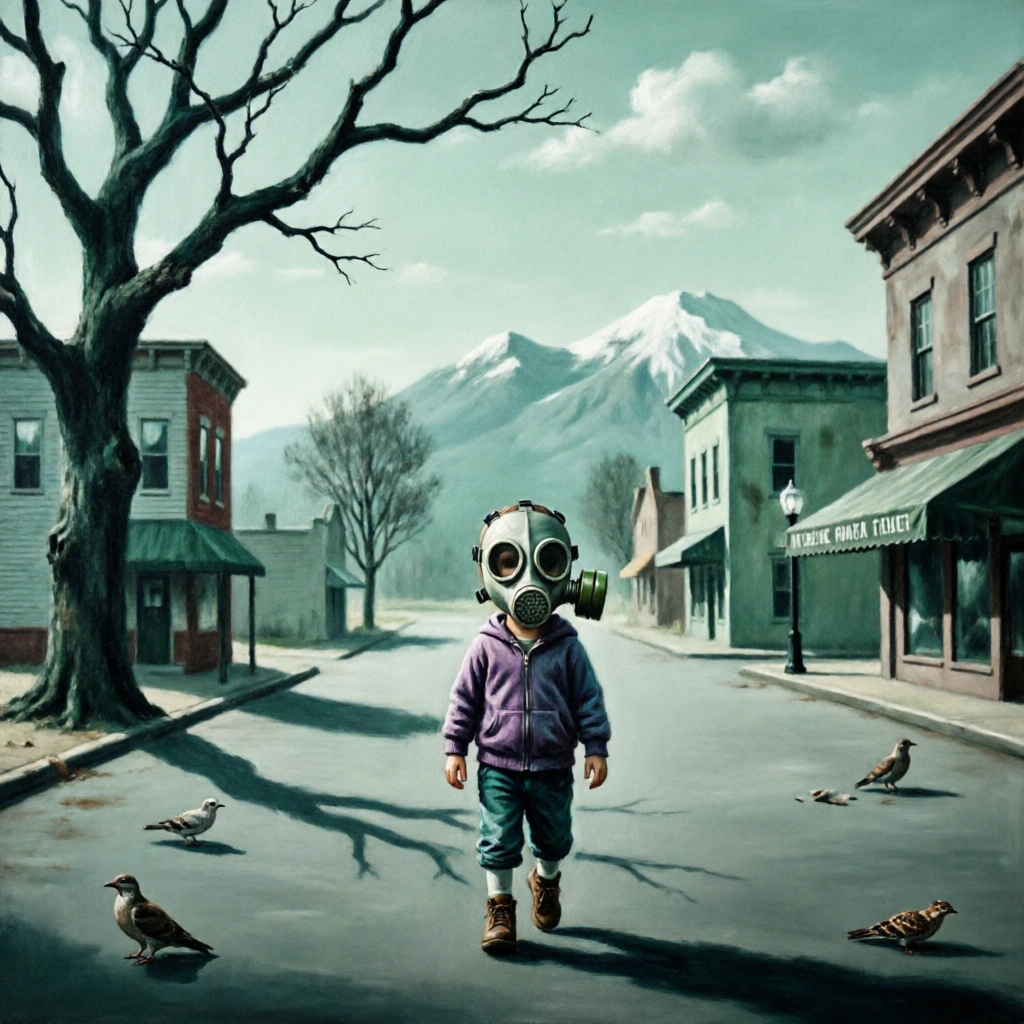
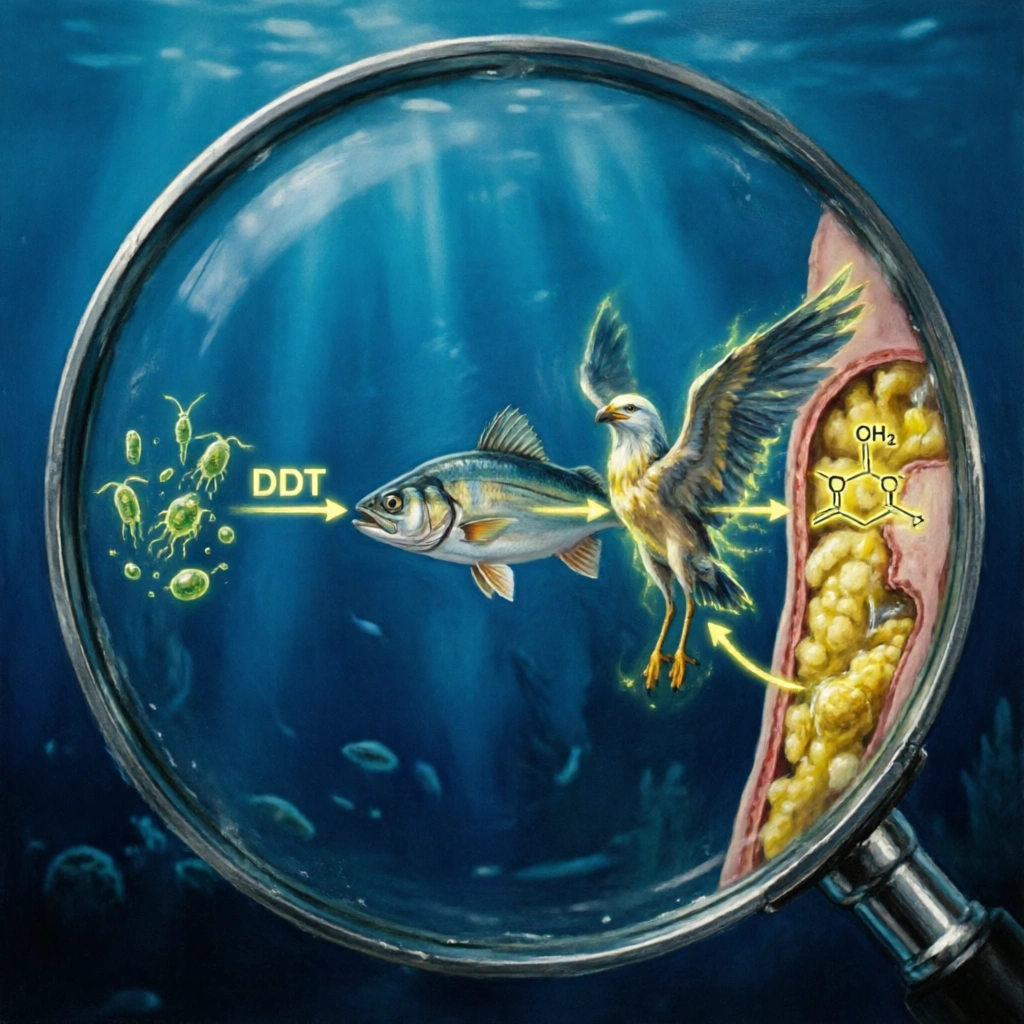
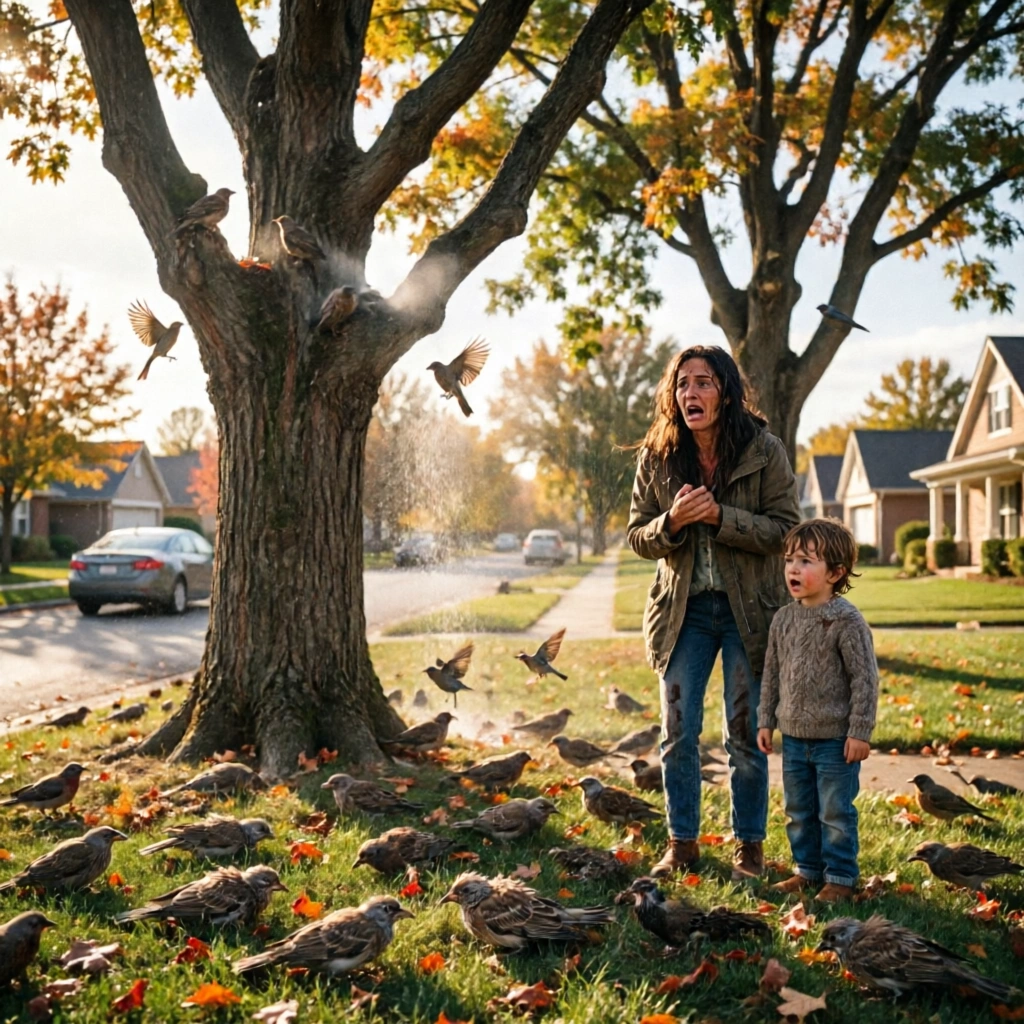
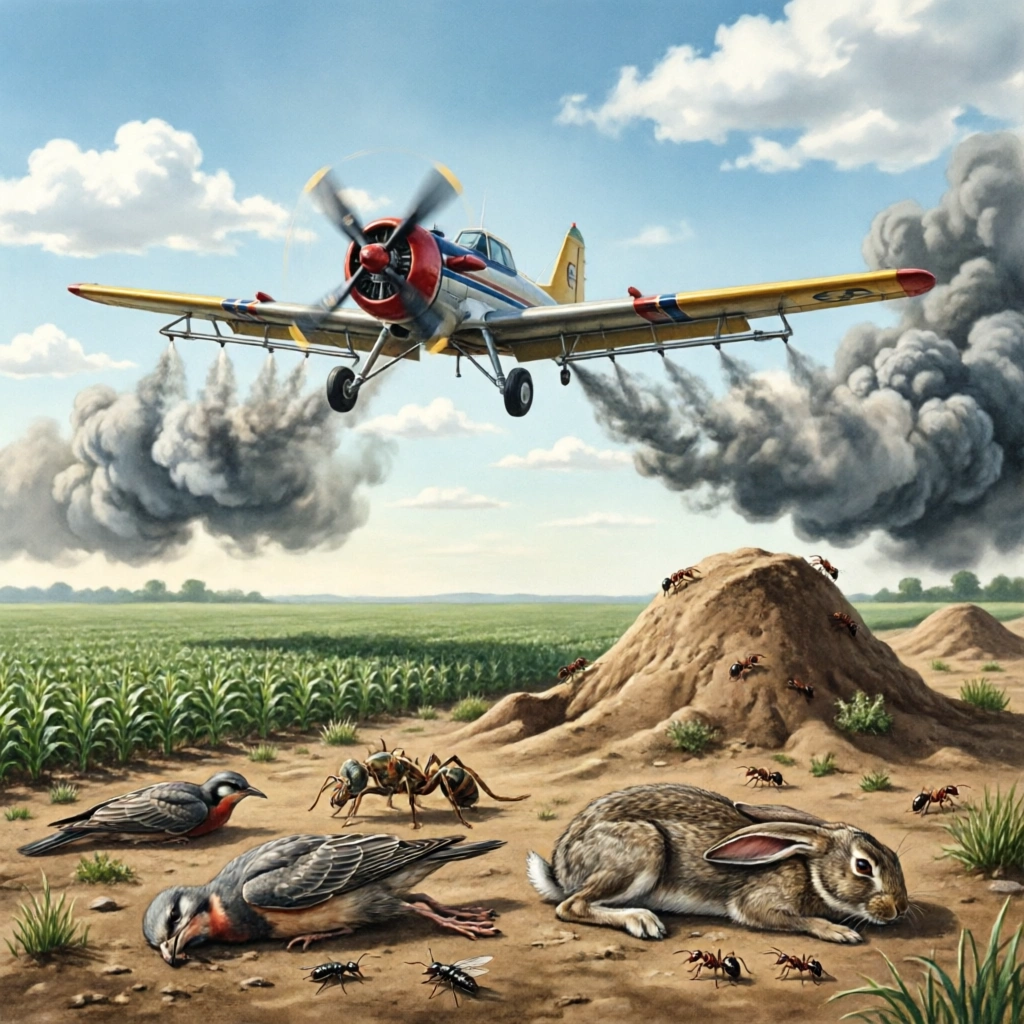
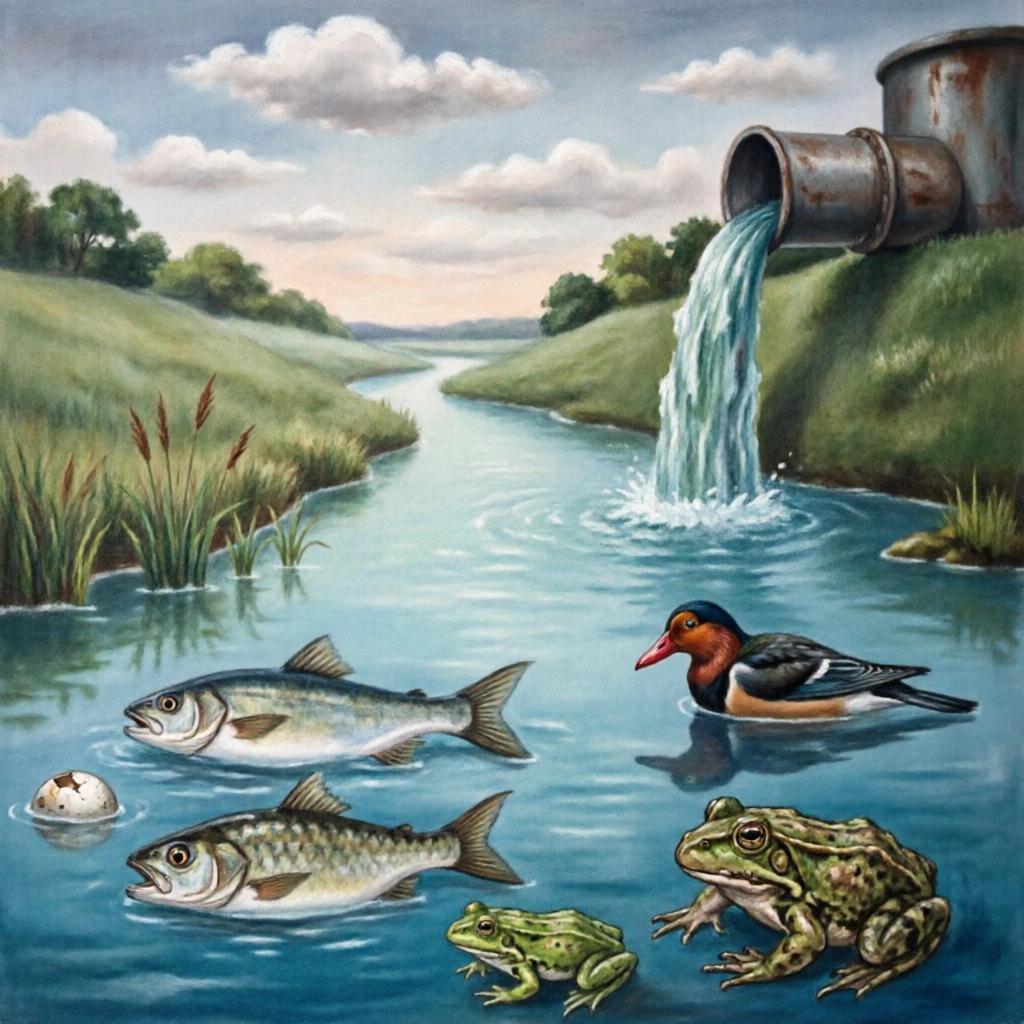
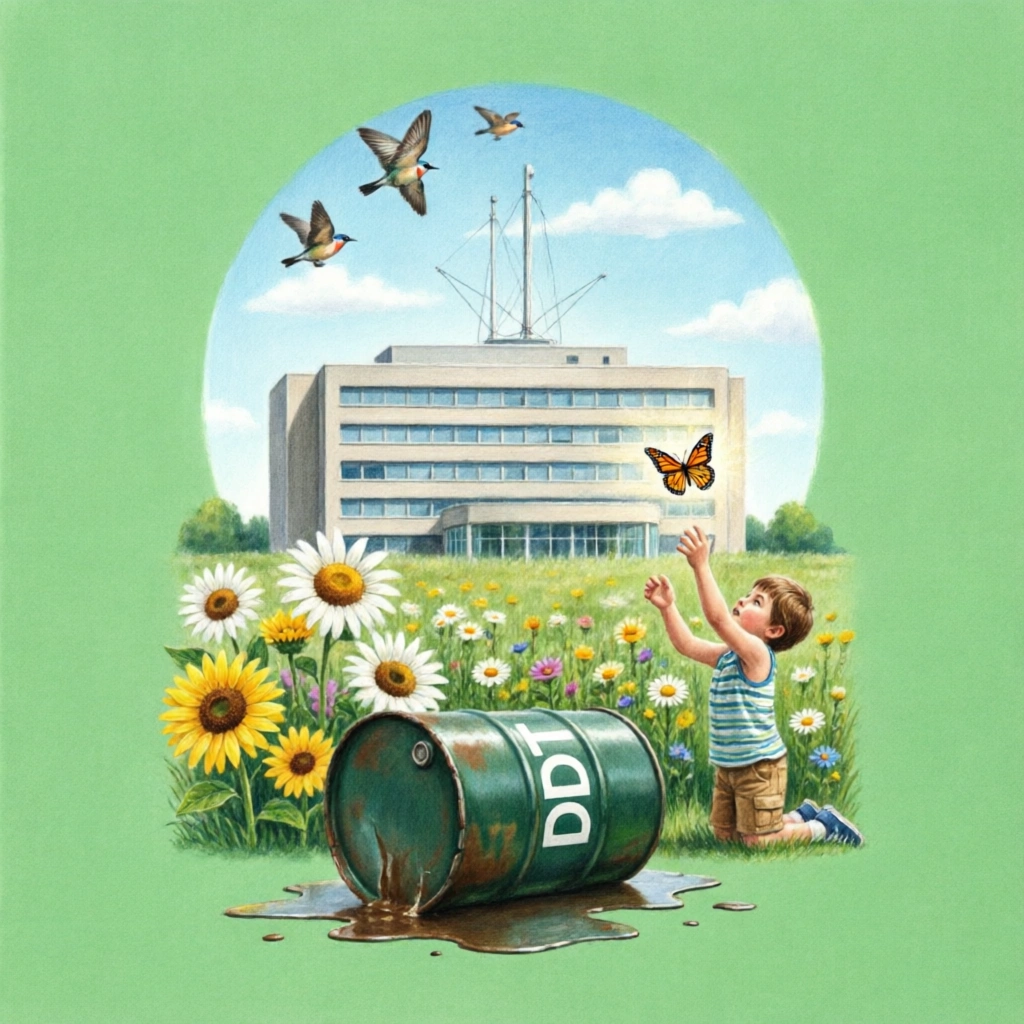
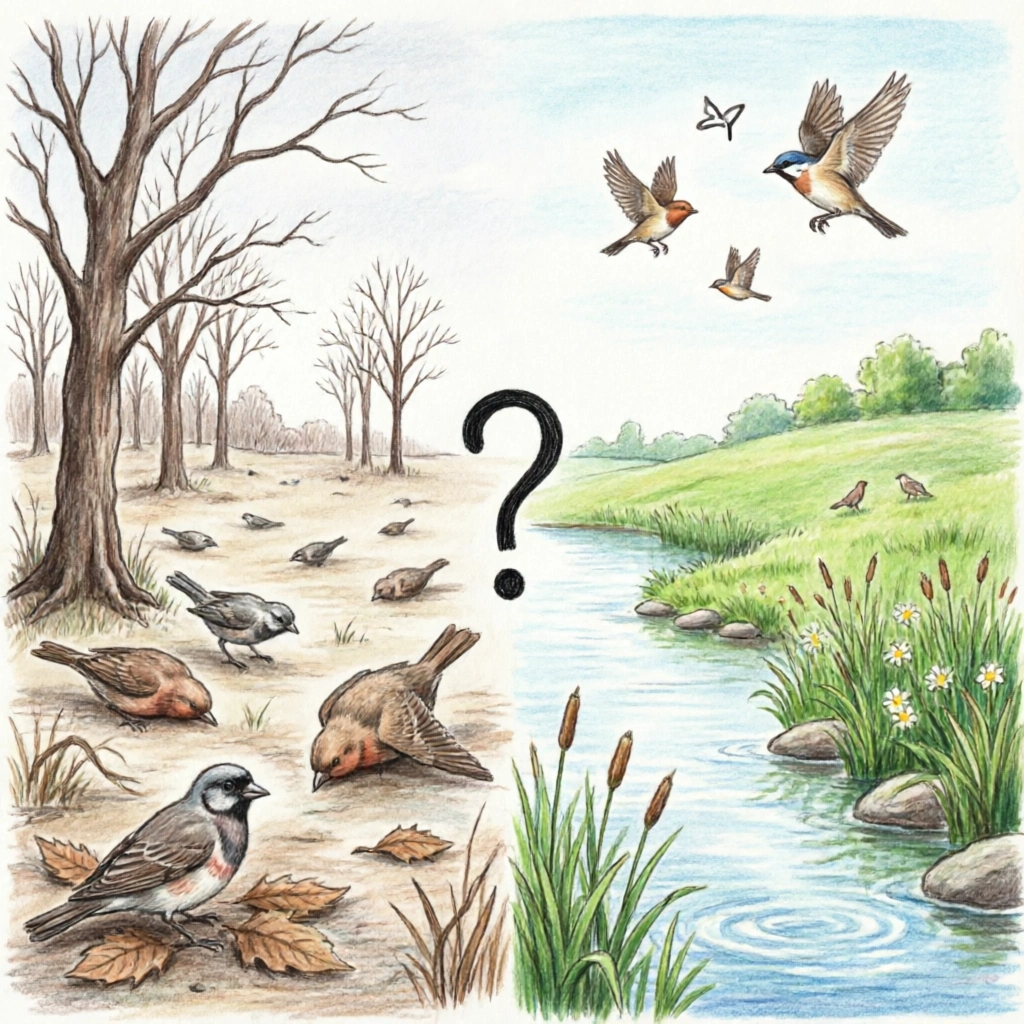
The structure is deceptively simple. Carson opens with "A Fable for Tomorrow," a pastoral town suddenly silenced — no birds, no bees, no children playing outside. It's a rhetorical masterstroke. Then she systematically dismantles the myth of chemical control. She explains how DDT and its relatives bioaccumulate. A single application doesn't stay where it's sprayed. It washes into streams, concentrates in plankton, moves up the food chain, and ends up in the fatty tissues of birds, fish, and people.
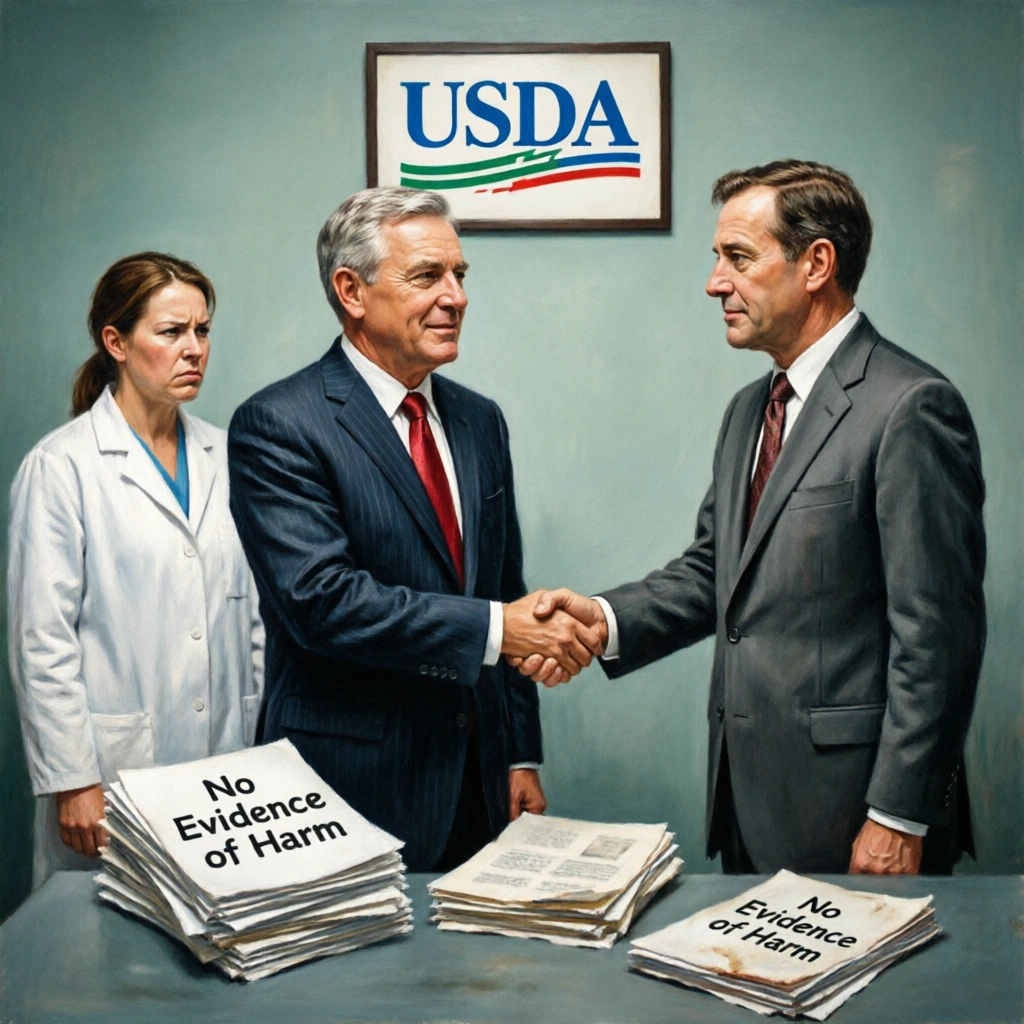
She documents the collapse of robin populations in sprayed areas, the death of fish in rivers, the cancers and birth defects appearing in lab animals and farm workers. She names names — the chemical companies, the Agriculture Department officials who dismissed concerns, the university researchers on industry payrolls.


One of the most powerful chapters is on the fire ant eradication program. In the late 1950s the USDA launched a massive campaign to eliminate the imported fire ant from the South using heptachlor and dieldrin. Carson shows how the program was scientifically illiterate and politically driven. The chemicals killed far more than ants — they wiped out birds, mammals, and beneficial insects. The fire ant itself proved remarkably resilient. It was a case study in hubris. Carson's point was not that all pesticides are evil.
It was that we had developed a technology we did not understand and were deploying it at a scale and with a recklessness that bordered on madness.


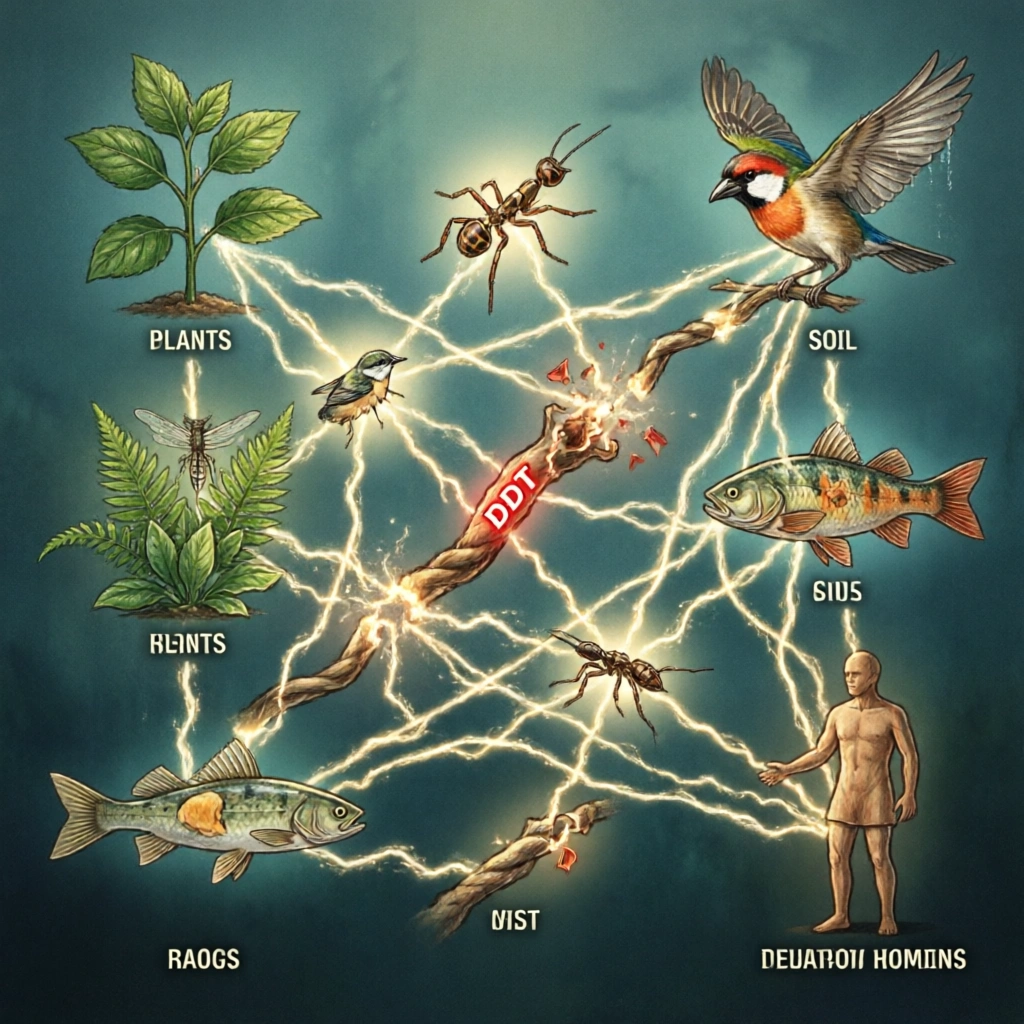
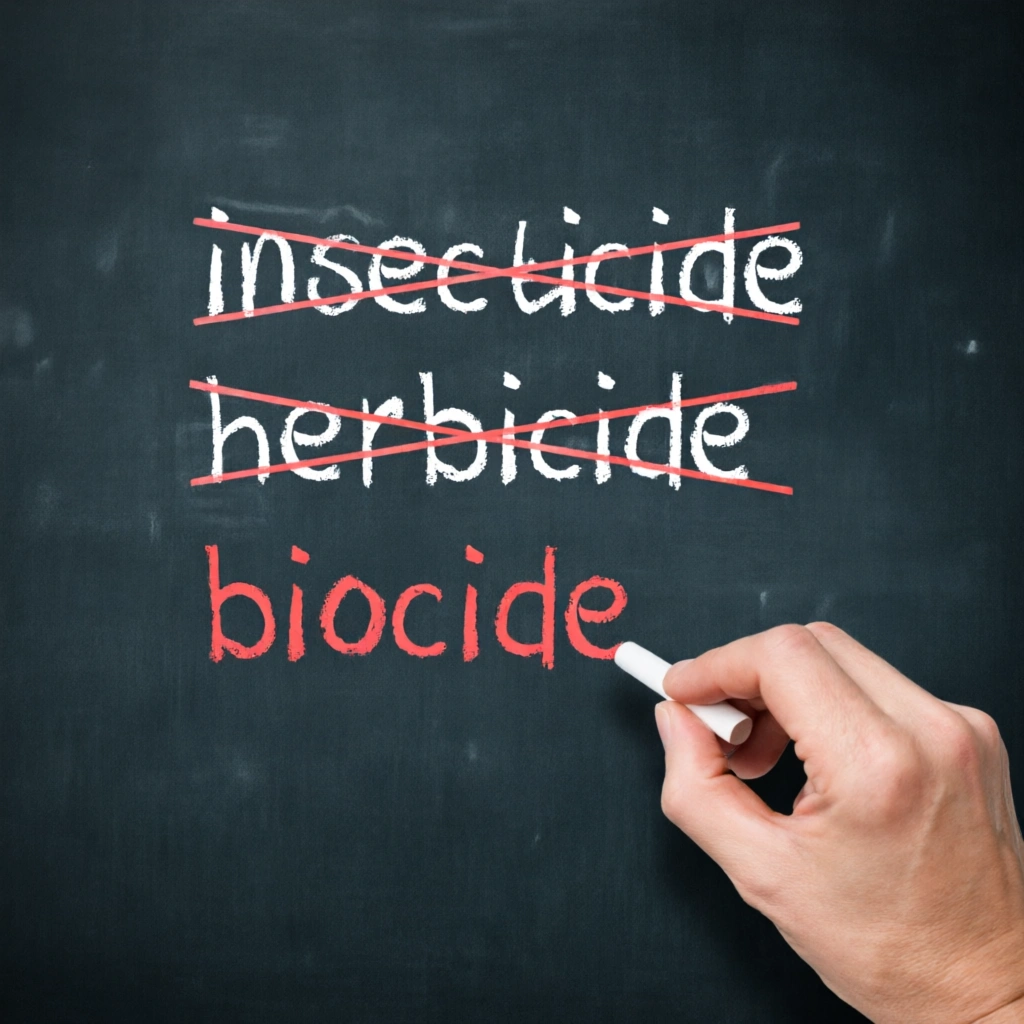
She also takes on the language of the industry. They called these chemicals "insecticides" and "herbicides," as if they only killed the target. Carson insisted on calling them biocides — killers of life. That linguistic shift mattered. She forced readers to see the web of connections: soil, plants, insects, birds, water, humans. She anticipated the concept of ecology before it was mainstream. When she wrote about a "web of life," she wasn't being poetic. She was describing a literal, measurable system that was being torn apart.
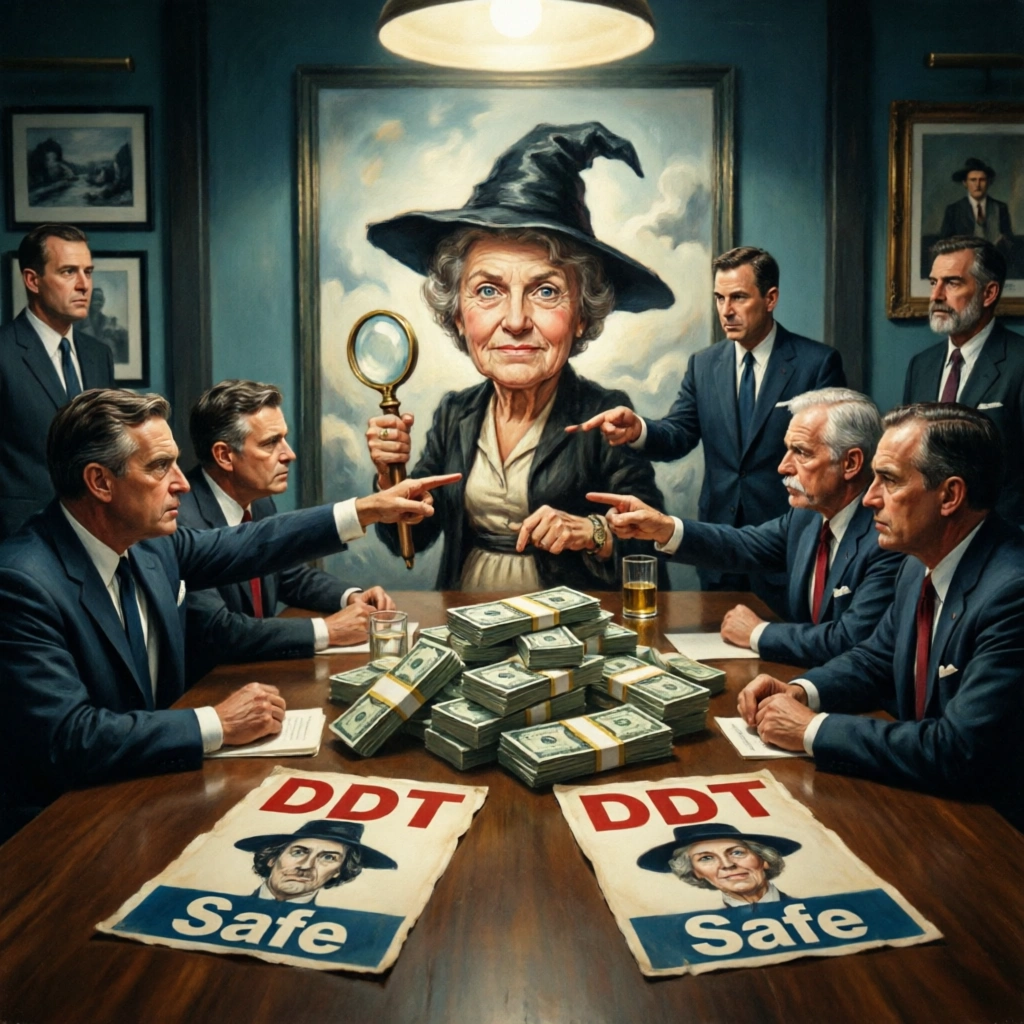
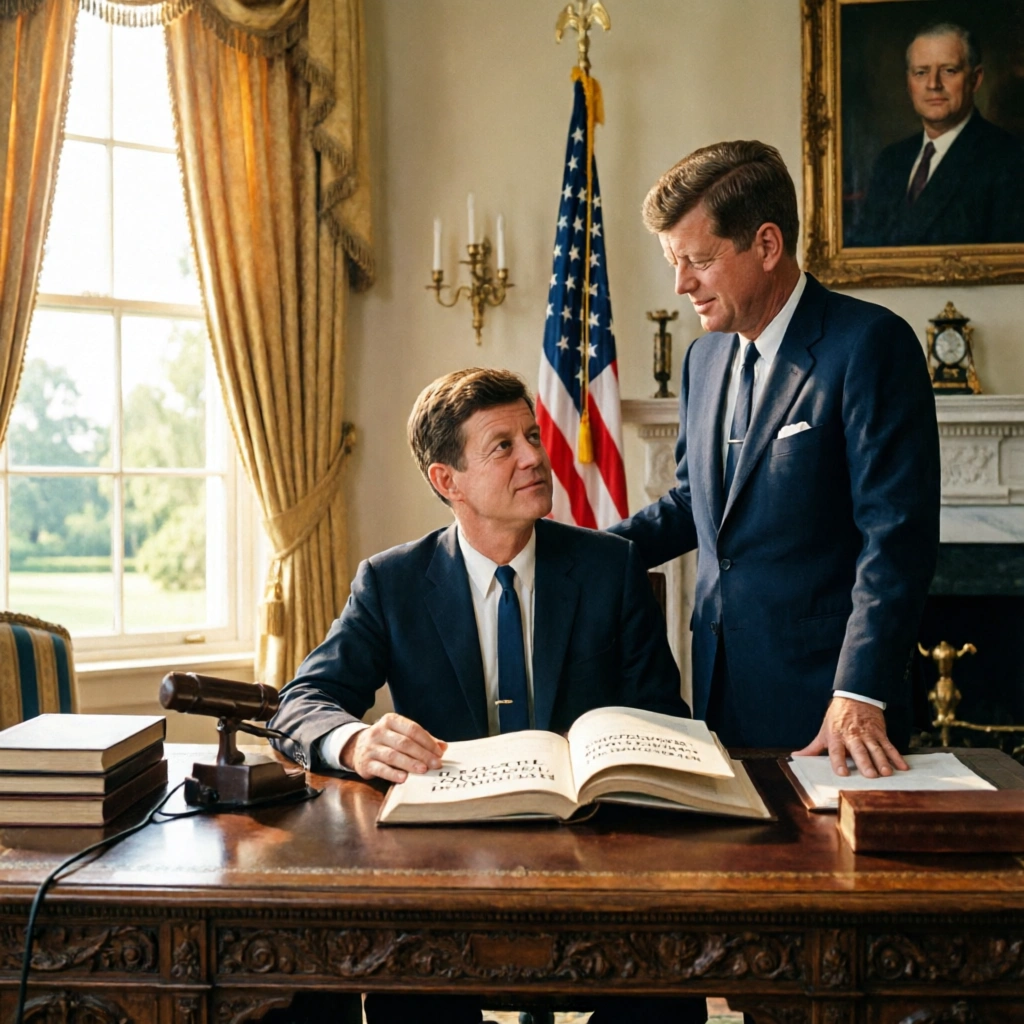
The reaction was ferocious. The chemical industry spent hundreds of thousands of dollars trying to discredit her. They called her a hysterical woman, a communist, a nature cultist. They questioned her credentials. They threatened lawsuits. But the science held. President Kennedy asked his Science Advisory Committee to investigate. Their report vindicated Carson. The public hearings that followed led, eventually, to the ban on DDT in the United States in 1972.


More importantly, Silent Spring created the political climate that produced the Environmental Protection Agency, the Clean Air Act, the Clean Water Act, and Earth Day. One book did that.
The big themes are still urgent. First, technological power without ecological understanding is dangerous. We keep repeating this pattern — with plastics, with PFAS, with neonicotinoids, with genetic engineering. Second, the burden of proof should not be on the public to prove harm. It should be on the manufacturer to prove safety. Third, nature is not a collection of separate problems to be solved with chemicals. It is an interconnected system. Fourth, corporate and regulatory capture is real and has consequences measured in cancers and extinctions.


Fifth, ordinary citizens armed with evidence can take on entrenched power and win. Carson writes with a scientist's precision and a poet's ear. Her descriptions of the spring woods coming alive, or the eerie silence after spraying, are unforgettable. She ends the book with a call for biological control and integrated pest management — approaches that work with natural systems rather than against them. She was not against controlling pests. She was against stupidity and greed masquerading as science.
I read this book because it sits at the foundation of everything we now call environmentalism. If you want to understand why we have environmental impact statements, endangered species protections, and restrictions on persistent organic pollutants, you start here. Carson showed that the right to a livable planet is not a luxury. It is a public health issue, a civil rights issue, and a moral issue.


She paid for that clarity with her life — she finished the book while undergoing radiation treatment, and she died before seeing most of the changes she helped set in motion.
Why does this book deserve your time today? Because the same forces she fought are still with us. The same arguments — "the science isn't settled," "the economic cost is too high," "trust the experts who work for the companies" — get recycled every decade. Silent Spring is both a warning and a manual. It shows what happens when we poison the world, and it shows that informed, organized citizens can stop it. The spring can be silent again. Or it can be full of birds. The choice is still ours. Thanks for watching, and happy reading!

Walter Isaacson
CRISPR and the moral questions Carson would have recognized
Read Review
Rebecca Skloot
Who pays the price when science moves too fast
Read Review
Sean B. Carroll
The evolutionary beauty Carson fought to protect
Read Review