



← Back to Gallery
0 / 18
0:00 / 6:32
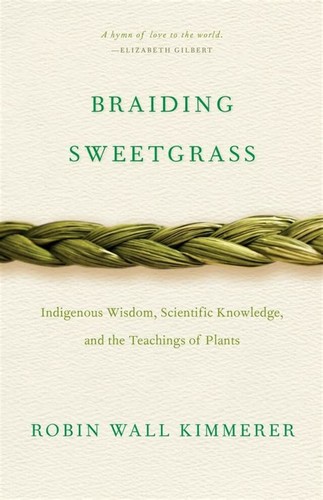
Braiding Sweetgrass

Braiding Sweetgrass

Book Review

Braiding Sweetgrass: An Introduction

Braiding Sweetgrass: An Introduction

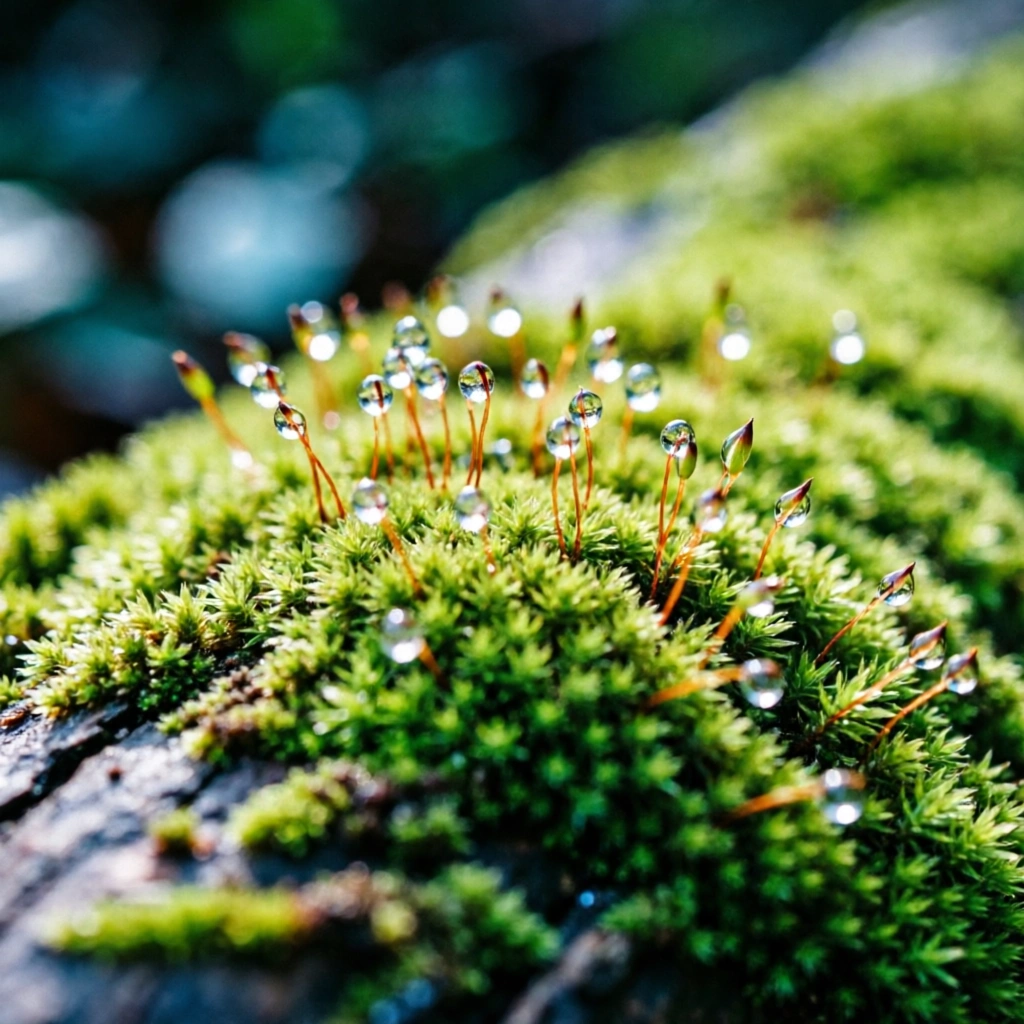
Hey everyone! Ian here! Welcome to our book review of Braiding Sweetgrass by Robin Wall Kimmerer. Published in 2013 by Milkweed Editions, this is the kind of book that rewires how you see the natural world — and your place in it. Kimmerer is a botanist, a professor of environmental biology, and an enrolled member of the Citizen Potawatomi Nation. She holds a PhD in botany from the University of Wisconsin, and she spent decades studying moss — yes, moss — before writing this.

Science Meets Indigenous Wisdom

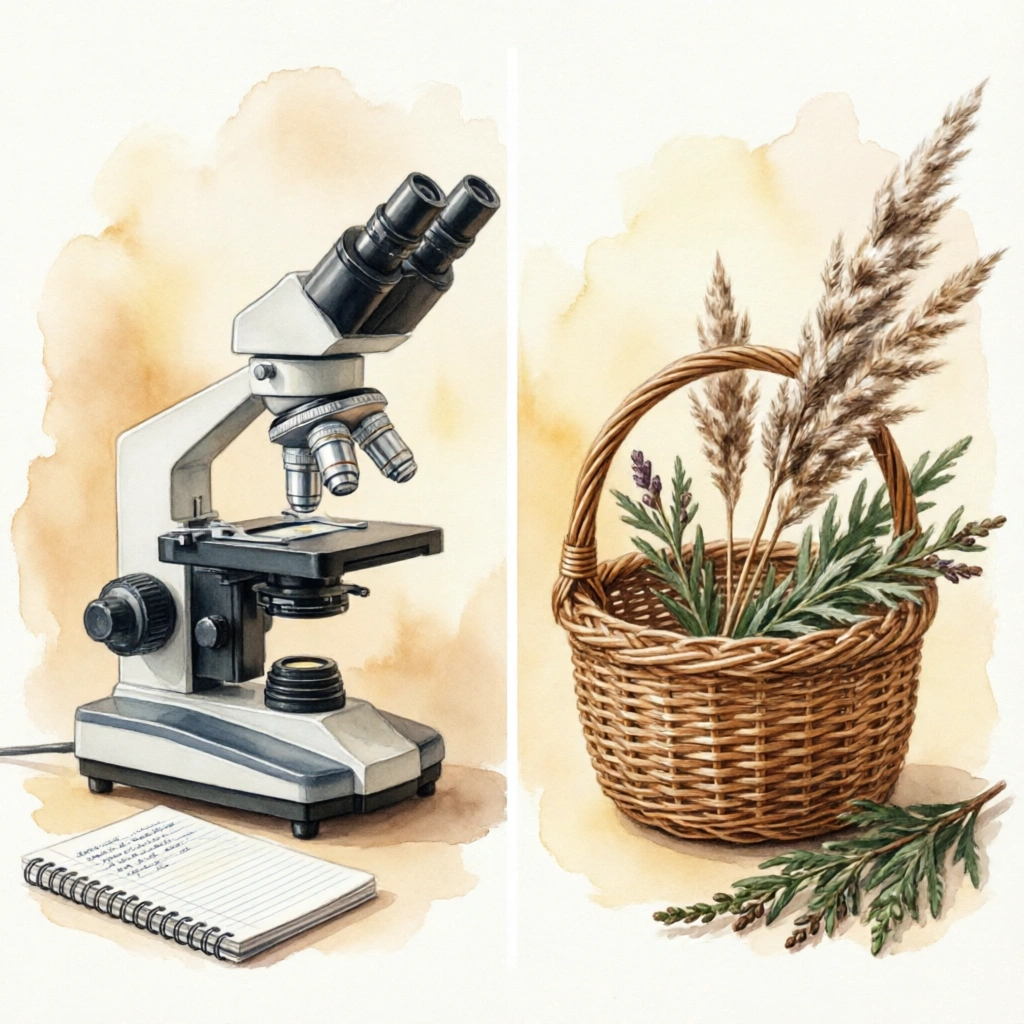
That combination of rigorous Western science and deep indigenous knowledge is what makes this book extraordinary. It has sold over two million copies, been translated into more than twenty languages, and it continues to appear on university reading lists and nature-writing syllabi worldwide.

Science Meets Indigenous Wisdom
The Sacred Sweetgrass Braid

The Sacred Sweetgrass Braid

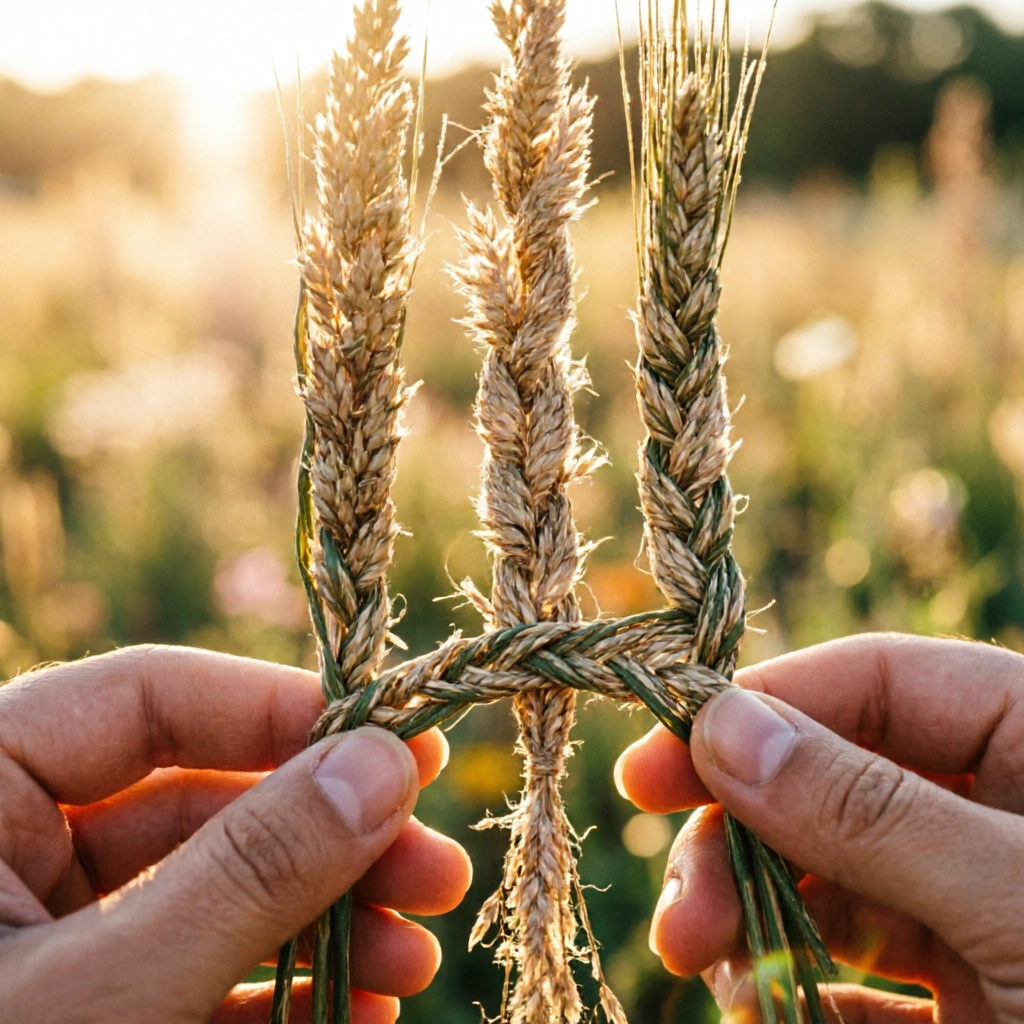
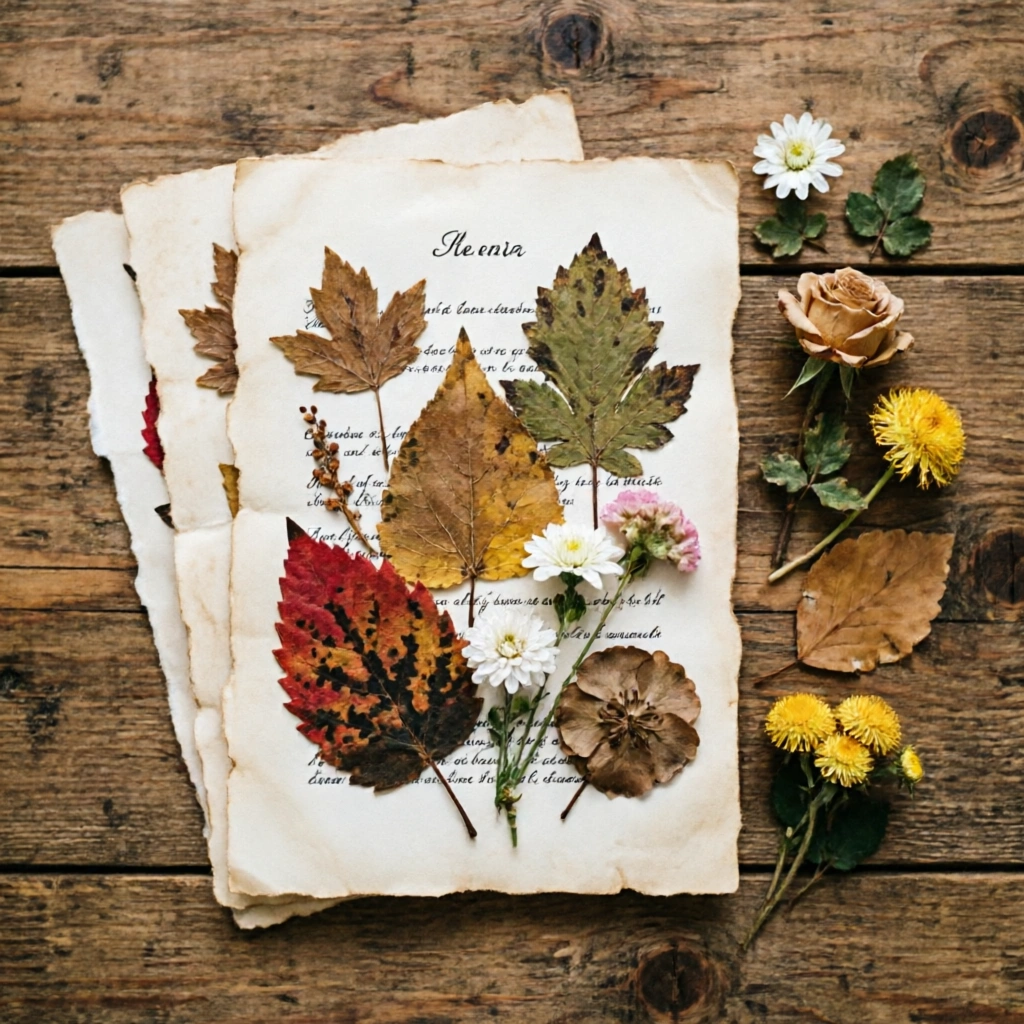
So what is Braiding Sweetgrass actually about? The title itself is the central metaphor. In indigenous traditions, sweetgrass is one of the four sacred medicines. It is braided in three strands — representing the integration of mind, body, and spirit — but Kimmerer extends this to represent three ways of knowing: indigenous wisdom, scientific knowledge, and the teachings of plants themselves.

Essays Braiding Three Knowledges

The book is a collection of essays that braid these strands together, and each essay explores a different plant, animal, or ecological concept through both a scientific lens and an indigenous one.

Essays Braiding Three Knowledges
Skywoman Falls to Turtle Island

Skywoman Falls to Turtle Island

Kimmerer opens with the story of Skywoman, the creation myth of the Haudenosaunee people. Skywoman falls through a hole in the sky and is caught by geese, then placed on the back of a turtle. The animals dive to bring up mud to create the earth — Turtle Island — and the plants grow from the seeds she carried in her hand. Kimmerer contrasts this with the Western scientific story of the Big Bang and evolutionary biology.

Two Stories Both True

Both are true, she argues, but the Skywoman story carries something the scientific account does not: a sense of gratitude, of reciprocity, of being in relationship with the earth rather than merely living on it.

Two Stories Both True
Reciprocity and the Honorable Harvest

Reciprocity and the Honorable Harvest

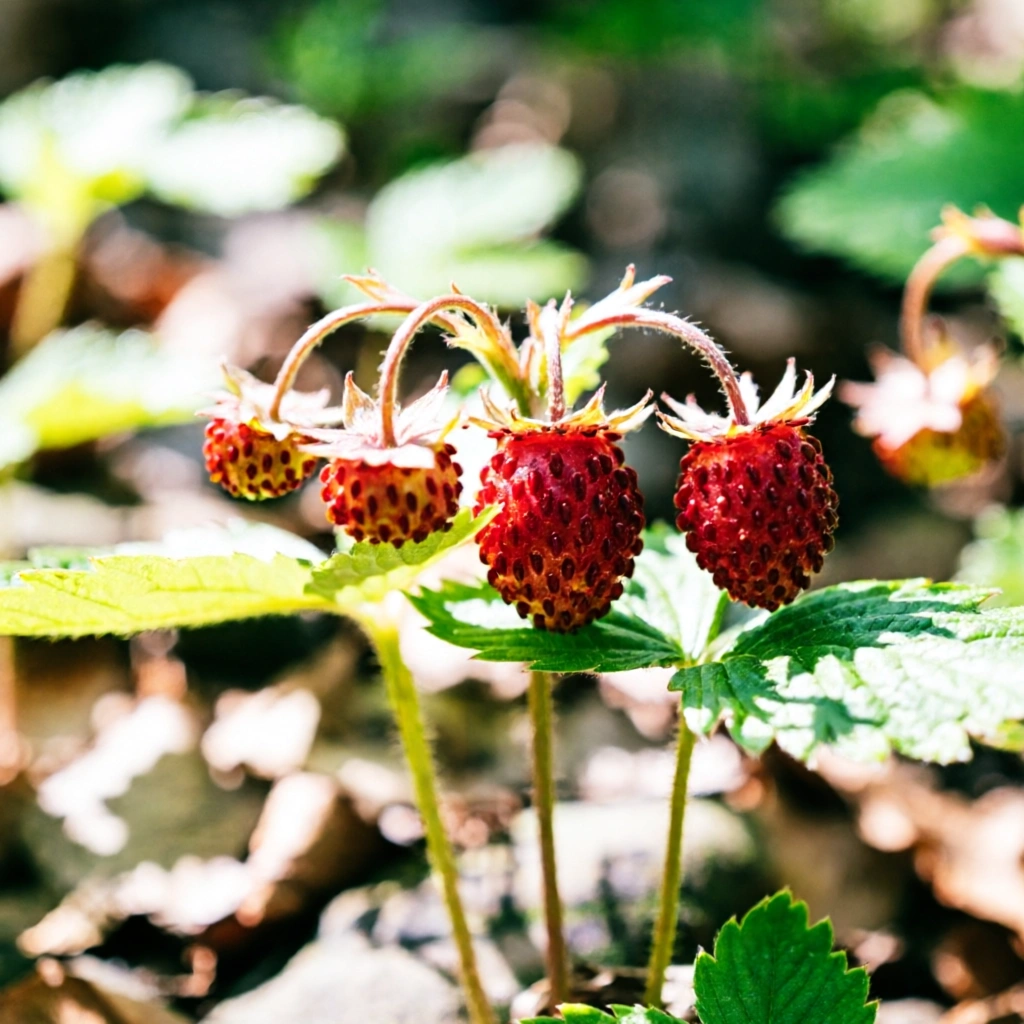
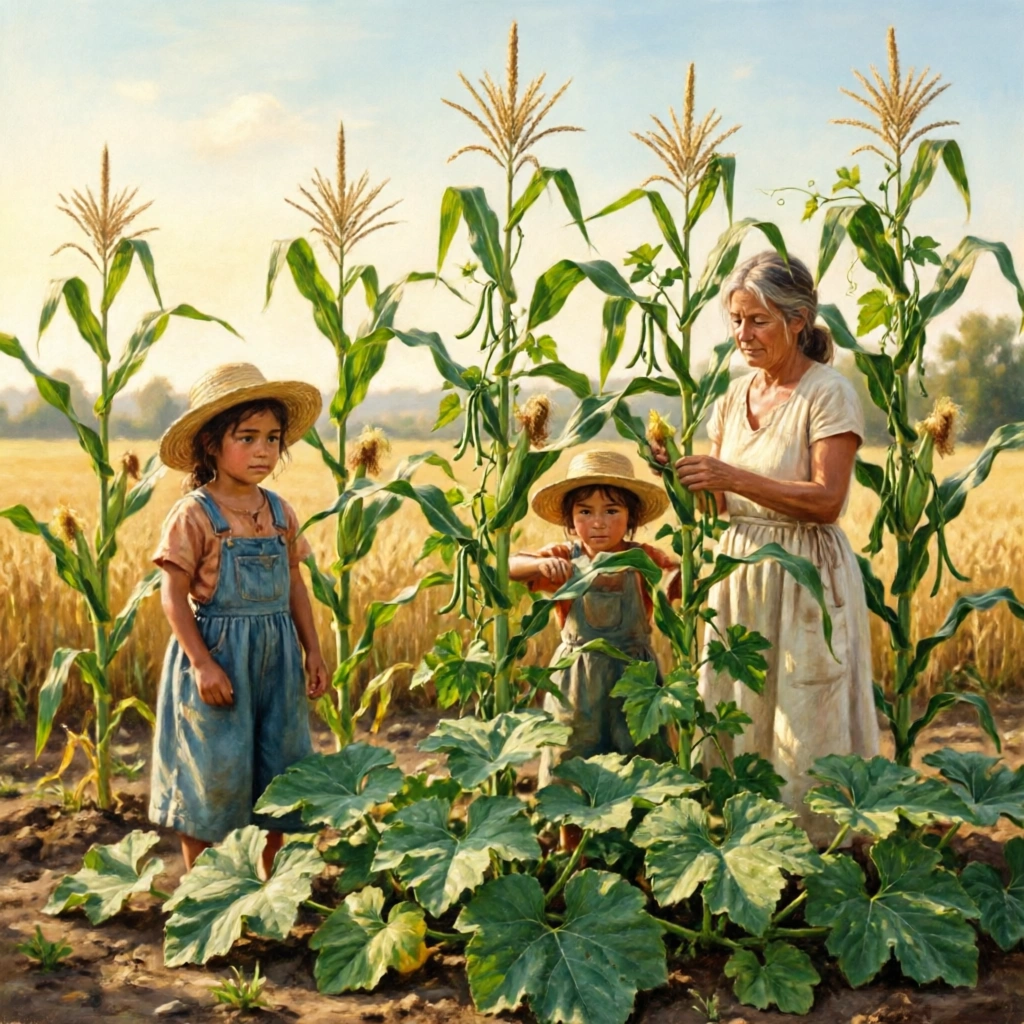
This theme of reciprocity runs through every chapter. Kimmerer writes about strawberries, and how the Potawatomi language describes the berry as a verb — something that is happening, a relationship unfolding — rather than as a passive noun. She writes about the three sisters — corn, beans, and squash — and how indigenous agriculture is not about domination but about mutual aid. The corn provides a pole for the beans, the beans fix nitrogen for the corn, and the squash shades the soil.

Gifts Meant to Be Shared

Kimmerer calls this the "honorable harvest" — the idea that we take only what we need, and we give something back. She writes: "We are showered every day with gifts, but they are not meant for us to keep." That line alone reorients your thinking about consumption.

Gifts Meant to Be Shared
The Language of Animacy

The Language of Animacy

One of the most powerful essays is about the language of animacy. In English, we refer to a river as "it." In Potawatomi, a river is a living being, a "who" not an "it." Kimmerer argues that grammar shapes consciousness, and that when we linguistically demote the natural world to objects, we make it easier to treat it as disposable. She does not dismiss English — she teaches in it, writes in it — but she asks us to expand our vocabulary of relationship. To see a forest not as timber but as a community.

Wetlands as Living Filters

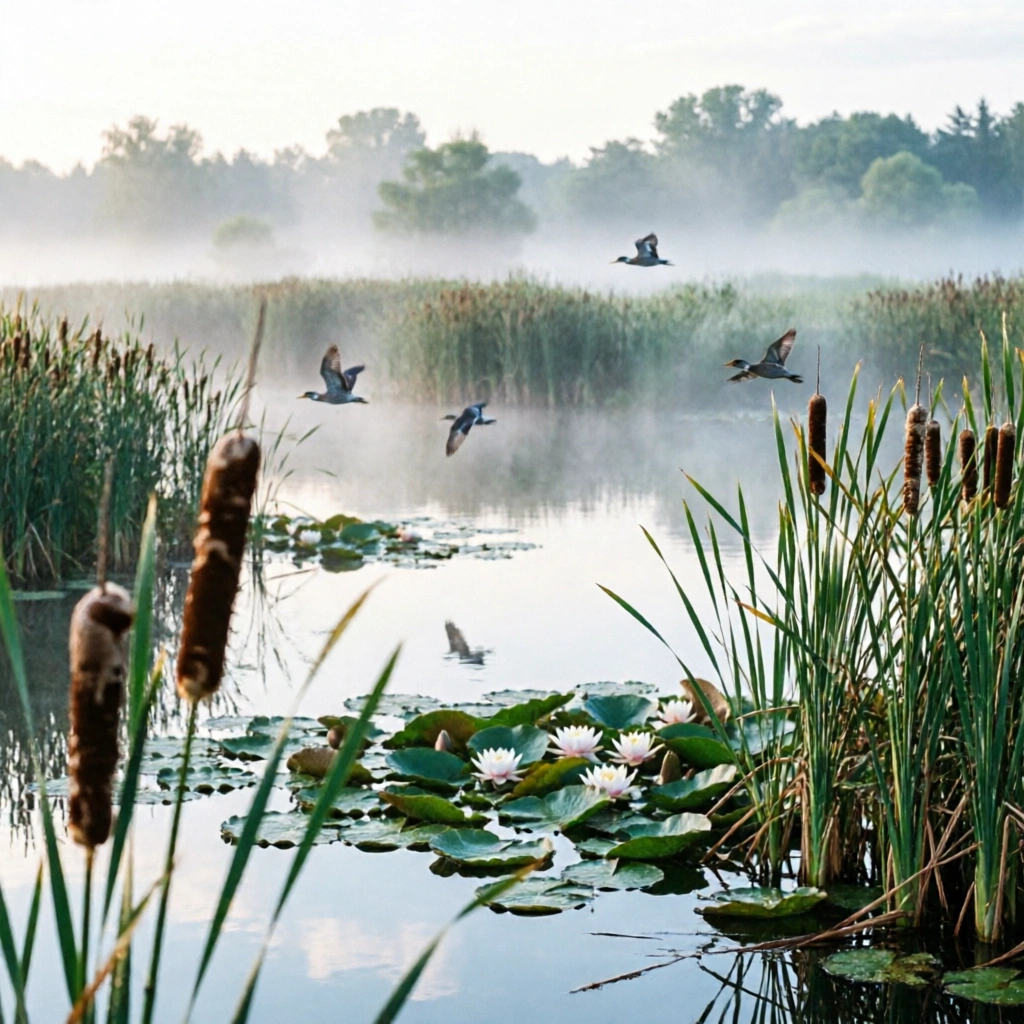
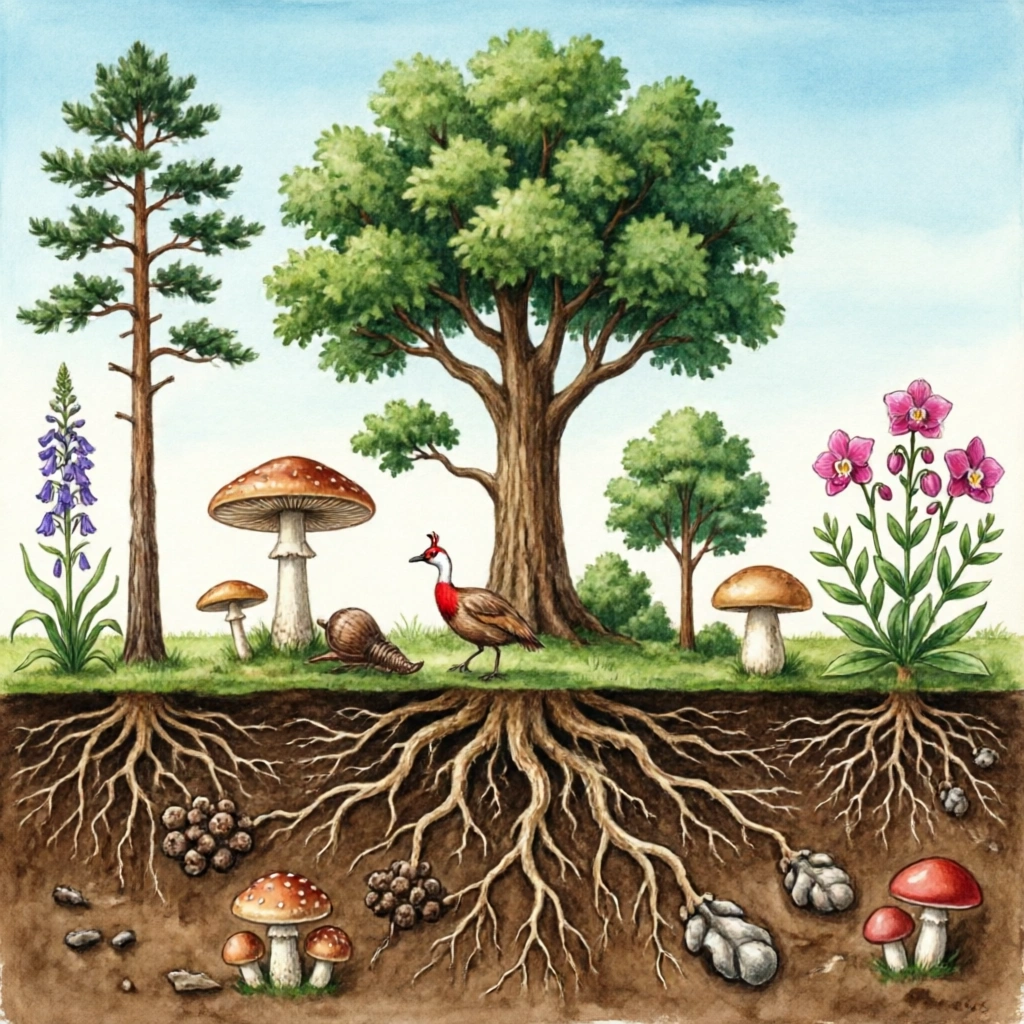
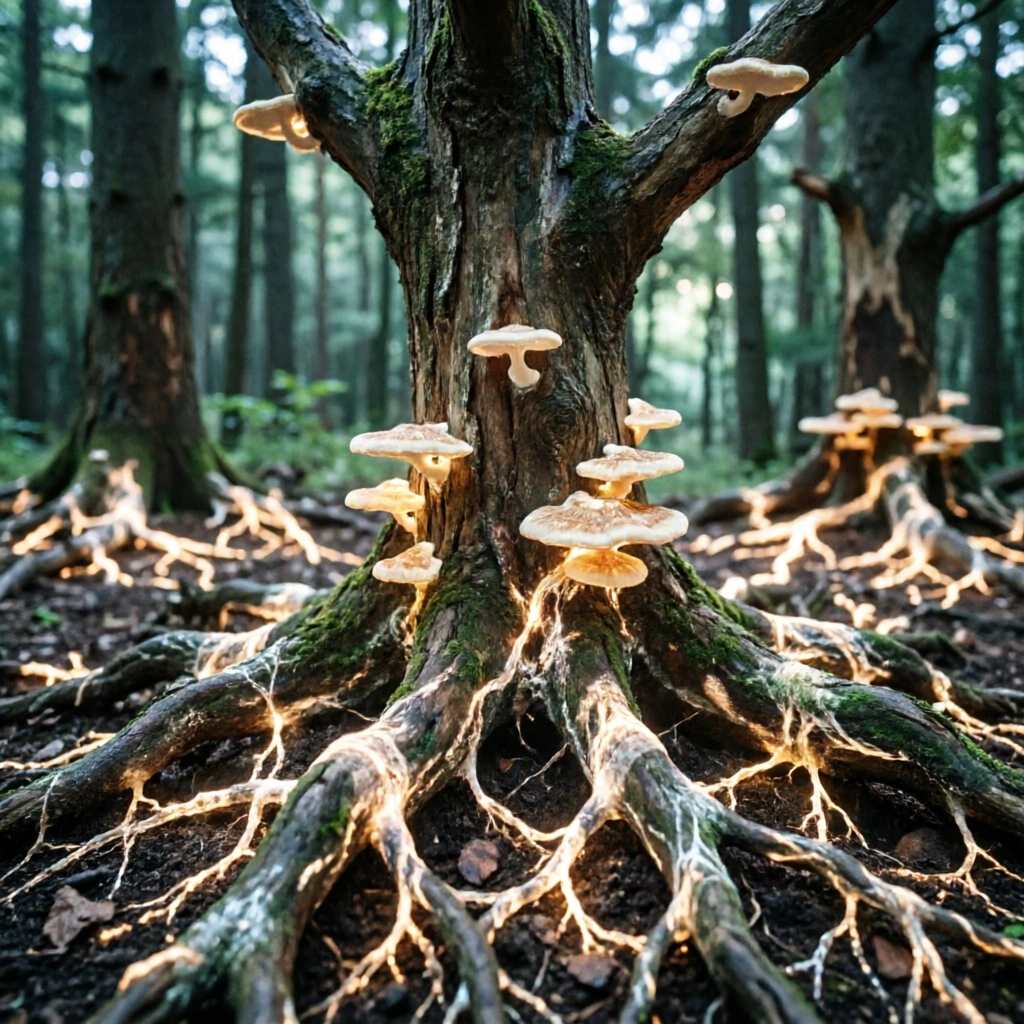
To see a wetland not as wasted real estate but as a living filter, a kidney for the watershed. The science in this book is not window dressing. Kimmerer explains photosynthesis in a way that makes it feel miraculous. She describes the symbiosis between fungi and tree roots — the "wood wide web" — and how older trees in a forest will send sugars through fungal networks to feed younger trees in shade. She describes the carbon cycle, the nitrogen cycle, the water cycle, not as abstractions but as stories of exchange and generosity.

Wetlands as Living Filters
Biodiversity and Resilience

Biodiversity and Resilience

And she makes the case — with data — that ecosystems with higher biodiversity are more resilient, more productive, and more beautiful.

Raising Daughters in Potawatomi Values

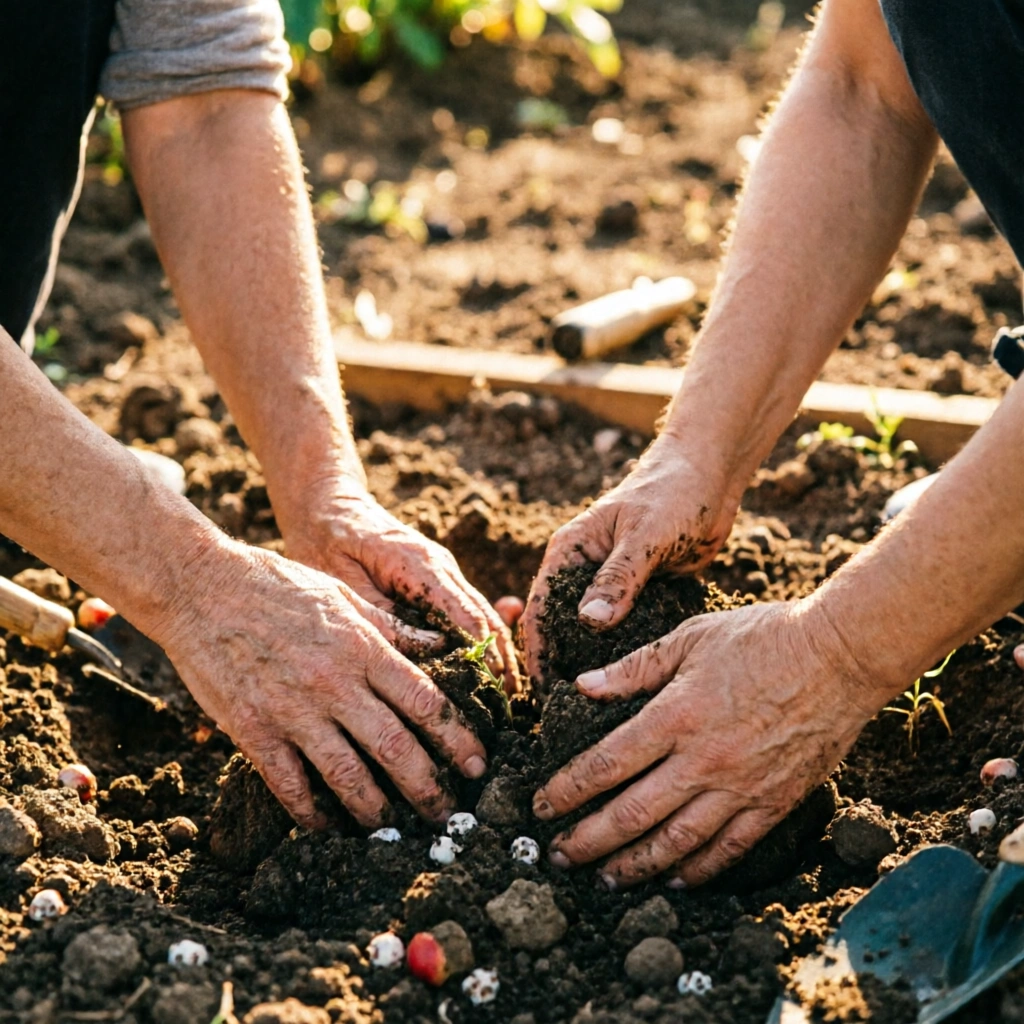
But the book is also personal. Kimmerer writes about trying to raise her daughters with Potawatomi values in a world that treats the earth as a resource. She writes about the grief of watching a beloved pond be bulldozed for development. She writes about teaching students who have never touched soil, and the shock of realizing that for many people, nature is something seen through a screen rather than experienced with the body. She asks: what does it mean to be a good ancestor? What would it look like to live as if the future mattered?

Raising Daughters in Potawatomi Values
Listening to the Plants

Listening to the Plants

One passage I keep returning to: "To be heard, you must first listen." Kimmerer applies this to plants. She argues that the scientific method — observation, hypothesis, experiment — is actually a form of listening, and that indigenous knowledge systems have been listening to plants for millennia. The book is not anti-science. It is pro-science-plus. It asks what we might learn if we stopped treating indigenous knowledge as folklore and started treating it as data.

Crisis of Relationship Not Technology

Why read this book now? Because the climate crisis is not primarily a technical problem — it is a crisis of relationship. We have the technology to transition away from fossil fuels. What we lack is the cultural framework to treat the earth as kin rather than commodity. Braiding Sweetgrass offers that framework. It is not a policy manual. It is a love letter to the living world, and an invitation to join the conversation.

Crisis of Relationship Not Technology
Determined Hope for Wounded World

Determined Hope for Wounded World

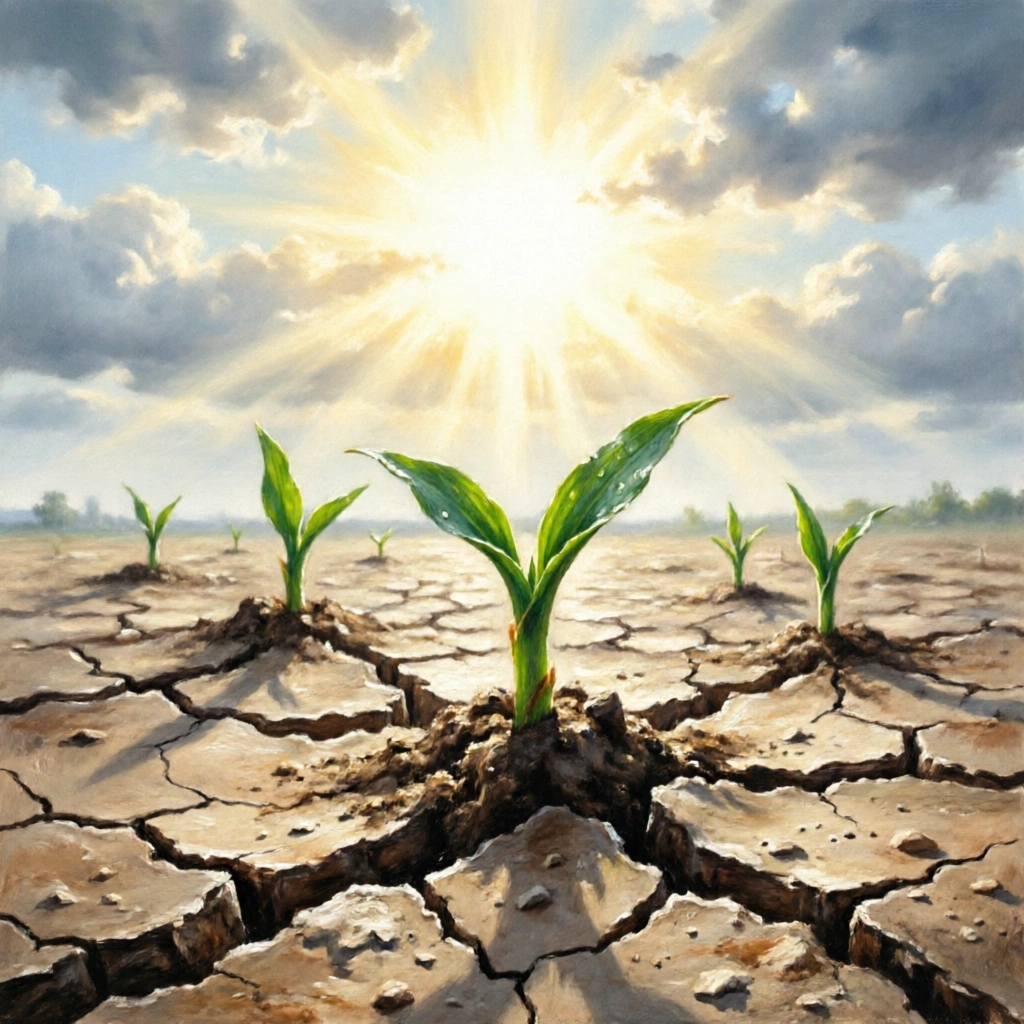
Kimmerer writes: "Even a wounded world holds us, giving us moments of wonder and joy." That is the tone of the book — not despair, but determined hope.

Who Should Read This Book

Who should read this? Anyone who has ever felt a quiet awe looking at a forest, or a marsh, or even a weed pushing through concrete. Scientists who want their work to feel meaningful again. Environmentalists who are burning out and need a reminder of why they started. Teachers looking for a text that bridges cultures. And honestly, anyone who has ever felt that modern life is a little too thin, a little too digital, a little too disconnected from something real. This book is a bridge back.

Who Should Read This Book
A Humbling Return to Wonder

A Humbling Return to Wonder

I found it humbling. In the best way. It made me notice things I had walked past a thousand times — the smell of rain on dry soil, the way light moves through leaves, the patience of moss. Braiding Sweetgrass is a reminder that intelligence is not exclusively human, that gratitude is a practice, and that the world is speaking to us if we are willing to listen. Thanks for watching, and happy reading!

📚 You Might Also Like
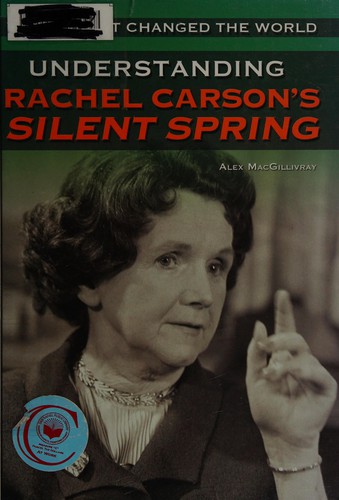
Silent Spring

Silent Spring

Rachel Carson

The foundational work of environmental consciousness that Kimmerer extends with indigenous wisdom

Read Review
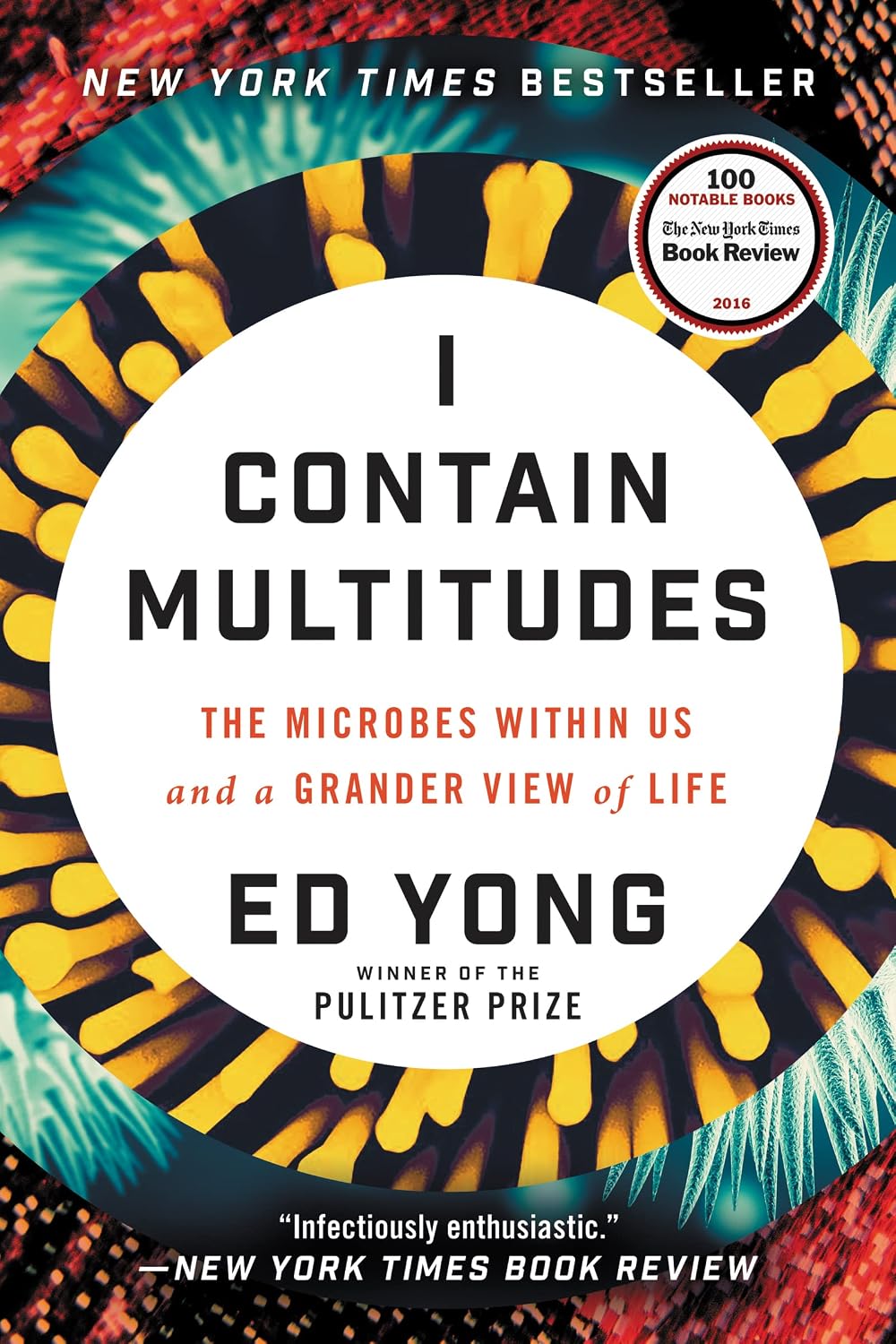
I Contain Multitudes

I Contain Multitudes

Ed Yong

Another science book that reveals hidden relationships in living systems

Read Review
Endless Forms Most Beautiful

Endless Forms Most Beautiful

Sean B. Carroll

Evo-devo science that complements Kimmerer's wonder at life's diversity

Read Review
How Life Works

How Life Works

Philip Ball

Rethinks biology beyond mechanics — complementary to Kimmerer's view of life as relational

Read Review

💬 Reader Thoughts

Email is required for anti-spam but can be fake if you prefer privacy.

Loading comments...