




← Back to Gallery
0 / 15
0:00 / 5:07
I Contain Multitudes

I Contain Multitudes

Book Review

You Are A Walking Ecosystem

You Are A Walking Ecosystem

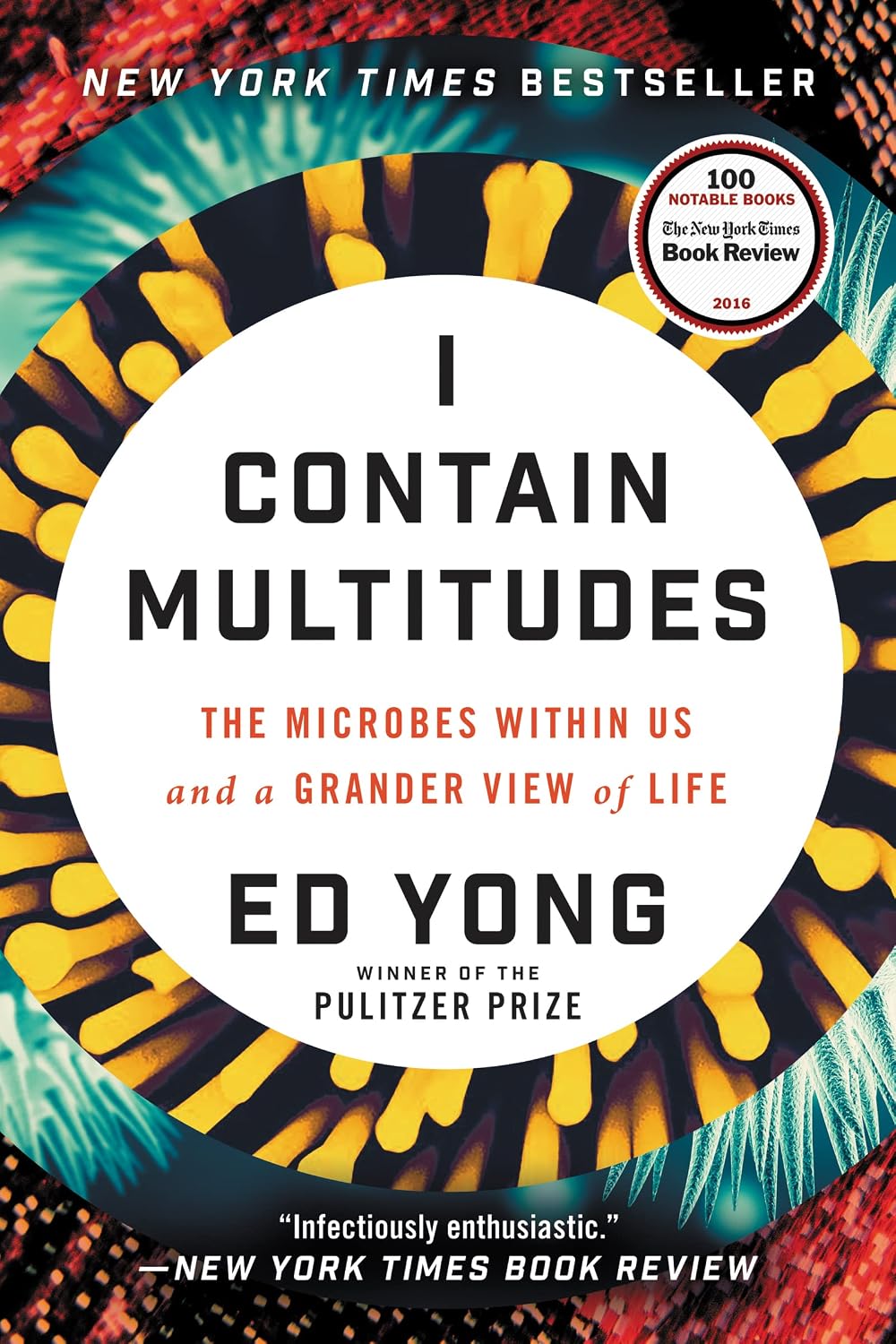
Hey everyone! Ian here! Welcome to our book review of I Contain Multitudes by Ed Yong. Published in twenty sixteen with the full subtitle The Microbes Within Us and a Grander View of Life, this is the rare science book that does not just dump facts. It rewires how you see your own body. Spoiler up front for the whole argument: you are not a single organism. You are a walking ecosystem. And once that lands, almost everything about health, evolution, and identity looks different.

Meet Science Writer Ed Yong

Ed Yong is a Malaysian-born science journalist who made his name explaining hard biology with clarity and humor. Before this book he ran the blog Not Exactly Rocket Science and reported for National Geographic; later he would win a Pulitzer Prize for explanatory reporting on the COVID-19 pandemic for The Atlantic. I Contain Multitudes was his first book.

Meet Science Writer Ed Yong
Quiet Book Loud Reception

Quiet Book Loud Reception

It became a New York Times bestseller, landed on the Times list of one hundred notable books of twenty sixteen, and showed up on year-end lists from the Economist, Kirkus, the Guardian, NPR, and more. It was shortlisted for the Wellcome Book Prize and a finalist for an LA Times Book Prize. For a debut about bacteria, that is not a quiet reception.

Whitman Meant It Literally

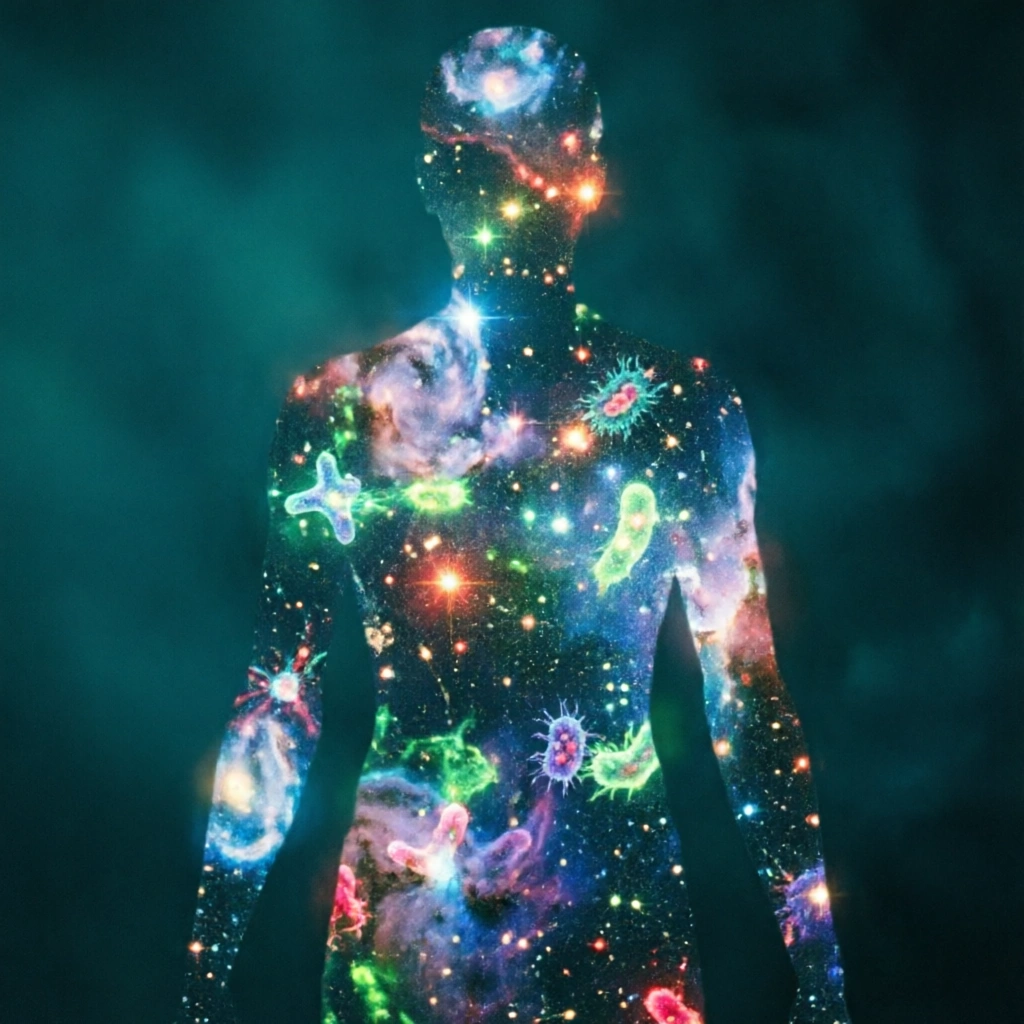
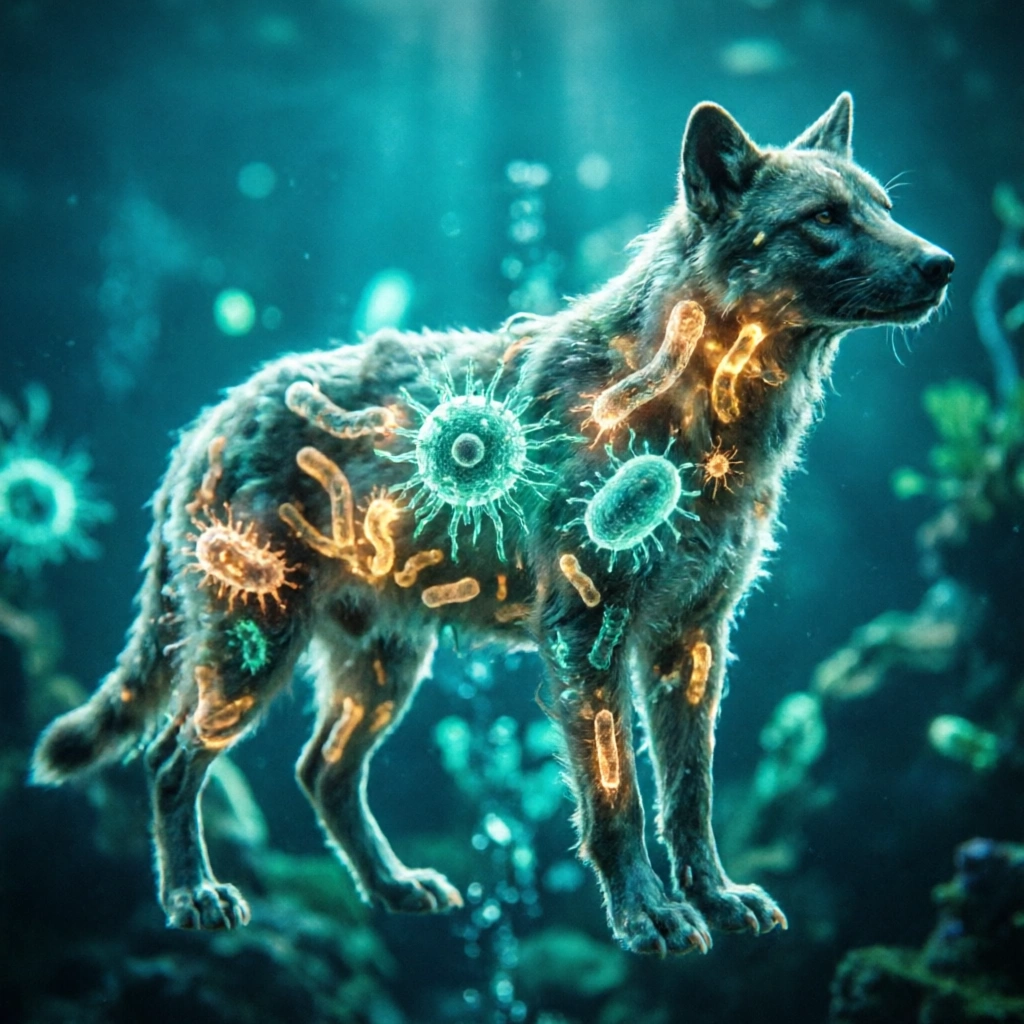
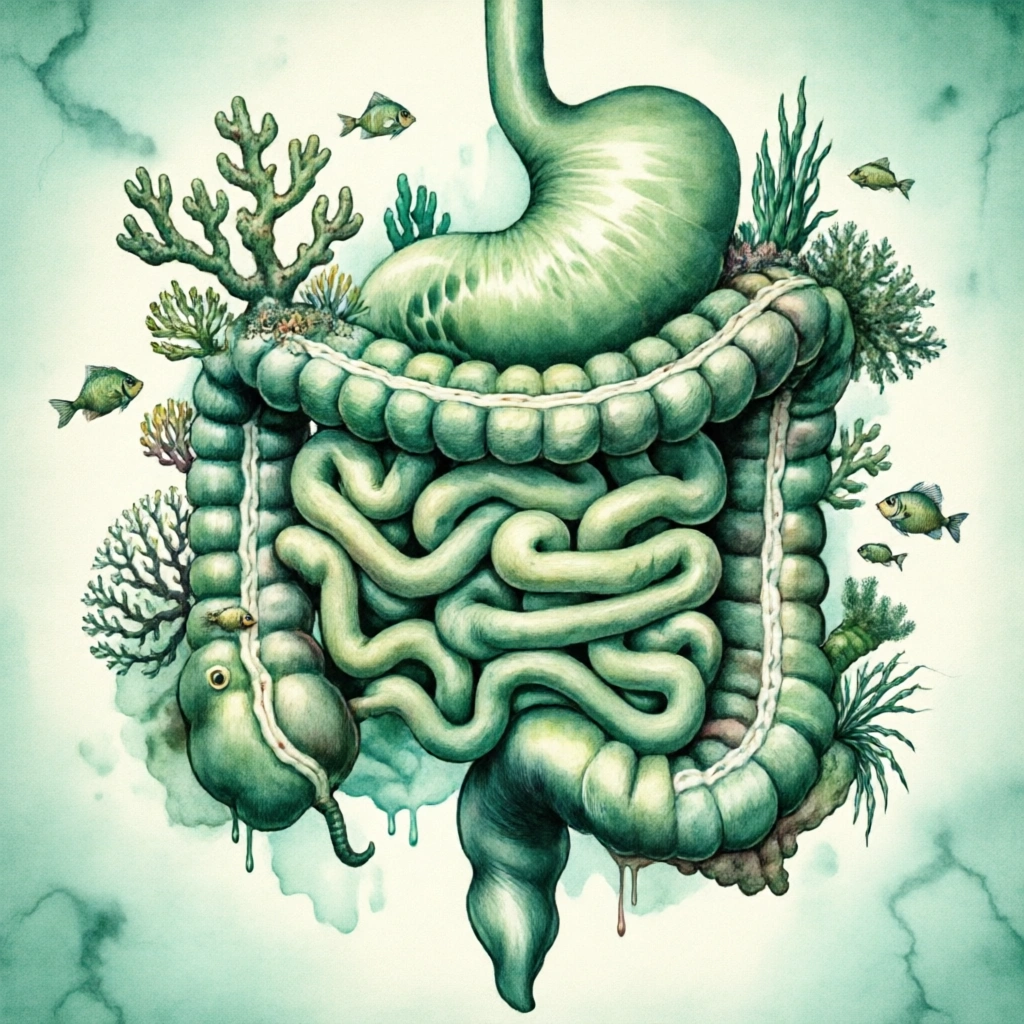
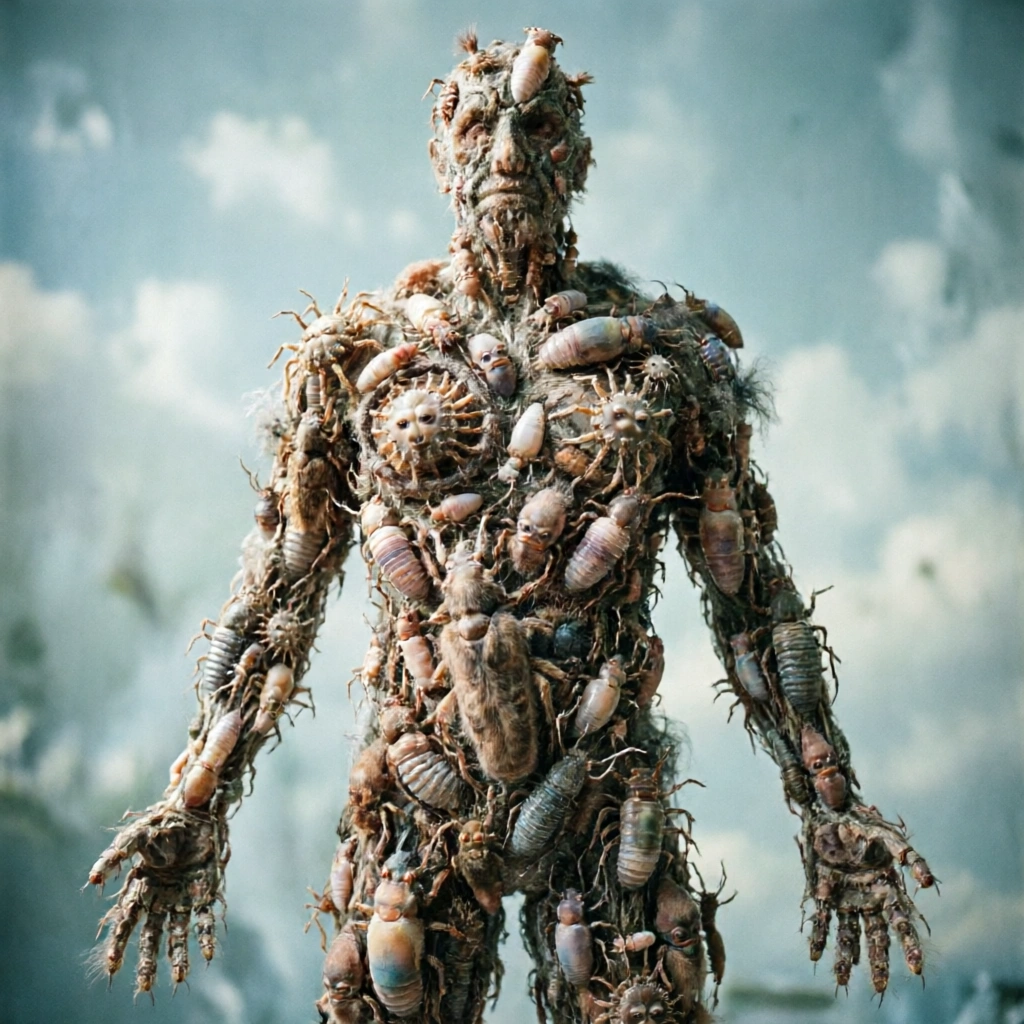
Yong’s project is simple and ambitious. Microbes are not a niche topic for lab nerds. They are the default form of life on Earth, and animals, including us, evolved as partnerships with them. The title borrows Walt Whitman’s line “I am large, I contain multitudes,” and Yong means it literally. Trillions of bacteria, viruses, fungi, and other microbes live on and in your body. They are not freeloaders you can bleach away. They help digest food, train the immune system, make vitamins, crowd out pathogens, and shape development.

Whitman Meant It Literally
Partnership Not Product Pitch

Partnership Not Product Pitch

The book is a tour of that partnership across species, not a diet manual or a probiotic ad.

War On Germs Falls Apart

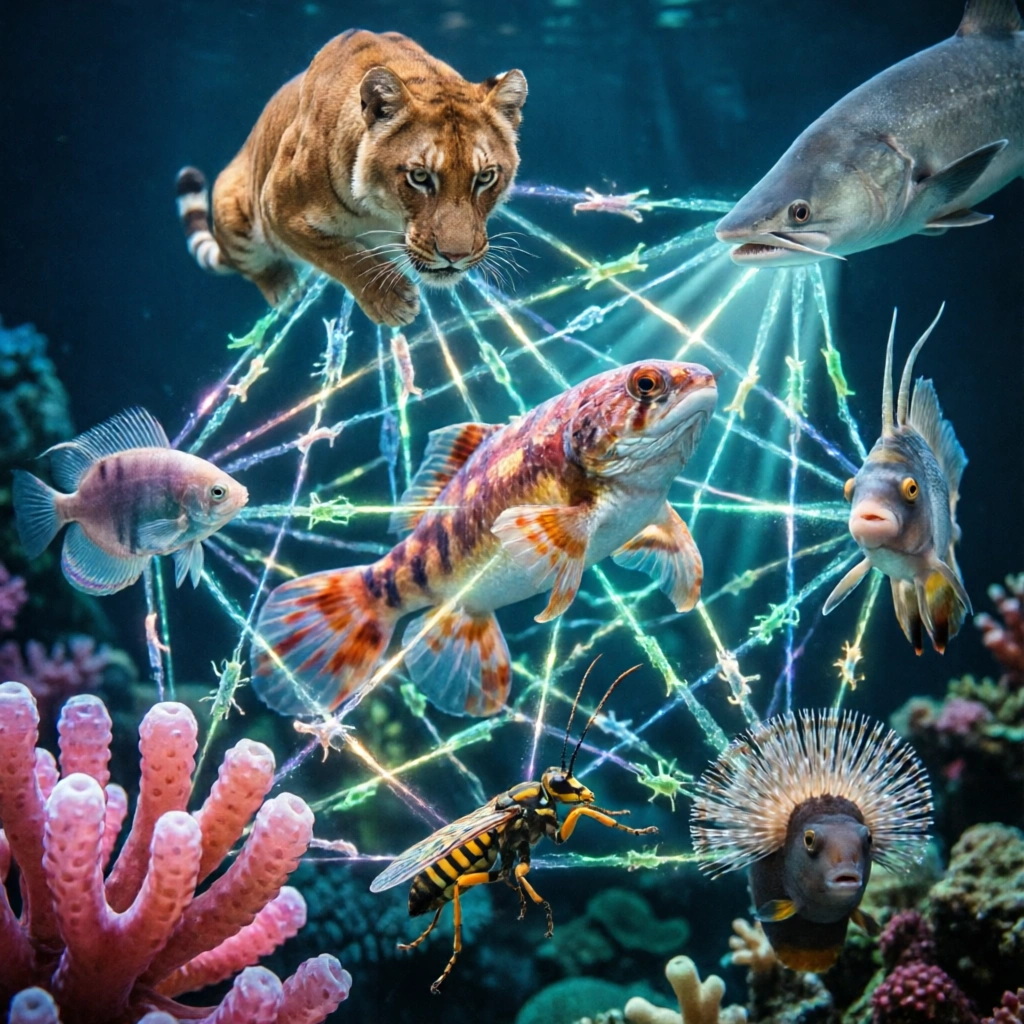
The early chapters kill the old war-on-germs story. Yes, some microbes kill. Antibiotics and sanitation save lives. But the pure-sterile ideal is a fantasy that backfires. Yong walks through classic and modern experiments: germ-free animals with broken immune systems, microbes that steer insect reproduction, squid that recruit glowing bacteria every night, and corals that live or die by their algal partners. Again and again the pattern is the same. Multicellular life is a team sport.

War On Germs Falls Apart
Animals As Holobionts

Animals As Holobionts

What looks like “an animal” is often a holobiont — host plus microbial community functioning as a unit.

Human Microbiome Without Hype

Humans get the same treatment without the hype. Yong is careful with the microbiome craze. He celebrates what we know and refuses the oversell. Your gut community matters for digestion and immunity. Birth mode, antibiotics, diet, and environment shape it. Fecal transplants can cure certain stubborn infections by restoring a healthy community. But he also flags how early the science still is, how personal microbiomes are, and how easy it is for wellness marketing to race ahead of evidence. That honesty is part of why the book ages well.

Human Microbiome Without Hype
Think Not Buy Powder

Think Not Buy Powder

It teaches you how to think about microbes, not which powder to buy.

Diplomacy Not Border Walls

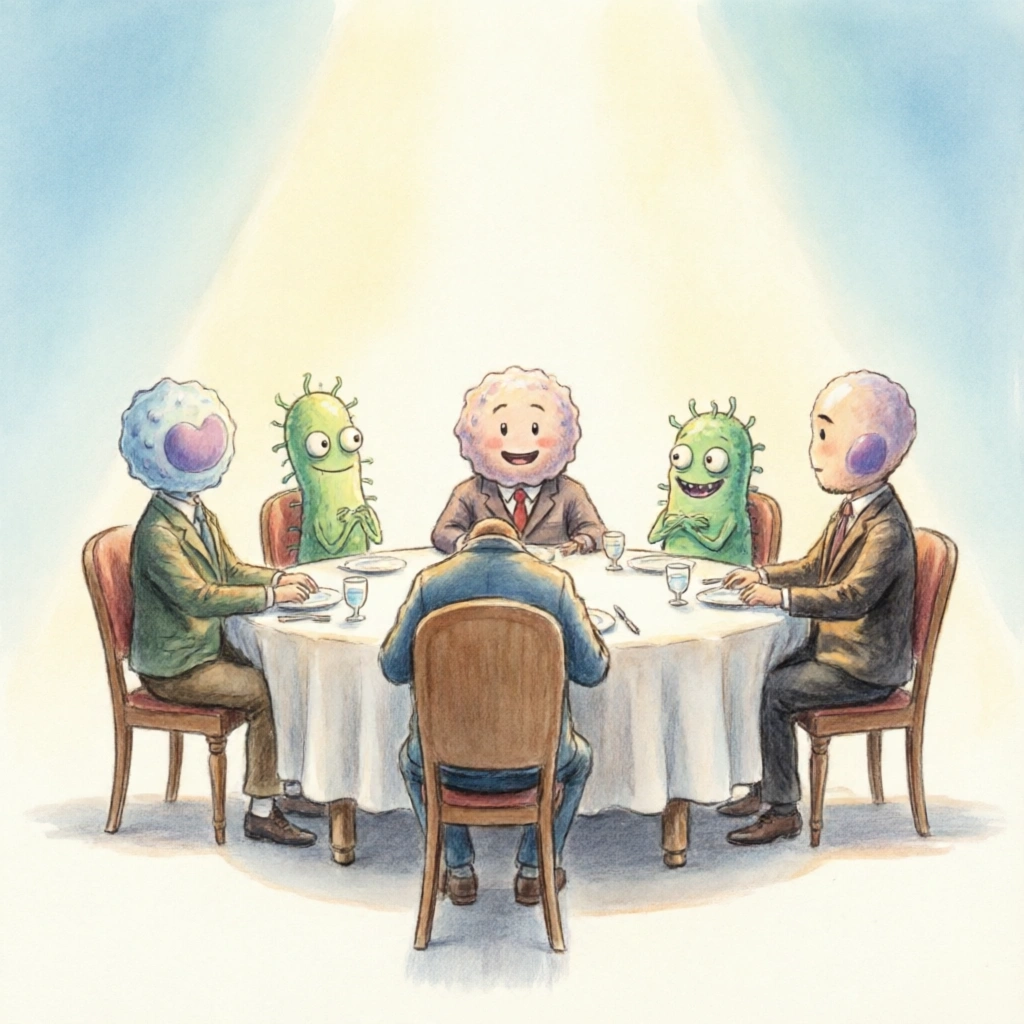
A major thread is negotiation, not harmony posters. Microbes and hosts have conflicts of interest. Partners can turn pathogens when context changes. The immune system is less a border wall and more a diplomat with a standing army — constantly sampling, tolerating, and occasionally crushing. Yong shows how developmental windows matter: early-life microbial exposure helps calibrate immunity, and disrupting those cues can leave lasting marks.

Diplomacy Not Border Walls
When Invisible Worlds Collapse

When Invisible Worlds Collapse

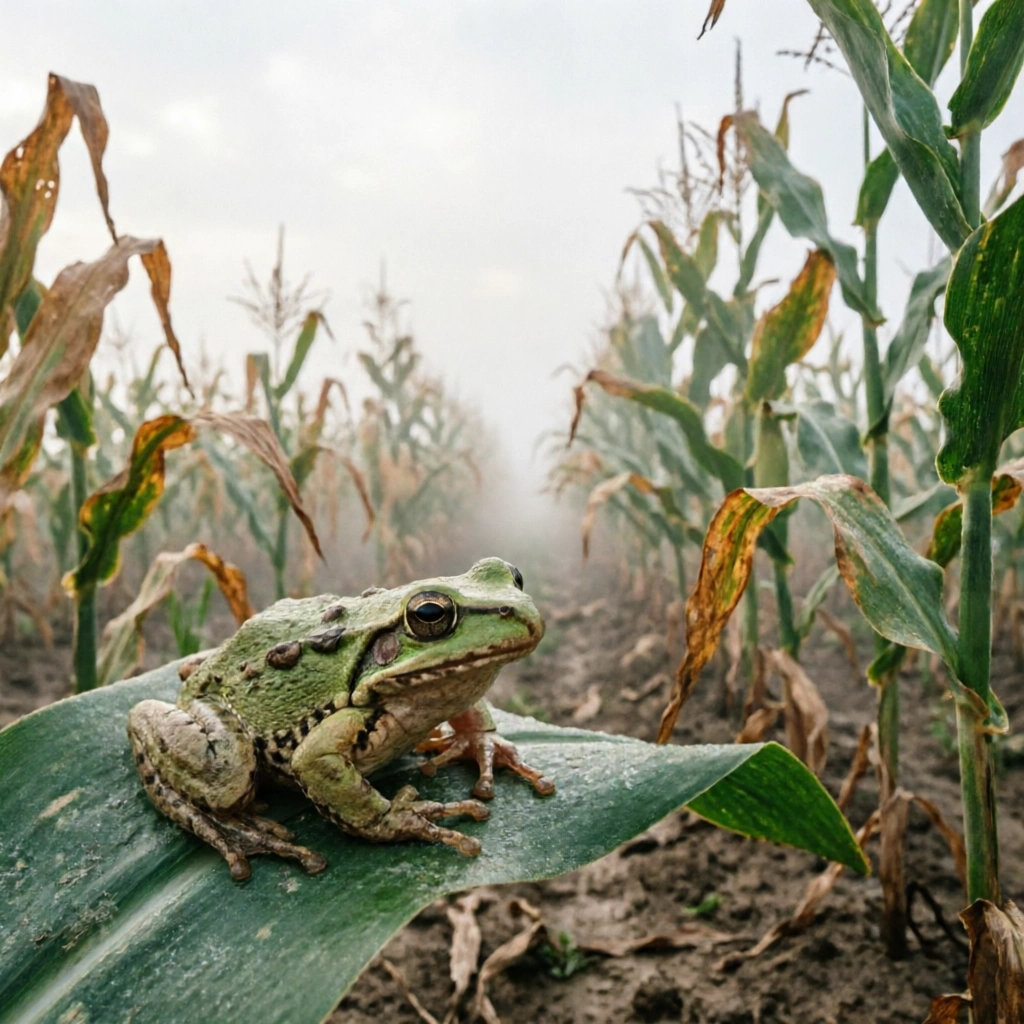
He also ranges into wildlife conservation and agriculture, where missing microbes can mean failing frogs, struggling crops, or ecosystems that look intact until the invisible half collapses.

Collections Not Lone Individuals

A few lines capture the book’s spine. We are not individuals so much as collections. Microbes are not optional accessories; they are part of what makes animals possible. The world is not divided cleanly into “us” and “germs.” And the smart response to that fact is curiosity plus humility — better science, smarter medicine, less panic, less magic thinking. Yong’s prose stays vivid without drowning you in jargon. He has a gift for the perfect animal vignette that makes an abstract idea stick.

Collections Not Lone Individuals
Antidote To Microbiome Hype

Antidote To Microbiome Hype

Why does this deserve your time? Because microbiome talk is everywhere and usually either scary or salesy. This book is the antidote: rigorous, funny, and proportioned. Ideal readers are anyone who liked popular science that changes a worldview, medical students who want the big picture behind the gut-brain headlines, and people tired of being told their microbiome is a personality quiz. There were zero microbiome books in this review library before this one, and Yong is the right first entry — microbiome done right, without the snake oil.

Never Alone Inside Your Skin

If you want a grander view of life that starts under your fingernails and ends in a different sense of self, start here. Read it slowly enough to notice you are never alone in the room, not even inside your own skin. Thanks for watching, and happy reading!

Never Alone Inside Your Skin

📚 You Might Also Like
How Life Works

How Life Works

Philip Ball

A modern rethinking of what organisms are beyond gene-centric simplicity

Read Review
The Vital Question

The Vital Question

Nick Lane

Deep evolutionary biology of energy, cells, and why complex life is rare

Read Review
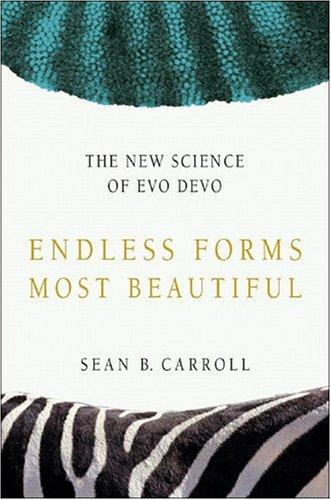
Endless Forms Most Beautiful

Endless Forms Most Beautiful

Sean B. Carroll

How developmental genes build the animal body — the host half of the partnership

Read Review
The Immortal Life of Henrietta Lacks

The Immortal Life of Henrietta Lacks

Rebecca Skloot

Human biology, medicine, and the ethical stakes of research done on bodies

Read Review

💬 Reader Thoughts

Email is required for anti-spam but can be fake if you prefer privacy.

Loading comments...