




Book Review

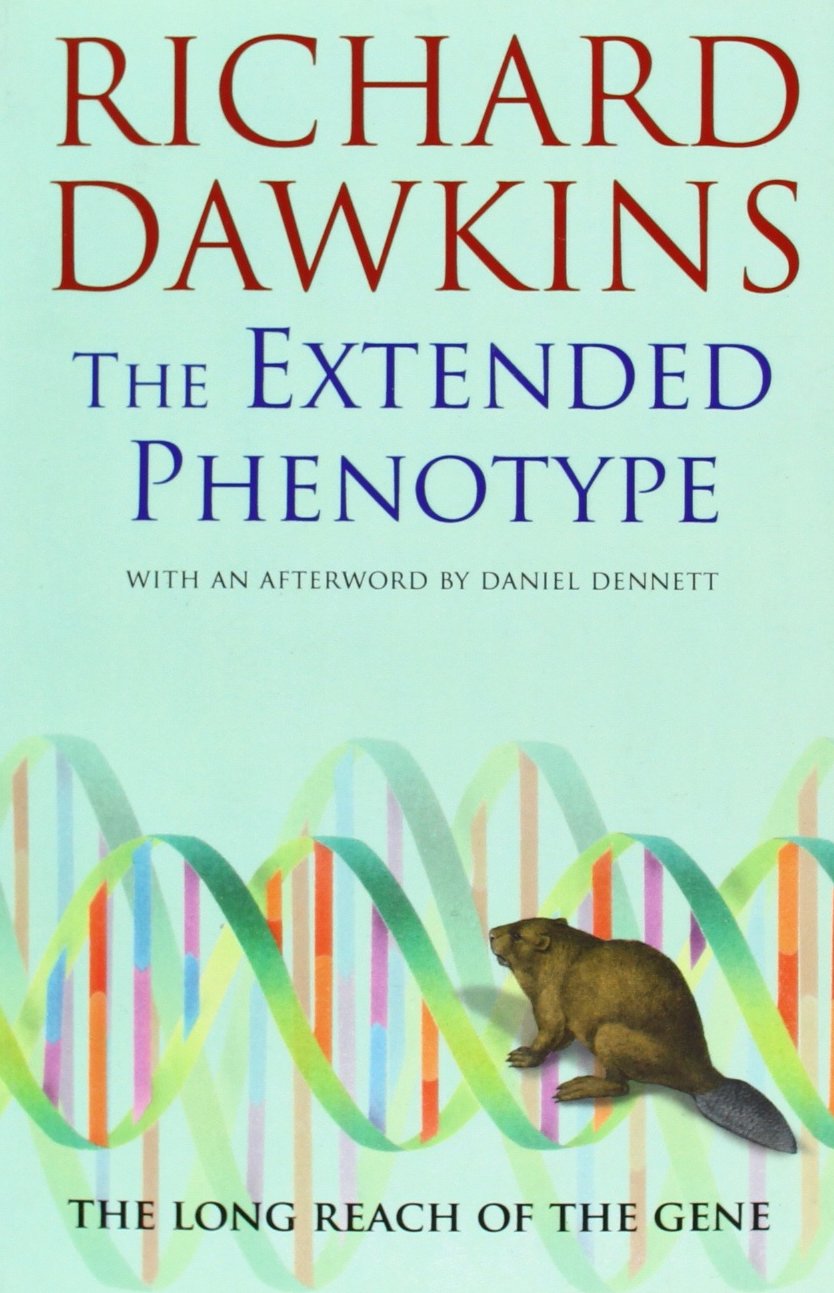
Hey everyone! Ian here! Welcome to our book review of The Extended Phenotype by Richard Dawkins. First published in nineteen eighty two by W. H. Freeman, later by Oxford University Press, it is the book Dawkins has repeatedly called his most original. Spoiler up front, and this is a science book so the spoiler is the argument itself: a gene’s phenotype is not the body that happens to carry it. It is every causal lever that gene uses to get into the next generation — including beaver dams, caddis houses, and the hijacked nervous system of a host.
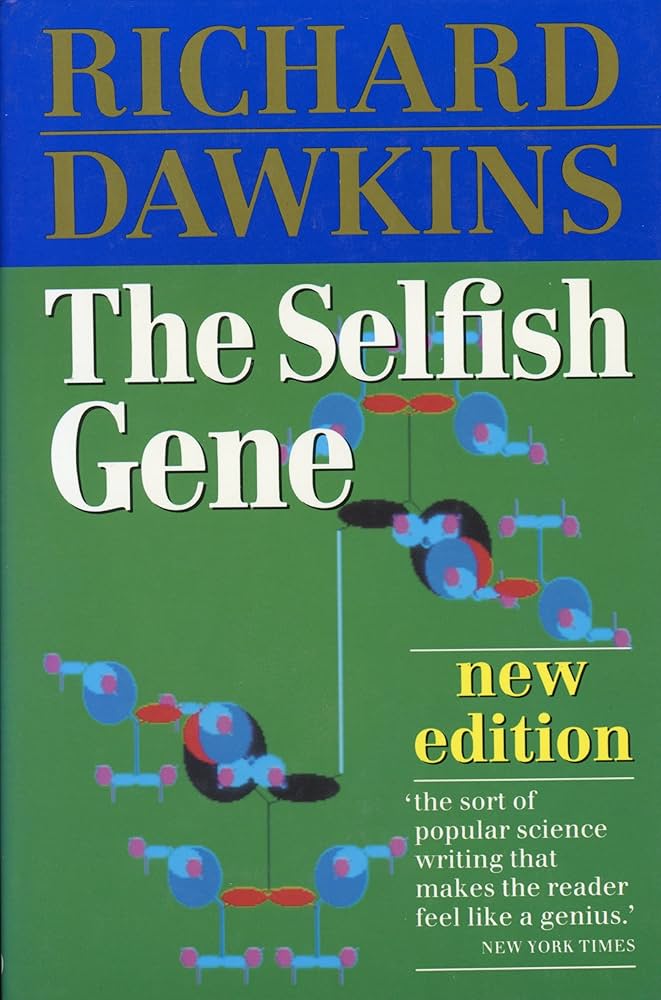
Dawkins was then a young Oxford zoologist. Six years earlier, The Selfish Gene had taken the gene’s-eye view developed by W. D. Hamilton, George Williams, John Maynard Smith, and Robert Trivers and made it famous. That book started a fight. Critics said he had turned organisms into gene vehicles and thrown away real biology. The Extended Phenotype is the reply, and it is not a popularization. The original subtitle was The Gene as the Unit of Selection. Later editions added The Long Reach of the Gene. Science called it entertaining and thought-provoking.


Geoffrey Parker, writing in Heredity, said Dawkins is quite incapable of being boring. Readers still warn that it is harder than The Selfish Gene. That is the point. This one is written for people who actually want the machinery.
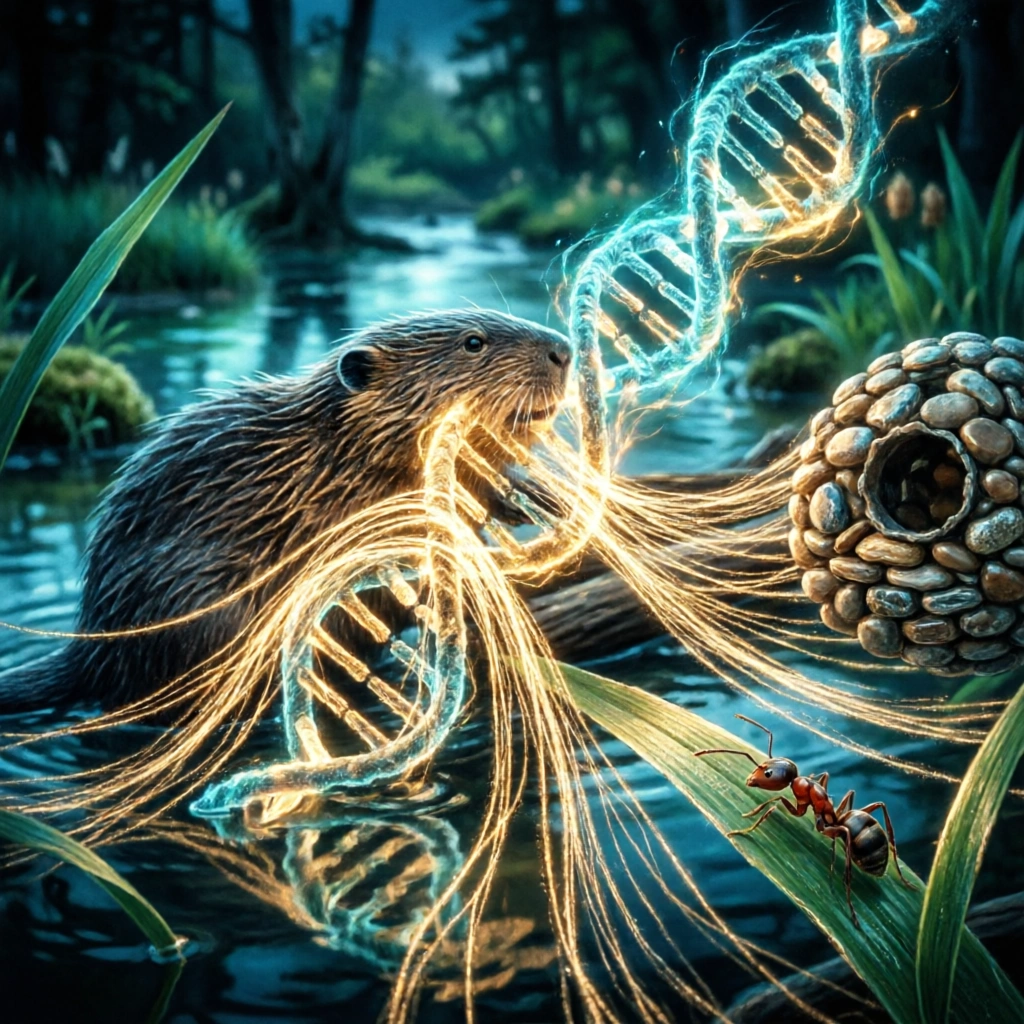
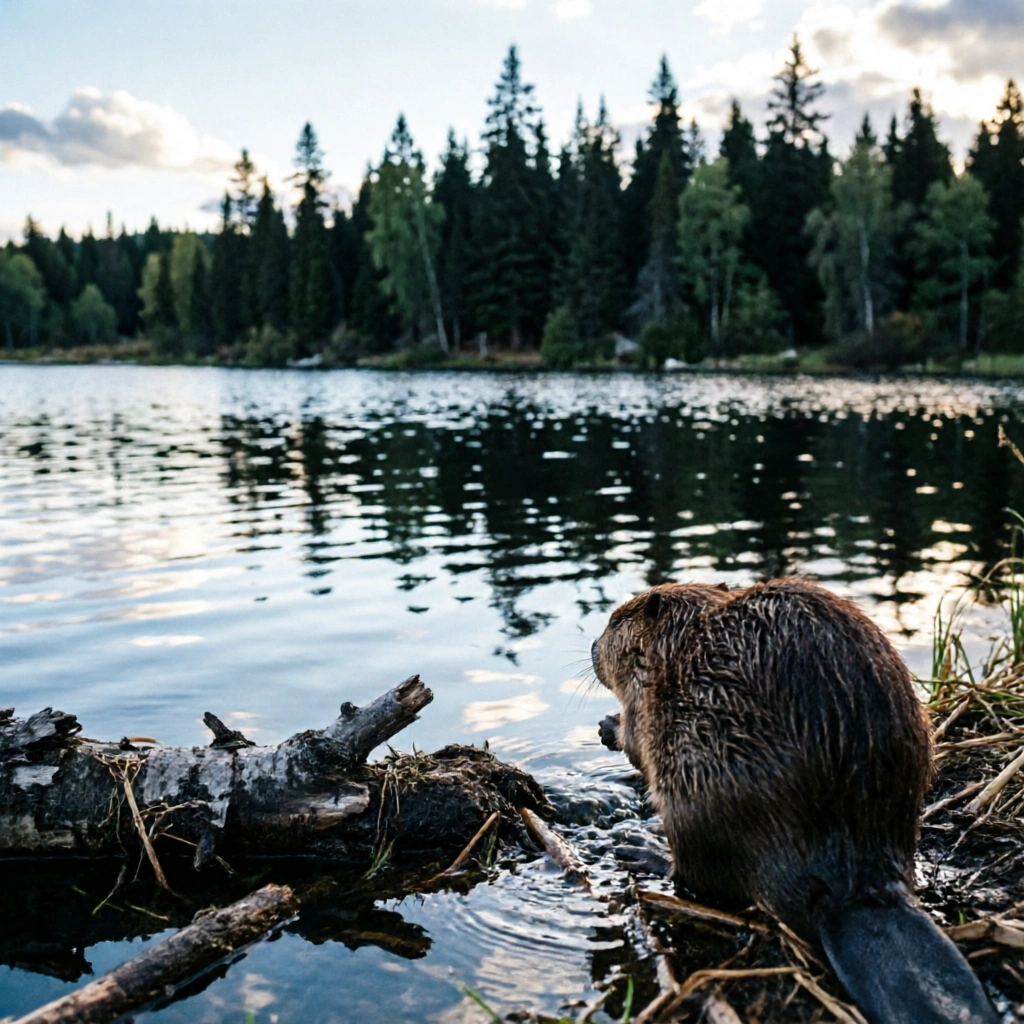
Here is the core move. In ordinary genetics, phenotype means the measurable traits of an organism: height, eye color, a protein, a behavior. Dawkins says that is an arbitrary cutoff. If a gene in a beaver changes dam height, the lake is as much a phenotypic effect of that gene as the beaver’s incisors. If two beavers with different dam-height genes work the same river, the resulting architecture is a gene interaction, the same way a body is a gene interaction. Artifacts are not metaphors. They are phenotypes that happen to sit outside the skin.


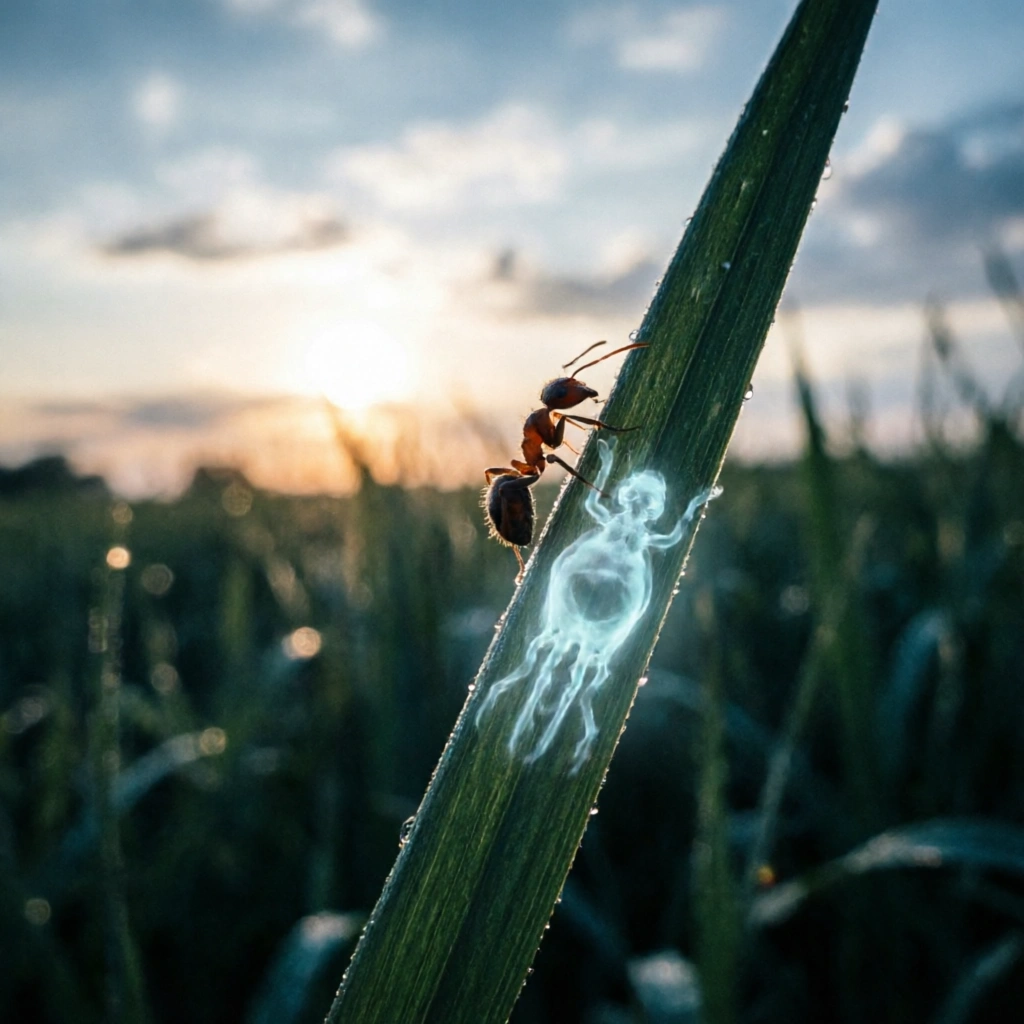
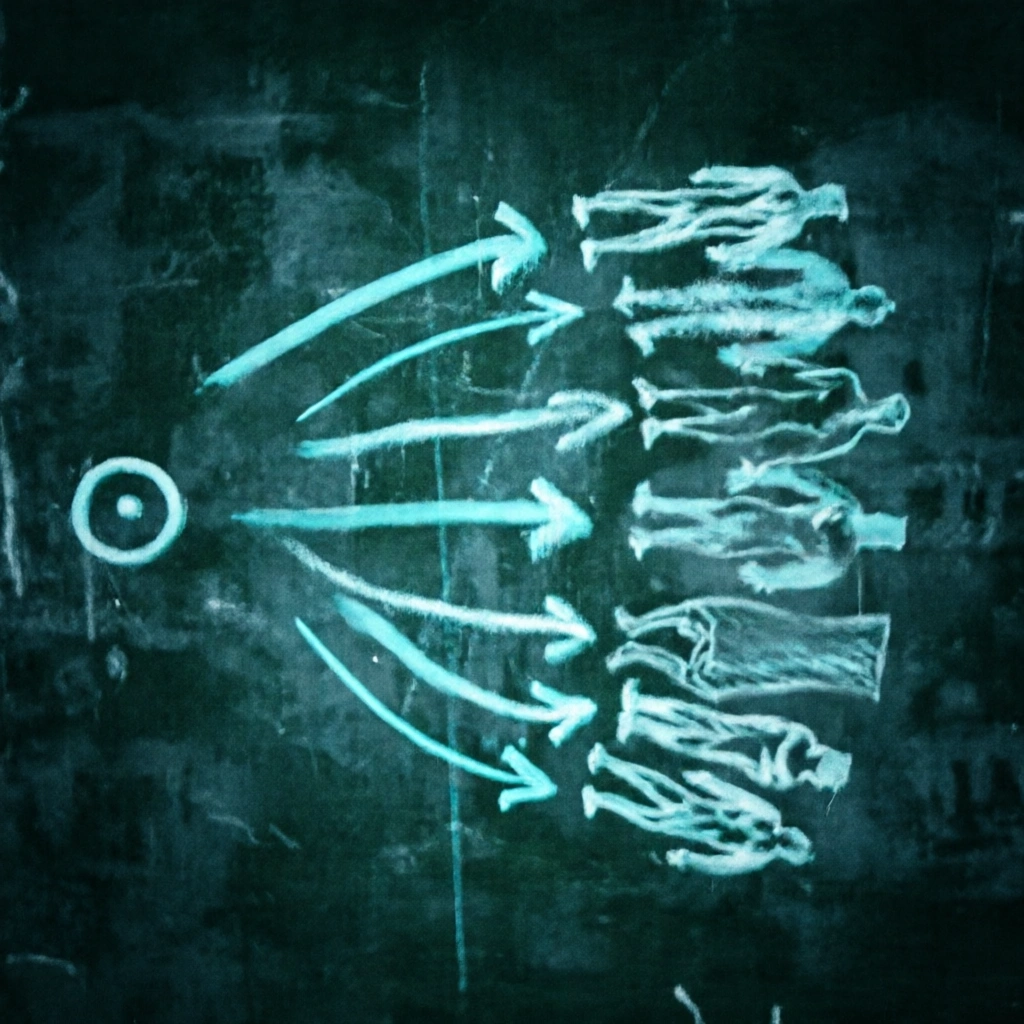
The second reach is manipulation of other bodies. Parasites do not only live in hosts. They rewrite them. A fluke that makes an ant climb a blade of grass, a virus that changes a cricket’s song, a brood parasite that turns a nest into a factory for someone else’s young — those host behaviors are phenotypic effects of genes that are not even in the host. The body doing the work is not the body whose fitness is being maximized. That is the punch.
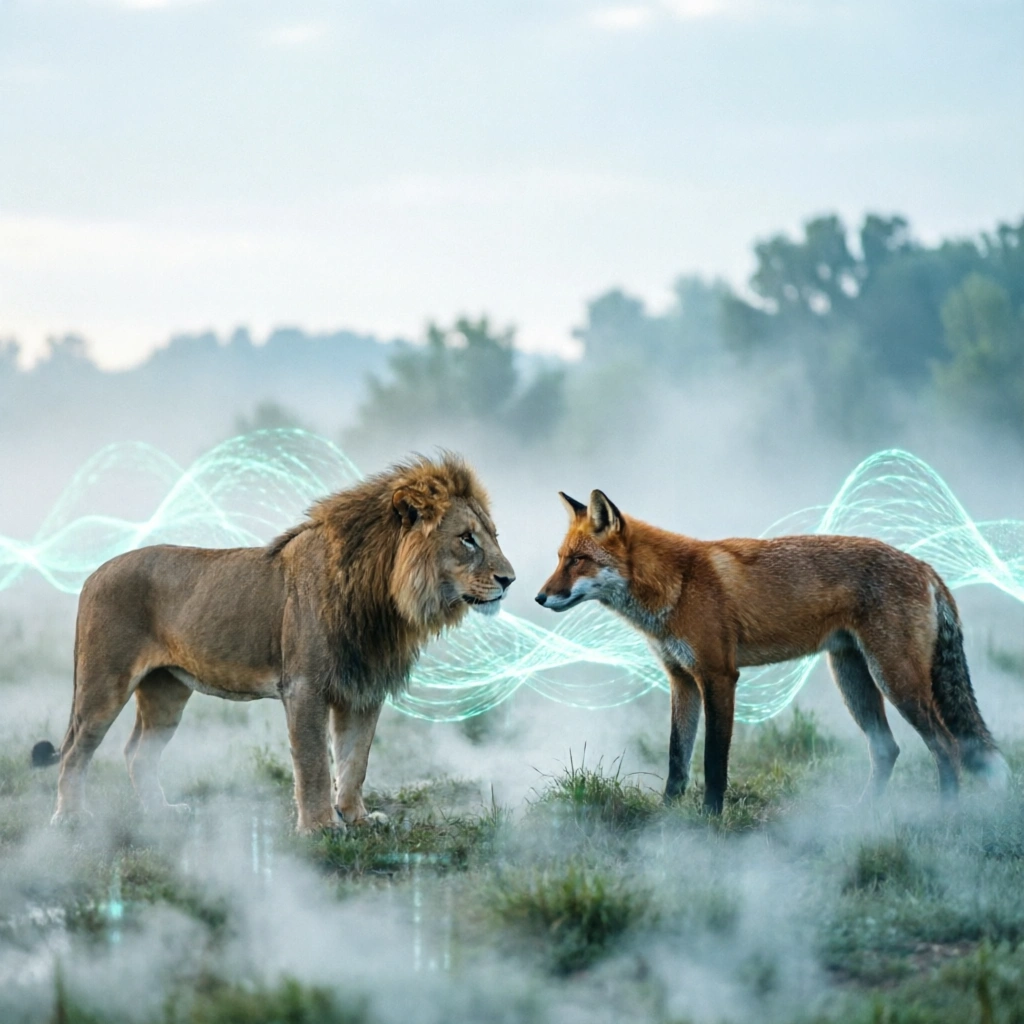
The third reach is action at a distance on conspecifics: signals, threats, chemical warfare, the social environment one animal builds around another. Once you allow genes to have effects outside their own cells, the organism stops looking like the natural unit of everything. It becomes one convenient package among several.


Dawkins states a central theorem, around page two hundred thirty three in common later printings: an animal’s behaviour tends to maximize the survival of the genes for that behaviour, whether or not those genes happen to be in the body of the particular animal performing it. Read that twice. Inclusive fitness already said relatives can carry the same genes. He goes further. The genes need not be in a relative. They can be in a parasite. They can be in a neighbor. Selection still tracks the replicators.
Around that theorem he does the technical work people skip when they only remember the beaver dam. Replicators versus vehicles. Outlaw genes and meiotic drive that sabotage the rest of the genome. Arms races between parasites and hosts, and between genes inside the same body. Why group selection keeps failing as an accounting system. Why “for the good of the species” is almost always a sloppy sentence. He is defending a method: follow the causal arrows from DNA to the world, and stop pretending the organism’s membrane is a metaphysical wall.


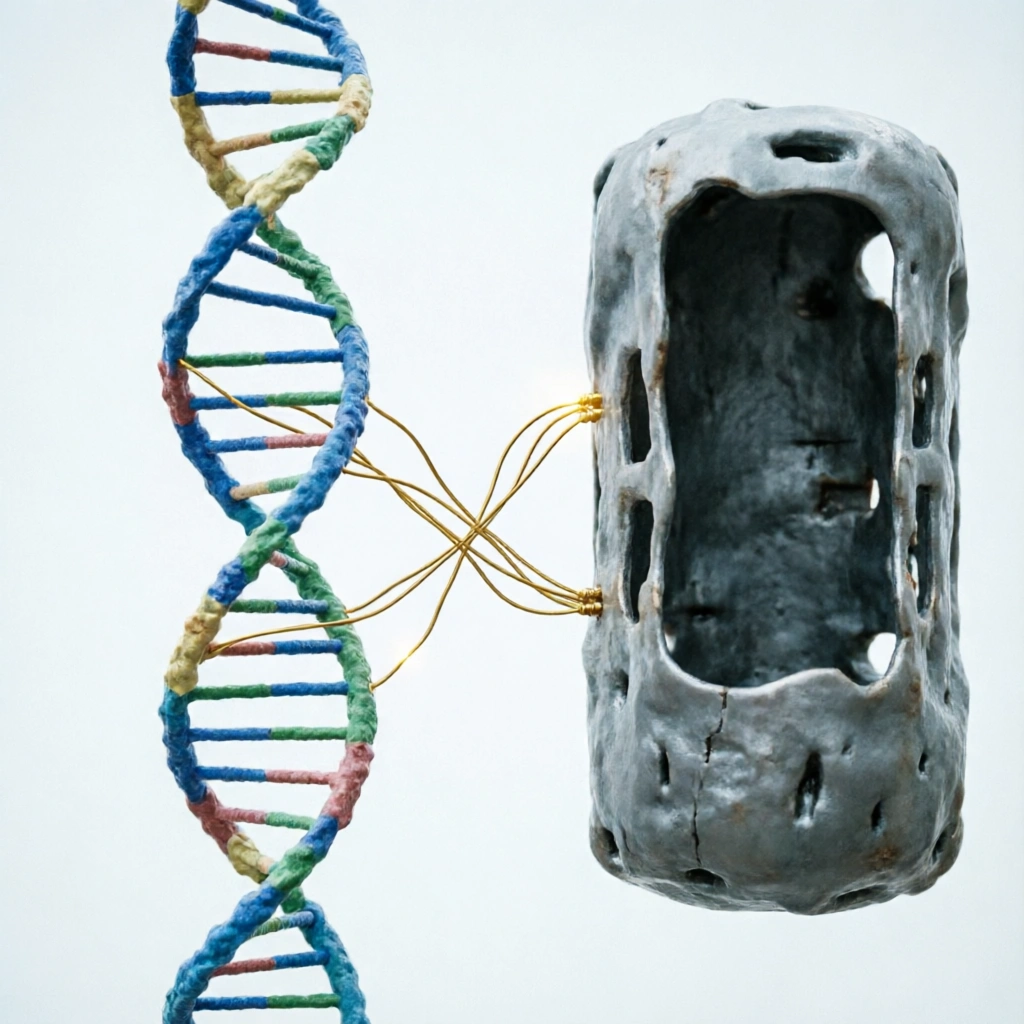
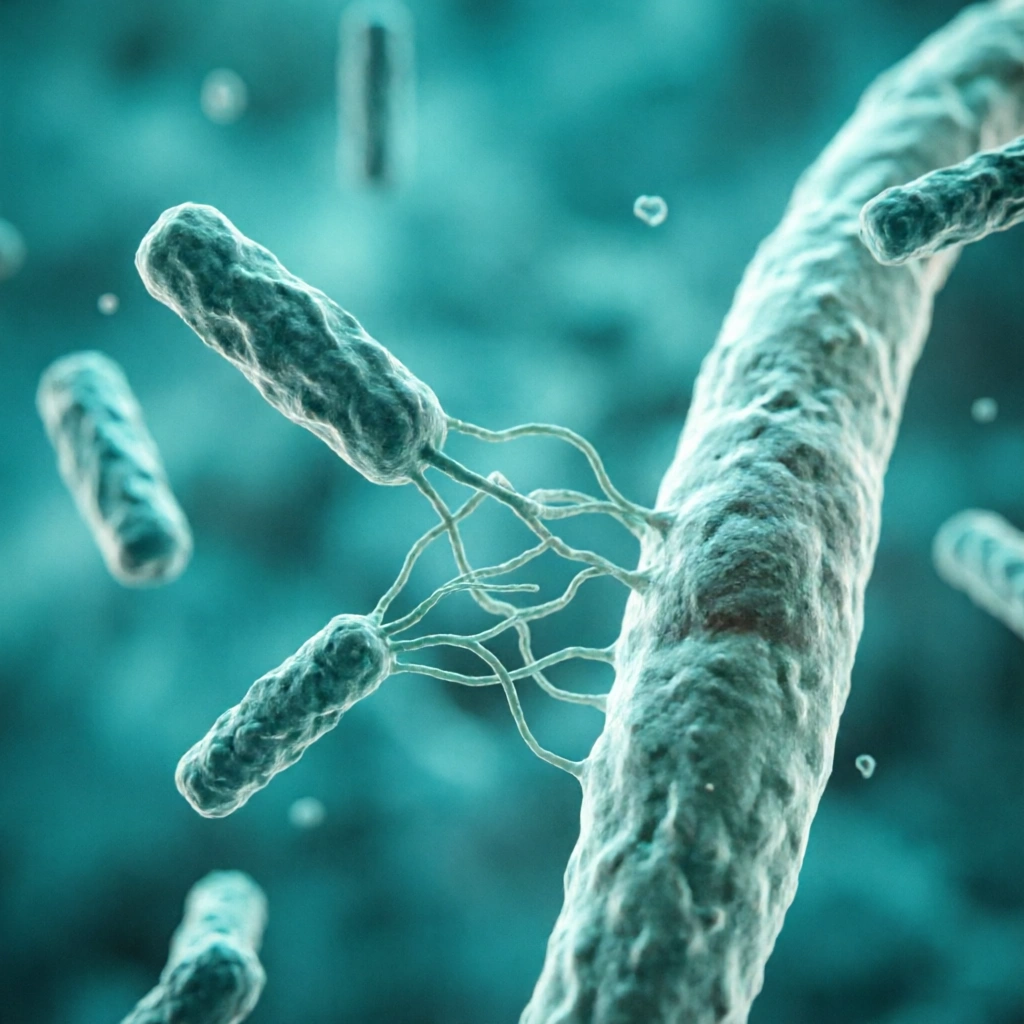
I picked this book for a selfish reason. I work on feeding nucleic acids from bacteria into worms — guides, messengers, repair templates. If that ever works, a gene sitting in Escherichia coli will have changed the phenotype of Caenorhabditis elegans. That is not a metaphor borrowed from a pop-science chapter. That is the extended phenotype as an experimental claim: the relevant phenotype is wherever the causal chain actually lands. Compartment matters. Polarity matters. The body that carries the DNA is not automatically the body that shows the trait.
Why does it deserve your time? Because almost every public fight about selfish genes is still stuck in nineteen seventy six. This is the clearer, less cute statement of the idea. Ideal readers are working biologists, serious amateurs who already finished The Selfish Gene, and anyone who keeps saying “the organism” when they mean “the convenient package.” It is not a beach book. It is argumentative, sometimes dense, and it will make you re-draw the boundary of a trait. If you only want stories about beavers, you can get those in a paragraph.


If you want to know why the beaver is not the last word, read the book.
Thanks for watching, and happy reading!

Richard Dawkins
The 1976 gene-eye view this book was written to defend and sharpen
Read Review
Richard Dawkins
How cumulative selection builds complexity without a designer
Read Review
Sean B. Carroll
How genes actually build bodies — the evo-devo complement to gene-eye theory
Read Review
Nick Lane
Energy and membranes as the other half of what a gene can reach
Read Review