








Book Review

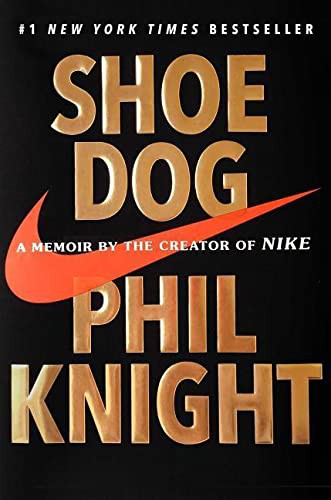
Hey everyone! Ian here! Welcome to our book review. Today we're diving into Shoe Dog by Phil Knight. This is the memoir of the man who built Nike from a small operation importing Japanese running shoes into one of the most recognizable brands on the planet. Before we get into the details, I want to be upfront — this is a full-spoiler review. The value here is in seeing how the story actually unfolded, not in preserving surprises.
Phil Knight started as a middle-distance runner at the University of Oregon under the legendary coach Bill Bowerman. After getting an MBA from Stanford, Knight wrote a paper proposing that American companies could challenge the German dominance in athletic footwear by importing high-quality, low-cost shoes from Japan. That paper became the seed for what would eventually become Nike. Knight didn't come from money or connections. He was a guy with an idea, a willingness to take risks, and a deep belief that he could build something lasting.


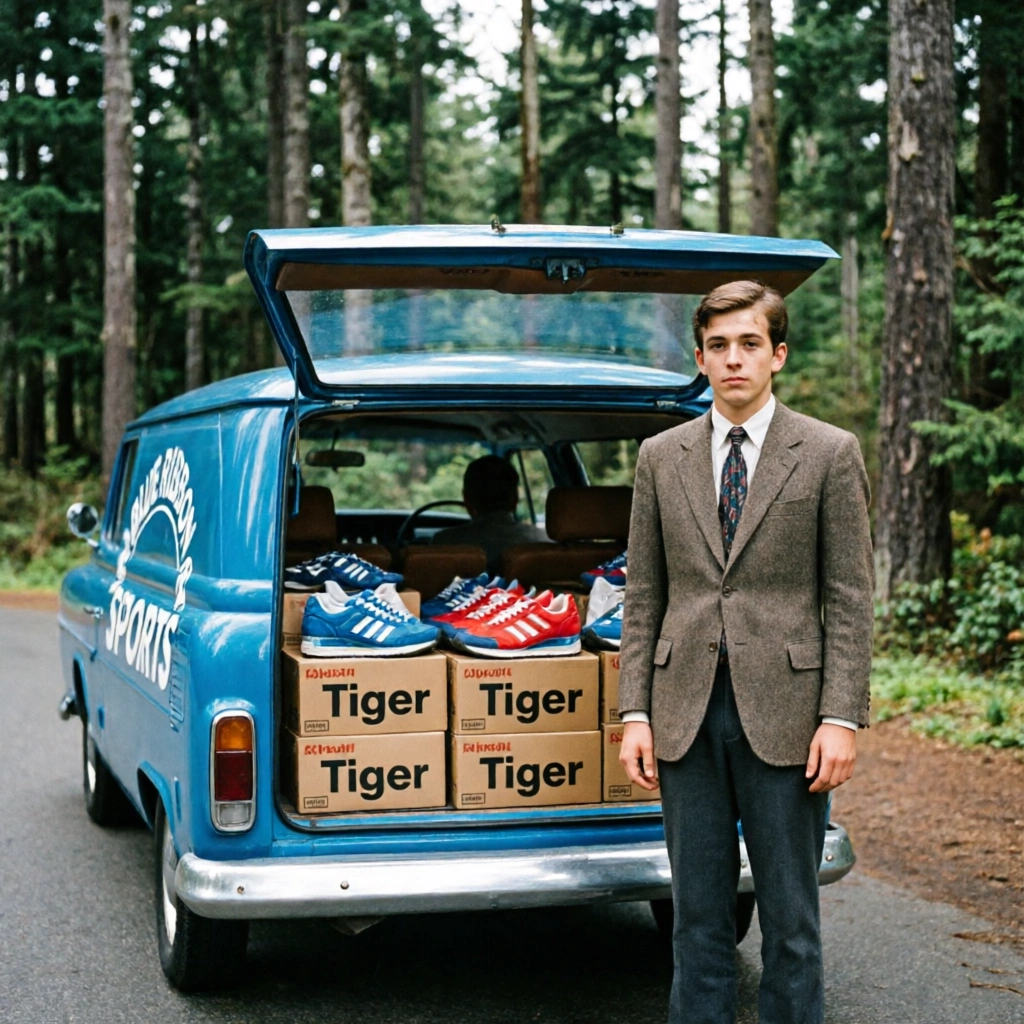
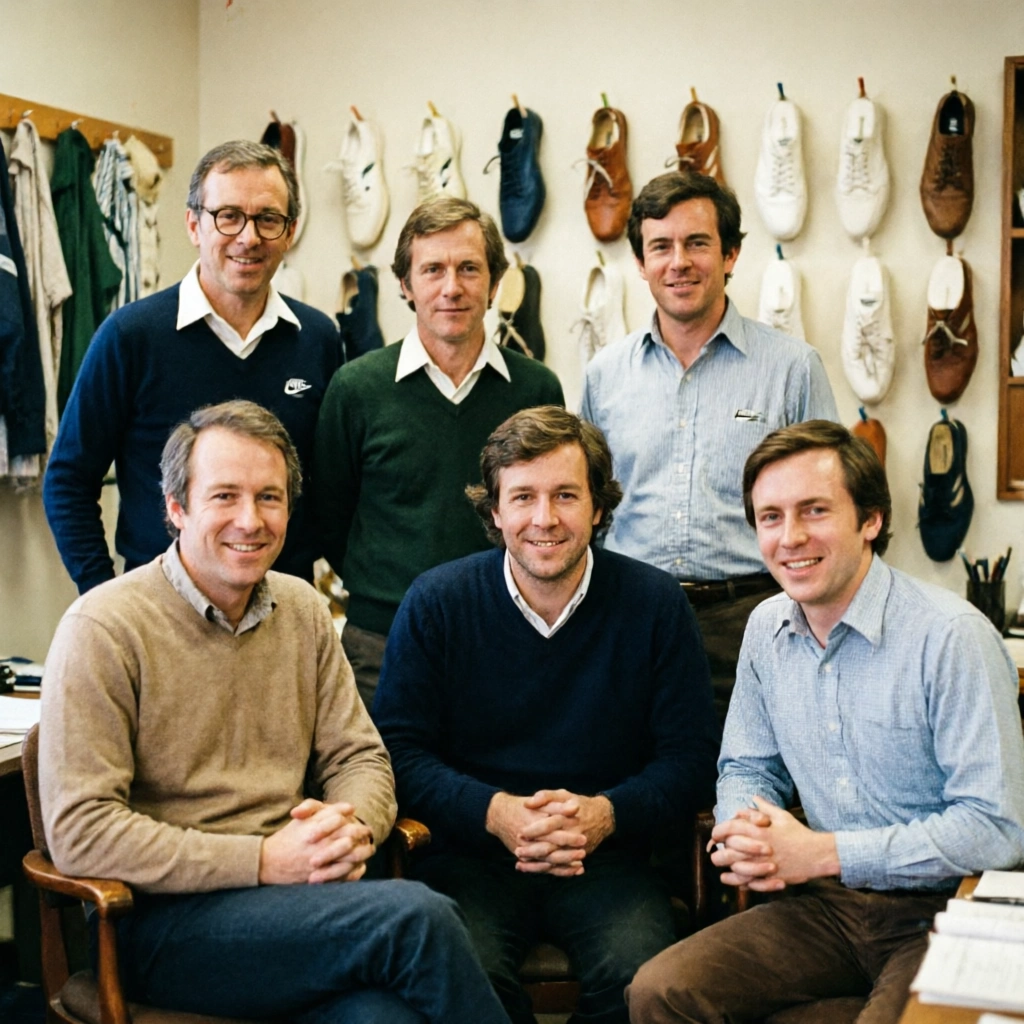
He launched Blue Ribbon Sports with a handshake deal and a small order of Tiger shoes from Onitsuka in Japan. The early days were defined by constant cash flow problems, endless travel, and the need to sell shoes out of the trunk of his car. Knight's first employee was Jeff Johnson, a fellow runner who believed in the vision enough to work for almost nothing at the beginning. Together they built a network of sales reps and small retail accounts while fighting for every dollar.
The relationship with Onitsuka eventually collapsed. Knight had been developing his own shoes under the Nike name — named after the Greek goddess of victory — while still distributing Tigers. When Onitsuka tried to push him out, the fight became personal and legal. Nike survived because Knight and his team refused to quit. They kept designing, kept selling, and kept innovating even when the company was on the brink of bankruptcy multiple times.


One of the most important figures in the story is Bill Bowerman, who kept experimenting with shoe designs in his garage. His famous waffle sole, created by pouring rubber into a waffle iron, became the foundation for Nike's early technological edge. Bowerman's relentless pursuit of better performance for his athletes drove real product innovation at a time when most companies were just copying what already existed.
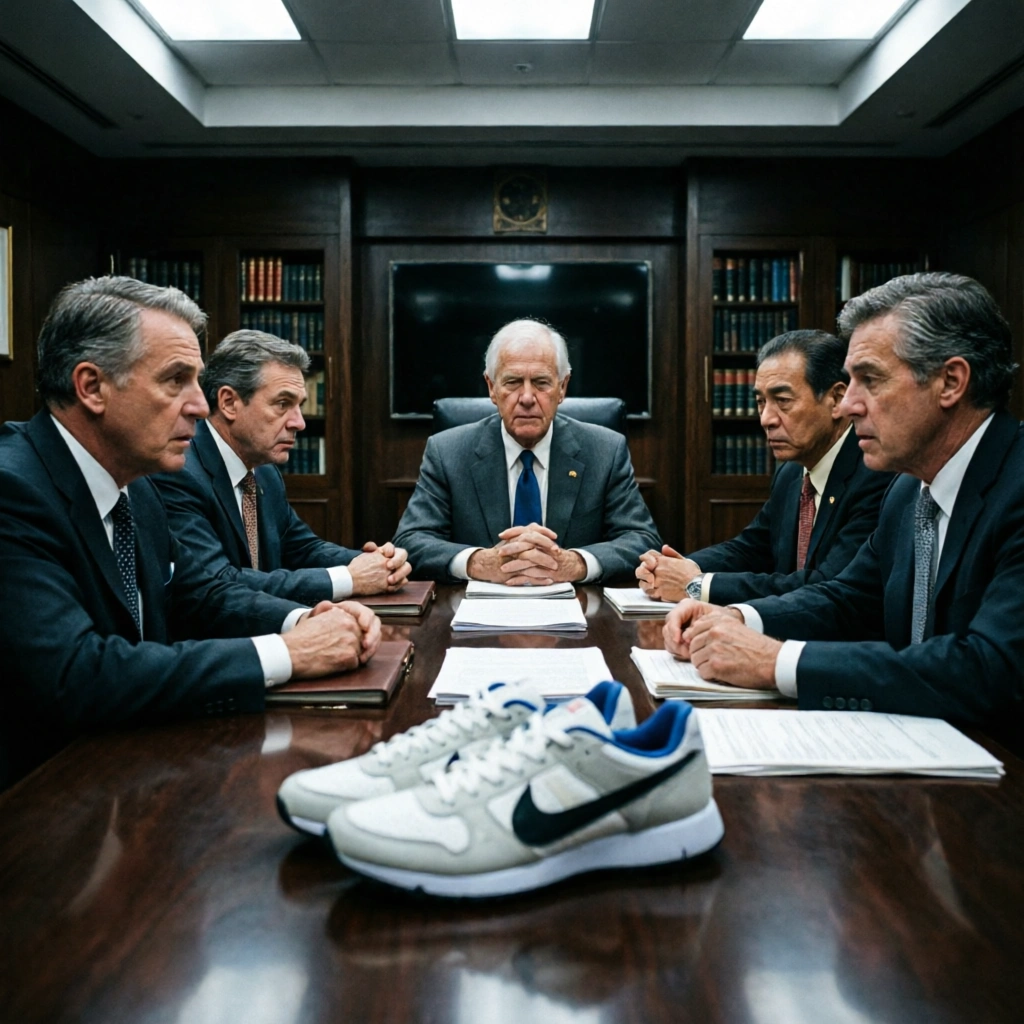
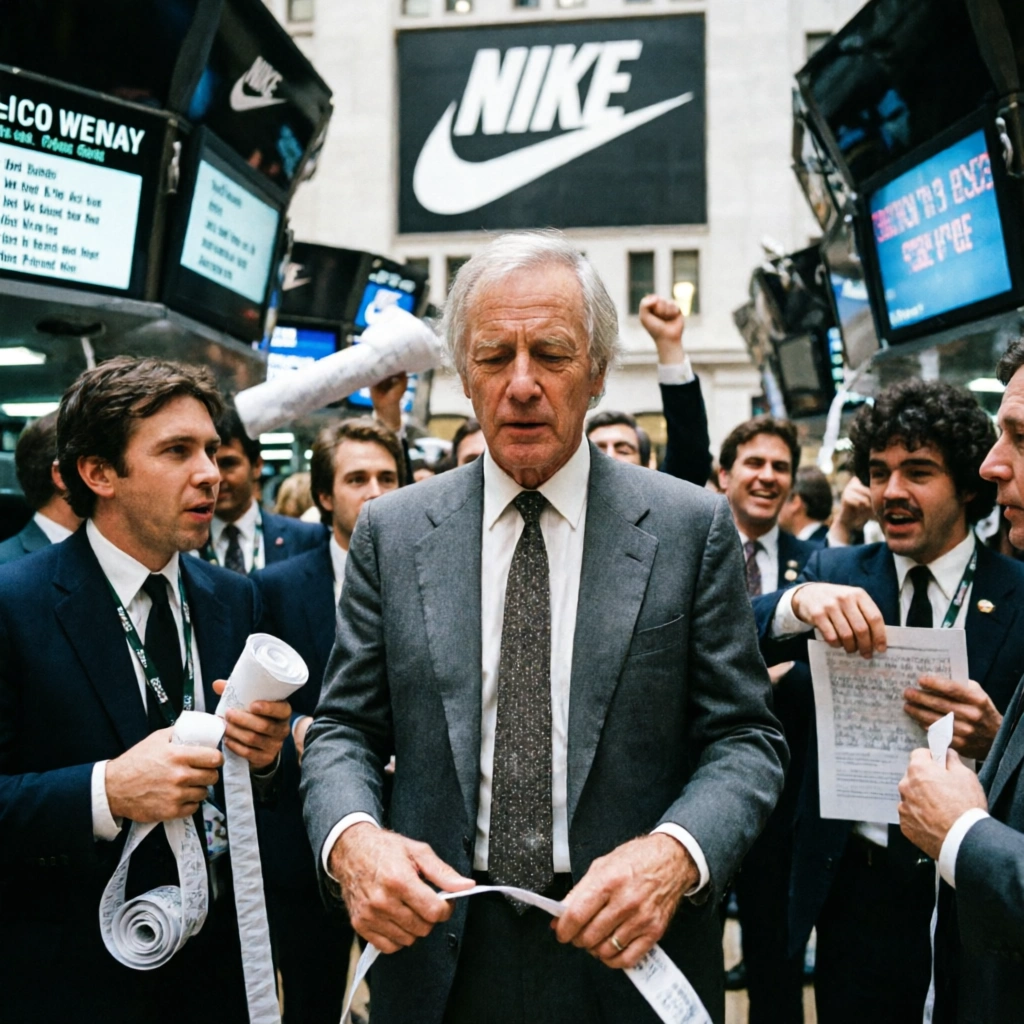
The company went public after years of private struggle. The process was messy, emotional, and full of tension between the founding team and the outside investors who wanted more control. Knight writes honestly about the cost — the strain on relationships, the personal sacrifices, the moments when it all felt like it might fall apart. The IPO gave Nike the capital to scale, but it also changed the culture in ways that were hard to accept.


Key themes run throughout the book. One is the power of believing in something before anyone else does. Knight bet on Japanese manufacturing when no one else in the American running world took it seriously. He bet on his own designs when the supplier tried to cut him off. That willingness to be early and alone shows up again and again. Another theme is the importance of the people around you. Johnson, Bowerman, and later the growing team of designers, marketers, and executives all brought something essential.
Knight is clear that Nike succeeded because of the collective effort, not because of any single genius.


The book also captures the sheer grind of building something from nothing. There are months of sleepless nights, constant travel, and the daily reality of making payroll with almost no money in the bank. Knight doesn't romanticize it. He shows the fear, the doubt, and the moments when quitting would have been the rational choice. The fact that he kept going anyway is what makes the story compelling.
A few lines stand out. Knight describes the early years as living on "a steady diet of hope and nerve gas." He talks about the moment the company almost died and how close they came to losing everything. He reflects on the IPO not as a triumphant ending but as a complicated transition that forced the original team to confront what they had actually built. These aren't polished motivational quotes. They're honest reflections from someone who lived through the mess.


I picked this up after hearing it recommended by several founders. What struck me is how little the fundamentals have changed. The tension between creating something new and the pressure to copy what works. The constant fight for cash and attention. The way personal relationships either hold a company together or tear it apart. Knight's story makes those pressures feel immediate and real rather than abstract business theory.
This book is worth your time if you're building anything — a company, a product, a career — and want to understand what the long game actually looks like. It's not a step-by-step playbook. It's a record of what it costs to stay in the fight when everything is telling you to stop. Knight shows both the wins and the scars without trying to make either look prettier than they were.


If you're someone who likes stories about underdogs who refuse to accept the obvious limits, Shoe Dog delivers. It's a reminder that the companies we now take for granted were once fragile experiments run by people who had no guarantee of success. Thanks for watching, and happy reading!
Peter Thiel
Contrarian thinking on building monopolies and going from 0 to 1
Read Review
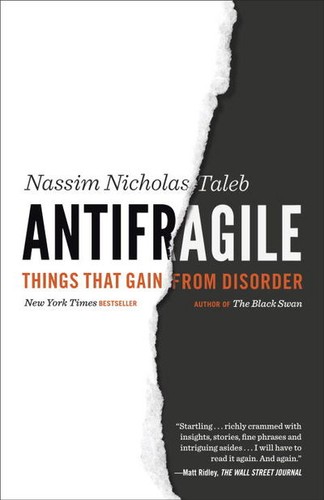
Nassim Nicholas Taleb
How to build systems that gain from disorder and volatility
Read Review
Morgan Housel
The behavioral side of building wealth and taking asymmetric bets
Read Review