










Book Review

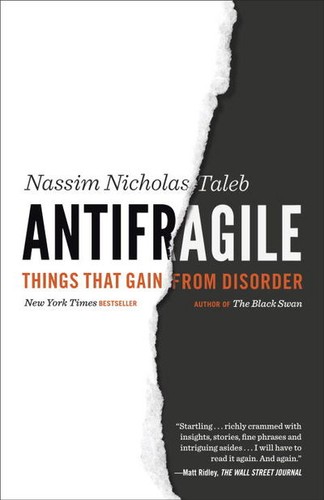
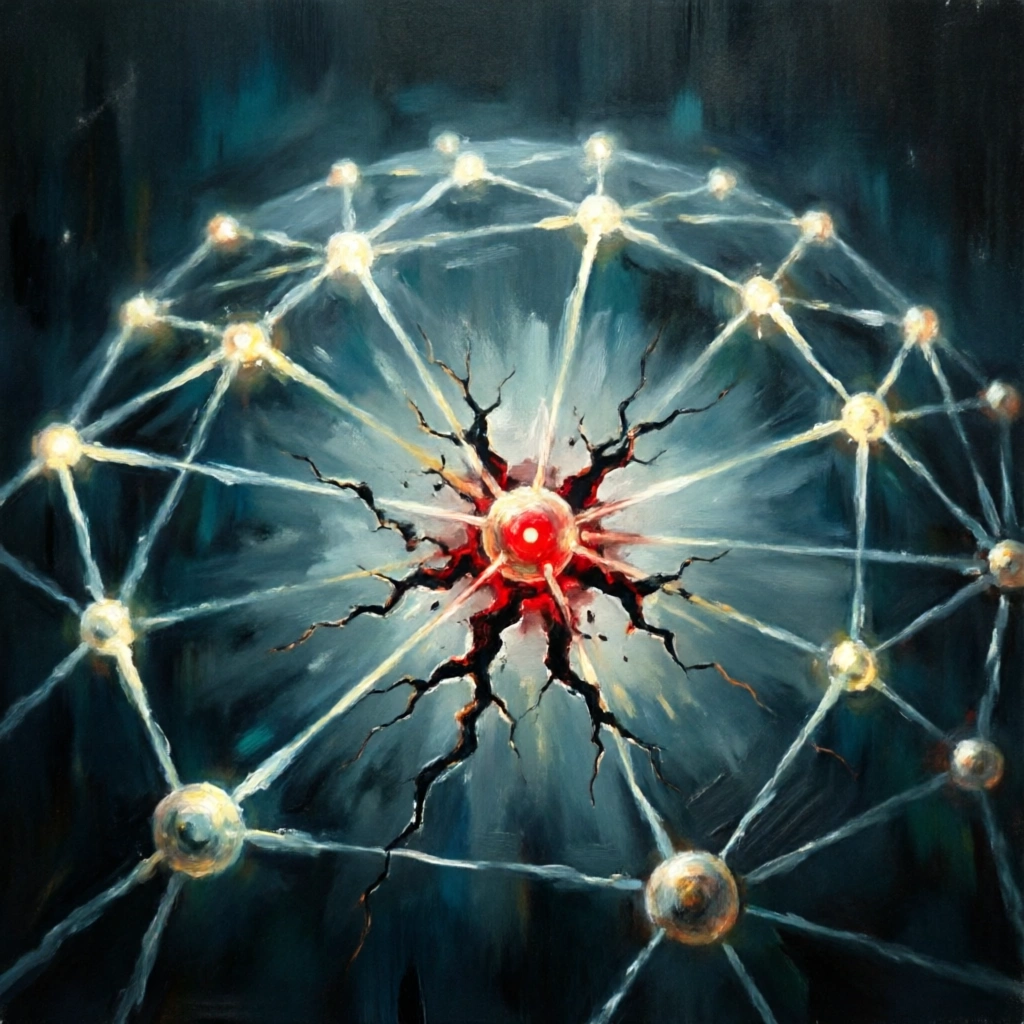
Hey everyone! Ian here! Welcome to our book review of Antifragile by Nassim Nicholas Taleb. This is the book that gave us a word the English language was missing — a word for the opposite of fragile, which is not robust, not resilient, but something more powerful: things that actually get stronger from stress, randomness, and disorder.
Nassim Taleb is a former options trader turned philosopher-statistician, and he doesn't write like an academic. He writes like a Mediterranean uncle who has read everything from Seneca to Wall Street risk papers and is now mildly furious that you haven't. Antifragile, published in 2012, is the third book in his Incerto series after Fooled by Randomness and The Black Swan. It's the book where Taleb stops just diagnosing the world's blindness to randomness and starts giving us a positive philosophy for living inside it.


Quick spoiler warning here — this book has a thesis you can summarize, so if you'd rather discover the framework yourself, pause now and come back. Everyone else, here we go.
The core idea is simple and once you see it you can't unsee it. Things in this world fall into three categories. Fragile things break under stress — a wine glass, a careful financial plan, the human knee. Robust things tolerate stress without changing — a rock, a bureaucracy, your basic Toyota Corolla. But there's a third category that has no proper name in English, so Taleb invented one. Antifragile things actually improve when exposed to stress, volatility, and randomness. Your muscles get stronger when you lift heavy.


Your immune system gets sharper after fighting off small infections. A startup gets tougher after getting punched in the market. Evolution itself is the ultimate antifragile system — it doesn't survive disasters, it feeds on them. Once Taleb names this third category, he spends six hundred pages applying it to everything. Medicine, economics, politics, education, food, parenting, war, careers, religion. His project is to find the antifragile structures in human life that we keep accidentally destroying because we don't understand them.
Let me walk you through some of the big arguments. First, Taleb attacks what he calls "iatrogenics" — harm done by the healer. Doctors who prescribe drugs to lower mild risk factors and end up creating worse problems. Central banks that smooth every small economic bump and accidentally engineer enormous crashes. Helicopter parents who shield their kids from every disappointment and produce adults who shatter at the first criticism. The pattern is always the same.


Someone tries to remove volatility from an antifragile system, and the system, deprived of the stress it needs, becomes fragile. Then it breaks catastrophically. We don't see the harm because we only count the visible interventions, never the invisible damage of removing healthy stress.
Second, Taleb champions what he calls the "barbell strategy." Don't be in the middle. Be aggressively safe on one end of your life and aggressively risky on the other, with nothing in between. Keep ninety percent of your money in cash and treasuries, then put ten percent into wild speculative bets. Have a stable boring day job and write poetry on weekends. The middle — the moderate-risk respectable choice — is where you get blown up by tail events you never saw coming.


The barbell makes you immune to the worst-case scenarios while preserving exposure to the best ones.
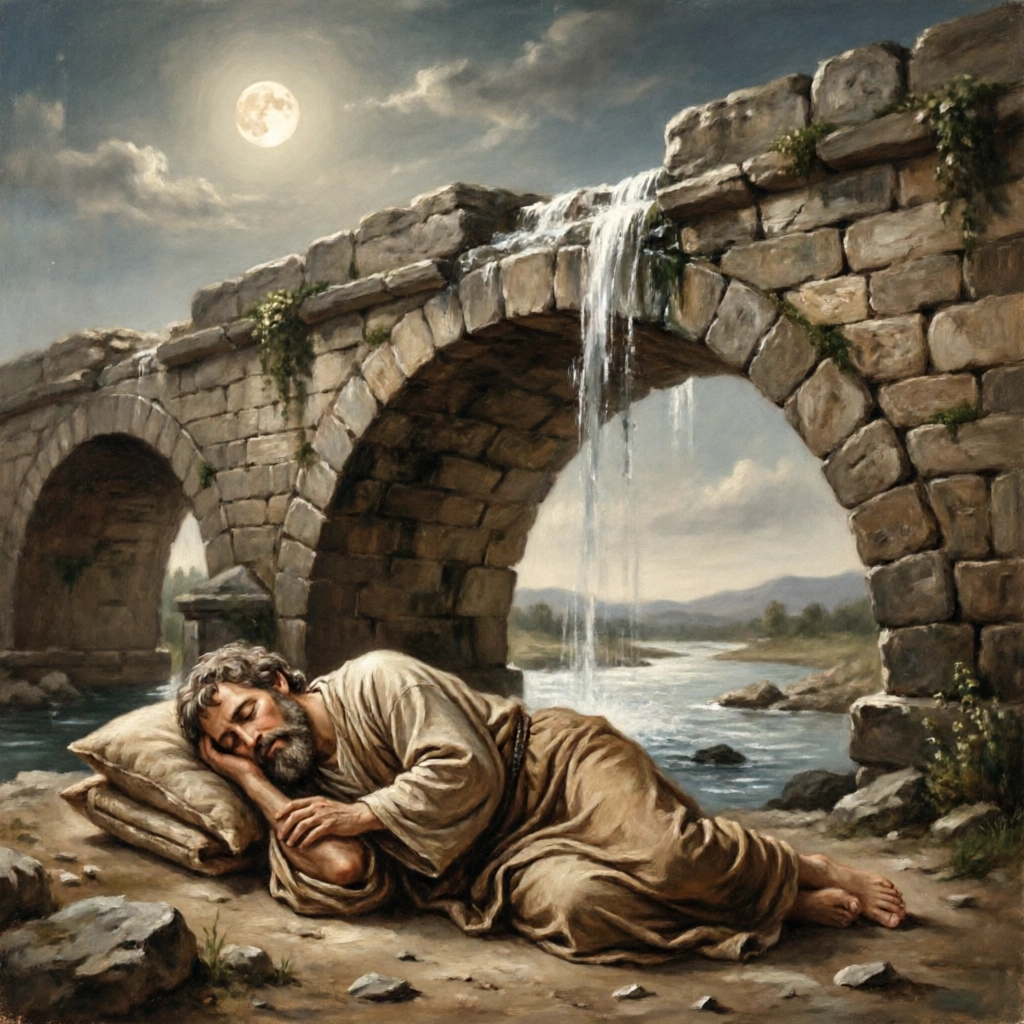
Third, he hammers what he calls "skin in the game." If you make a recommendation, you should bear the consequences of being wrong. The world is full of consultants, journalists, economists, and politicians who suffer zero personal cost when their advice destroys other people's lives. Taleb wants those people fired and replaced with anyone who has to live with their own predictions. The Roman engineer slept under the bridge he built. That's the standard.


Fourth, Taleb celebrates tinkering, trial and error, and what he calls "convex tinkering" — running lots of small cheap experiments where the downside is bounded and the upside is unlimited. Most real innovation, he argues, doesn't come from top-down geniuses with a master plan. It comes from craftsmen, mechanics, and amateurs trying ten thousand small things until one of them works spectacularly. The Wright Brothers were bicycle mechanics, not aerospace PhDs.
Fifth, he loves the wisdom of ancient practices that have survived thousands of years. If a tradition is still around — fasting, walking long distances, eating raw vegetables, praying — there's probably hidden information in it that we don't yet understand. Taleb calls this the "Lindy effect." The longer something has been around, the longer it's likely to stick around. New ideas are fragile. Old ideas have already been tested by time.


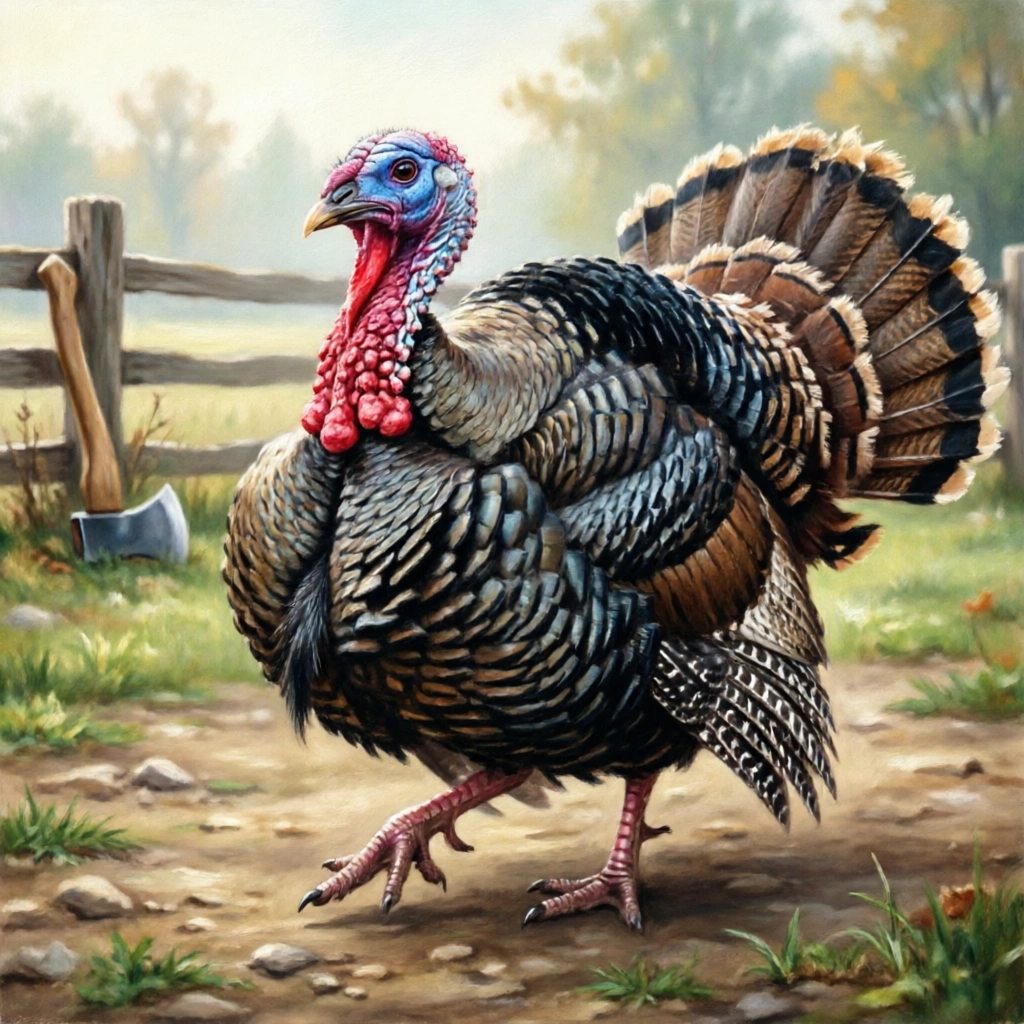
Some of Taleb's lines are genuinely unforgettable. He writes, "Wind extinguishes a candle and energizes fire. Likewise with randomness, uncertainty, chaos — you want to use them, not hide from them." He talks about the modern obsession with eliminating risk and says we have become "turkeys" — animals fed every day by the farmer, growing fatter and more confident in the system, right up until Thanksgiving. The whole book is a warning against being a turkey.
He also has a swagger and a sharpness that some readers find delightful and others find insufferable. Taleb does not suffer fools — he names enemies by name, he calls professors "fragilistas," he picks fights with economists, journalists, and Saudi princes. The man is opinionated and he doesn't apologize. Personally I think it's part of the charm. The book has the energy of a guy yelling truths nobody else will say.


I came to Antifragile after I'd been working in finance for a while and had watched smart people do incredibly stupid things in the name of being conservative. This book gave me language for what I'd been seeing — that "safe" is often the most dangerous position, that volatility is information, that hiding from small problems is how you guarantee a huge one. It changed how I think about portfolios, careers, relationships, and my own body.
Why does this book deserve your time? Because we live in a world that is more interconnected, more leveraged, and more fragile than any system in human history. Pandemics, supply chains, financial markets, social media — everything is wired together, and we keep optimizing for efficiency over resilience. Taleb saw all of this coming. His framework gives you a way to think about your own life that doesn't depend on the system holding together.


Whether you're an investor, a builder, a parent, or just someone trying to live well in a chaotic time, Antifragile gives you a toolkit.
A warning: it's long, it's digressive, and Taleb will roast you personally on page 200 for being the kind of person who would skim a book. Read it slowly. Underline things. Argue with him. That's how he wants you to read it. If you enjoyed The Black Swan, this is the sequel that actually tells you what to do with the knowledge. If you've never read Taleb before, this is a fine place to start. Thanks for watching, and happy reading!

Saifedean Ammous
Hard money as an antifragile alternative to a fragile financial system
Read Review
Yuval Noah Harari
The fragile futures we're sleepwalking into by optimizing away risk
Read Review