Book Review

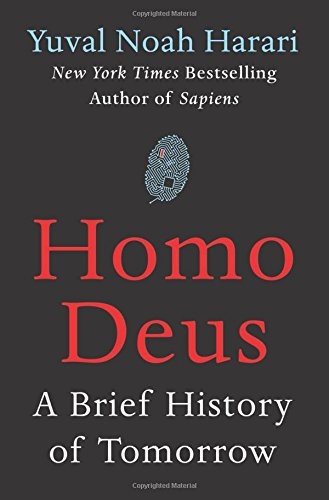
Homo Deus by Yuval Noah Harari, published in 2016, is the kind of book that makes you reconsider what you thought was certain about being human. Where Sapiens rewired our understanding of the past, Homo Deus hijacks our imagination of the future — and it does so with the same provocative, sweeping audacity that made Sapiens a global phenomenon.
Harari picks up where Sapiens left off, asking a deceptively simple question: now that we've more or less conquered famine, plague, and war, what will humanity actually do with itself? What becomes the next grand project when survival is no longer the pressing concern? His answer is unsettling — we may be in the process of upgrading ourselves into something no longer recognizably human.


The book is structured around three interlocking narratives. First, the historical: how Homo sapiens evolved from powerless animals to godlike beings through the power of shared myths and collective cooperation. Second, the present: the rise of Dataism as a new secular religion that worships information and algorithmic decision-making. Third, the future: the possibility that we are engineering our own obsolescence, creating AI that will make human intelligence as obsolete as Neanderthal cognition was when we dominated the planet.
What makes Homo Deus genuinely disturbing is not the technology itself — we've heard the singularity warnings before — it's Harari's argument about meaning. He suggests that the liberal humanist tradition, the belief system that has dominated the West for centuries and placed human feelings, human choices, and human experience at the center of the moral universe, may be the thing most at risk. When algorithms know us better than we know ourselves, when AI can predict our choices before we make them, what remains of free will?


What remains of individual dignity?
Harari's concept of Dataism is the book's most original contribution. He traces how information flows have become the new sacred texts, how dataism promises salvation through total connectivity and total data processing. Our smartphones and social networks are not merely tools — they are becoming temples. And unlike the wars fought over competing religious texts in history, the dataist wars of the future may be fought over whose algorithm processes the most information fastest.


The chapter on the difference between suffering and happiness is particularly striking. Harari argues that we have become extraordinarily successful at eliminating suffering but no better at creating happiness. A population that never experiences famine still reports feeling empty. We have optimized away most sources of misery but haven't found what actually makes life meaningful. That's a problem technology alone can't solve.
What I find most compelling about Harari's argument is his willingness to be uncomfortable. He doesn't offer reassurance. He doesn't say we'll figure it out or that human creativity will save us. Instead, he lays out the logical consequences of our current trajectory and lets the reader sit with them. The book is more likely to keep you awake at night than Sapiens was, and that's the point — the questions it raises about consent, consciousness, and the nature of self are genuinely open and genuinely terrifying.


Like Sapiens, Homo Deus is a synthesis of enormous intellectual ambition and bold simplification. Specialists in evolutionary biology, economics, or computer science will find things to argue with, but that's not really the point. The point is that Harari is doing what the best public intellectuals do — taking the most important ideas of our time and forcing us to confront them directly, stripped of the professional jargon that usually lets us avoid their full implications.
If you read Sapiens, Homo Deus is the inevitable sequel. And once you've read both, you'll find yourself looking at every piece of technology, every headline about AI, every conversation about the future of work through a lens that Harari has permanently etched into your thinking. Whether that makes you more anxious, more thoughtful, or both — probably both — is a side effect of reading something genuinely important. Five stars. Essential reading for anyone who wants to think clearly about where we're going.

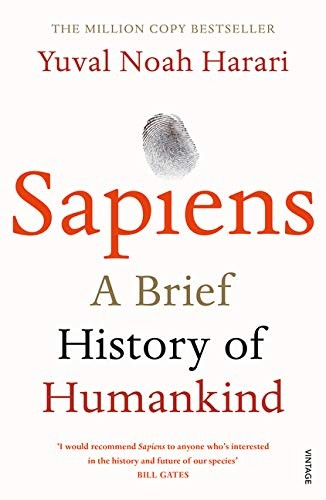
Yuval Noah Harari (2011)
The essential prequel — where Homo Deus imagines the future, Sapiens explains how we got here.
Read Review
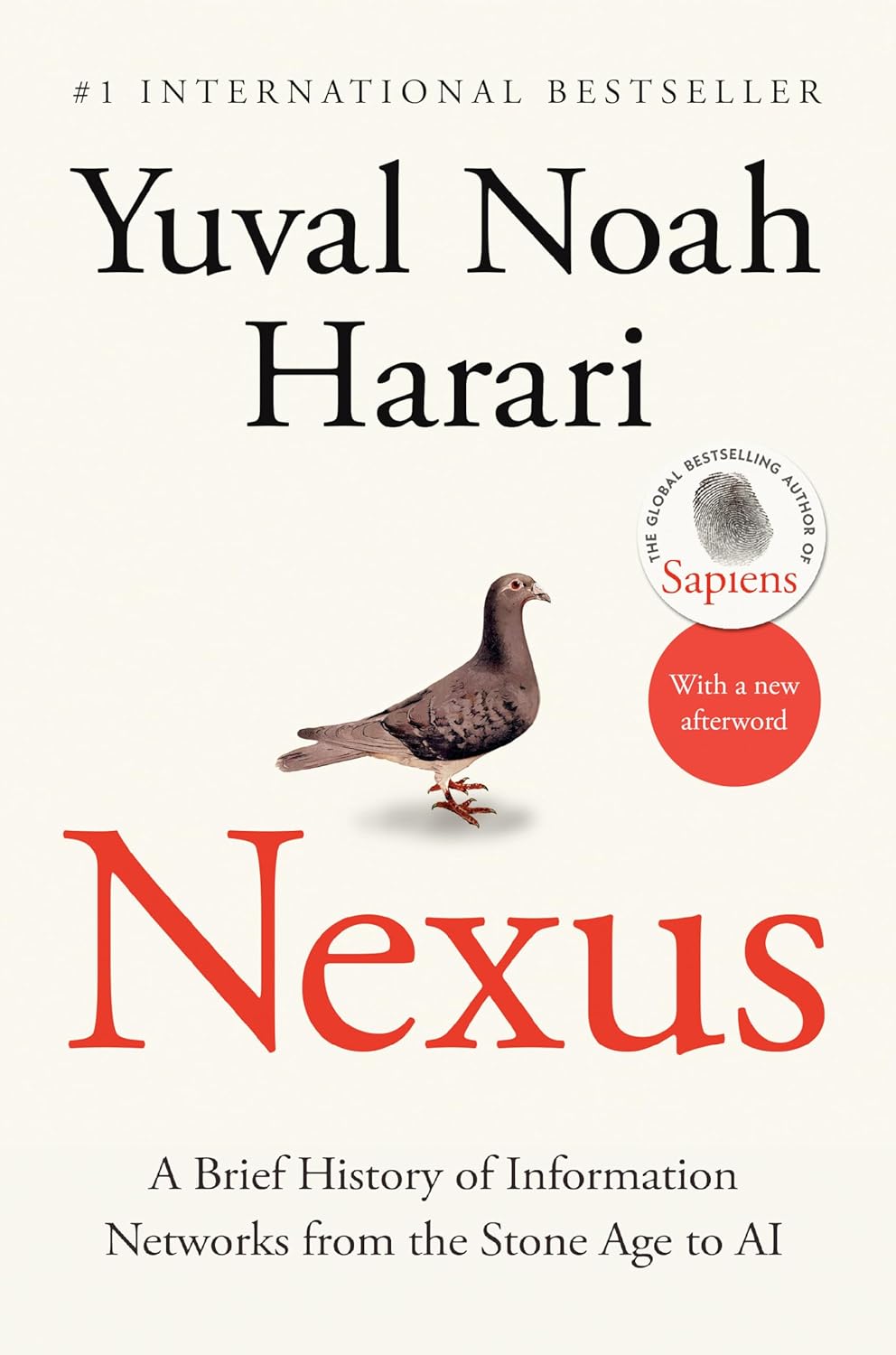
Yuval Noah Harari (2024)
Harari's latest — a sweeping history of information networks from stone age to AI age.
Read Review
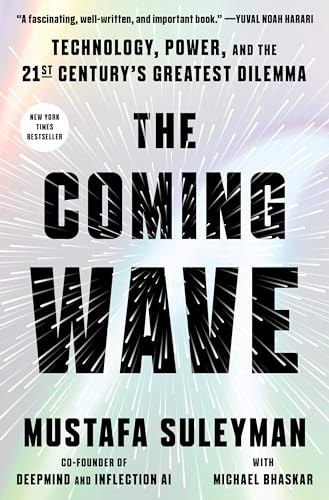
Mustafa Suleyman (2023)
An AI insider's urgent warning about the destabilizing power of AI and synthetic biology.
Read Review
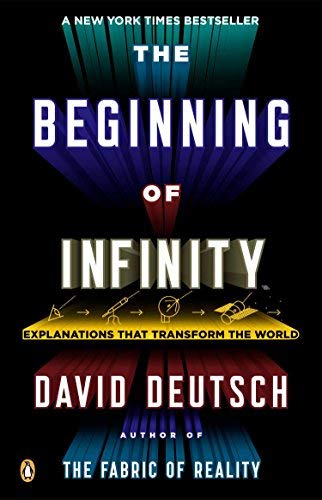
David Deutsch (2011)
Deep explanations and the reach of human creativity — philosophy of science at its most expansive.
Read Review
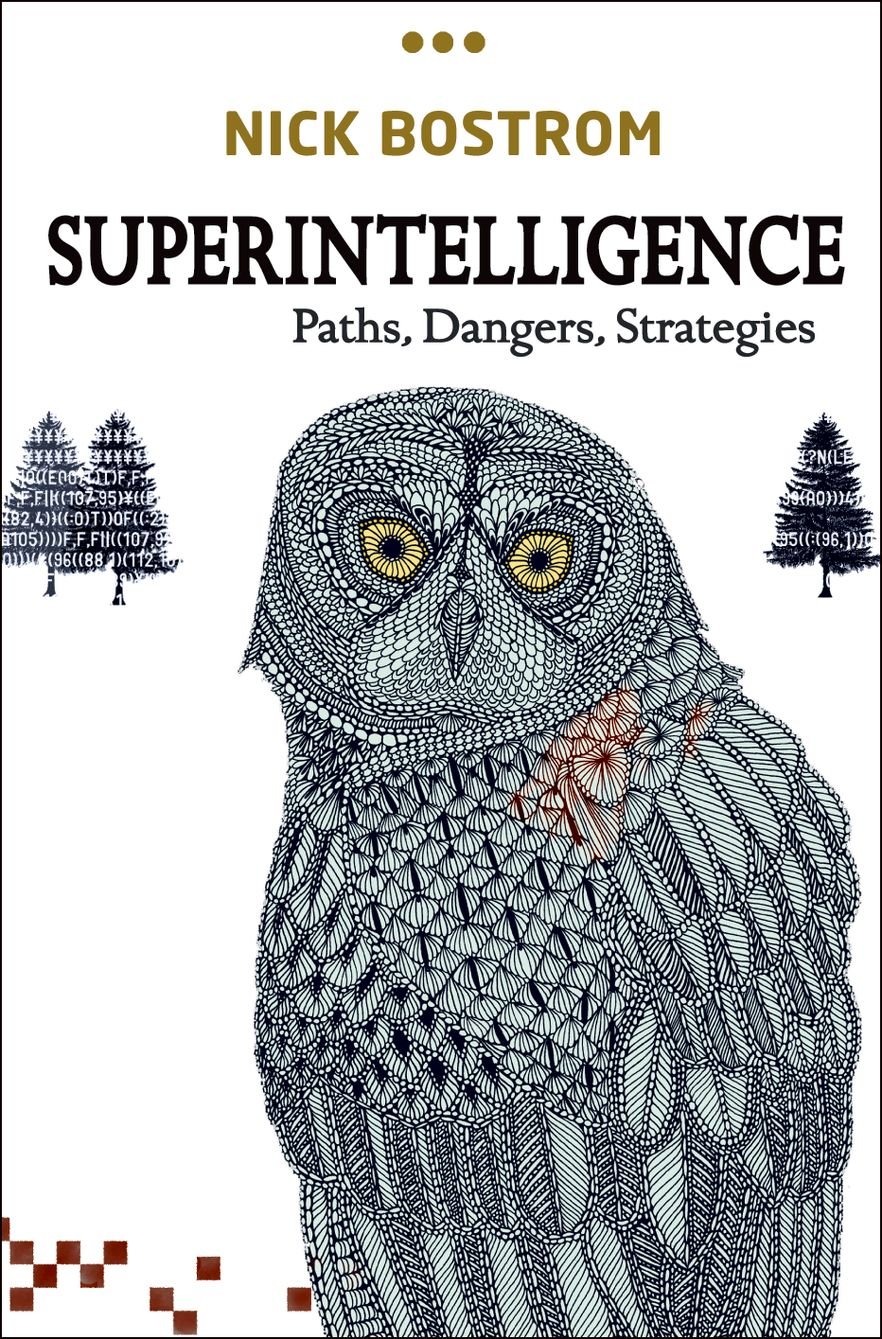
Nick Bostrom (2014)
The seminal work on what happens when machine intelligence surpasses human intelligence.
Read Review