












← Back to Gallery
0 / 17
0:00 / 7:13
Parasitic Mind

Parasitic Mind

Book Review

Idea Pathogens Unleashed

Idea Pathogens Unleashed

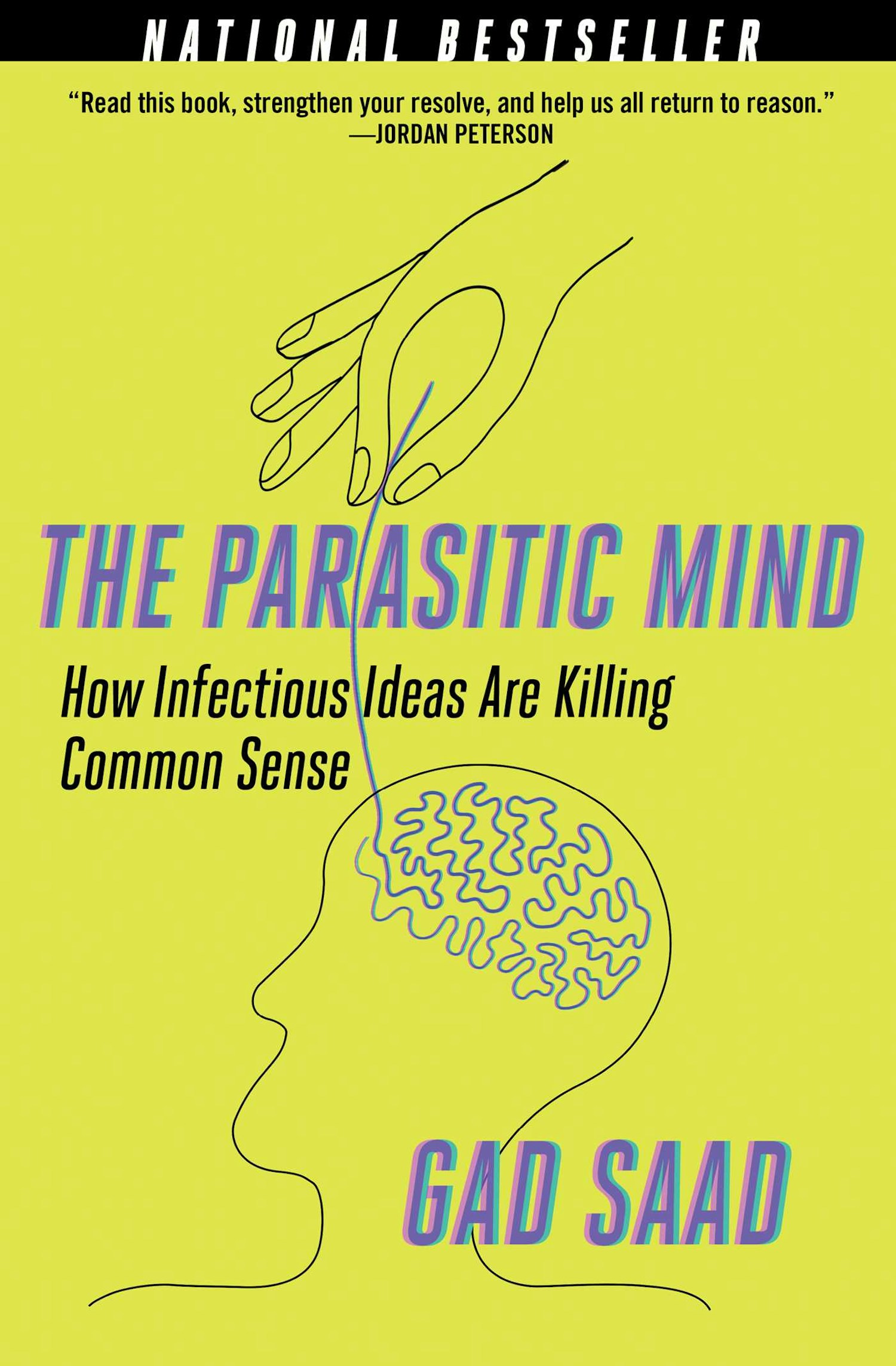
Hey everyone! Ian here! Welcome to our book review of The Parasitic Mind: How Infectious Ideas Are Killing Common Sense by Dr. Gad Saad. This is the USA Today bestseller that put the phrase idea pathogen on the cultural map, and one of the most quoted books in the modern free speech debate. So what are these mind viruses, and why does Saad think they're killing our ability to think clearly?

Saad's Beirut Origin Story

Let's start with the author. Gad Saad is a Lebanese-Jewish Canadian evolutionary psychologist, born in Beirut in 1964. He fled the Lebanese Civil War as a child and eventually became a professor of marketing at Concordia University in Montreal, where he held the Concordia Research Chair in Evolutionary Behavioural Sciences. He's the host of the wildly popular podcast and YouTube show The Saad Truth, and he's spent decades inside academia watching it change from the inside.

Saad's Beirut Origin Story
USA Today Bestseller

USA Today Bestseller

The Parasitic Mind was published by Regnery in 2020, with a paperback edition in 2021. It carries a foreword endorsement from Jordan Peterson, who said, "Read this book, strengthen your resolve, and help us all return to reason." The book became a USA Today national bestseller and launched Saad as a major voice in the war over political correctness, free expression, and the future of the university.

Bad Ideas As Parasites

Saad's central metaphor is biological. He argues that bad ideas are not just wrong, they are infectious. They behave like parasites that hijack a host's mind, override its reasoning circuits, and use it to reproduce. He calls them idea pathogens. And the primary breeding ground for these pathogens, he says, is the modern Western university.

Bad Ideas As Parasites
Lebanon's Warning To West

Lebanon's Warning To West

A heads up for spoilers ahead, since this is a non-fiction work of argument, I'll be walking through Saad's full case. The book opens with Saad's personal story. As a young boy, his family was hunted by Hezbollah for being Jewish. He watched a beautiful, cosmopolitan Lebanon dissolve into sectarian madness in just a few years. That experience, he says, made him allergic to comfortable lies for the rest of his life. He sees the same disease patterns starting to emerge in the West, and the book is his warning shot.

The Pathogens Catalogued

Saad identifies several specific idea pathogens. Postmodernism, the doctrine that there is no objective truth, only competing narratives. Radical social constructivism, the idea that nearly everything we observe about human nature is just a cultural invention. Biophobia, the refusal to acknowledge biological reality, especially around sex differences. Identity politics, where what you think matters less than which group you belong to. And what he calls collective Munchausen, where claiming victim status becomes a route to power.

The Pathogens Catalogued
Self-Defeating But Sticky

Self-Defeating But Sticky

Each of these, Saad argues, is logically self-defeating but emotionally sticky. Postmodernism claims there's no objective truth, while making the objective truth claim that there is no objective truth. Radical constructivism denies biology while relying on a biological brain to make its case. The fallacies are obvious, yet the ideas spread like wildfire because they offer something powerful, a way to feel righteous without having to defend a position with evidence.

A Survival Manual

The middle of the book is essentially a survival manual. Saad lays out the principal logical fallacies these pathogens exploit, ad hominem attacks, appeals to authority, no true Scotsman moves, motte and bailey arguments, and what he calls the freedom from thought paradox, where supposedly tolerant institutions become the most intolerant of dissent. He gives readers a toolkit for spotting the moves and refusing to be intimidated by them.

A Survival Manual
Universities As Incubators

Universities As Incubators

He also goes hard at academia. Saad spent his entire career as a tenured professor, and he describes universities transforming from temples of inquiry into what he calls idea pathogen incubators. Departments captured by ideology, conferences turned into ritual purity tests, professors fired or canceled for asking the wrong questions. He names the disease and describes its progression in clinical terms.

Ostrich Parasitic Syndrome

One of the book's most striking ideas is what Saad calls Ostrich Parasitic Syndrome, the willingness of intellectuals to bury their heads in the sand rather than confront difficult truths about reality, especially uncomfortable findings from biology, anthropology, and psychology. The cure, he argues, is what he calls Nomological Networks of Cumulative Evidence, basically the willingness to weigh many independent lines of evidence rather than retreating into one preferred narrative.

Ostrich Parasitic Syndrome
Truth Beats Lived Experience

Truth Beats Lived Experience

A key quote from the book captures the thesis: "Truth is not knowable through one's identity, lived experience, or feelings. Truth is knowable through the gathering of evidence, the application of reason, and the testing of claims." Another striking line: "If you bask too long in the false comfort of cowardice, you will lose the freedom that took millennia of struggle to acquire." Saad isn't just describing the disease, he's calling readers to fight back.

The Critics Strike Back

Critics, of course, have not been gentle. The book has been called a polemic dressed up as science, a partisan tract using evolutionary language as cover for culture war positions, and a one-sided attack on humanities scholarship. Some reviewers argue Saad conflates legitimate academic critique with hostility to free speech, and that his sweeping use of the parasite metaphor invites dehumanization of opponents. These are serious objections and worth weighing.

The Critics Strike Back
Defenders Of The Diagnosis

Defenders Of The Diagnosis

But the book's defenders, and there are many, point out that Saad is a Lebanese refugee, a Jewish academic, and a working evolutionary scientist, hardly the right-wing caricature his critics paint. They argue he's naming patterns that everyone privately sees but few will say out loud. The book sold extraordinarily well, especially among students, suggesting it resonated with people who felt they couldn't speak openly inside their own institutions.

Why This Book Matters

So why does this book deserve your time today? Because the questions it raises aren't going away. Can ideas be parasitic? Can a culture lose the ability to defend its own intellectual foundations? Is there such a thing as too much tolerance for bad arguments? Whatever your politics, Saad makes you wrestle with these questions, and he gives you a set of tools, evolutionary thinking, logical analysis, and basic intellectual courage, to handle them.

Why This Book Matters
Who Should Read It

Who Should Read It

The best reader for this book is someone tired of conversations that feel rigged, someone who wants to argue with the page, and someone willing to be challenged on assumptions they didn't know they had. Saad is not subtle, he's not balanced in the textbook sense, and he's not trying to be. He's trying to wake people up. Whether you agree with his diagnosis or not, you'll think harder about ideas, institutions, and intellectual courage than you have in a long time.

Read It Now

If you're tired of intellectual cowardice and want a writer willing to say the quiet part out loud, pick up The Parasitic Mind: How Infectious Ideas Are Killing Common Sense by Gad Saad. It's the prequel, in a sense, to his more recent Suicidal Empathy, and together the two books form a one-two punch of cultural diagnosis. Thanks for watching, and happy reading!

Read It Now

📚 You Might Also Like
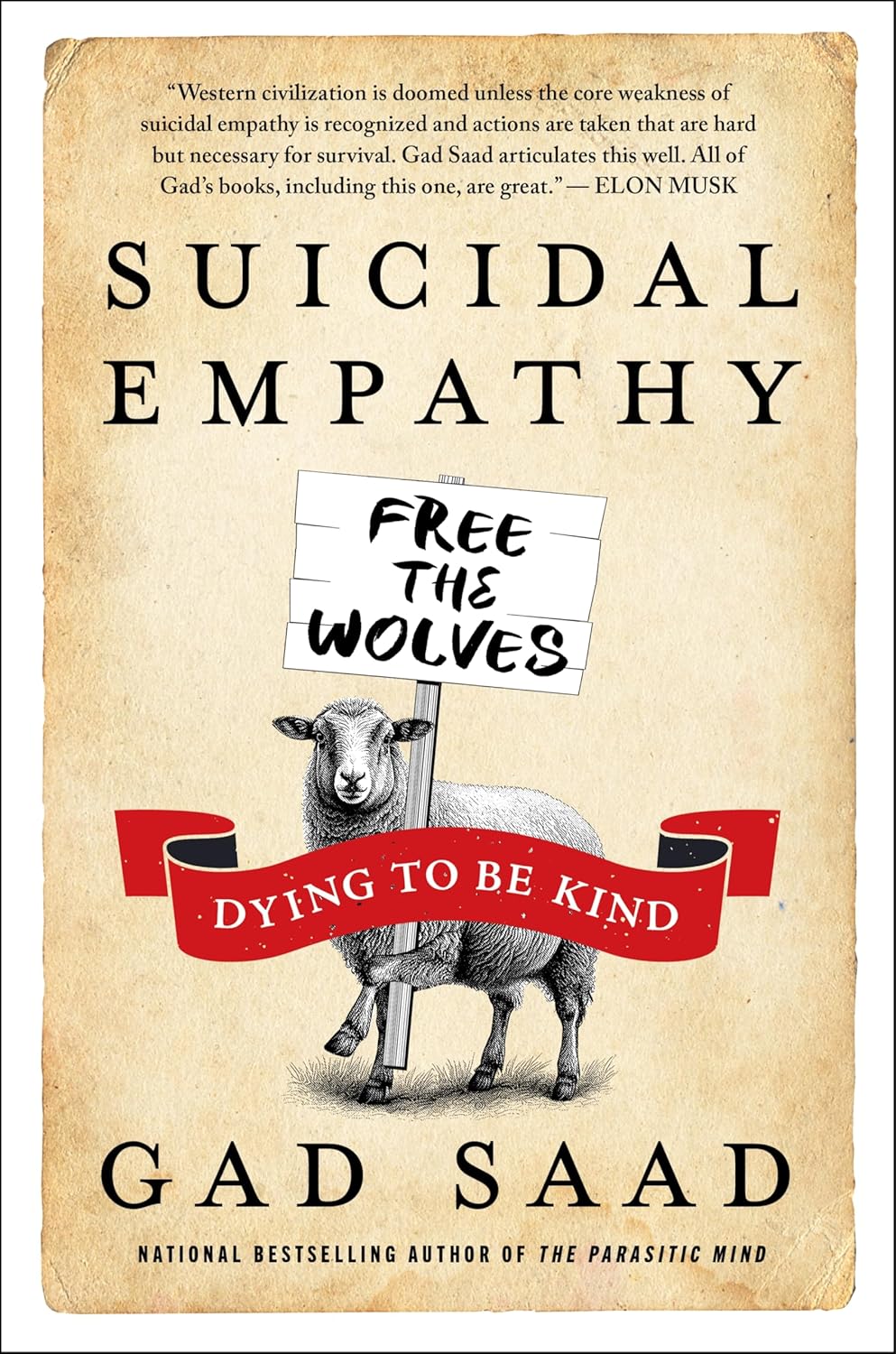
Suicidal Empathy

Suicidal Empathy

Gad Saad

Saad's sequel — when pathological empathy joins the idea pathogens

Read Review
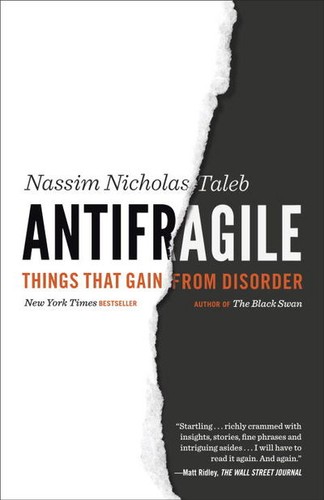
Antifragile

Antifragile

Nassim Nicholas Taleb

How fragile systems collapse when shielded from stress and challenge

Read Review

1984

1984

George Orwell

The original warning about language, thought control, and intellectual freedom

Read Review
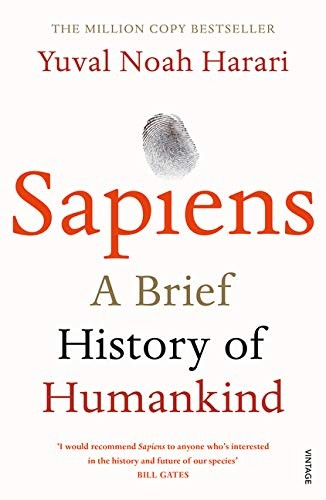
Sapiens

Sapiens

Yuval Noah Harari

How shared stories and beliefs shape, and sometimes blind, entire civilizations

Read Review

💬 Reader Thoughts

Email is required for anti-spam but can be fake if you prefer privacy.

Loading comments...