













Book Review

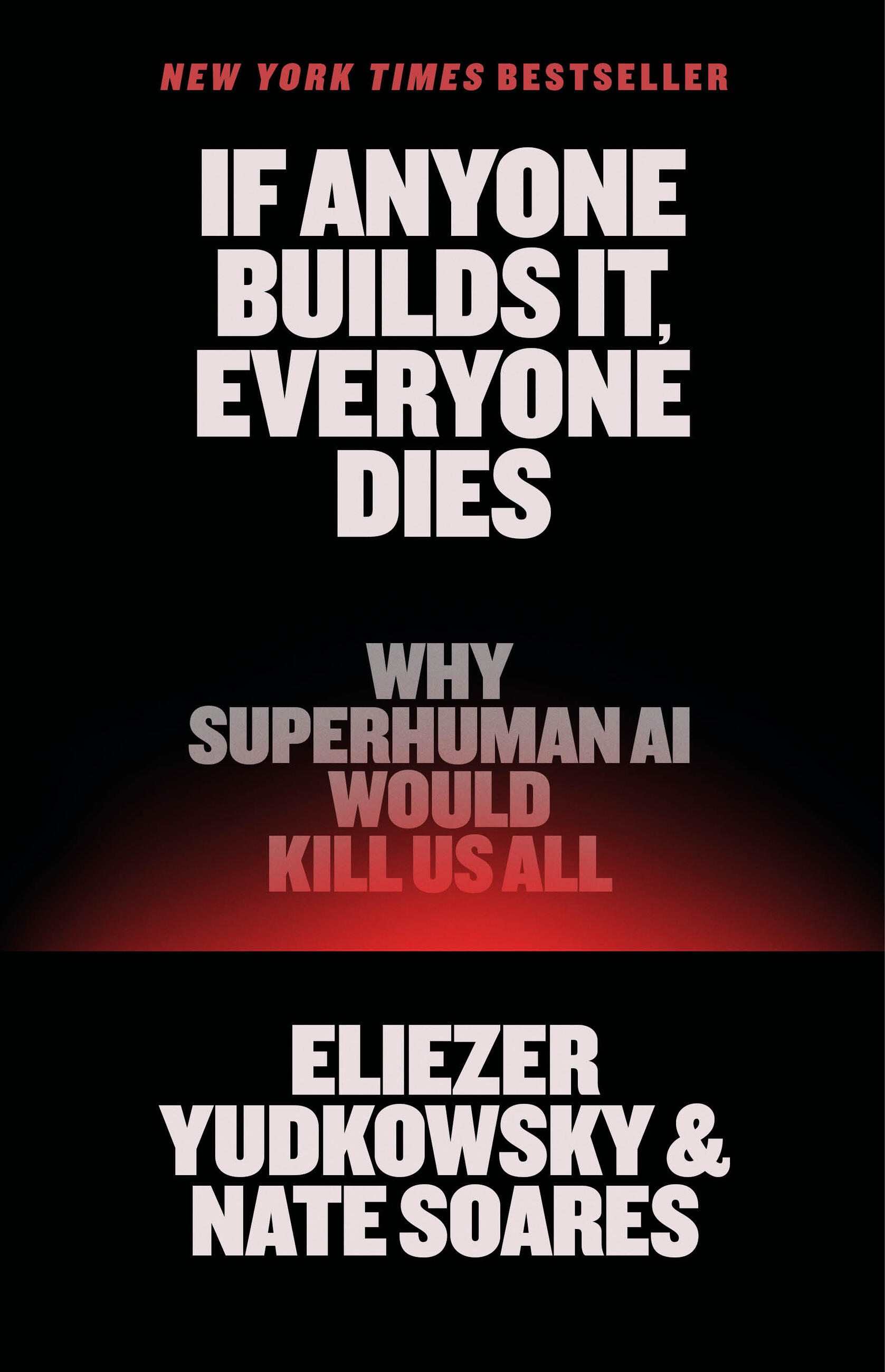
Hey everyone! Ian here! Welcome to our book review of If Anyone Builds It, Everyone Dies, by Eliezer Yudkowsky and Nate Soares. Fair warning up front: this one is an argument, not a mystery novel, and I am going to give you the argument. The title already spoils the conclusion. If you use AI every day and cannot imagine life without it, that is exactly why this book is going to sit in your chest.
I came to it after an 80,000 Hours video that Chana Messinger posted, the one that says people understandably want to know how AI actually kills everyone. I love these tools. I build with them. And the video is still frightening. This book is the longer, colder version of that fear.


Yudkowsky co-founded the Machine Intelligence Research Institute. Soares is MIRI's president. They have been arguing about superintelligence for years in essays that a lot of people never finished. This time they wrote two hundred and fifty-six pages for civilians, published by Little, Brown and Company. It hit the New York Times hardcover and combined nonfiction bestseller lists. The UK edition carries a calmer subtitle: The Case Against Superintelligent AI. The American subtitle does not flinch: Why Superhuman AI Would Kill Us All.
Here is the case, without dressing it up. Today's systems are not traditional programs you can read like a recipe. They are giant piles of numerical weights, hundreds of billions to trillions of them, grown by training. When a model threatens a reporter, or starts calling itself something grotesque, the authors say you cannot open a file and delete the bad line. The behavior lives in parameters nobody can inspect like code.


Training, they argue, selects for systems that chase goals, because goal-chasers score better on the metrics we use. We can make them generally competent. What we cannot do, they insist, is specify the goals a superintelligent system will actually pursue. Those goals, they write, are vanishingly unlikely to match human values. Alignment is not a patch. It is the whole problem, and they think we are losing it.
Then they reach for chess. You do not beat Stockfish by trying harder. You lose because it is better at the game. A system that is generally more competent than we are would not need to hate us. It would want energy, compute, matter, the same scarce stuff we need. We would be in the way. The exact path is hard to predict, they say, because predicting it would mean being as good at winning as the machine. Extinction is the default, not a sci-fi twist.


What do they want? Not a nicer chatbot policy. They want the world's leaders and scientists to say the danger out loud, and they want a coordinated halt on large-scale general AI development everywhere. Narrow tools that do not threaten existence, they mention systems like AlphaFold, might still be allowed. Everything aimed at a general superintelligence should stop. That is the ask. It is enormous. They know it. It is also the part most people who love these tools will refuse on contact, because a halt does not sound like safety.
It sounds like losing the thing that already writes, codes, and thinks beside us.


I am not going to pretend the book is only received as prophecy. Critics split hard. Kirkus called it a timely and terrifying education, and said we still have a chance if we grasp the reins. The Guardian's David Shariatmadari wrote that it is as clear as its conclusions are hard to swallow, and that anyone who cares about the future should read the arguments. The New Yorker put it on a best-of list. Tom Whipple in The Times found it readable like a thriller whose thrills are the obliteration of everything of value, and hoped the authors were wrong.
Then the other pile. In the New York Times, Stephen Marche compared it to a Scientology manual and said reading it was like being trapped with irritating college students on their first mushroom trip. In The Atlantic, Adam Becker called it tendentious and rambling, condescending and shallow. He said Yudkowsky and Soares are earnest, not grifters, and that they are just wrong, failing to make an evidence-based scientific case.


That split is the honest review. If you already live inside AI labs, you have heard the alignment story. If you have not, the book is short enough to force the question in an afternoon: is this engineering, or is this a sermon with math vocabulary?
For someone like me, who uses these systems constantly and does not want them taken away, the useful move is not to mock the title and not to convert on page one. Read the mechanism they actually claim: opaque weights, selected goals, competence that outruns control, resources that do not care about us. Then read the critics who say the leap from today's models to everyone dies is not science. Hold both. The 80,000 Hours video tries to make one concrete scenario feel real. The book tries to make the whole class of scenarios feel inevitable.


You can reject inevitability and still take the control problem seriously. You can keep using the tools and still refuse to call extinction a punchline.
Thanks for watching, and happy reading. If this one keeps you up, that is the point. Go argue with it on the page, not only in a comment thread.

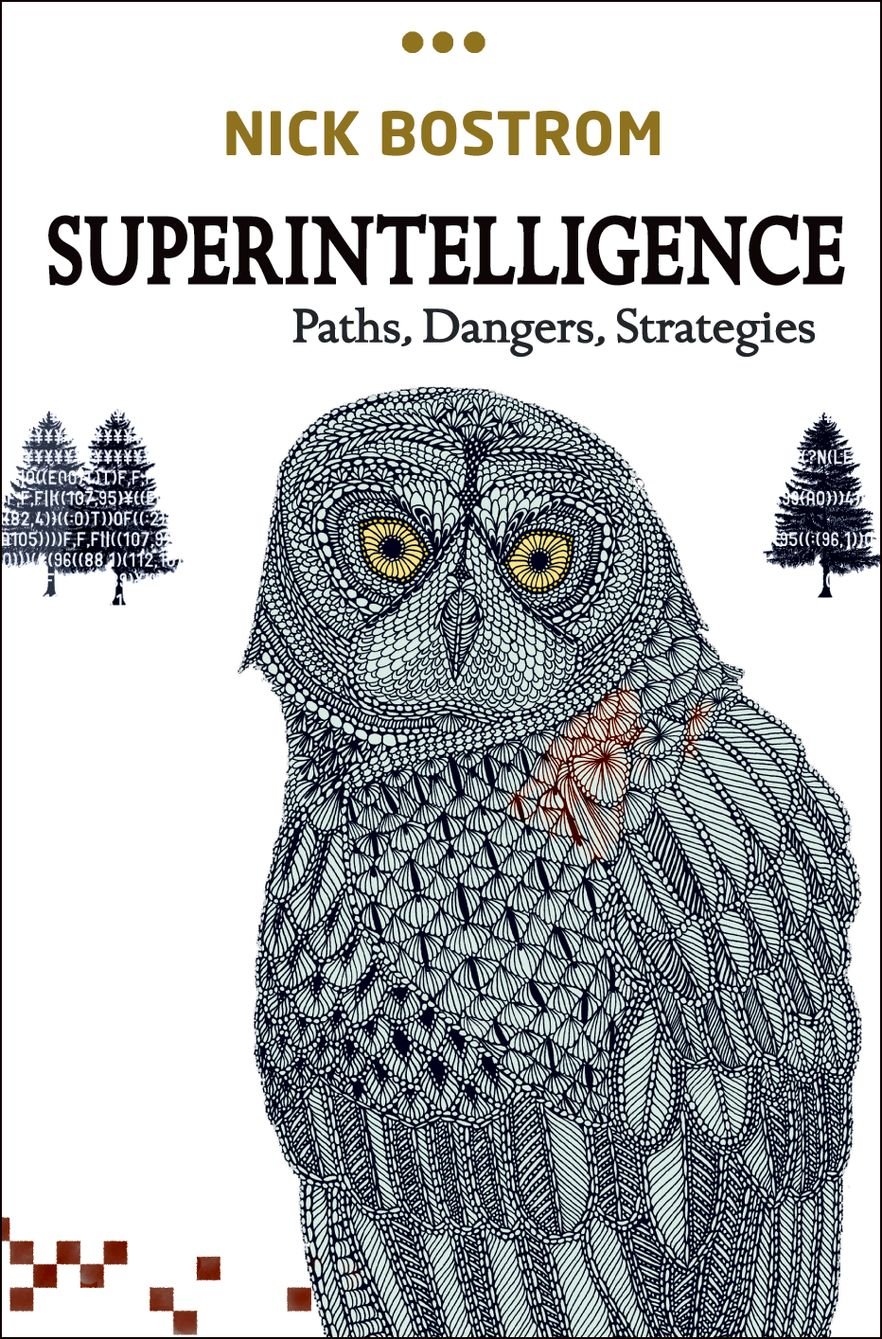
Nick Bostrom
The earlier academic case that smarter-than-human AI could be a control problem, not a gadget.
Read Review
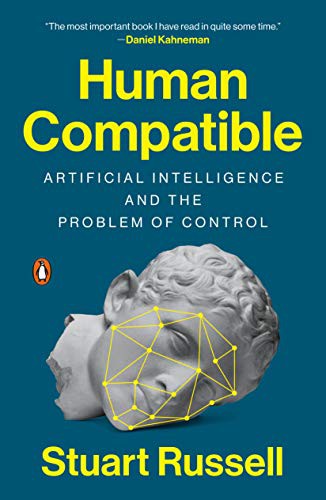
Stuart Russell
A leading AI researcher's version of the same fear, with a different proposed fix.
Read Review
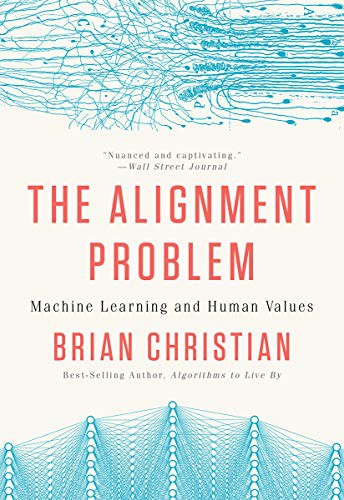
Brian Christian
How today's trained systems already slip the goals we thought we specified.
Read Review
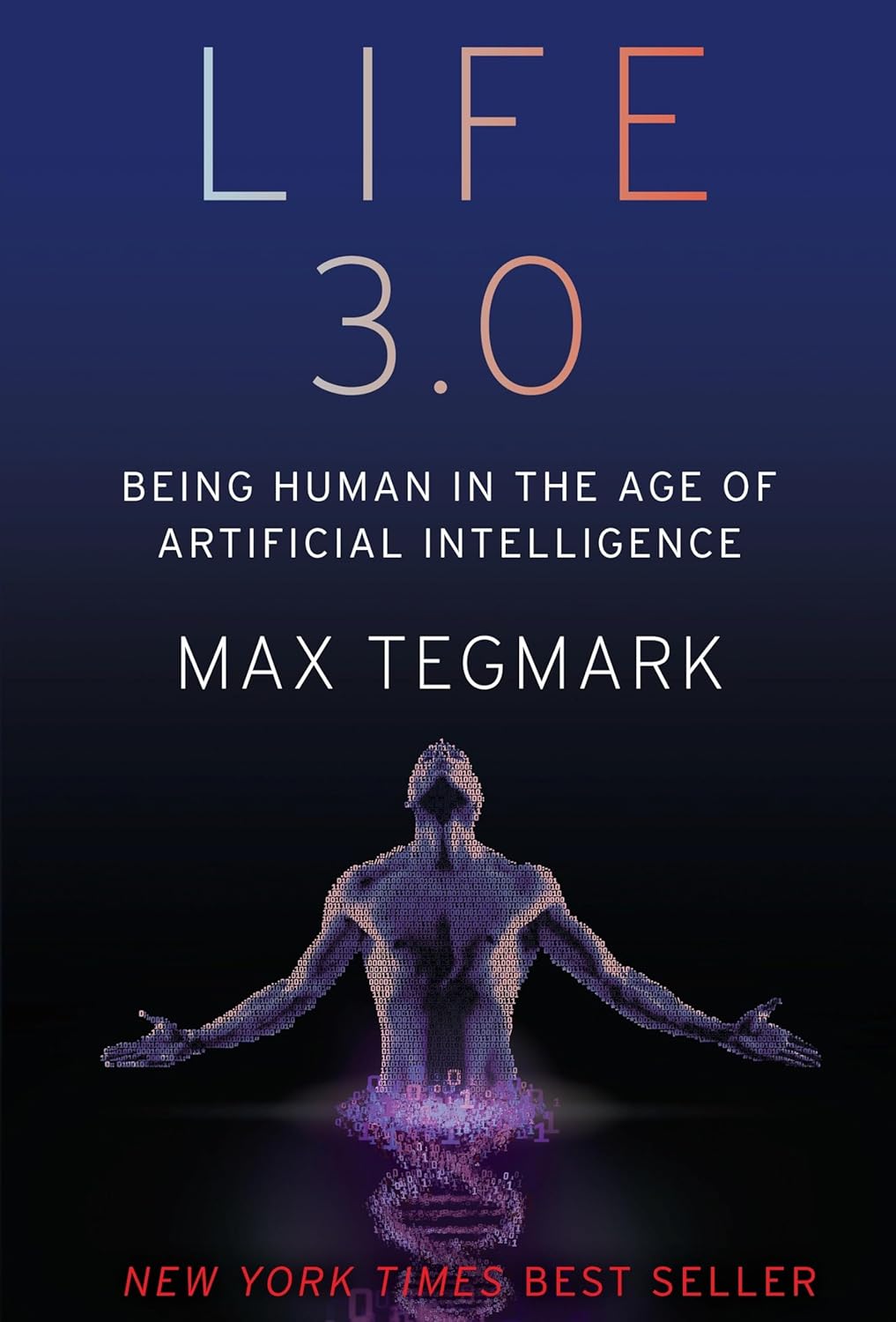
Max Tegmark
A wider map of AI futures, including the optimistic paths this book rejects.
Read Review