










← Back to Gallery
0 / 17
0:00 / 6:07
Educated

Educated

Book Review

A Memoir That Shatters

A Memoir That Shatters

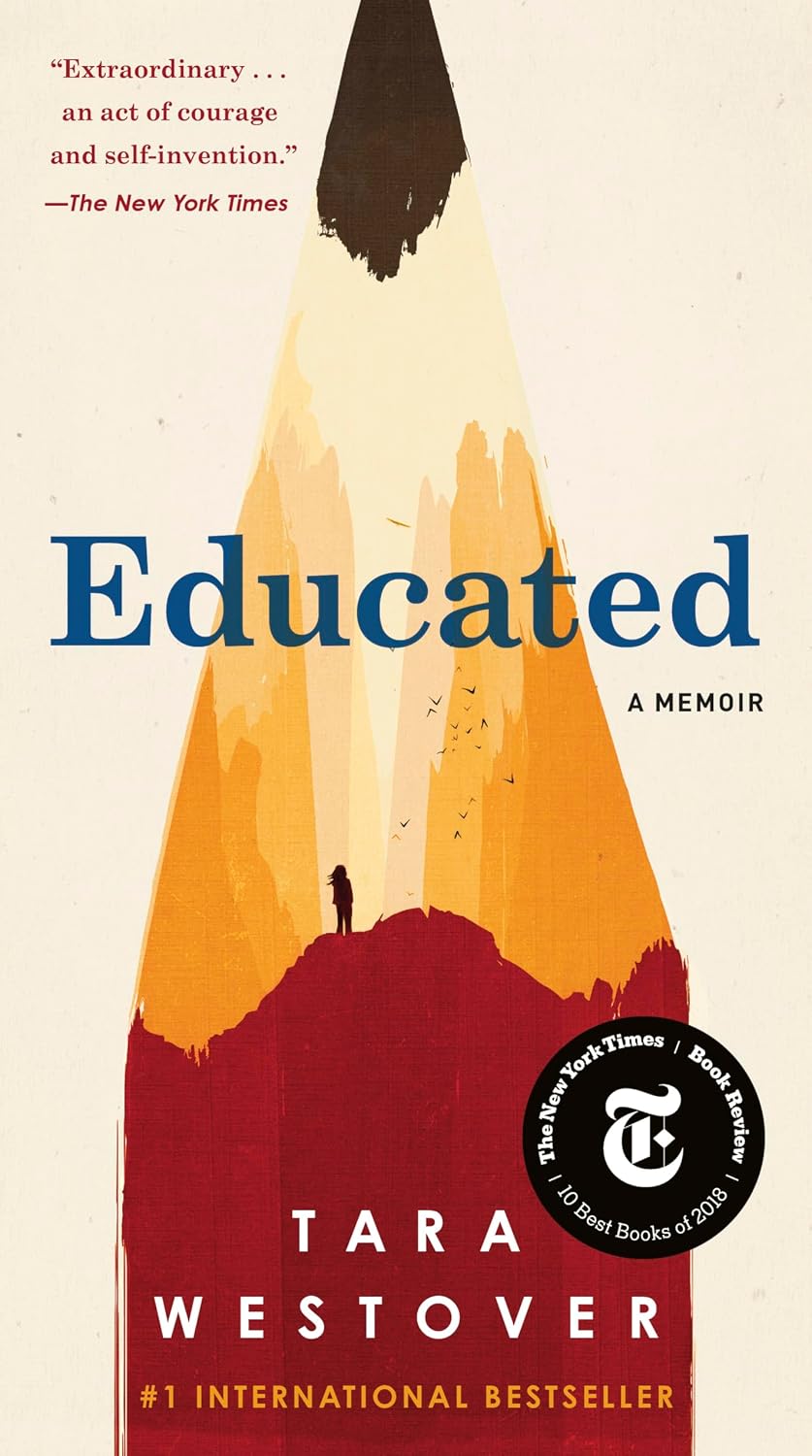
Hey everyone! Ian here! Welcome to our book review of Educated by Tara Westover. If you've ever felt trapped by your circumstances, this memoir will hit you like a freight train. Fair warning: I'm going to spoil the entire story because the power of this book is in the details, not the surprises. Let's dive in.

Survivalist Childhood in Idaho

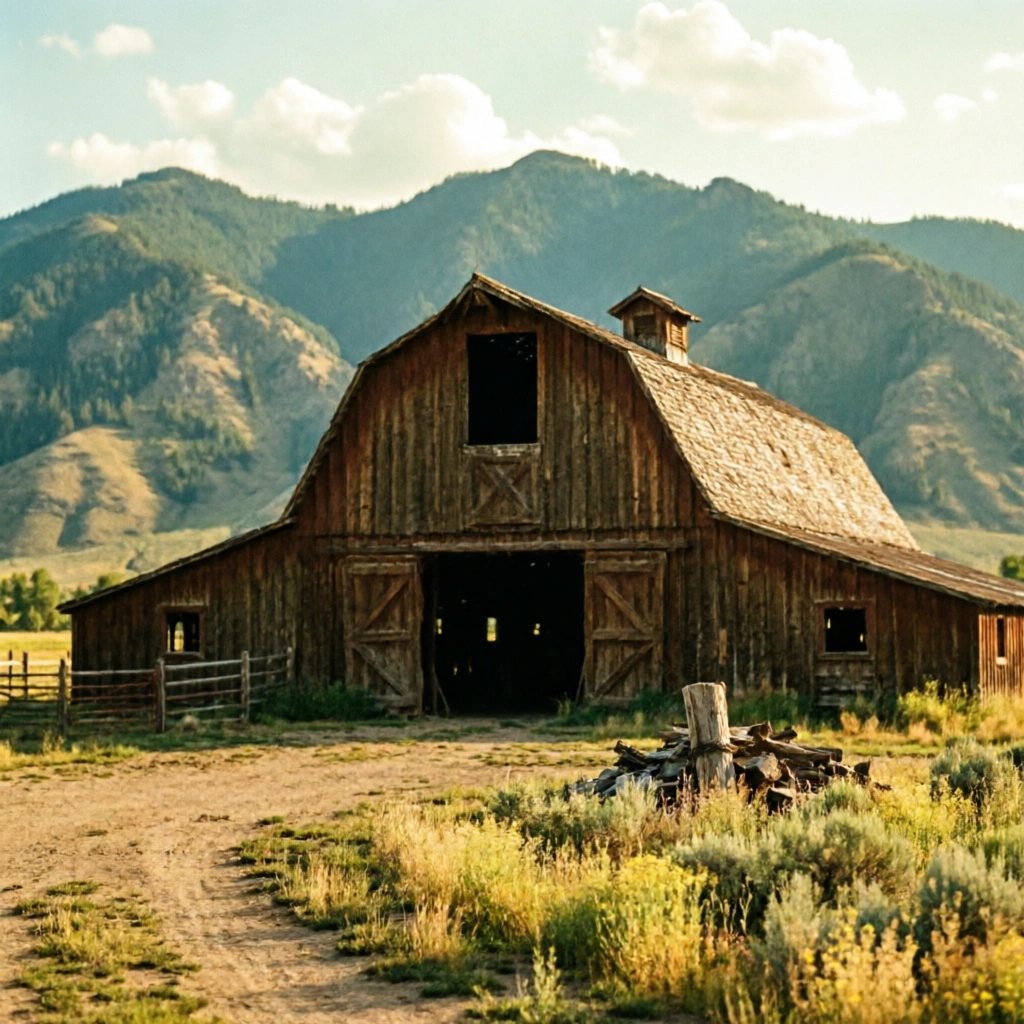
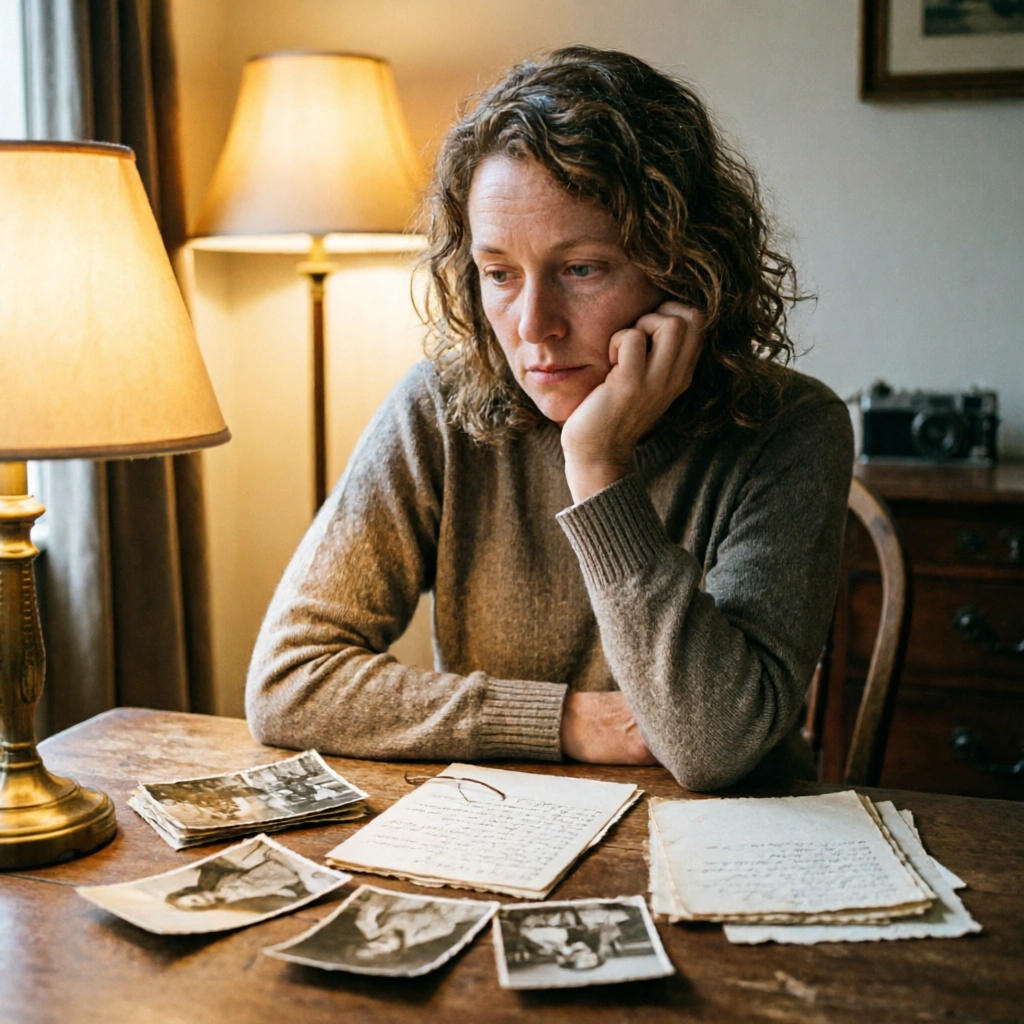
Tara Westover published Educated in 2018 with Random House. It's a memoir, but calling it just a memoir feels like calling the Grand Canyon a hole in the ground. Westover grew up in rural Idaho, the youngest of seven children, in a survivalist Mormon family led by a father who believed the government was coming for them and that public school was a brainwashing operation. Tara received no formal education until she was seventeen. She didn't have a birth certificate until she was nine.

Survivalist Childhood in Idaho
A Childhood Under Siege

A Childhood Under Siege

The family stockpiled supplies for the "Days of Abomination" while her mother brewed herbal remedies and delivered babies with no medical training. This is not a childhood. This is a siege.

Junkyard Dangers and Delusions

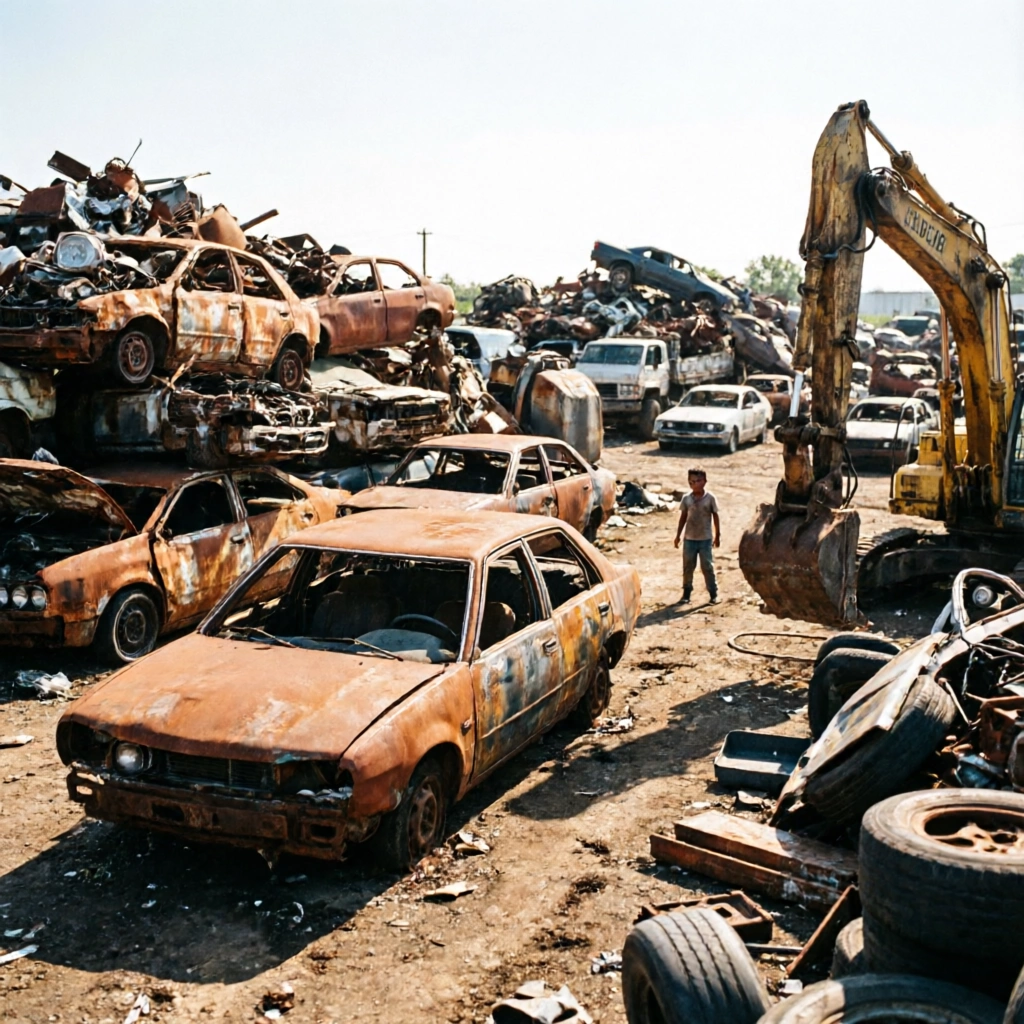
The book opens with young Tara working in her father's junkyard, where safety protocols were nonexistent and serious injuries were treated with homeopathy and prayer. Her father, Gene, is a force of nature—charismatic, terrifying, and increasingly unhinged. He drags the family through car crashes and near-death experiences, each time interpreting their survival as divine proof of his worldview.

Junkyard Dangers and Delusions
A Mother Who Looked Away

A Mother Who Looked Away

Her mother, Faye, is a gifted herbalist who gradually builds a business selling essential oils, but she never protects her children from Gene's madness or from their brother Shawn's violence.

The Shadow of Abuse

Shawn is the shadow that hangs over this entire book. He is physically and psychologically abusive, particularly toward Tara and their sister. He drags Tara by the hair, calls her a whore, shoves her face into toilets. The family sees it as horseplay. Tara learns to see it as normal. This is one of the book's most devastating insights: when abuse is all you know, you don't recognize it as abuse. You recognize it as Tuesday.

The Shadow of Abuse
Tyler Plants a Seed

Tyler Plants a Seed

The turning point comes through another brother, Tyler. He is the first to leave, to get a real education, and he plants a seed in Tara's mind. He tells her she can teach herself enough to pass the ACT and get into college. She does. She teaches herself algebra, geometry, and grammar while working in the junkyard, and she scores high enough to get into Brigham Young University. The first time she sits in a real classroom, she raises her hand and asks what the Holocaust is. She has never heard of it. The room goes silent.

The World Was Hidden

She thinks she is asking something obvious. She doesn't yet know how much the world has been hidden from her. At BYU, Tara begins the agonizing process of discovering how little she knows and who she might become if she keeps learning. She wins a scholarship, then a fellowship, and eventually finds herself at Cambridge University, earning a PhD in history. But the real story is not the academic triumph. The real story is what happens to her family while she changes.

The World Was Hidden
Conditional Love Unmasked

Conditional Love Unmasked

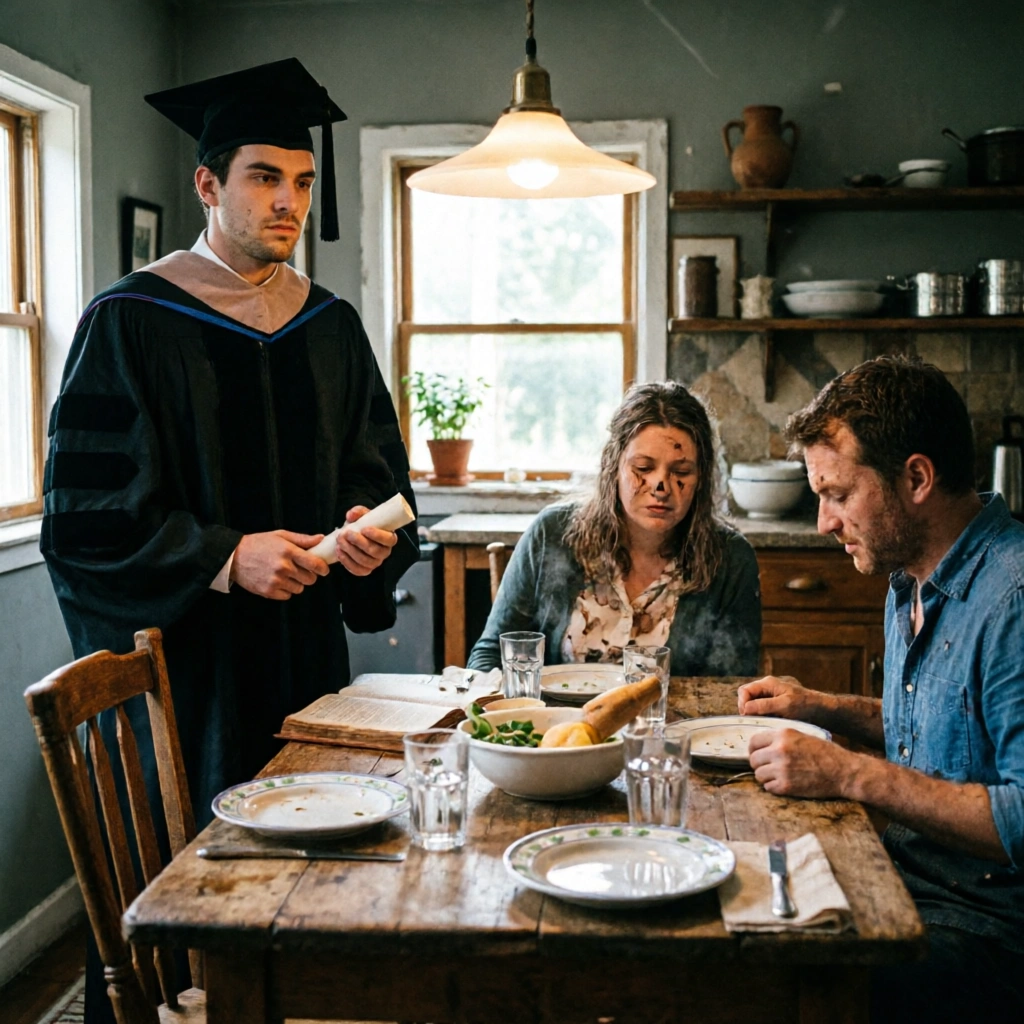
As Tara becomes educated in the traditional sense, her family sees her as corrupted. Her father believes she is possessed. Her mother chooses the family business and her husband over her daughter's safety. Shawn's violence escalates. Tara begins to realize that her family's love is conditional on her staying small, staying ignorant, staying exactly who they need her to be. The hardest lesson of her education is not academic. It is learning that you can love someone and still choose to say goodbye to them.

Outgrowing the Father

You can miss a person every day, and still be glad that they are no longer in your life. Westover captures this with devastating clarity. She writes, "I am not the child my father raised, but he is the father who raised her." That line haunts me. It captures the central tension of the book: when you outgrow the person who made you, who do you become? And can you become someone new without destroying the person you were?

Outgrowing the Father
Becoming a Different Self

Becoming a Different Self

Another quote that cuts deep: "The decisions I made after that moment were not the ones she would have made. They were the choices of a changed person, a different self." This is the engine of the memoir. Every time Tara learns something true about history, psychology, or herself, she moves further from her family and closer to a self she has to build from scratch. It is exhilarating and heartbreaking.

Memory, Truth, and Reconstruction

The book is also a meditation on memory and truth. Westover interviews family members and discovers they remember events differently. Some deny her abuse outright. She writes, "I carried my life in buckets. I had to empty them to make room for anything new." The memoir becomes an act of reconstruction—piecing together a life from fragments, accepting that some fragments contradict each other, and choosing which version of herself to believe.

Memory, Truth, and Reconstruction
Education as Self-Creation

Education as Self-Creation

So why does this book deserve your time? Because it is one of the most powerful arguments for education I have ever read. Not education as credentialing or career advancement, but education as radical self-creation. Westover shows us that learning is not just about knowing more. It is about becoming someone capable of seeing your own life clearly. It is about developing the vocabulary to name what happened to you and the courage to act on that knowledge.

Visceral, Painful, Hopeful

This is not an easy read. It is visceral, painful, and at times almost unbearable. But it is also hopeful. Tara Westover does not just survive her childhood. She metabolizes it. She turns it into understanding, and then into art. The writing is precise and unsentimental, which makes the emotional punches land even harder.

Visceral, Painful, Hopeful
A Modern American Classic

A Modern American Classic

I read this after hearing it described as a modern classic of the American memoir, and that label fits. It belongs on the shelf next to The Glass Castle and The Liars' Club. If you are interested in the tension between family loyalty and self-preservation, if you want to understand how education can be both an escape and a burden, or if you simply want to watch someone build themselves from nothing in real time, read this book. It will change how you think about where you came from and who you might still become.

Thanks and Happy Reading

Thanks for watching, and happy reading!

Thanks and Happy Reading

📚 You Might Also Like

Shoe Dog

Shoe Dog

Phil Knight

A raw, honest business memoir about building Nike from nothing, with the same unflinching self-examination

Read Review
The Power of Now

The Power of Now

Eckhart Tolle

A transformative journey of awakening from deep suffering to radical self-awareness

Read Review
Sapiens

Sapiens

Yuval Noah Harari

Understanding how humans construct their own realities, and how stories shape who we become

Read Review
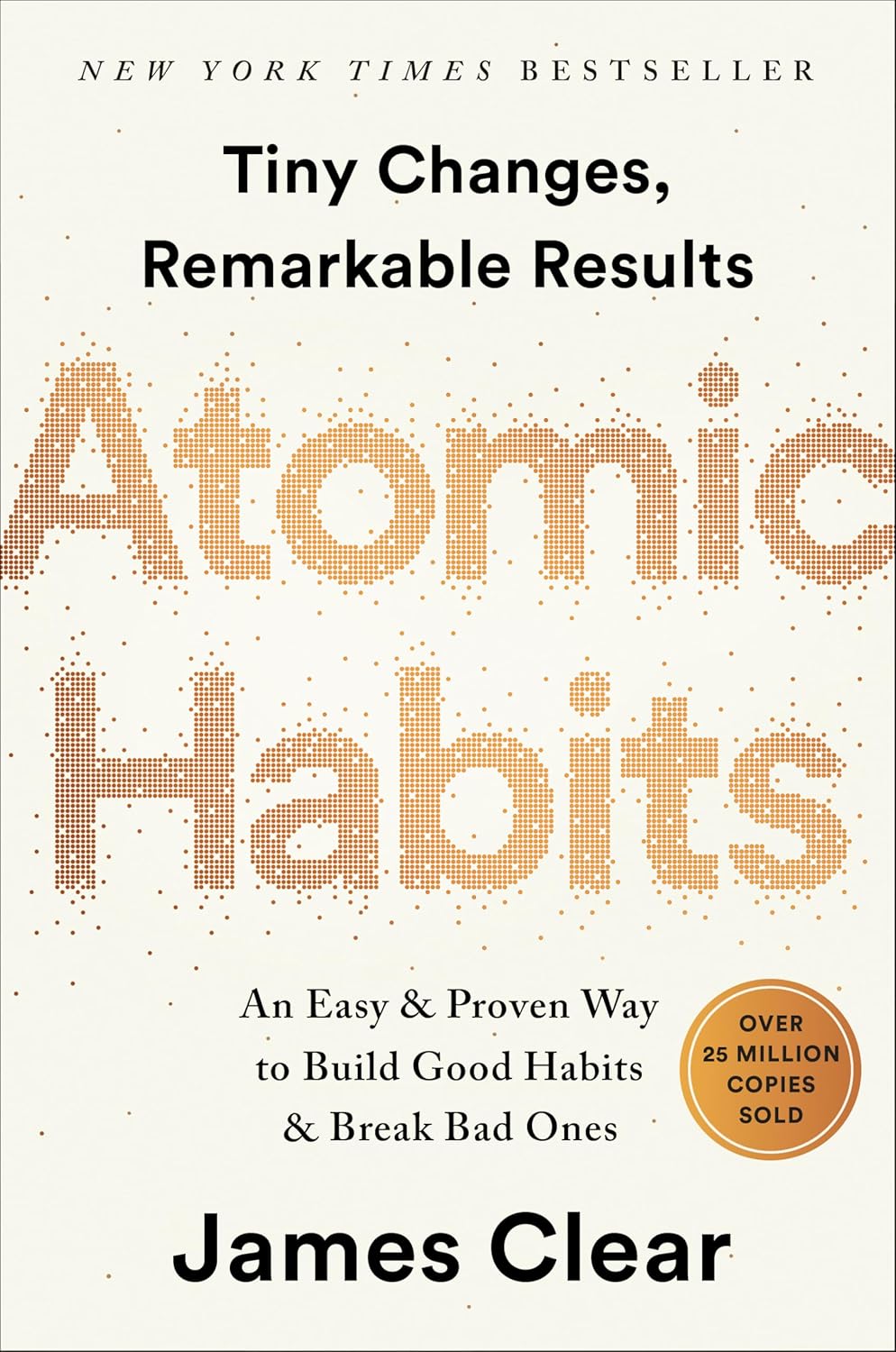
Atomic Habits

Atomic Habits

James Clear

The power of small, compounding changes to fundamentally reshape your identity and future

Read Review

💬 Reader Thoughts

Email is required for anti-spam but can be fake if you prefer privacy.

Loading comments...