










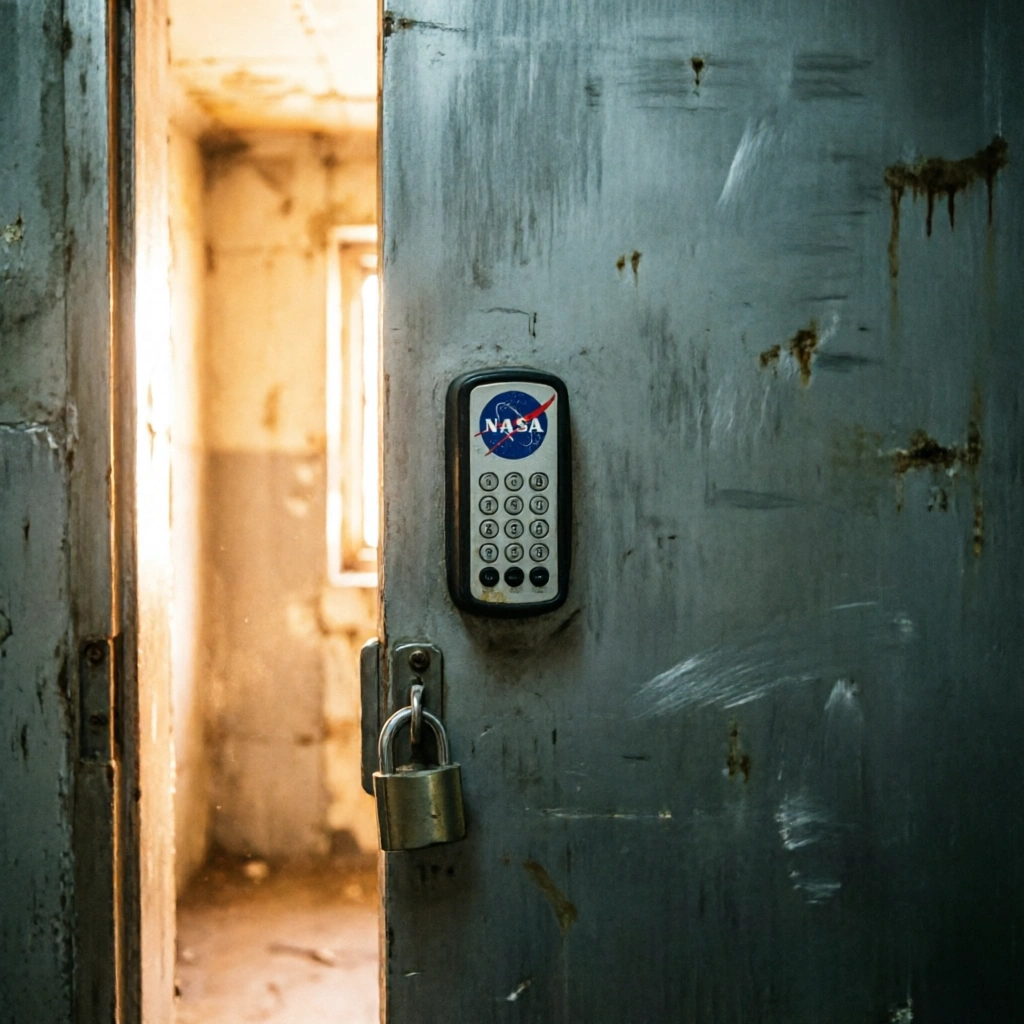





Book Review

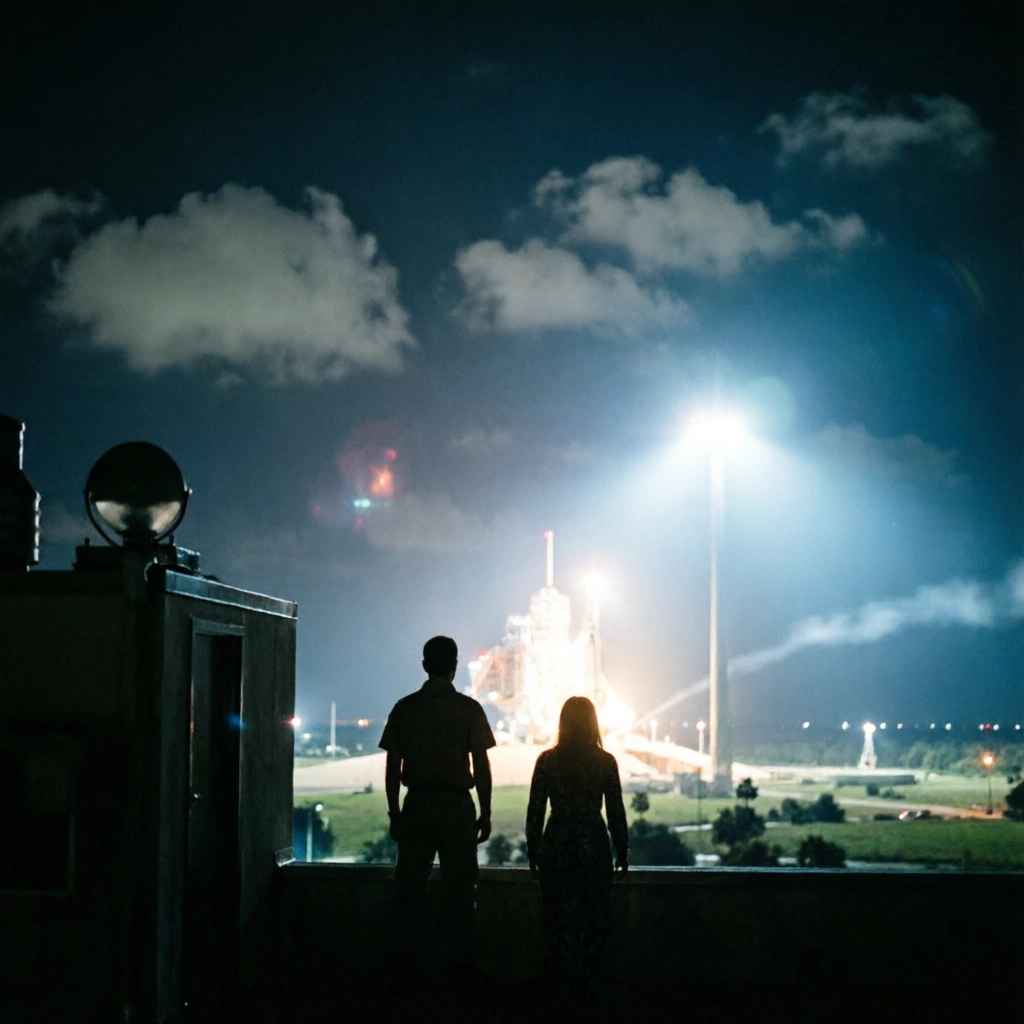
Hey everyone! Ian here! Welcome to our book review of Atmosphere by Taylor Jenkins Reid. This is her 2025 NASA love story, a historical romance set in Houston in the early nineteen-eighties, and it is exactly the kind of book that makes you look up from the page and check whether you are still breathing.
Taylor Jenkins Reid is the bestselling novelist behind The Seven Husbands of Evelyn Hugo, Daisy Jones and the Six, Malibu Rising, and Carrie Soto Is Back — that famous-women quartet that turned her into a publishing event. Atmosphere is her ninth novel, and she did not want another California celebrity saga. She spent months living in Houston, researching the Space Shuttle program, then wrote a quieter, riskier book: a lesbian love story inside NASA at a time when that love could end a career.


Ballantine published it on June third, twenty twenty-five. It became a number-one New York Times bestseller, a Good Morning America book-club pick, and the novel readers voted as their top summer read. LAIKA later hired Anna Boden and Ryan Fleck to adapt it for film. Full spoilers ahead, including the disaster, the outing, and whether anyone comes home. If you want the book unspoiled, pause now and come back after. Still here? Good.
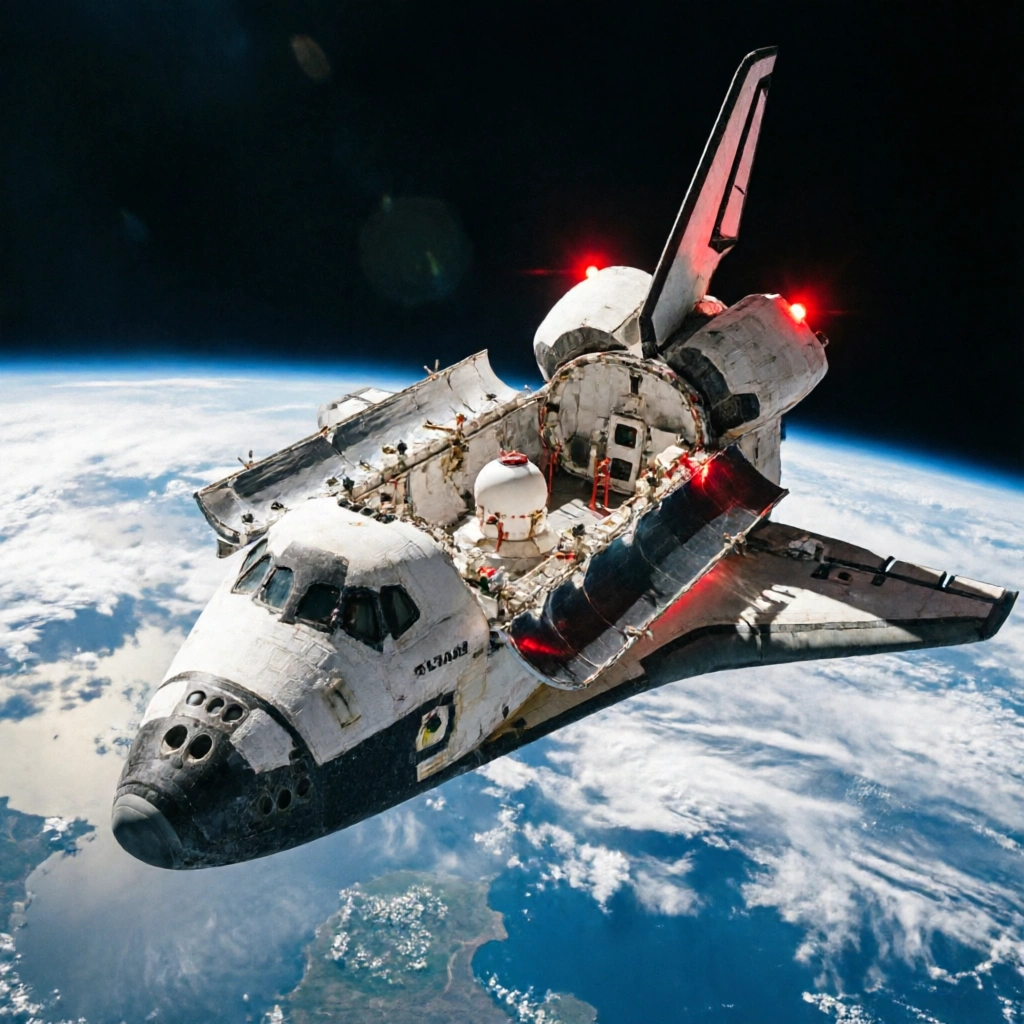
The novel opens on December twenty-ninth, nineteen eighty-four, aboard a fictional shuttle named Navigator. A malfunction kills three of the five astronauts. One more is unconscious, dying of the bends. Only Vanessa Ford is awake enough to talk to Mission Control. On the ground, the spacecraft communicator — CAPCOM — is Joan Goodwin, Vanessa's colleague, her secret partner, and the person who has to talk her down through the atmosphere.


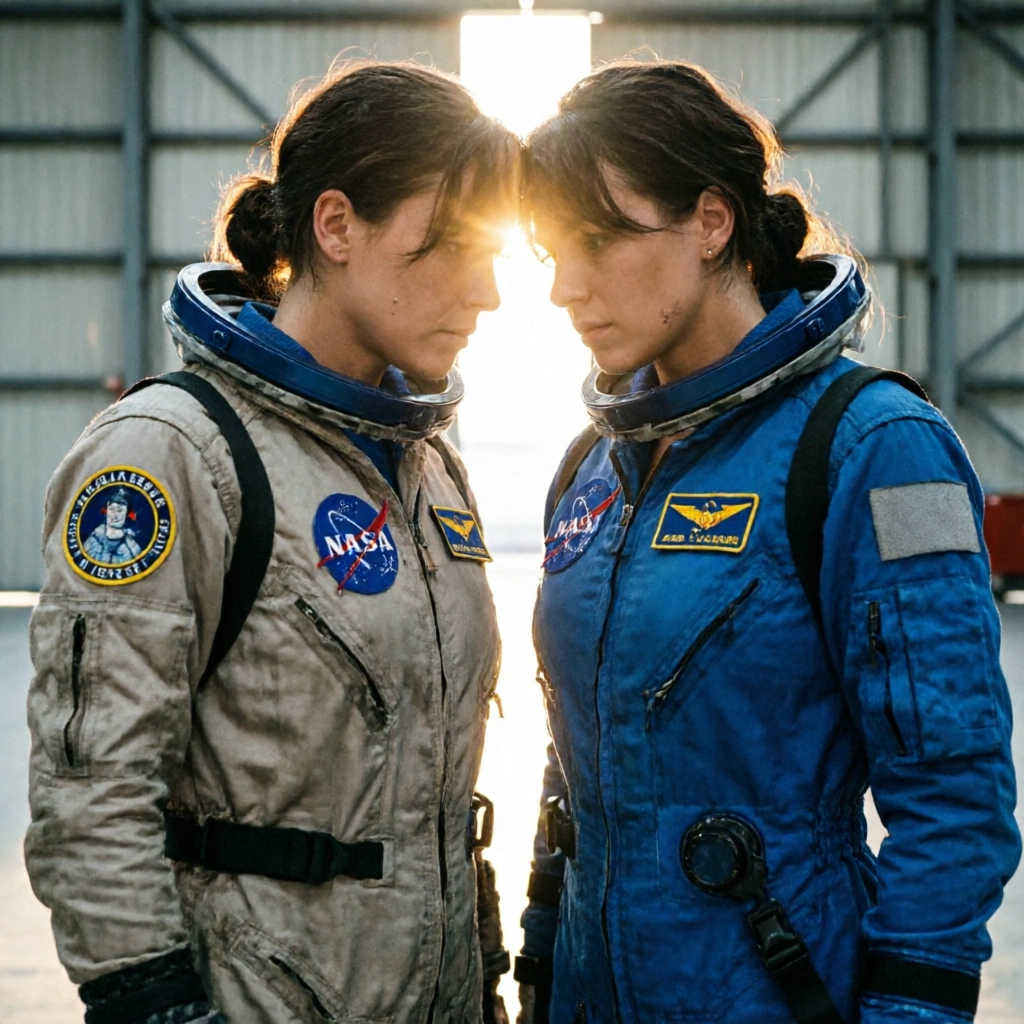
Then Reid rewinds. Joan is a professor of astronomy at Rice University, competent, kind, a little too willing to be useful to everyone else. In nineteen eighty, NASA opens astronaut candidacy more widely to women scientists, and Joan gets in. Training is brutal and intoxicating. She bonds with her class, and she especially takes a liking to Vanessa — a mission specialist with a pilot's nerve and no patience for pretending. After more than a year of flirtation and Joan's hesitation, they say it out loud. They are in love.
They also know the institution. Homophobia is not a subplot at Johnson Space Center. It is a security-clearance problem, a career-ending rumor, a reason to keep the lights off.


Joan is already carrying another life. Her sister Barbara is an unreliable mother. Joan's niece Frances is the child Joan loves like a daughter, and Barbara keeps handing her over, then yanking her back. When Barbara marries Daniel, a man who cannot connect with Frances, the pressure on Joan gets worse. Barbara eventually ships Frances to boarding school in Dallas. Joan is furious, and she is also the adult who keeps showing up.
Both women are selected for shuttle flights about a month apart in late nineteen eighty-four. Joan goes first. Space adaptation syndrome wrecks her, and she comes home with a clear decision: she wants Earth. She wants Mission Control. She wants to be the voice, not the body in the seat. Then Barbara admits she and Daniel are moving to Europe and mostly cutting ten-year-old Frances out of their lives. Joan, enraged and certain, effectively adopts Frances. At the same time, Joan's supervisor hints that he knows about Vanessa.


Continuing the relationship will likely end both careers. The day before Vanessa's launch, Joan tries to break it off — for Frances, for Vanessa's future, for the version of safety she thinks she can still buy. Vanessa refuses. They agree to face whatever comes next.
Which brings us back to Navigator. Vanessa cannot fully latch one of the payload-bay doors. NASA orders her to take more time so that at least she might survive re-entry. That extra time would almost certainly kill the other living astronaut, Lydia. Vanessa will not let Lydia die. Against orders, she commits to deorbit with the door unlatched, raising the odds that the shuttle breaks apart in the atmosphere. Before she drops, she and Joan have a conversation over the loops that all but outs them to everyone listening.


When the signal dies, Joan believes Vanessa is gone. She thinks through what they had. Then Vanessa's voice comes back. She has survived re-entry.
Reid is writing about more than space. She is writing about who gets to take up room. Joan has spent a lifetime being the good daughter, the good aunt, the good employee. Vanessa is the first person who makes her want something that is not a duty. One of the book's most quoted lines is Vanessa telling Joan, "Every morning, I wake up and I think, God, yes, her." And then: "If that can be enough for you, it's yours until the day I die." Another line that sticks: "Joan has not lost herself to Vanessa, but found herself in her." That is the thesis.


Love here is not a costume you put on. It is a recognition.
The secrecy is the other engine. In the early eighties, a queer relationship at NASA is not a private matter. It is a vulnerability the institution can use. Reid does not pretend the shuttle program was a feminist paradise just because women were finally flying. The book is sentimental about love, and some critics called it saccharine — Lucy Scholes in the Financial Times argued that "love really can overcome all" is too tidy for the history. That critique is fair. The novel is not a policy paper.


It is a romance that uses real institutional threat as the lock on the door. Whether you find that moving or oversimplified depends on whether you came for heat and hope, or for a colder archival novel.
Family is the third orbit. Frances is not a cute side plot. She is the reason Joan almost chooses the smaller life. Reid is good at the ugly math of caretaking: the sister who dumps a child, the aunt who cannot stop loving that child, the career that will not pause for either of them. When Joan takes Frances, she is not becoming a saint. She is refusing to let the people she loves become disposable.


The disaster structure is a trick Reid has used before — start at the crisis, then earn it. Some reviewers thought the opening made the ending too obvious. I don't mind. The point is not surprise. The point is the radio. Two women who were not allowed to say they belonged to each other, saying it anyway, with the whole building listening, while the shuttle is trying not to burn.
I was given this book as a gift while I was in the hospital. That is not a small way to receive a story about breath, re-entry, and someone on the other end of a comms loop refusing to let go. Reading about Joan talking Vanessa home while I was not fully home in my own body did something extra. The book is already designed to make you feel the thinness of the air. Illness just removes the metaphor.


Atmosphere is for readers who want Reid's emotional architecture — found family, forbidden desire, women who are excellent at their jobs — moved onto a new stage. Ideal if you like historical romance with real procedural texture, or if the shuttle era still looks like glamour until you remember who was allowed to be seen. Less ideal if you need literary frost, or if you cannot stand a love story that believes, unironically, that love can be enough. Reid knows that line is dangerous.
Joan still thinks it: they say love isn't always enough, but in that moment she knew it could have been. Read it for the training, the Houston heat, the niece, the secret, and that last voice on the radio. Thanks for watching, and happy reading!

Andy Weir
A lonely voice on a comms loop, trying to bring someone home from space
Read Review
Audrey Niffenegger
A love story that has to live around impossible constraints and stolen time
Read Review
Ian McEwan
What we do to other people's lives when we decide their story for them
Read Review

Margaret Atwood
Women under an institution that treats desire as a security problem
Read Review