








← Back to Gallery
0 / 12
0:00 / 4:21
Project Hail Mary

Project Hail Mary

Book Review

Welcome To Hail Mary

Welcome To Hail Mary

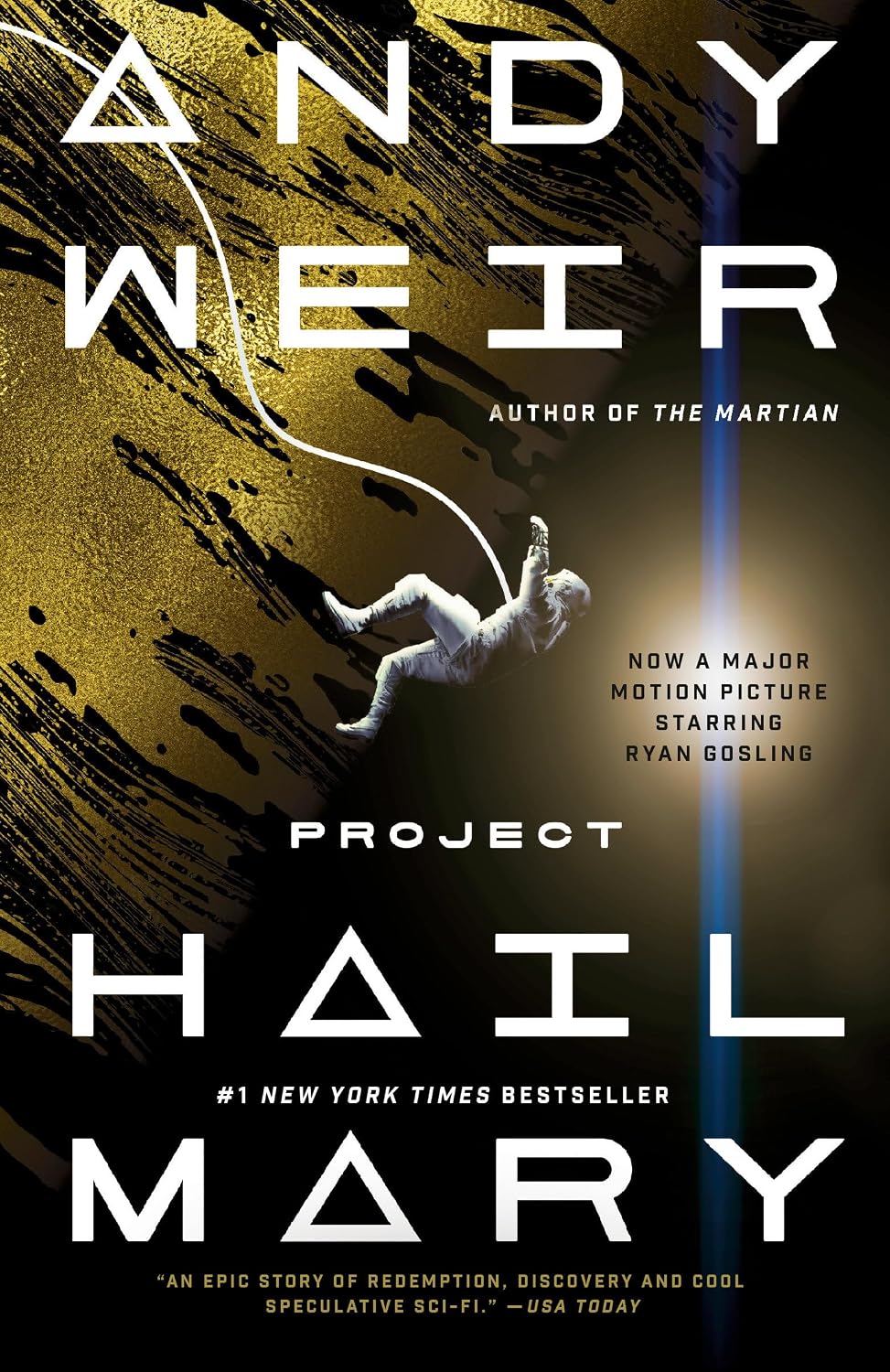
Hey everyone! Ian here! Welcome to our book review. Today we're talking about Project Hail Mary by Andy Weir, published in 2021 — the hard-science, high-stakes space adventure that asks what one lonely teacher would do if saving Earth meant waking up light-years from home with almost no memory and a star that is dying the wrong way.

Meet Andy Weir

Andy Weir is the engineer-minded novelist who broke out with The Martian. Same voice shows up here: problem, experiment, failure, joke, next experiment. Project Hail Mary became a massive bestseller, landed major awards attention in the science-fiction world, and later became a big-screen adaptation. Readers who bounce off literary denseness often love this book because it treats science as a contact sport and friendship as the plot twist you didn't see coming.

Meet Andy Weir
Spoilers Memory And Mission

Spoilers Memory And Mission

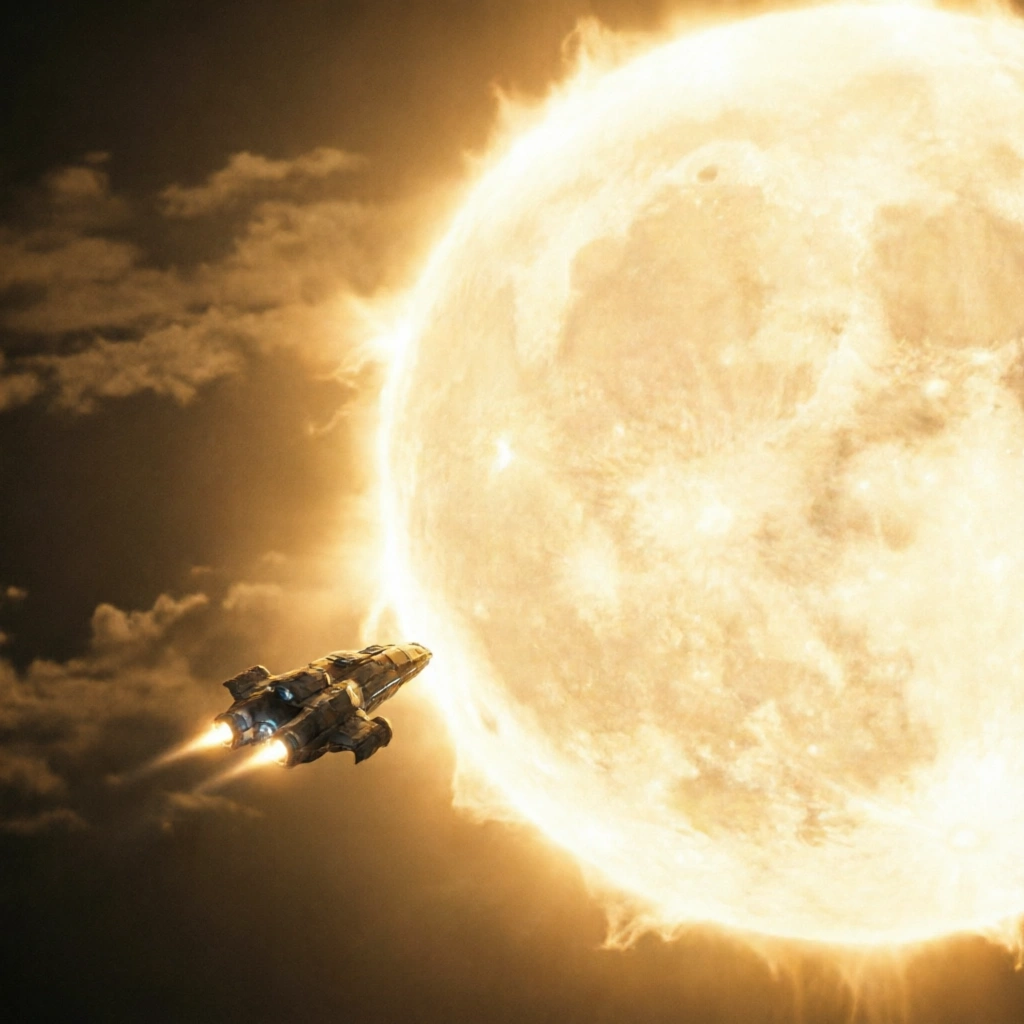
Full spoilers ahead after a quick heads-up — including the ending shape of the story. If you want zero spoilers, jump to another review and come back later. Still here? Good. Ryland Grace wakes aboard the starship Hail Mary with two dead crewmates and a patchwork of memories. He slowly reconstructs the nightmare that put him there. The Sun is being dimmed by Astrophage, a spaceborne microbe that breeds on stellar energy and is hitchhiking across the galaxy.

One Way To Tau Ceti

Humanity's desperate answer is a one-way science mission to Tau Ceti, where another star shows signs of resisting the same infection. Grace is not a swaggering astronaut archetype. He's a former molecular biologist turned junior-high science teacher, drafted because he asked the right stubborn questions — and because the mission's ethics are uglier than the press releases.

One Way To Tau Ceti
First Contact With Rocky

First Contact With Rocky

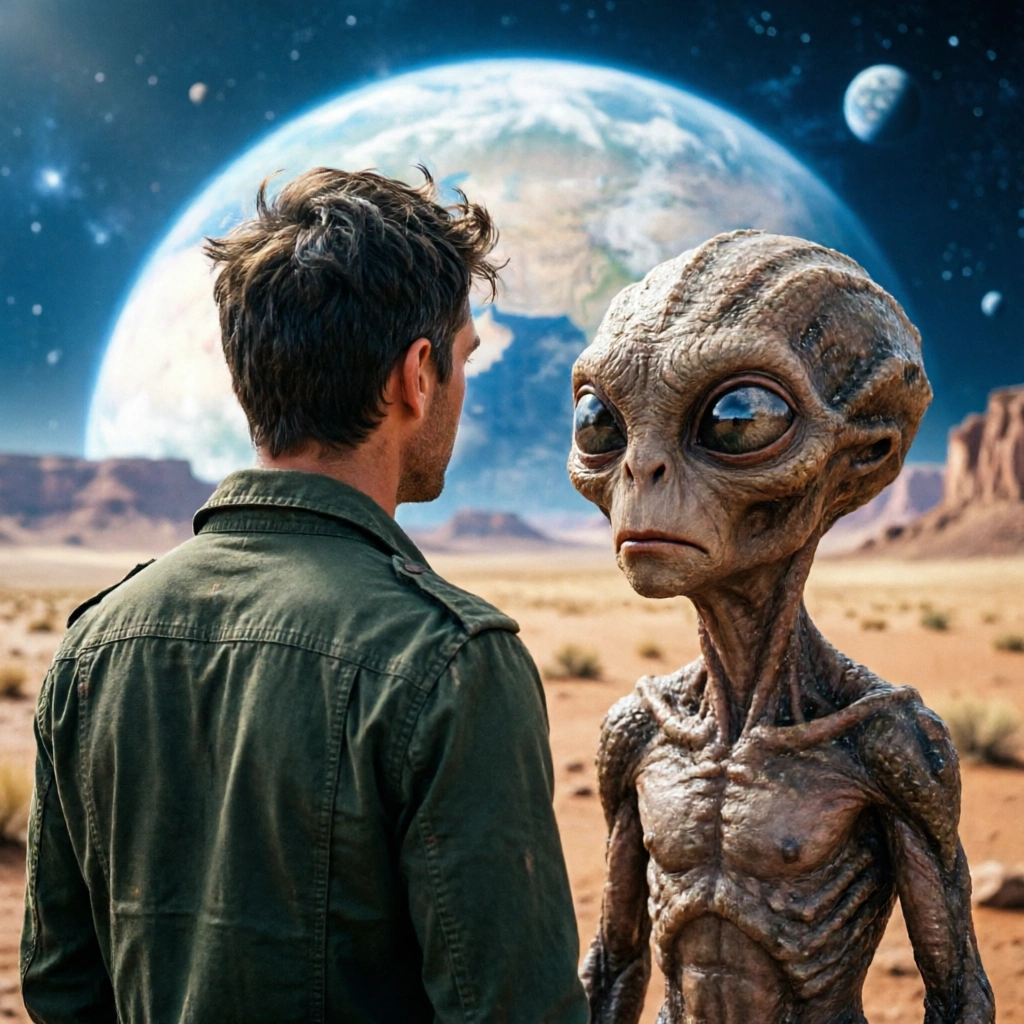
At Tau Ceti he makes first contact with an alien engineer we come to know as Rocky. Rocky is not a human in a rubber suit. He's a xenonite-shelled, tunnel-dwelling, sound-and-vibration creature from a high-temperature, high-pressure world, and communication starts as pure painstaking science. Blinking lights. Math. Shared models of the problem. What begins as mutual survival calculus becomes one of modern science fiction's great friendships.

Science Friendship Fuel

Together they reverse-engineer Astrophage biology, farm it as fuel, confront predators in the microbe ecology, and piece together a fix that can save both of their home stars. The science is playful and relentless — orbital mechanics, relativity, evolution under energy constraints, engineering kludges that would make a lab tech grin.

Science Friendship Fuel
The Choice That Costs

The Choice That Costs

And then comes the choice. Grace can return to Earth a hero, or stay and give Rocky's people the help only he can finish in time. The book earns that decision. It is not a speech about sacrifice; it is the logical endpoint of a man who rediscovered himself by teaching, tinkering, and refusing to let a friend die in the dark. The ending lands with hope that still costs something, which is rarer than boom-and-cheer finales.

What Weir Does Best

A few things Weir does especially well. First, competence porn without smugness — every victory is paid for in failed trials. Second, alien contact that stays alien while still becoming intimate. Third, humor as pressure relief, not as undercutting the stakes. The prose is plainspoken on purpose. If you want lyrical nebula poetry, look elsewhere. If you want to feel like you're at the whiteboard with the crew, this is your book.

What Weir Does Best
The Movie Made Me Cry

The Movie Made Me Cry

I also watched the movie, and I found it excellent — I even cried in those touching moments. Who knew a rock creature could make you cry? That Rocky bond is the heart on the page too; the adaptation just confirmed how well the friendship was built. The novel still has more room to live inside Grace's problem-solving brain, so if you only saw the film, the book is not redundant. It's the longer lab notebook with better jokes in the margins.

Who Should Read This

Who should read this? Fans of The Martian, anyone who likes science as adventure, and readers hungry for optimistic speculative fiction that still takes extinction-level stakes seriously. Ideal if you work in science or adjacent fields and miss the joy of a clean experimental loop. Less ideal if you need ambiguous literary endings or zero STEM digressions.

Who Should Read This
Big Hearted Brainy Ride

Big Hearted Brainy Ride

Project Hail Mary is a big-hearted, brainy ride about cooperation across impossible distance. Read it for the puzzles. Stay for the friend who clicks and hums in the dark. Thanks for watching, and happy reading!

📚 You Might Also Like
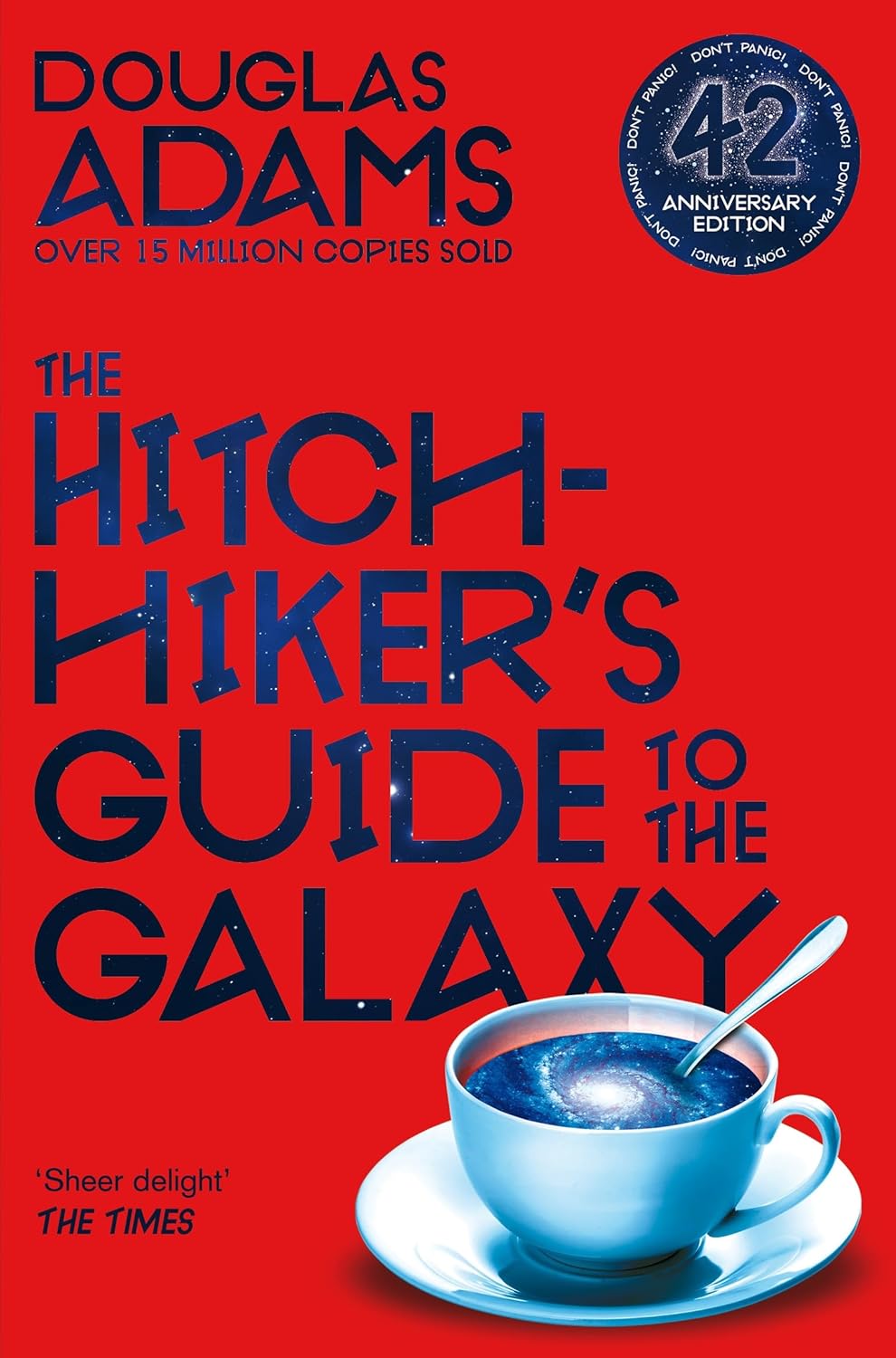
The Hitchhiker's Guide to the Galaxy

The Hitchhiker's Guide to the Galaxy

Douglas Adams

Comic space adventure energy — problem-solving absurdity among the stars

Read Review
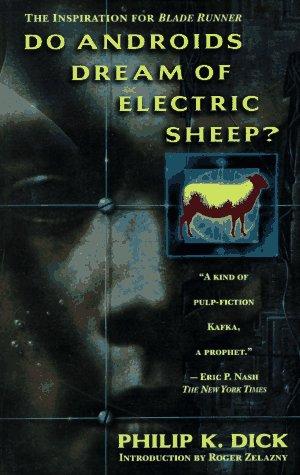
Do Androids Dream of Electric Sheep?

Do Androids Dream of Electric Sheep?

Philip K. Dick

What counts as a person — empathy and other minds under pressure

Read Review

A Psalm for the Wild-Built

A Psalm for the Wild-Built

Becky Chambers

Hopeful speculative friendship across very different kinds of minds

Read Review
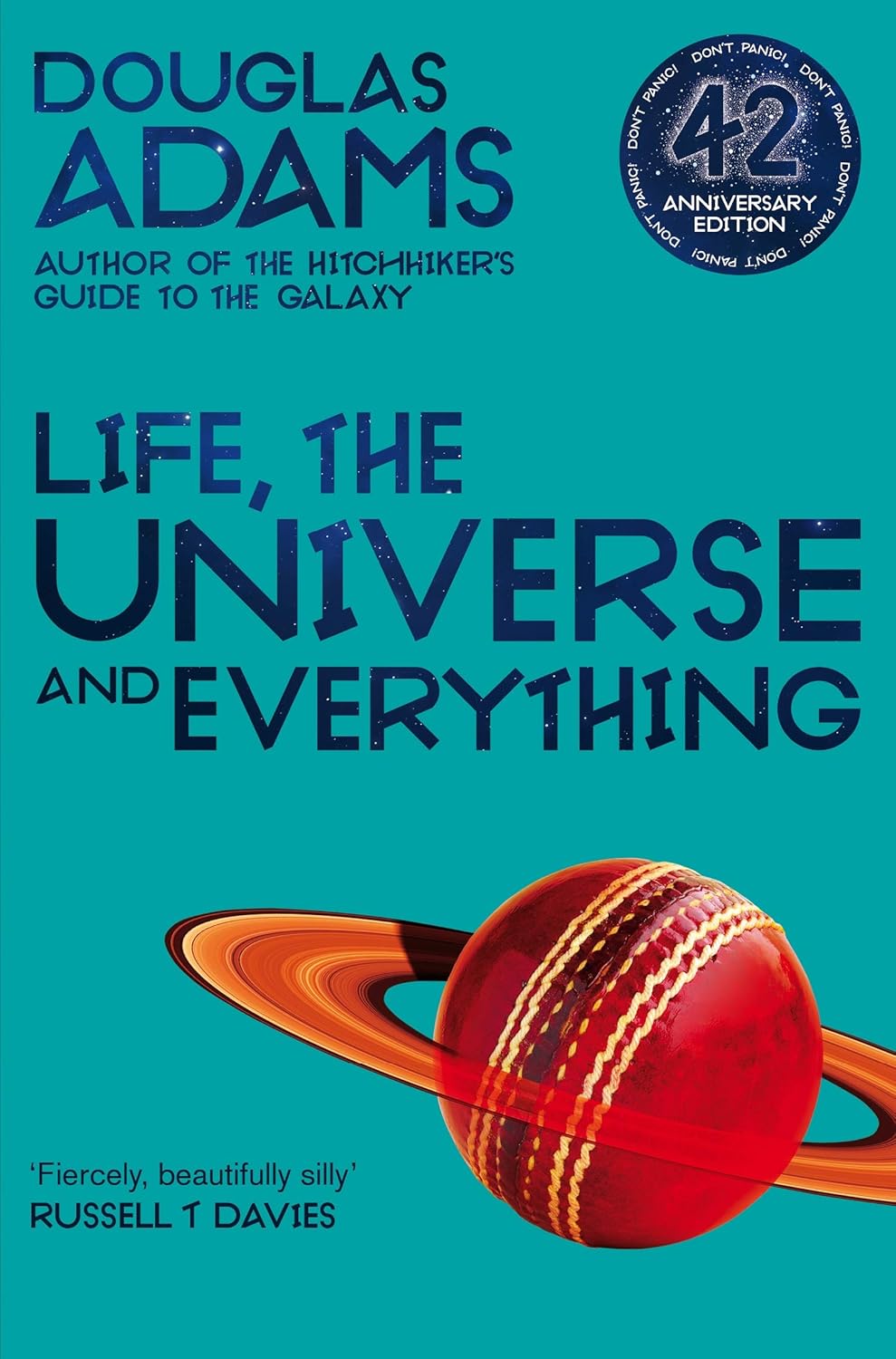
Life, the Universe and Everything

Life, the Universe and Everything

Douglas Adams

Galaxy-scale stakes with humor and reluctant heroes

Read Review

💬 Reader Thoughts

Email is required for anti-spam but can be fake if you prefer privacy.

Loading comments...