Book Review

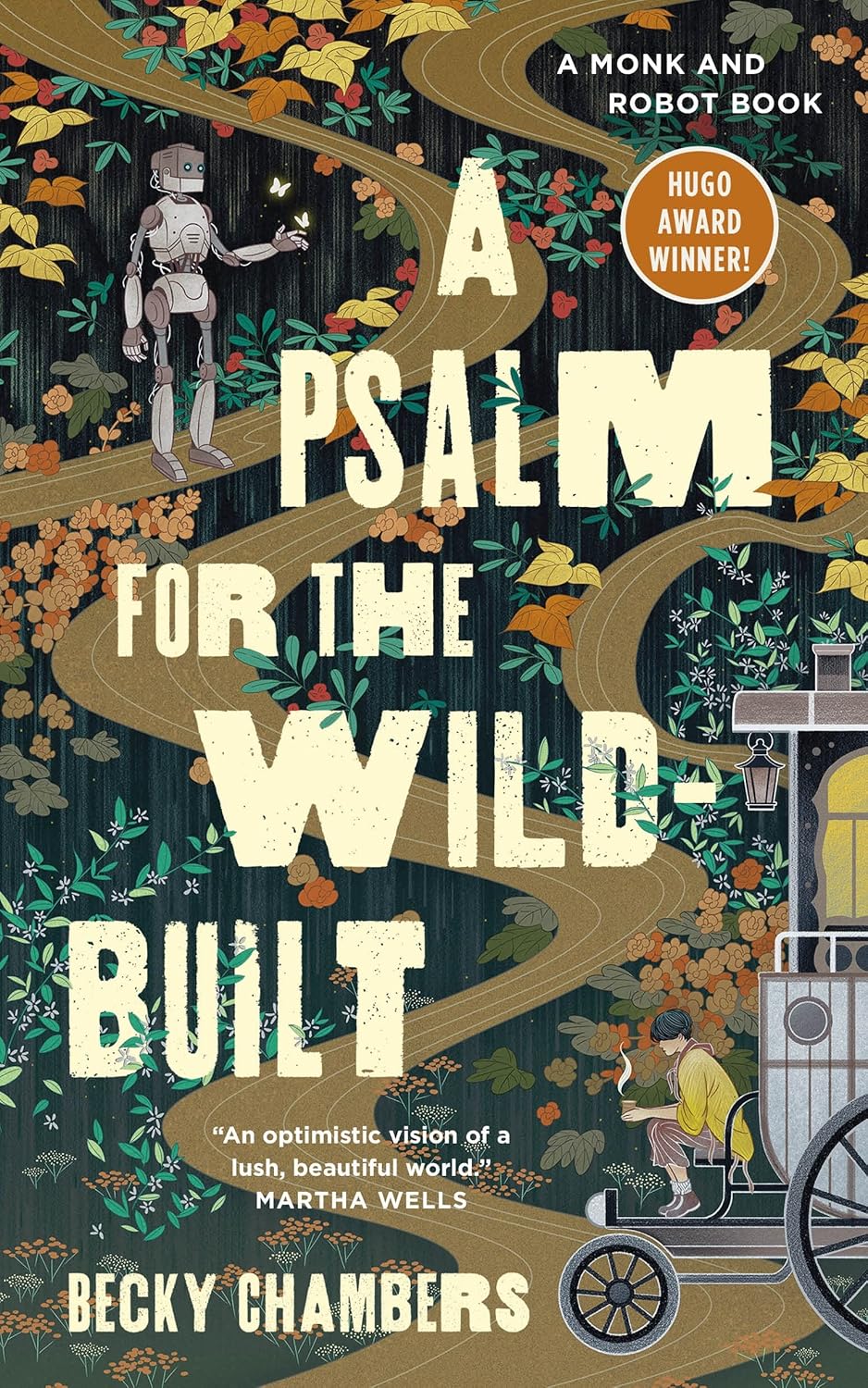
Hey everyone! Ian here! Welcome to another book review. Today I'm talking about a book that's probably unlike anything you'd expect from a science fiction novel — A Psalm for the Wild-Built by Becky Chambers. This is the first book in the Monk and Robot series, published in 2021. And let me tell you, I love this book. It's a quick read — I burned through it in a single afternoon — and it's not your typical sci-fi at all.
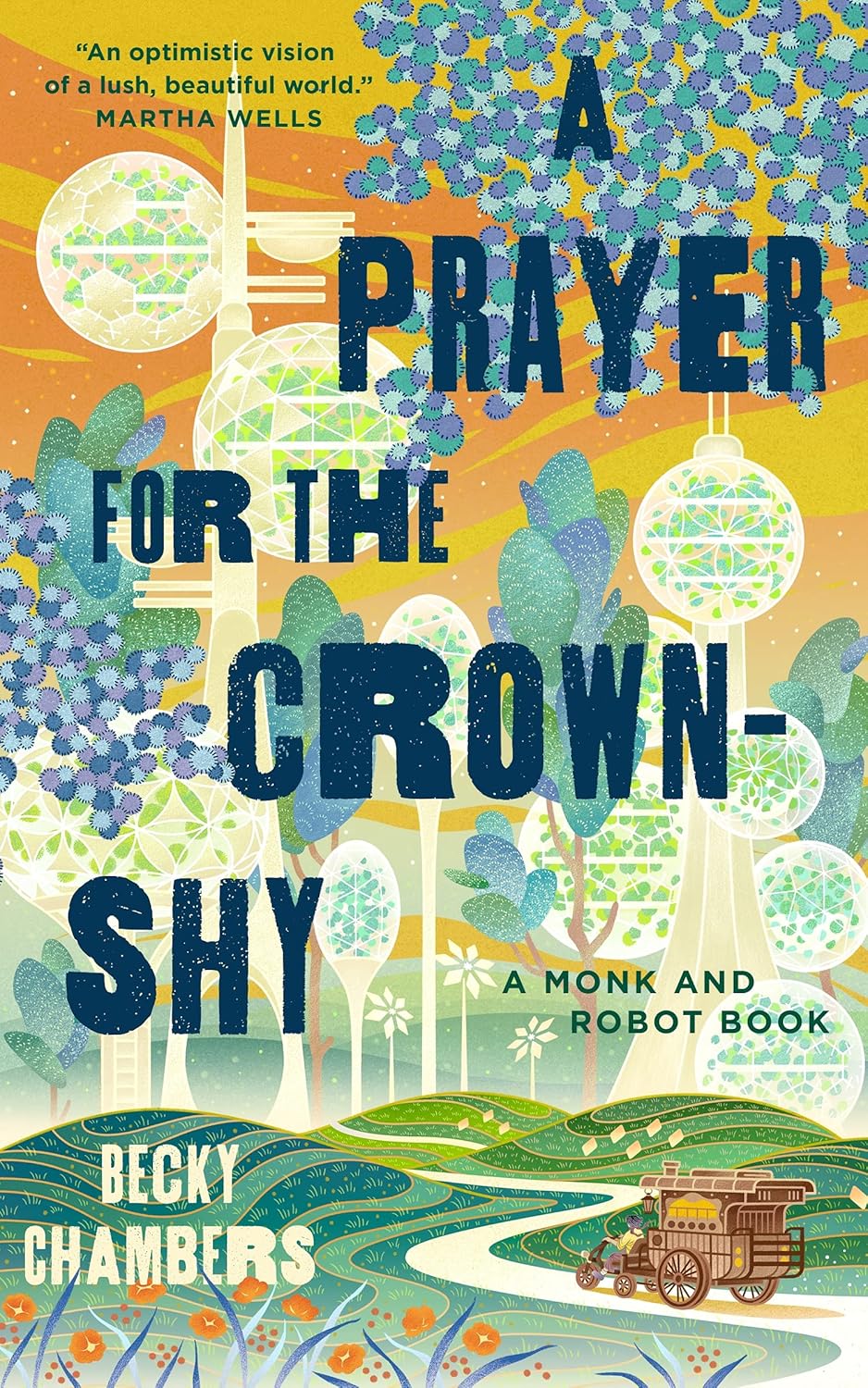
It's gentle, it's thoughtful, it's philosophical, and honestly, I think it could appeal to readers who normally wouldn't touch science fiction with a ten-foot pole. I'm already planning to pick up the sequel, A Prayer for the Crown-Shy, as soon as I can.


Now let me tell you a bit about the author. Becky Chambers is an American science fiction writer who's become famous for her Hopkins University novels and the Wayfarers series. She's known for a style that's been called hopepunk and solarpunk — basically, science fiction that's hopeful instead of dystopian, that focuses on community, kindness, and connection rather than conflict and disaster. She won the Hugo Award for her first novella in the Wayfarers series, and her work has been nominated for just about every major award in the genre.
What makes Chambers special is her ability to write deeply human stories set in wildly imaginative worlds, and A Psalm for the Wild-Built might be her best example of that.


So what's this book actually about? The story takes place on a moon called Panga, where humans live in harmony with nature after centuries of industrial excess. Centuries ago, the robots of Panga — called the Factory — achieved consciousness and walked into the wilderness, never to be seen again by human society. They made a pact: they would leave humanity alone as long as humanity left them alone. And that's how it's been ever since. The story follows Sibling Dex, a tea monk — and yes, that's exactly what it sounds like.
Dex travels around Panga in a converted wagon, brewing tea for people and offering a listening ear. It's a simple, beautiful life. But Dex feels something missing — a sense of purpose, a deeper connection. So Dex decides to travel beyond the boundaries of human settlement and into the wild, where the robots went. And there, Dex meets Mosscat — a robot who's been waiting, it turns out, for a human to seek them out.
Mosscat becomes Dex's companion, and together they embark on a journey of discovery that's less about adventure and more about understanding.
And here's the thing — basically nothing blows up. There's no villain, no chase scene, no world-ending threat. It's just two beings — one human, one robot — walking through a beautiful wilderness, asking big questions and learning from each other. And it's absolutely captivating.


Let me talk about the key themes. The biggest one is purpose — what does it mean to be fulfilled? Dex has everything they need — a meaningful job, a good life, the respect of their community — yet still feels restless. And Mosscat, the robot, asks a question that cuts right to the heart of it: "What do you need?" Not what do you want, but what do you need. The book explores the difference between doing work that serves others and doing work that feeds your soul, and suggests that maybe those two things don't have to be at odds.
Another major theme is the relationship between humans and technology. The robots of Panga chose to leave because they realized their existence was tied to serving humans, and they wanted to find their own purpose. But the book doesn't paint this as a conflict — it's a peaceful separation, and when Dex and Mosscat meet, it's with curiosity and respect, not fear. There's a beautiful line in the book where Mosscat says: "We are all trying to find our purpose. It is the most human thing there is.


And it is the most robot thing, too." That line sums up the whole book in one sentence.
One of my favorite quotes: "The point is not to have a purpose that you follow your whole life. The point is to have the courage to look for one." And another: "You are allowed to change your mind. You are allowed to want something different." These aren't just nice sentiments — they're the philosophical core of the book.


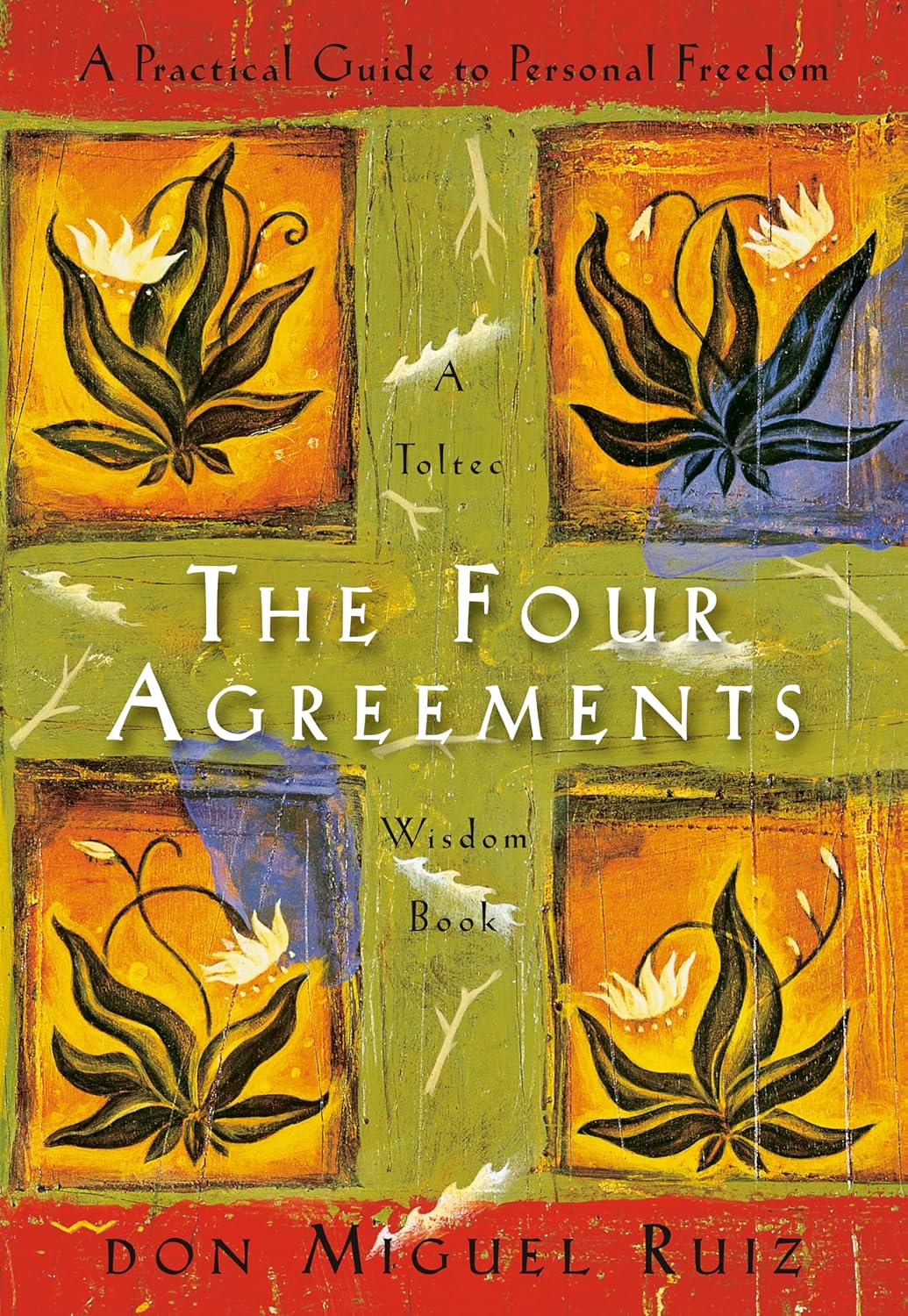
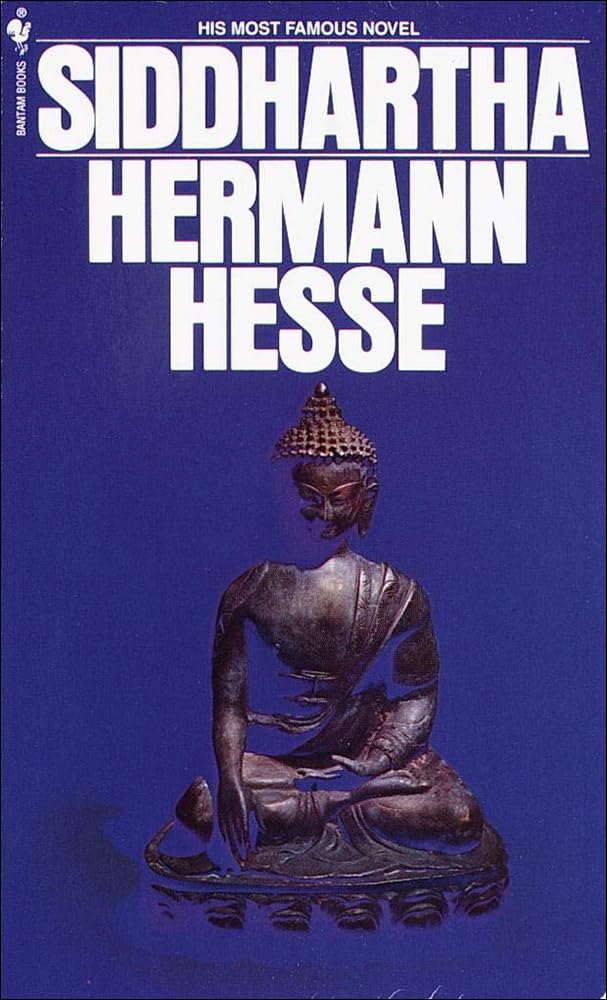
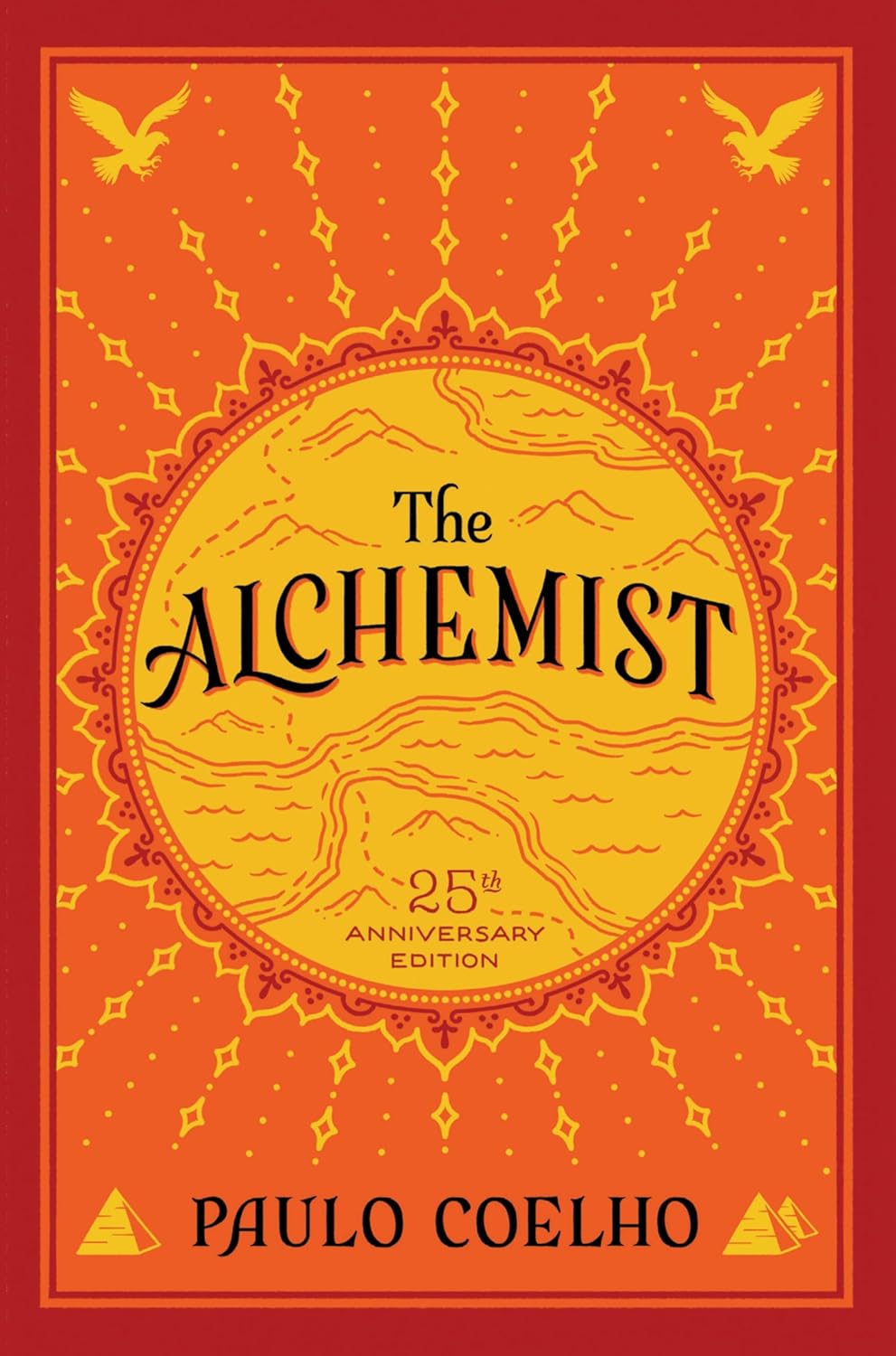
So why should you read this? Because it's a balm for the soul. This is comfort food in book form. After a long day, or a hard week, or just whenever the world feels too loud, this book wraps around you like a warm blanket. It's short — you can read it in a couple of hours — but it stays with you for much longer. If you like the gentle wisdom of something like The Alchemist or the quiet thoughtfulness of Siddhartha, you'll love this. And even if you usually read thrillers and action, give this a shot. It might surprise you.
In conclusion, A Psalm for the Wild-Built is a beautiful reminder that not every story needs a villain. Sometimes the best journeys are the quiet ones, the ones where you walk through a forest with a robot, sipping tea, and asking yourself what you really need. Becky Chambers has created something truly special here, and I can't wait to read A Prayer for the Crown-Shy. I'll leave links in the gallery. Thanks for watching, and as always — happy reading.