











Book Review

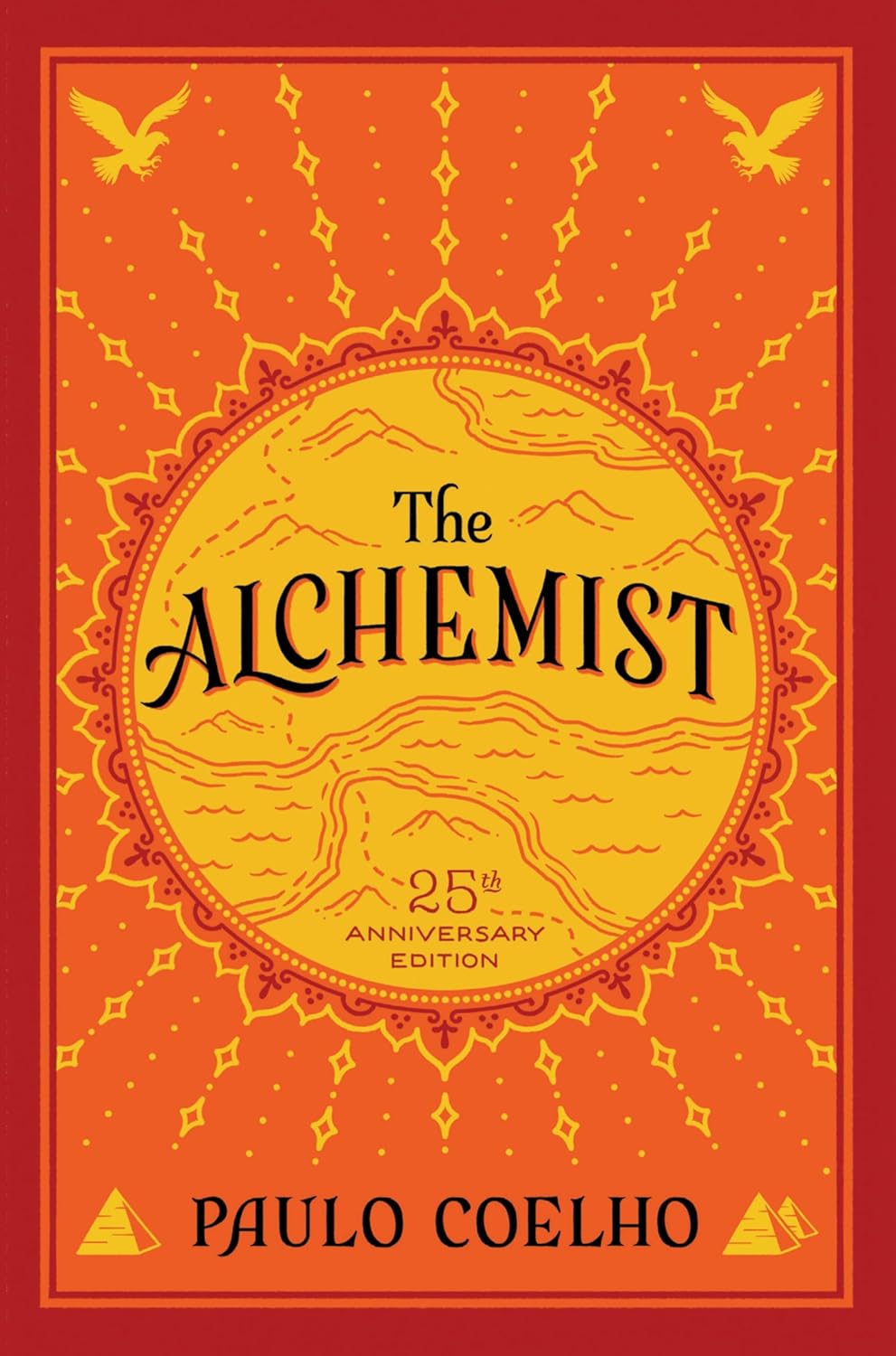
Hey everyone! Ian here! Welcome to our book review of The Alchemist by Paulo Coelho. Originally published in Portuguese in 1988 and translated into more than eighty languages, this is one of the best-selling novels in history, with over a hundred and fifty million copies sold worldwide. It is a slim modern fable about a young Andalusian shepherd named Santiago who has the same recurring dream and decides to do something about it.
Paulo Coelho is a Brazilian writer who lived several lives before becoming a novelist. He was a hippie, a songwriter for Brazilian rock stars, a journalist, and a member of an obscure spiritual order. When he was forty he walked the Camino de Santiago across northern Spain, and the experience changed him. He started writing books about pilgrimage, about destiny, about what he calls the personal legend. The Alchemist is the second of these books, and it became a global phenomenon.


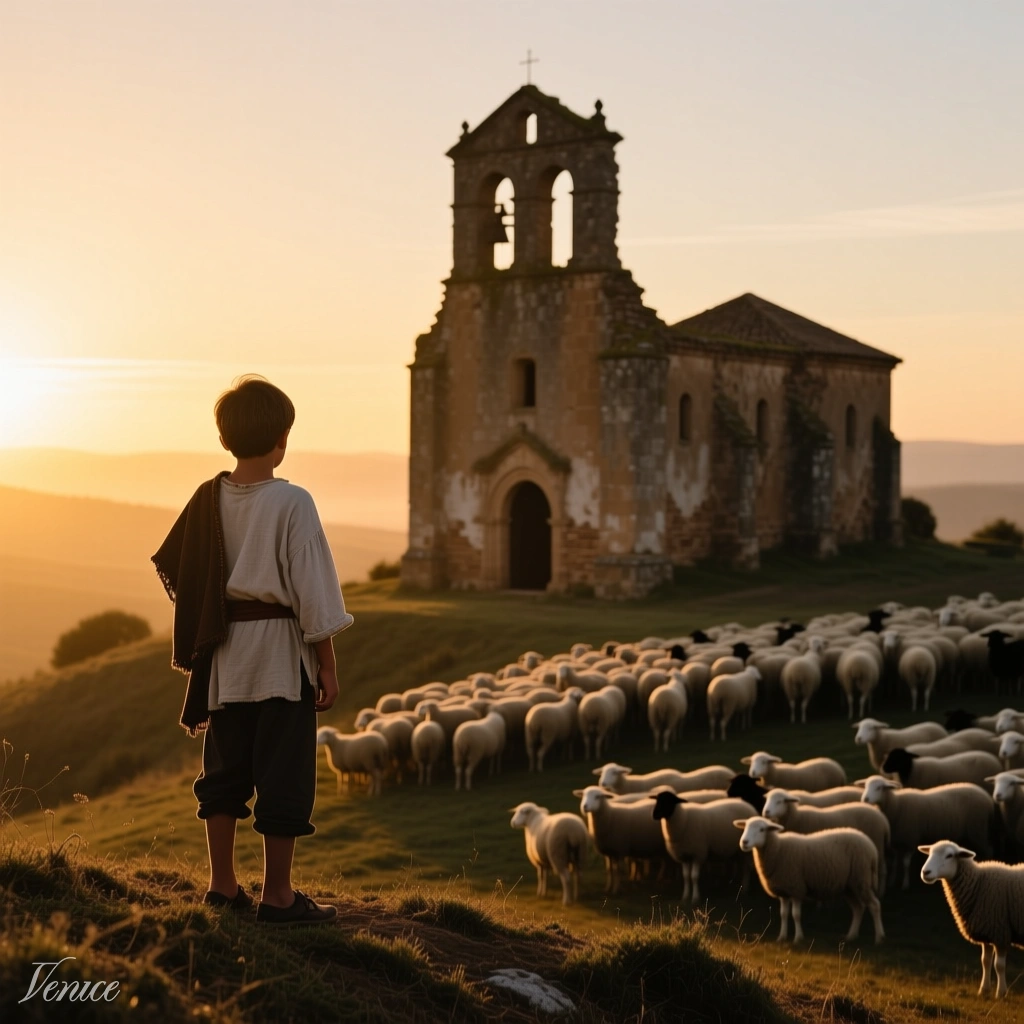
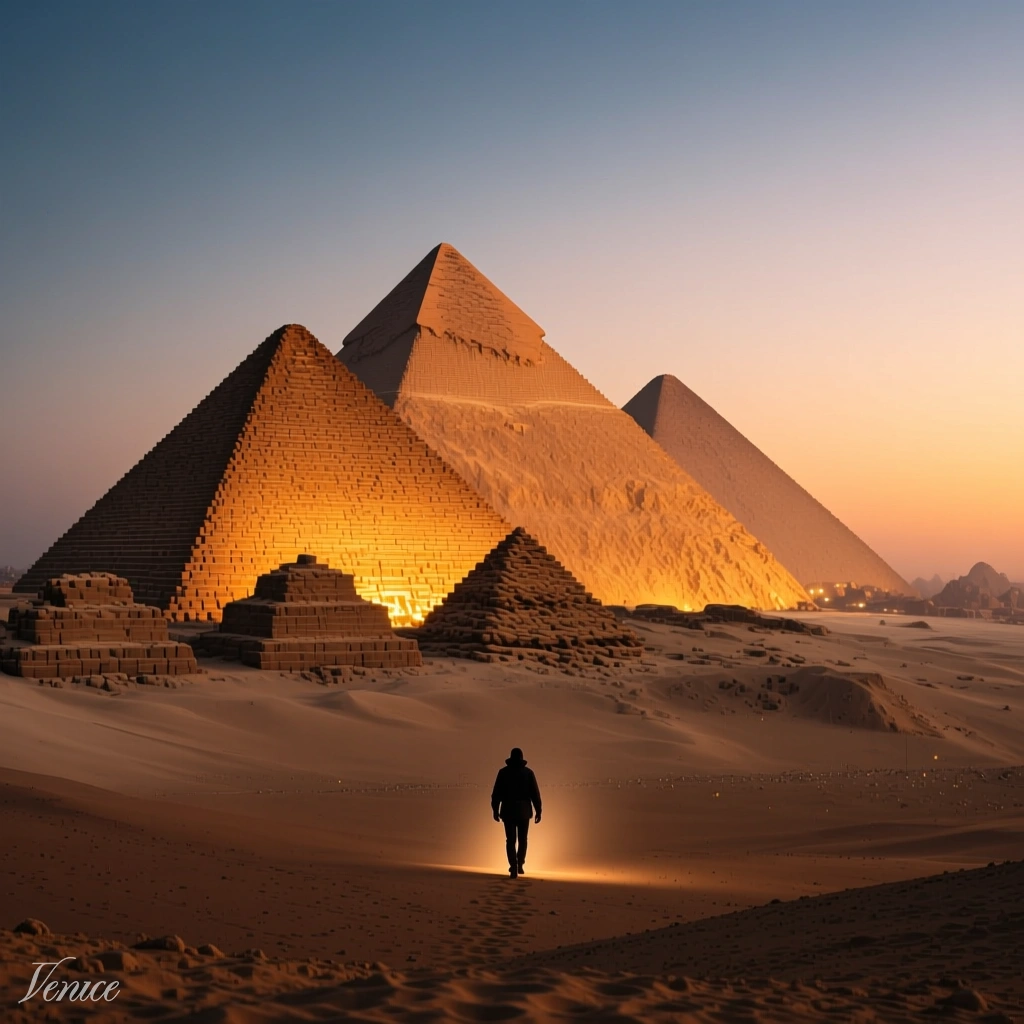
The story is simple. Santiago is a young shepherd who has read enough books to be educated but loves the freedom of traveling with his sheep through the hills of Andalusia. He has a dream twice, in which a child tells him there is a treasure waiting for him near the pyramids in Egypt. He visits a Romani fortune teller who tells him the dream is true.
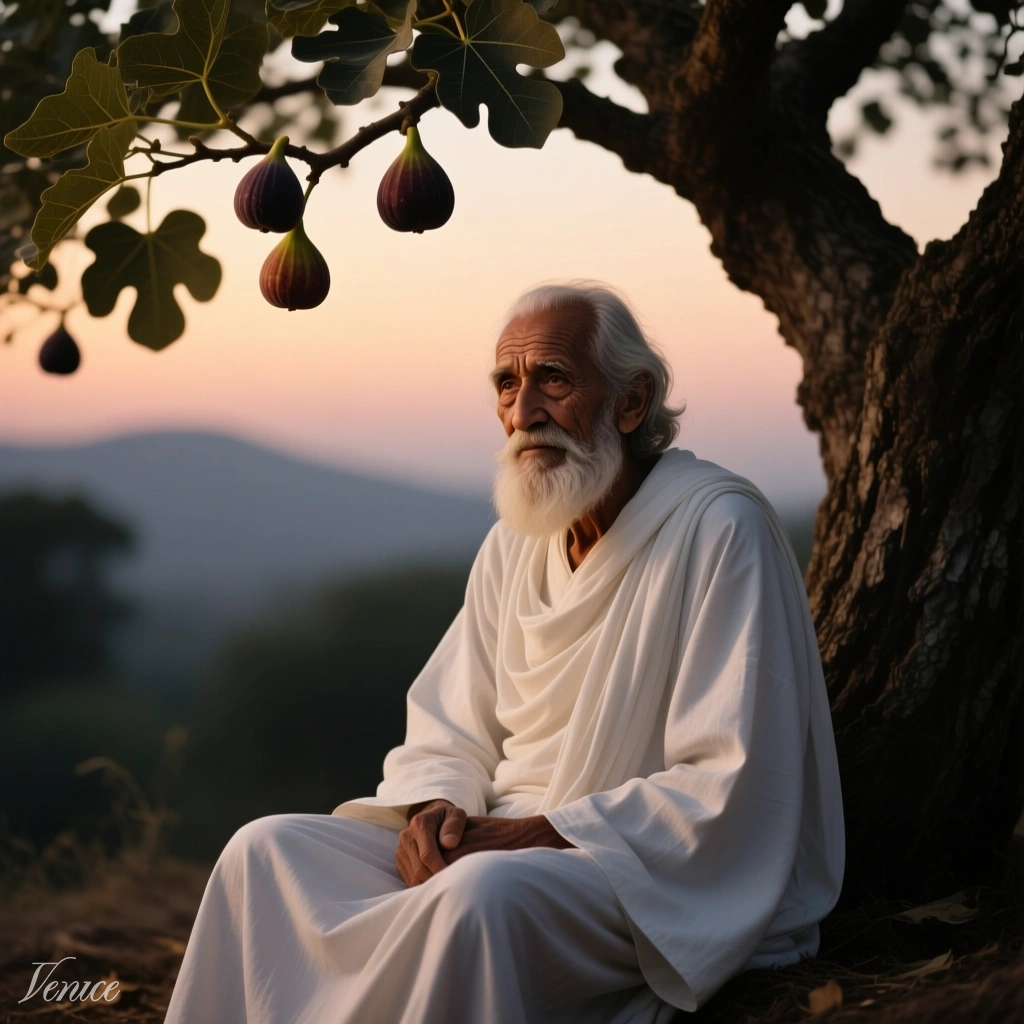
He meets a mysterious old man calling himself the king of Salem, who tells him that every person has a personal legend, a destiny they are meant to pursue, and that the universe conspires to help anyone brave enough to follow theirs. Santiago sells his sheep and books passage to Tangier.


In Morocco he is immediately robbed and left with nothing. He takes a job working for a crystal merchant in Tangier, and after a year of careful work he has saved enough money to either return home a rich man or continue toward the pyramids. He chooses the pyramids. He joins a caravan crossing the Sahara, where he meets an Englishman who is studying alchemy. The Englishman is searching for a master alchemist living at an oasis ahead, a man rumored to be two hundred years old and to possess the philosopher's stone.
The caravan reaches the Al-Fayoum oasis just before a tribal war breaks out. Santiago falls instantly in love with a young woman named Fatima, who tells him she is a desert woman, and that desert women are accustomed to waiting for their men to return from journeys. He promises to come back to her after he has found his treasure. He meets the alchemist himself, who tests him, sees something in him, and agrees to be his guide.


The alchemist and Santiago travel the last leg of the journey across the desert together. They are captured by warriors. The alchemist tells the warriors that Santiago is a powerful magician who can become the wind. Santiago has three days to prove it or both will be killed. What follows is the climax of the book, a meditation on the soul of the world, on the language of the world, on how all of creation is connected in a single web of meaning. Santiago does become the wind. They are released. They reach the pyramids.
I will not spoil the ending, except to say that Coelho pulls off a beautifully circular finish that has made millions of readers smile. The treasure is real, and it is where it is supposed to be, but the journey to find it has a shape Santiago could not have predicted.


Now let us talk about what makes The Alchemist work, and what makes it controversial. The book works because it is short, propulsive, and easy to read. The prose is plain. The metaphors are direct. The spiritual ideas are presented in tidy aphorisms that fit on a poster. When you are looking for something, the universe conspires to help you find it. There is only one thing that makes a dream impossible to achieve, the fear of failure.
The simplicity of the writing makes the book feel like a parable from an older tradition, which is exactly what Coelho intended.


The book is controversial because the same simplicity that makes it accessible also makes critics roll their eyes. The spiritual philosophy is a pastiche, drawn from Sufism, alchemy, the Old Testament, Christian mysticism, and folk traditions, blended into a soft universalism that does not quite belong to any of them. The personal legend doctrine sounds inspiring until you ask what happens to the people whose legend is just to be a kind grocer or a quiet librarian.
The notion that the universe conspires to help you can feel like prosperity gospel in a robe. And yet. And yet there is a reason this book has outsold almost every other novel of the late twentieth century. Coelho understands something about the human longing for meaning. He understands that most people feel their lives are too small, that they are not living the story they were meant to live, and that they desperately want permission to seek something bigger. The Alchemist gives them that permission.


It tells them that following their dream is not foolish, that the obstacles in their path are part of the path, that even being robbed in Tangier is part of the lesson.
If you are looking for literary fiction with complex characters and unresolved moral questions, this is not your book. If you are looking for a short fable that gives you a jolt of courage when you need it, that nudges you to make the move you have been putting off, that reminds you that comfort is a kind of slow death, this is your book. Read it on a long flight. Read it when you are stuck. Read it when you are about to quit a job that is killing you. It does what it does very well.


Paulo Coelho is still writing. He has produced more than thirty books. But none of them have matched the cultural moment of The Alchemist. Sometimes a writer captures something nobody else has captured, in a form so simple it cannot be improved. Thanks for watching, and we will see you in the next review.
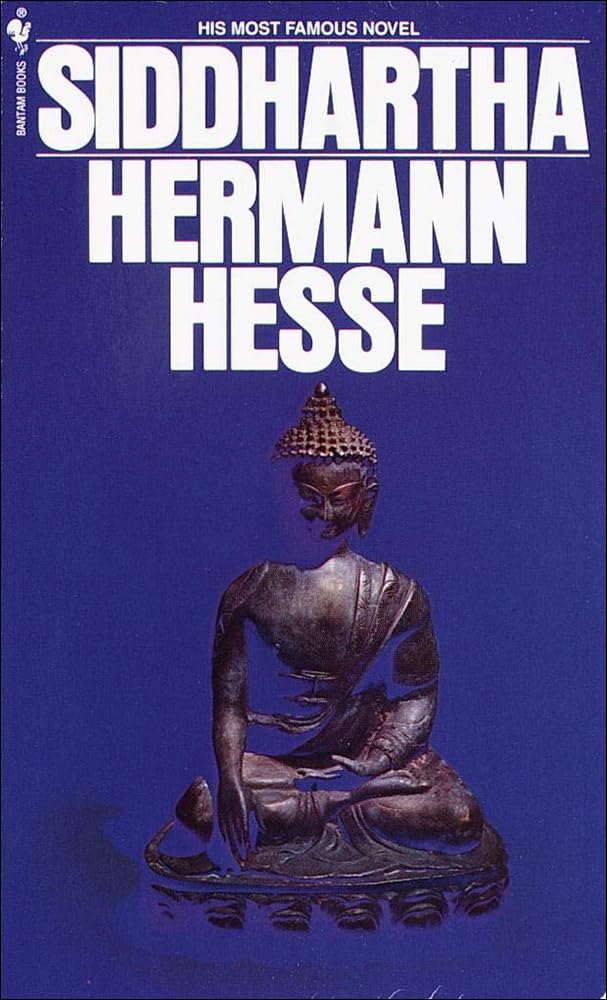
Hermann Hesse
Another spiritual journey of a young seeker — Hesse's German classic is the literary precursor to Coelho's fable
Read Review
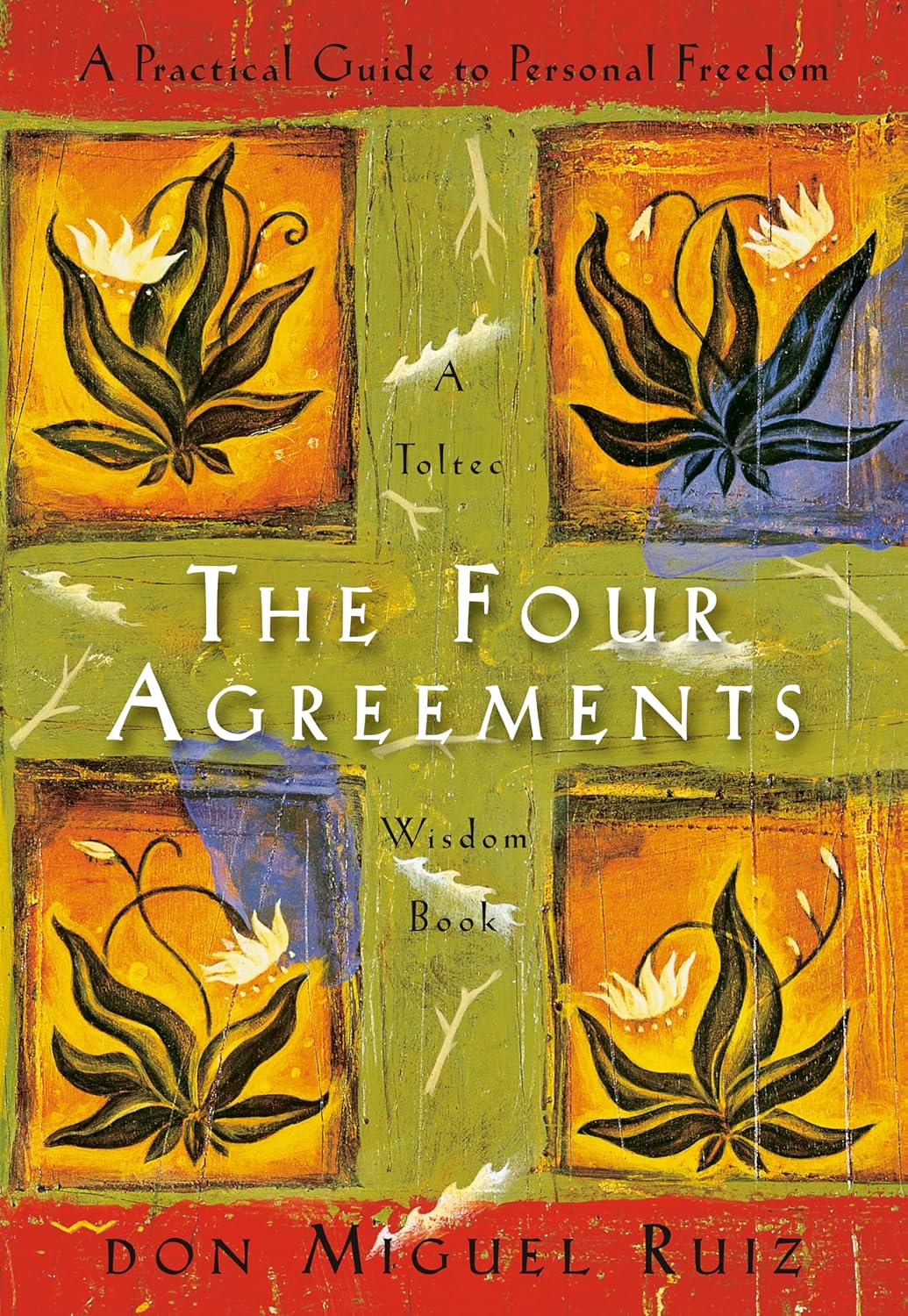
Don Miguel Ruiz
Another short, aphoristic spiritual book that has sold millions on the same shelf of accessible wisdom
Read Review
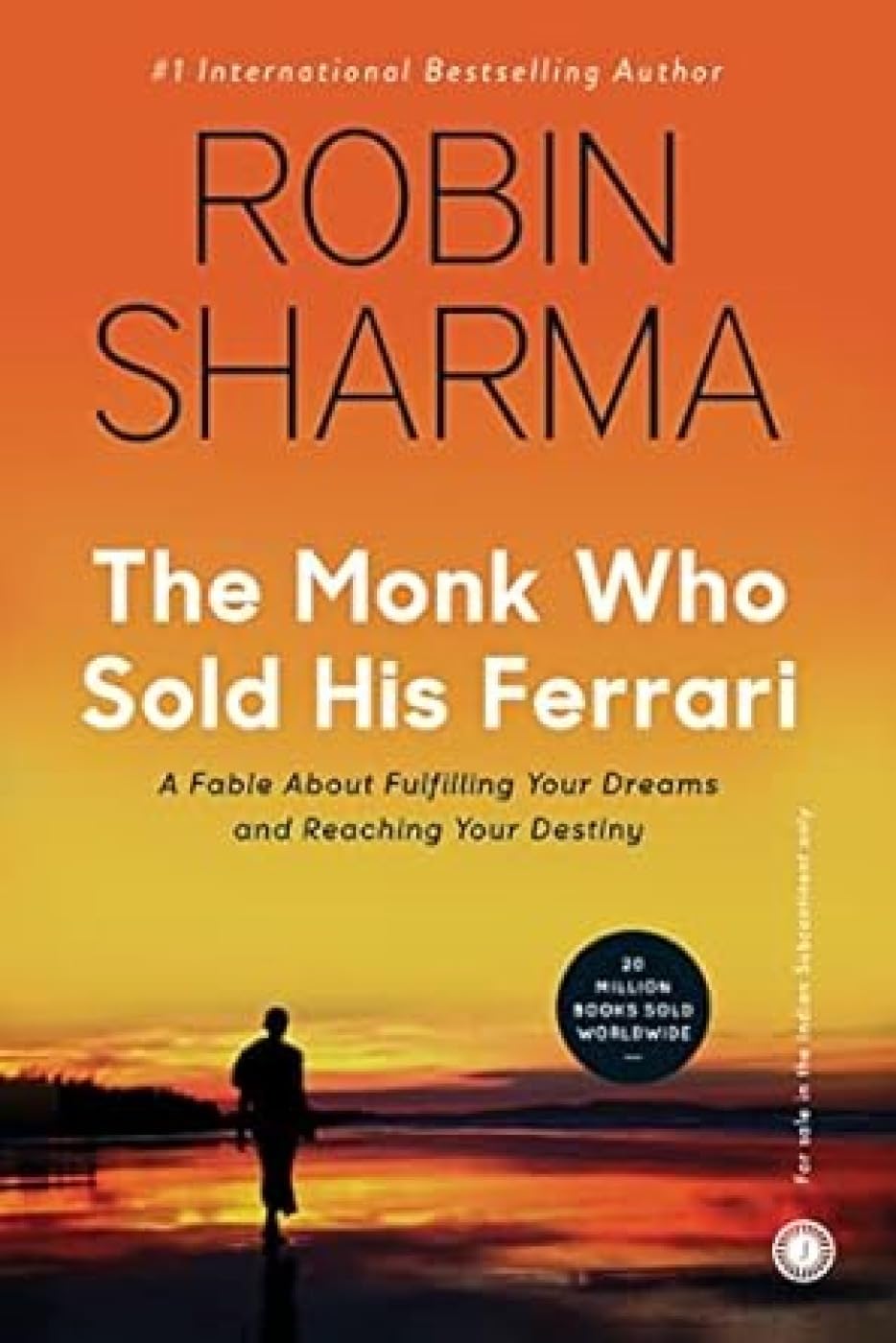
Robin Sharma
Same modern-parable formula — successful man drops it all to pursue his personal legend
Read Review

Becky Chambers
A modern fable about purpose and seeking — gentler and more grounded than Coelho but the same DNA
Read Review