





Book Review

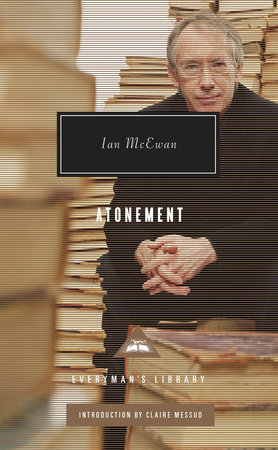
Hey everyone! Ian here! Welcome to our book review of Atonement by Ian McEwan. I first encountered Atonement through Joe Wright's 2007 film — stunning, a little devastating, beautifully cast with Keira Knightley and James McAvoy. But it was only after reading the book that I understood what McEwan was really doing. The movie gives you everything the book gives you except one thing — and that thing is the whole point. Atonement won the Booker Prize in 2001, and it is one of those novels that knows exactly what it is doing at every single sentence.
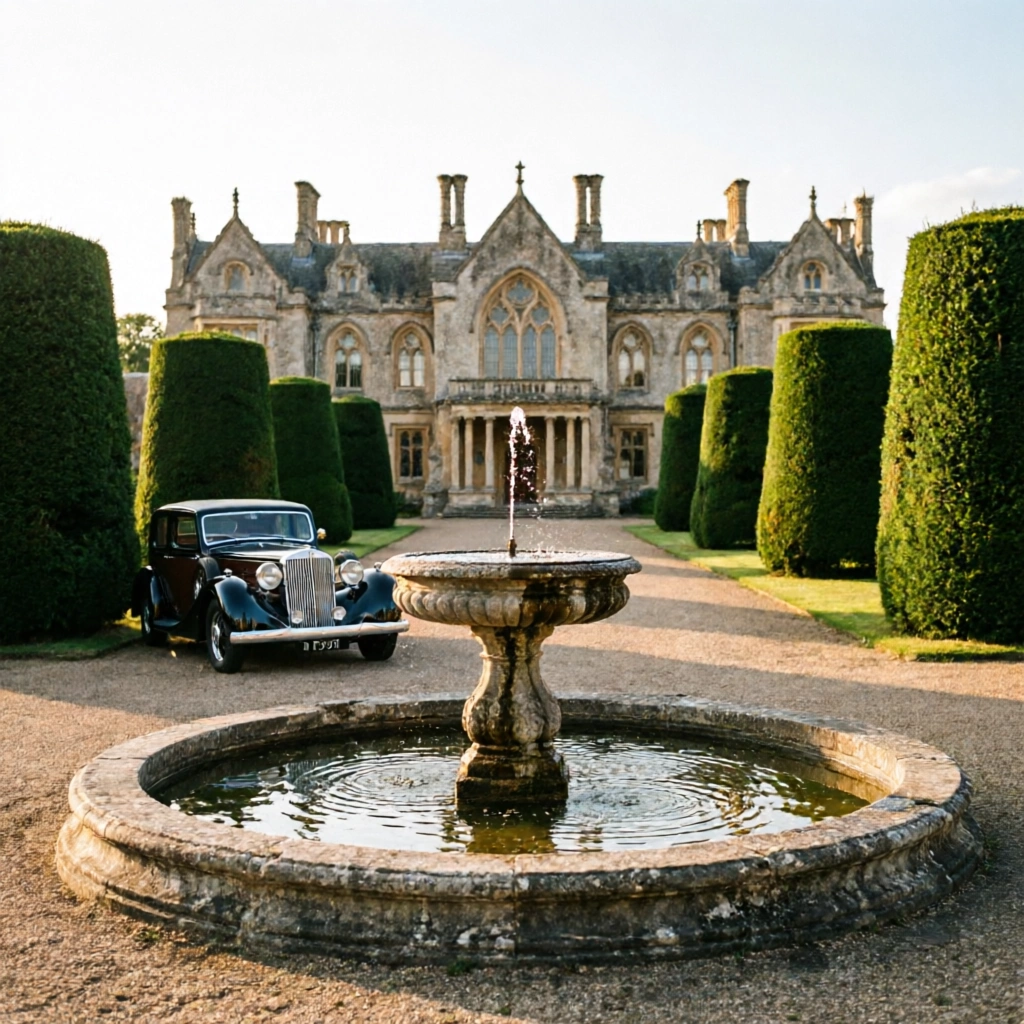
McEwan builds the novel in three distinct parts. Part One is set in 1935 at the Tallis family's estate in Surrey — a world of English privilege about to crack open. Cecilia Tallis and Robbie Turner grew up together, but Robbie is now the gardener's son, and class has put real distance between them. One scorching summer afternoon, a moment by the fountain between the two of them — complicated, charged, interrupted — is witnessed by thirteen-year-old Briony, an aspiring writer with a child's absolutism.


She sees something she cannot possibly understand, and she names it in the only language she has: the language of stories. She tells her mother what she saw. Robbie is arrested.
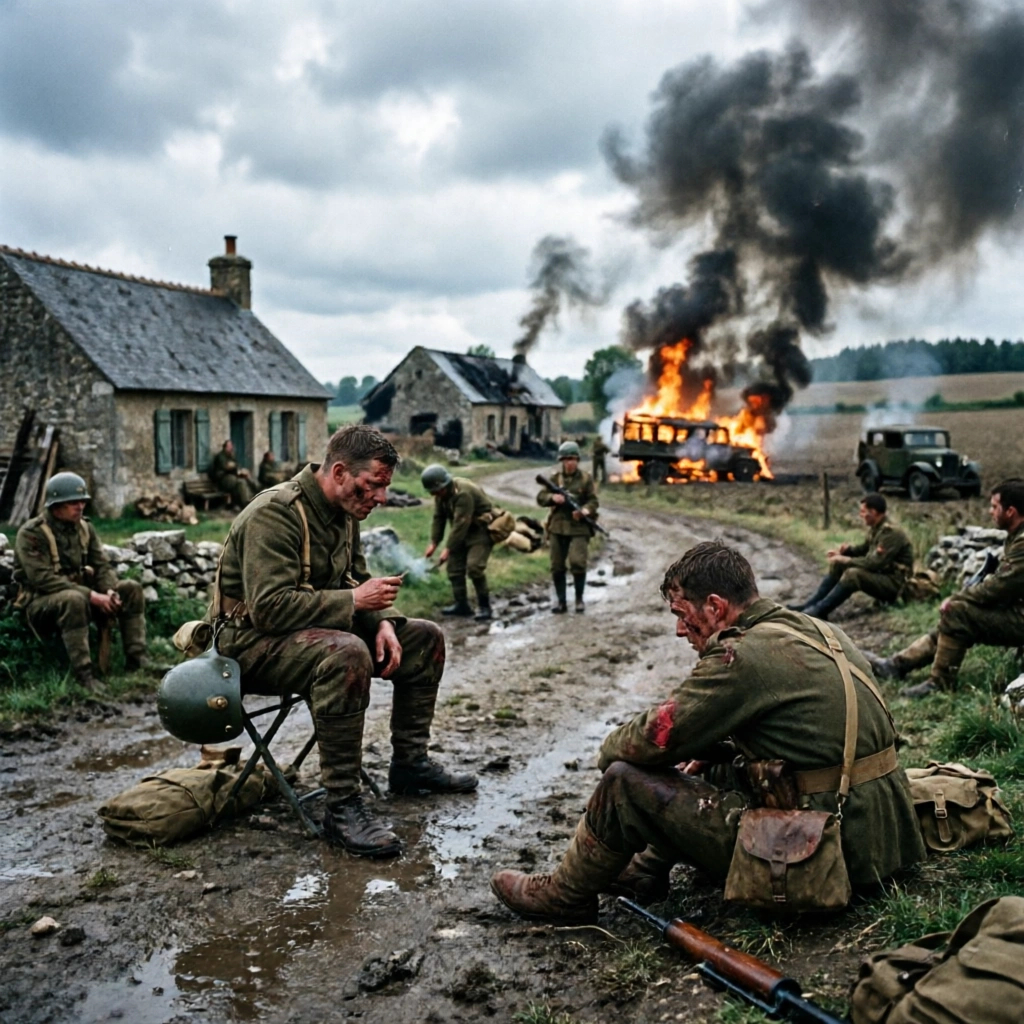
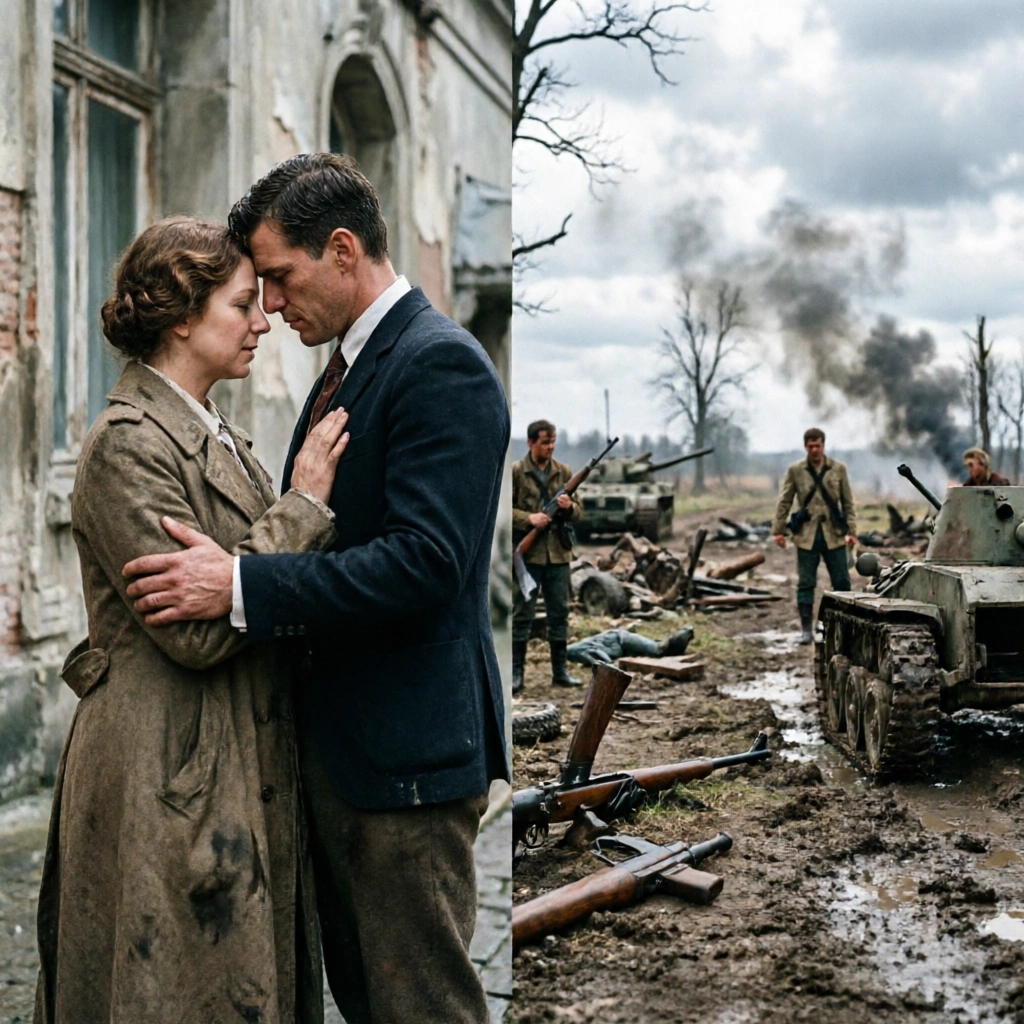
Part Two is the war. Robbie is released from prison, joins the army, and we follow him to the fall of France and the chaos of the Dunkirk evacuation. McEwan's prose here turns almost documentary — the heat, the flies, the dysentery, the slow collapse of everything. This section is harrowing in the best possible way, because we carry Robbie's innocence with him and we know what he lost because of a child's imagination. The news arrives: Cecilia has died in the London Blitz. Part Three is where McEwan pulls the rug out from under everything.


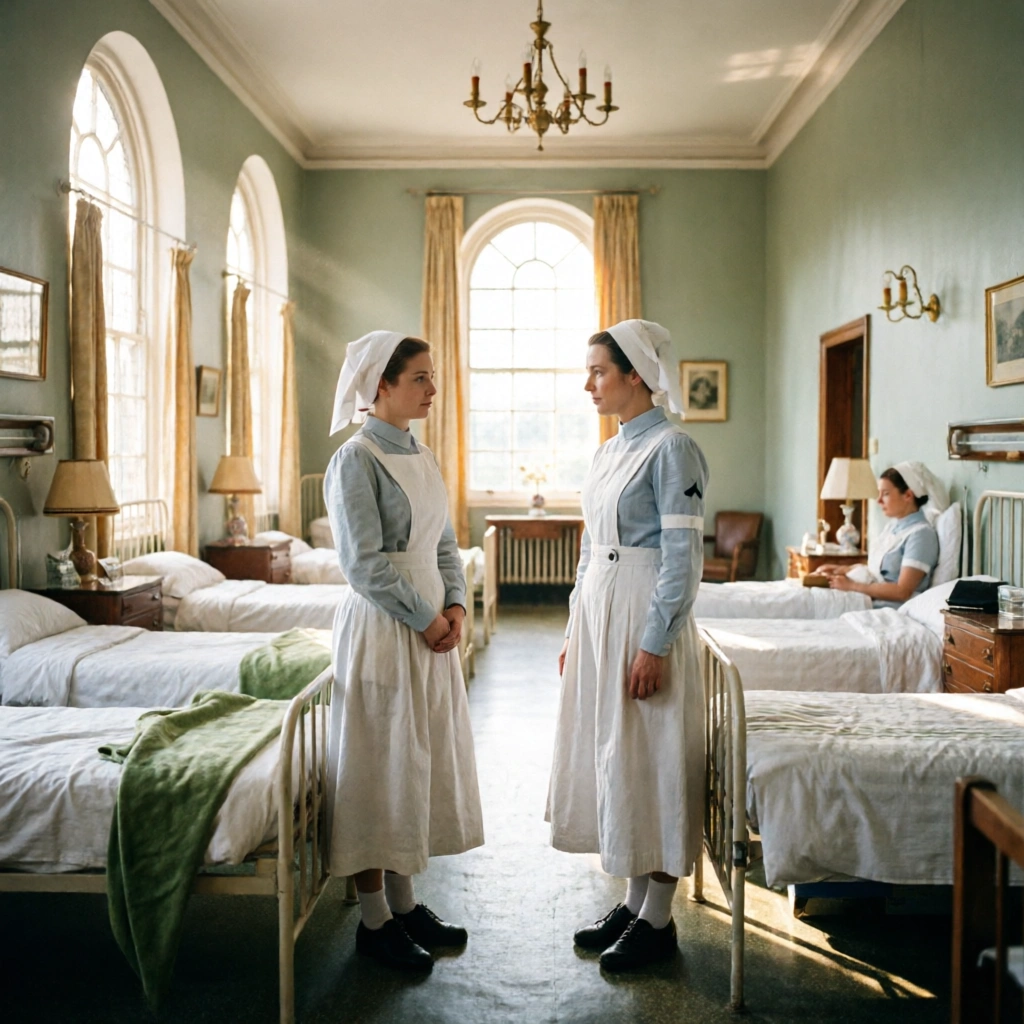
Briony has become a nurse — she's seen what the war does to bodies, and she's been carrying the weight of what she did. In a long late section set in a grand house being run as a nursing home, Briony — now elderly, terminally ill — meets with Robbie and Cecilia's sister and tells them the truth. A reconciliation begins. It is moving and earned and it seems, finally, that atonement might be possible.
Then McEwan's narrator breaks the fourth wall and tells you the last hundred pages are a fiction Briony wrote. Robbie died of sepsis at Dunkirk. Cecilia was killed in the first week of the Blitz. There was no reunion. There was no reconciliation. Briony invented it because she couldn't bear to write the ending that real life demanded.


This is the metafictional gut-punch the movie cannot give you. In the novel, you have already read the tender, beautiful reunion scene. You have already felt something ease. And then McEwan takes it back, and you realize you have been complicit in Briony's self-deception — which is of course exactly what reading is.
The novel's themes are guilt and its permanence, the unreliability of narrative perspective, and whether fiction can ever constitute genuine atonement — or whether it is always, finally, self-serving. There is also the question of time itself: memory, narrative, and the stories we tell ourselves to survive. McEwan writes: "I would like to have inflicted what I had suffered, and then to have been forgiven." That sentence — a child's furious wish and an adult's quiet devastation in the same breath — captures everything the novel is about.


On the page, the novel has another dimension beyond its ideas: McEwan's prose. His rendering of childhood consciousness in Part One — the way Briony experiences the world as pure narrative possibility, the way children mistake intensity for understanding — is precise and unsettling. The fountain scene between Cecilia and Robbie is one of the most electrifying passages in modern fiction. And McEwan's portrait of the 1935 British class system — its textures, its cruelties, its assumptions — is so fully inhabited it reads like memoir.
I want to be honest with you. The ending is controversial. Some readers find it a profound meditation on the ethics of fiction. Others find it a structural trick that lets McEwan have his emotional cake and eat it too — letting us feel the reconciliation before destroying it. Both responses are defensible.


I land somewhere in between: I think McEwan earns it, but only barely, and only because Briony's guilt is so real and so specific that the invented ending feels less like a trick and more like a cry from somewhere deep inside the novel's own consciousness.
Atonement is not an easy read. It asks you to be active, to be complicit, to feel the weight of a misinterpretation that echoes across decades. But it is one of those novels that repays everything you give it, and then some. If you have not read it: read it before you see the film. If you have seen the film: the book is worth a second visit. Thanks for watching, and happy reading!

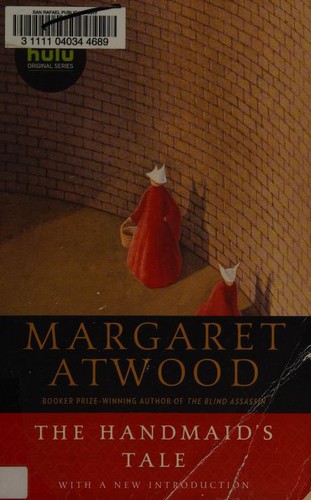
Margaret Atwood
Both novels weaponize unreliable narration and the devastating gap between a story told and the truth it conceals
Read Review
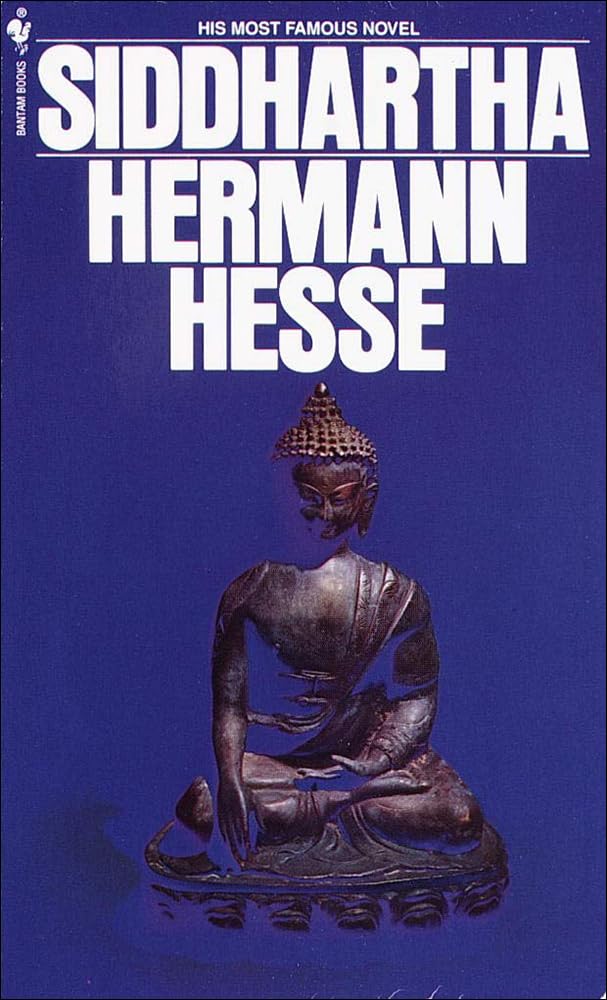
Hermann Hesse
Both protagonists seek atonement through suffering — one through literal war and artistic guilt, the other through decades of spiritual exile
Read Review
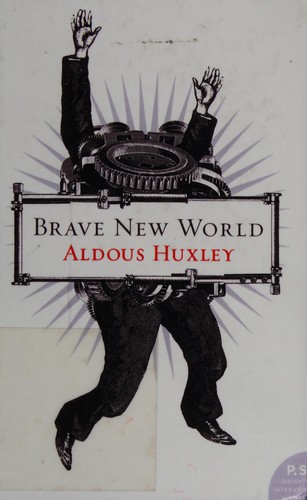
Aldous Huxley
Both novels use fiction as both subject and method — Brave New World builds its dystopia through narrative control; Atonement exposes the violence of a single false story
Read Review