← Back to Gallery
0 / 13
0:00 / 5:34
A Brief History Of Intelligence

A Brief History Of Intelligence

Book Review

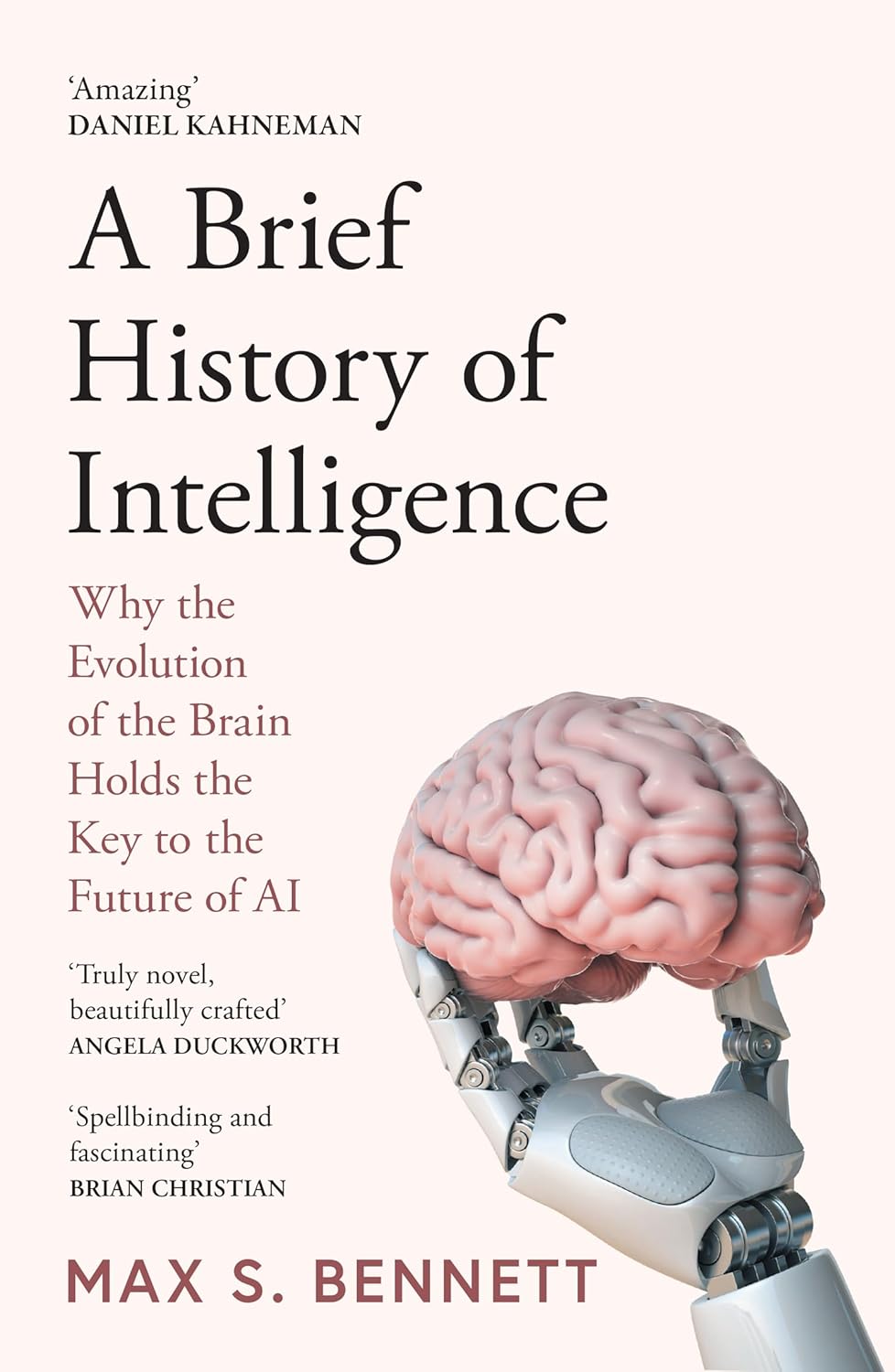
A Brief History of Intelligence

A Brief History of Intelligence

Hey everyone, Ian here. Today we're diving into 'A Brief History of Intelligence' by Max Bennett, a fascinating journey that traces the evolution of intelligence from its simplest beginnings in neurons all the way to modern artificial intelligence. This book brilliantly connects evolutionary biology with AI development, showing how our understanding of natural intelligence informs and inspires machine intelligence.

Origins of Nervous Systems

Let's start at the very beginning: the origin of nervous systems. Bennett explains that intelligence didn't start with complex brains but with basic neural networks in early multicellular organisms. These simple networks allowed organisms to respond to stimuli—moving toward nutrients or away from danger. This is where the story of intelligence begins: not with thought, but with basic signal processing that enhances survival.

Origins of Nervous Systems
Evolution of Neural Architectures

Evolution of Neural Architectures

From there, we see the evolution of increasingly sophisticated neural architectures. Early vertebrates developed spinal cords and rudimentary brains capable of reflexes and basic learning. Then came the emergence of the cerebral cortex in mammals—a wrinkled outer layer that enabled more complex processing, memory formation, and decision-making. This cortical expansion is crucial because it laid the groundwork for the kind of flexible, adaptive intelligence we see in primates and humans.

Key Evolutionary Milestones

Bennett highlights several key evolutionary milestones that shaped intelligence. First, the development of sensory systems—vision, hearing, touch—allowed organisms to build detailed internal models of their environment. Second, the evolution of motor control enabled purposeful movement and manipulation of objects. Third, the emergence of social intelligence: the ability to understand others' intentions, cooperate, and communicate. These three pillars—sensation, action, and sociality—co-evolved to create increasingly intelligent behaviors.
Key Evolutionary Milestones
Roadmap for Artificial Intelligence

Roadmap for Artificial Intelligence

Now, here's where it gets really interesting for AI enthusiasts. Bennett argues that understanding these evolutionary steps provides a roadmap for building artificial intelligence. Just as natural intelligence evolved through incremental improvements in neural architecture, we can design AI systems that incorporate similar principles. For example, convolutional neural networks in computer vision mimic the hierarchical processing of the visual system, while recurrent networks handle temporal sequences much like our motor control systems.

Brain Structures in AI

The book spends considerable time comparing specific brain structures to AI components. The hippocampus, critical for memory formation in mammals, has inspired architectures like LSTM networks and memory-augmented neural networks. The basal ganglia, involved in action selection and reinforcement learning, directly informs reinforcement learning algorithms used in deep learning. Even the cerebellum's role in motor coordination has parallels in how AI systems learn complex physical skills through simulation.

Brain Structures in AI
The Importance of Embodiment

The Importance of Embodiment

One of Bennett's most compelling points is about the importance of embodiment. Natural intelligence didn't evolve in isolation—it developed through constant interaction with a physical world. This challenges the purely computational view of AI and suggests that true intelligence might require some form of physical presence or sophisticated simulation of embodiment. This idea connects beautifully with developments in robotics and reinforcement learning where agents learn through interaction with virtual or real environments.

Evolution of Consciousness

Bennett also addresses the evolution of consciousness and self-awareness, topics often overlooked in technical AI discussions. He presents evidence that consciousness likely emerged gradually through specific neural adaptations, particularly those involving integrated information processing and predictive modeling of self and others. This has profound implications for AI safety and alignment—if we ever create conscious machines, we need to understand what that means ethically and practically.

Evolution of Consciousness
Future of Artificial General Intelligence

Future of Artificial General Intelligence

The book concludes by looking forward to artificial general intelligence. Bennett suggests that rather than trying to replicate human intelligence exactly, we should aim for complementary forms of intelligence that excel in areas where biological brains are limited—like processing vast datasets, performing complex simulations, or operating in extreme environments. This evolutionary perspective helps us see AI not as a replacement for natural intelligence but as a new branch on the tree of cognitive adaptation.

Bridging Biology and AI

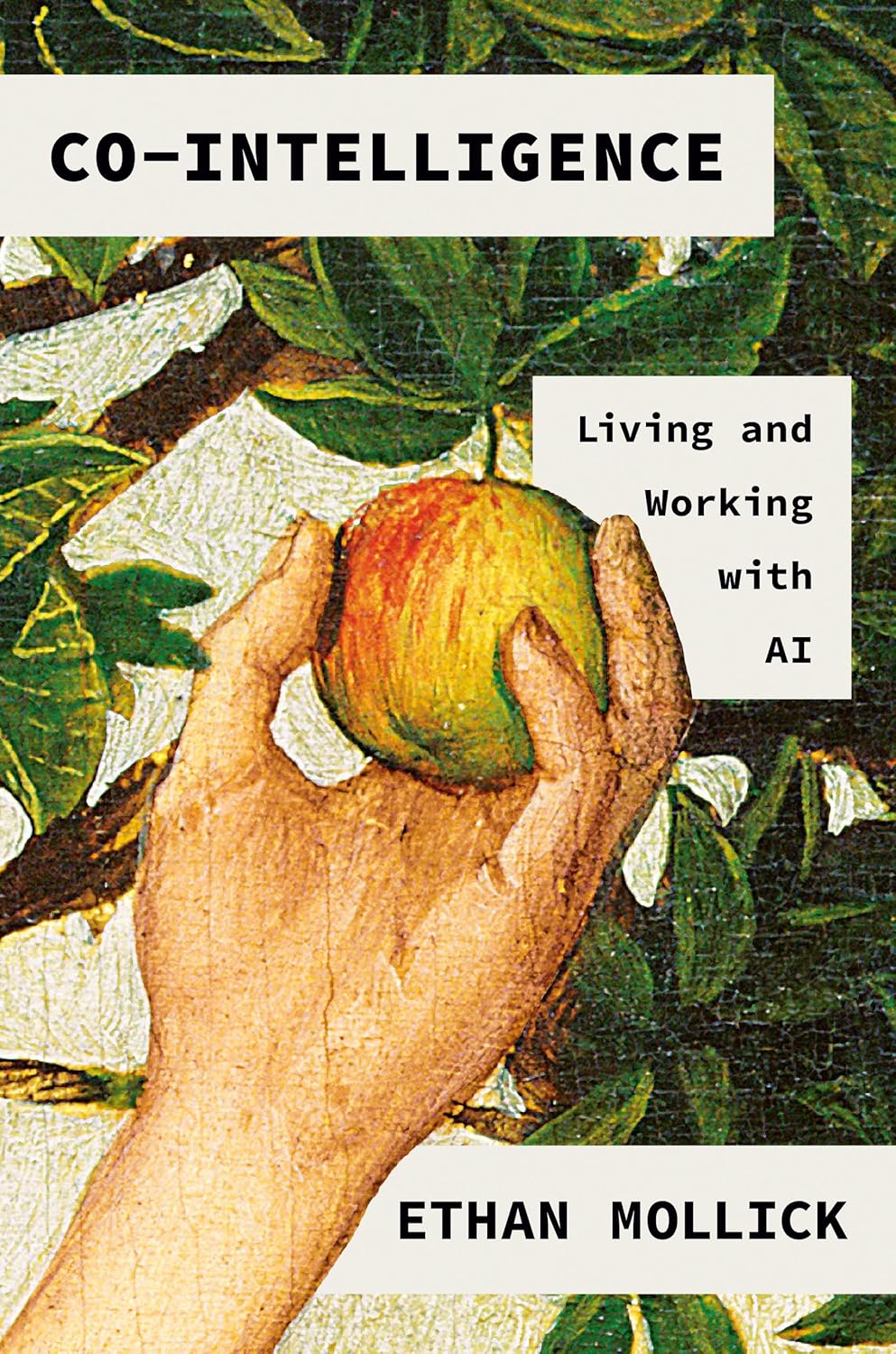
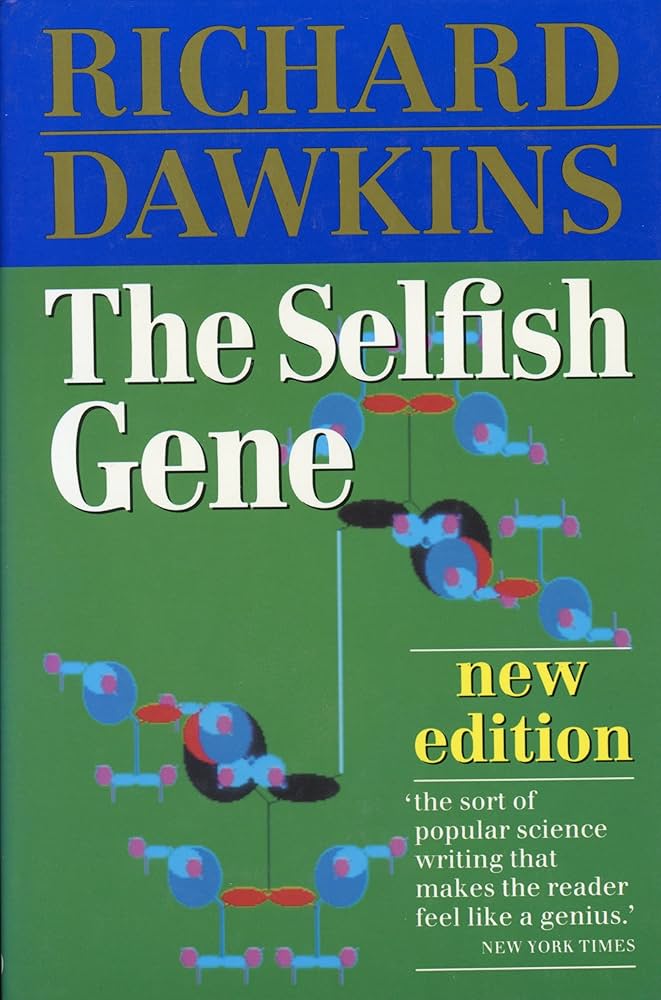
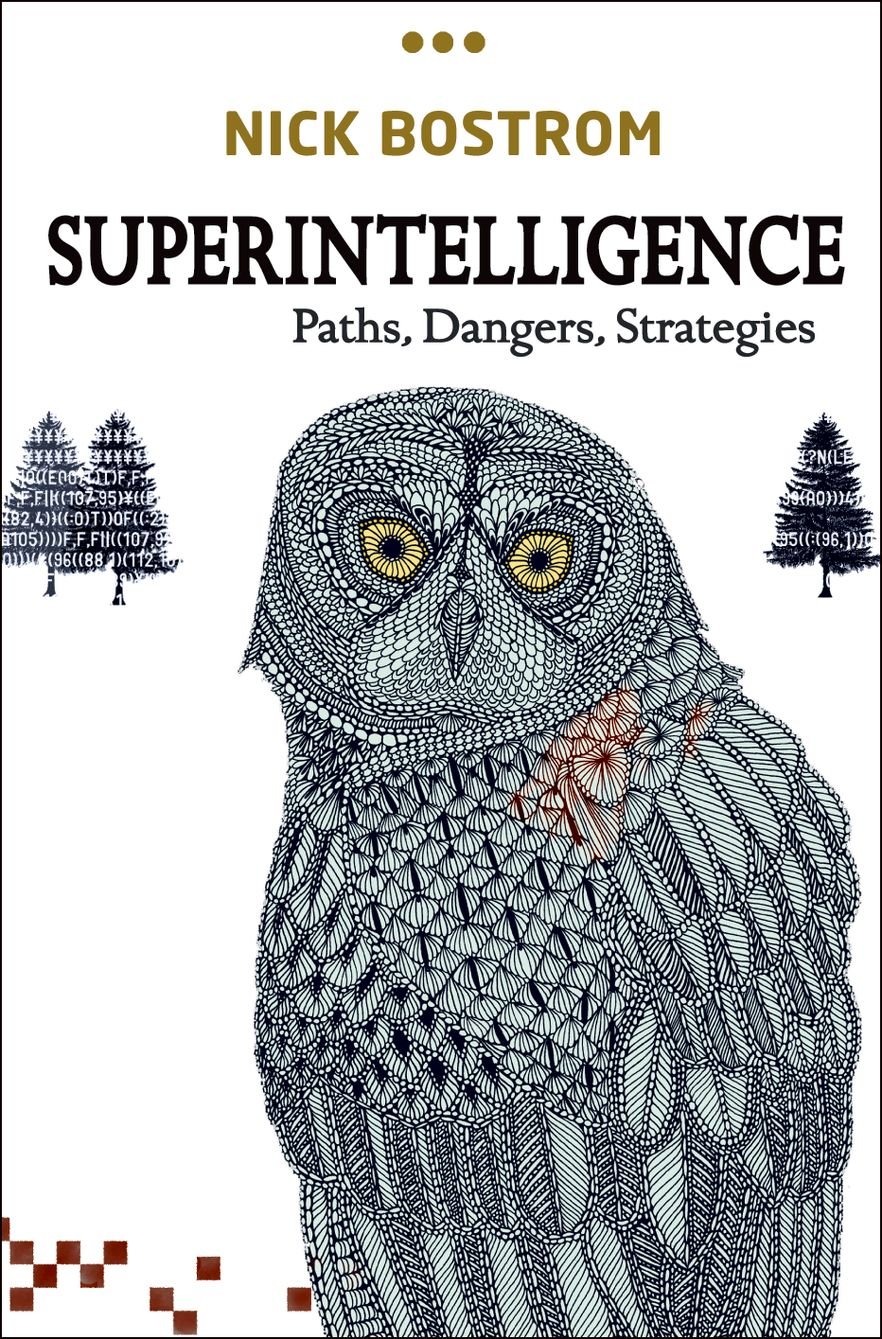
What makes this book particularly valuable for your existing collection is how it bridges your evolutionary biology titles like 'Endless Forms Most Beautiful' and works by Dawkins with your AI-focused books such as 'Superintelligence' and 'Co-Intelligence'. It provides the missing link showing how billions of years of neural evolution directly inform contemporary AI research.

Bridging Biology and AI
Visualizing the Evolutionary Timeline

Visualizing the Evolutionary Timeline

The potential for visuals here is enormous—imagine an evolutionary timeline showing neural complexity increasing from simple nerve nets to mammalian cortex, paralleled by milestones in AI development from perceptrons to transformers.

A Must-Read for Tech Enthusiasts

If you enjoyed books that connect deep time with modern technology, this is a must-read. It transforms how we see both natural and artificial intelligence—not as separate domains but as points on a continuum shaped by similar pressures of adaptation and problem-solving. Thanks for watching, and as always, let me know what you think in the comments below.

A Must-Read for Tech Enthusiasts

📚 You Might Also Like

Superintelligence

Superintelligence

Nick Bostrom

AI alignment and future risks

Read Review
Co-Intelligence

Co-Intelligence

Ethan Mollick

practical guide to working with AI

Read Review
Endless Forms Most Beautiful

Endless Forms Most Beautiful

Sean B. Carroll

evo-devo foundation of biological complexity

Read Review
The Selfish Gene

The Selfish Gene

Richard Dawkins

gene-centered view of evolution

Read Review

💬 Reader Thoughts

Email is required for anti-spam but can be fake if you prefer privacy.

Loading comments...