← Back to Gallery
0 / 16
0:00 / 6:26
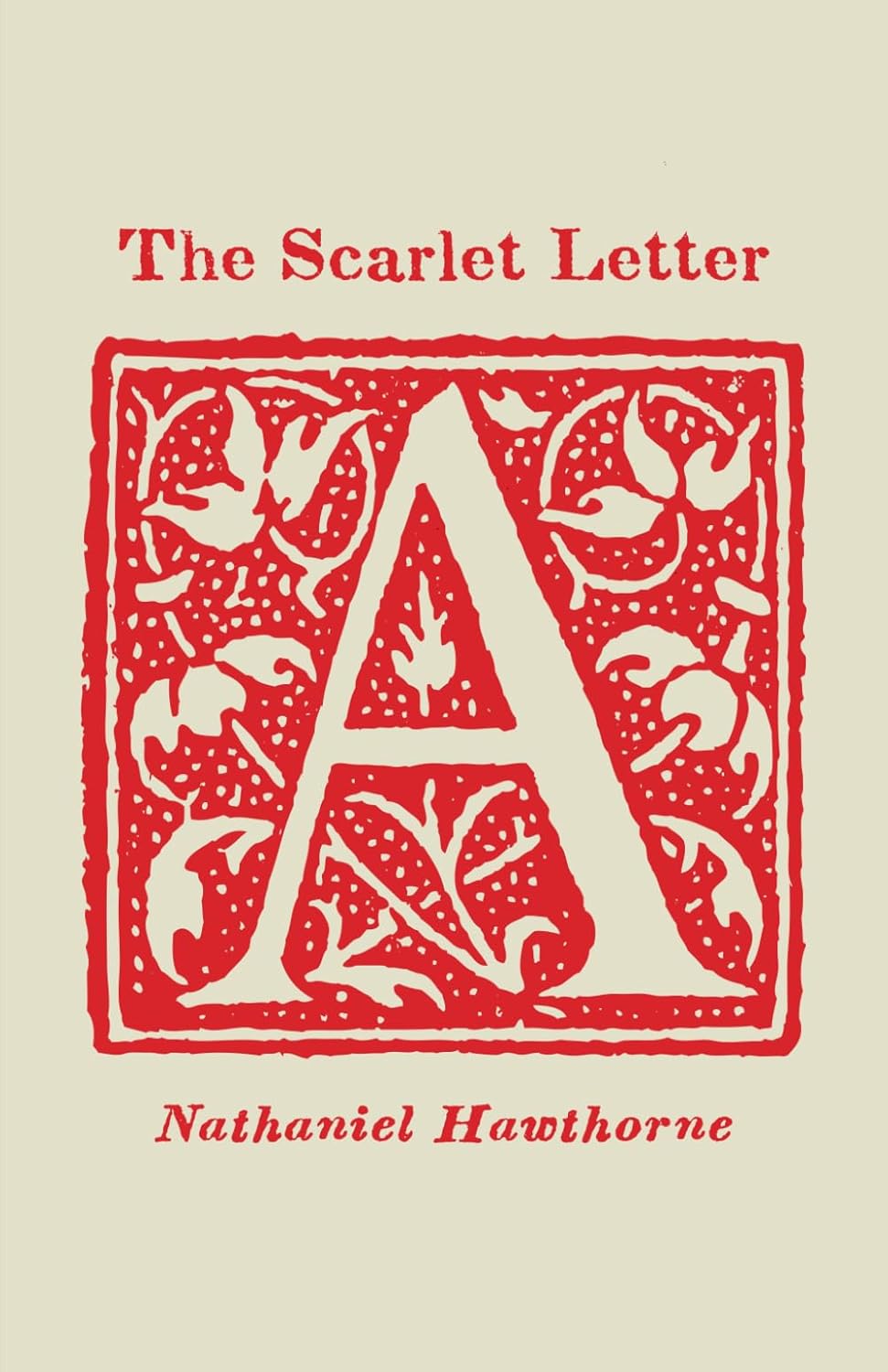
The Scarlet Letter

The Scarlet Letter

Book Review

Power Shame And Puritan Judgment

Power Shame And Puritan Judgment

Hey everyone! Ian here! Welcome to our book review. Today we're diving into one of the most powerful works of American literature ever written. It's a story about shame, secrecy, and the brutal weight of judgment in a society that claims to speak for God. It's The Scarlet Letter by Nathaniel Hawthorne, published in 1850. This is a novel that has haunted readers for over 170 years, and once you understand what Hawthorne is really doing, you'll never see it the same way again.

Hawthorne's Musical Prose Captivates

I had to read this book in high school and really loved the language and writing because it was so creative. Hawthorne's prose is almost musical. He doesn't just tell you what happens. He wraps every scene in atmosphere so thick you can feel the cold New England wind. The way he describes light, shadow, and color creates a mood that sinks into your bones. I remember being shocked that a book written in the 1850s could feel this alive.

Hawthorne's Musical Prose Captivates
Hester Prynne On The Scaffold

Hester Prynne On The Scaffold

So let's set the scene. The year is 1642, in the Puritan Massachusetts Bay Colony. A young woman named Hester Prynne stands on a scaffold in front of the entire town, holding her infant daughter, Pearl. She has been convicted of adultery. Her punishment is to wear a scarlet letter A on her chest for the rest of her life. But here's the twist. She refuses to name the father of her child. She takes the full weight of the shame alone. That silence is the engine that drives the entire novel.

Chillingworth Hunts The Father

The town is obsessed with finding out who the father is. Hester's husband, Roger Chillingworth, arrives in disguise and dedicates himself to discovering the secret. He is a physician, and he uses that position to get close to the local minister, Arthur Dimmesdale. What Chillingworth doesn't know yet is that Dimmesdale is the father. The minister is tormented by guilt but lacks the courage to confess publicly. He is adored by the community, seen as a saint, while Hester is branded as a sinner. The hypocrisy is the real crime of this story.

Chillingworth Hunts The Father
Disgrace Becomes Quiet Strength

Disgrace Becomes Quiet Strength

As the years pass, Hester transforms. She becomes a figure of quiet dignity. The scarlet letter, meant to destroy her, becomes something almost beautiful in the eyes of the people she helps. She is a skilled seamstress. She sews for the poor. She comforts the dying. The very symbol of her disgrace slowly becomes a symbol of her strength. Hawthorne gives us one of literature's most remarkable female characters, not because she is perfect, but because she endures.

Pearl The Supernatural Child

Pearl, her daughter, is one of the most fascinating children in all of fiction. She is wild, intuitive, and almost supernatural in her perception. She seems to sense the secrets that the adults hide. She is the living proof of Hester's sin, and yet she is also innocent. Her constant questions torment Dimmesdale. She is both a blessing and a punishment, and Hawthorne never lets us forget that complexity.

Pearl The Supernatural Child
Guilt Consumes Dimmesdale Alive

Guilt Consumes Dimmesdale Alive

Meanwhile, Dimmesdale's guilt consumes him. He fasts. He whips himself in secret. He hallucinates. His health collapses. Chillingworth, who has discovered the truth, becomes a parasite attached to the minister's guilt, feeding on his suffering. Chillingworth is not evil in a cartoonish way. He is a man destroyed by betrayal who has lost his humanity in pursuit of revenge. Hawthorne makes us understand him even as we recoil from him. Spoiler warning: I'm going to discuss the ending.

Confession Death And Reunion

The climax comes when Dimmesdale finally confesses. He stands on the same scaffold where Hester was shamed years earlier. He reveals the letter A carved into his own flesh. He dies in Hester's arms, finally free. Chillingworth dies soon after, his purpose gone. And Hester leaves Boston, only to return years later. When she dies, she is buried next to Dimmesdale. Their graves share a single tombstone with a scarlet letter A. The symbol that divided them in life unites them in death.

Confession Death And Reunion
Who Judges The Judges

Who Judges The Judges

The book delivers several powerful themes that still matter today. First, Hawthorne asks us to question who has the right to judge. The Puritan elders see themselves as God's representatives, yet their cruelty is far more sinful than Hester's love. The community that condemns her is filled with hypocrites who commit worse sins in secret. Hawthorne is not defending adultery. He is attacking the arrogance of people who use morality as a weapon.

Secrecy Destroys From Within

Second, the novel explores the destructive power of secrecy. Dimmesdale's hidden guilt literally kills him. The truth, however painful, sets people free. Secrets fester. Confession heals. This is a theme that resonates across every era and culture.

Secrecy Destroys From Within
Female Resilience Before Its Time

Female Resilience Before Its Time

Third, Hawthorne gives us a portrait of female resilience that was decades ahead of its time. Hester is not a victim. She is a survivor who reclaims her identity on her own terms. In an age when women had almost no legal rights, Hawthorne created a character who refuses to be defined by the men around her.

Nature Mirrors The Soul

Fourth, the writing itself is extraordinary. Hawthorne's descriptions of the natural world mirror the emotional landscape of his characters. The forest becomes a place of freedom and truth, while the town represents oppression and judgment. The rosebush outside the prison door, the meteor shaped like an A, the brook in the forest where Pearl plays. Every image is loaded with meaning. This is a novel that rewards close attention.

Nature Mirrors The Soul
Cancel Culture Is Ancient

Cancel Culture Is Ancient

Why does this book deserve your time? Because it is timeless. The forces that destroy Dimmesdale, the mob mentality that condemns Hester, the self-righteousness that masquerades as virtue, these are still with us. Social media has become the new scaffold. Cancel culture is the new scarlet letter. Hawthorne saw it all coming. He understood that human beings have a terrifying appetite for judging others, and that this appetite often hides our own insecurities.

Every Adult Must Read

This is not an easy read. Hawthorne's sentences are long and ornate. The pace is deliberate, not fast. But the rewards are immense. If you read this with patience, you will find a story that speaks to the deepest questions about identity, shame, redemption, and love. I honestly believe every adult should read this book at least once.

Every Adult Must Read
Read Slowly Question Deeply

Read Slowly Question Deeply

So do yourself a favor. Pick up The Scarlet Letter. Read it slowly. Let the language work on you. And ask yourself the question Hawthorne wants every reader to ask. Who are we really judging, and why? That's our review for today. Thanks for watching. Until next time, keep reading.

📚 You Might Also Like

1984

1984

George Orwell

Another portrait of a society where public shame and surveillance destroy human dignity

Read Review

To Kill a Mockingbird

To Kill a Mockingbird

Harper Lee

Small-town judgment and moral hypocrisy seen through a child's eyes

Read Review
The Handmaid's Tale

The Handmaid's Tale

Margaret Atwood

Religious extremism forces women to wear symbols of state-controlled shame

Read Review

Animal Farm

Animal Farm

George Orwell

Political hypocrisy and the corruption of ideals by those who wield power

Read Review

💬 Reader Thoughts

Email is required for anti-spam but can be fake if you prefer privacy.

Loading comments...