









← Back to Gallery
0 / 18
0:00 / 6:38
The Federalist Papers

The Federalist Papers

Book Review

Welcome To Publius

Welcome To Publius

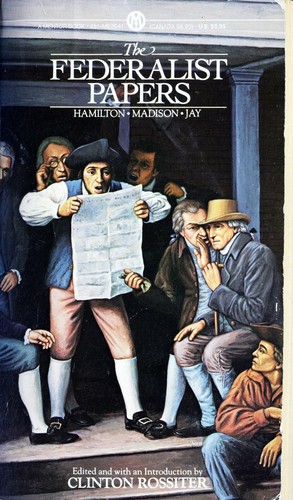
Hey everyone! Ian here! Welcome to our book review of The Federalist Papers, by Alexander Hamilton, James Madison, and John Jay. If you've ever wondered why the United States is structured the way it is, why we have a Senate and a House, why the President can veto Congress, why federal judges serve for life — the answers were laid out, in real time, by three men writing under a single Roman pseudonym, in a furious burst of newspaper columns published between October 1787 and August 1788.

Founding Behind The Founding

This is the founding document behind the founding document, and it still hits hard today.

Founding Behind The Founding
Hamilton Picks Up The Pen

Hamilton Picks Up The Pen

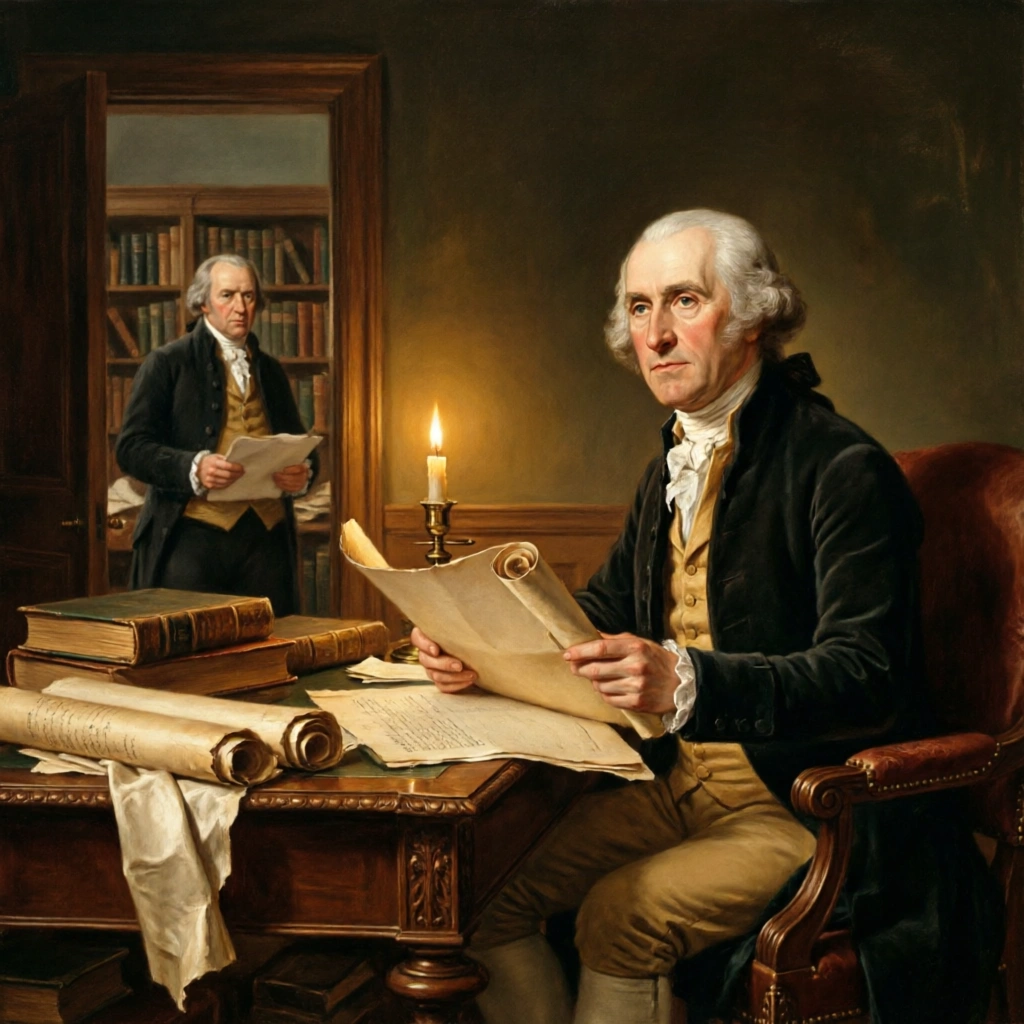
Let's talk about who wrote it and why. After the Constitutional Convention finished its work in Philadelphia in September of 1787, the proposed Constitution had to be ratified by at least nine of the thirteen states. New York was the political battleground. Anti-Federalists, who feared a strong central government would crush state sovereignty and individual liberty, were dominating the public debate. Hamilton, a thirty-two-year-old New York lawyer who had been at the Convention, decided to fight back in print.

Madison And Jay Join In

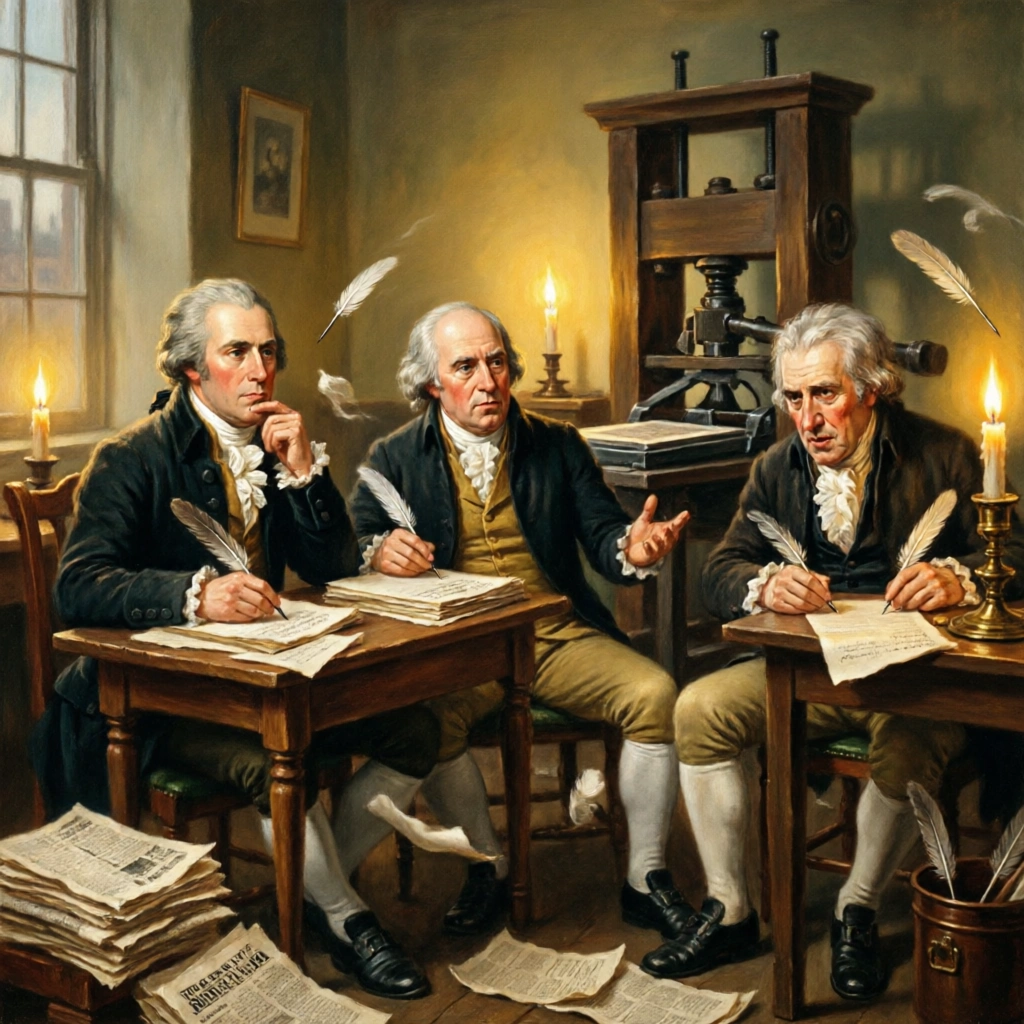
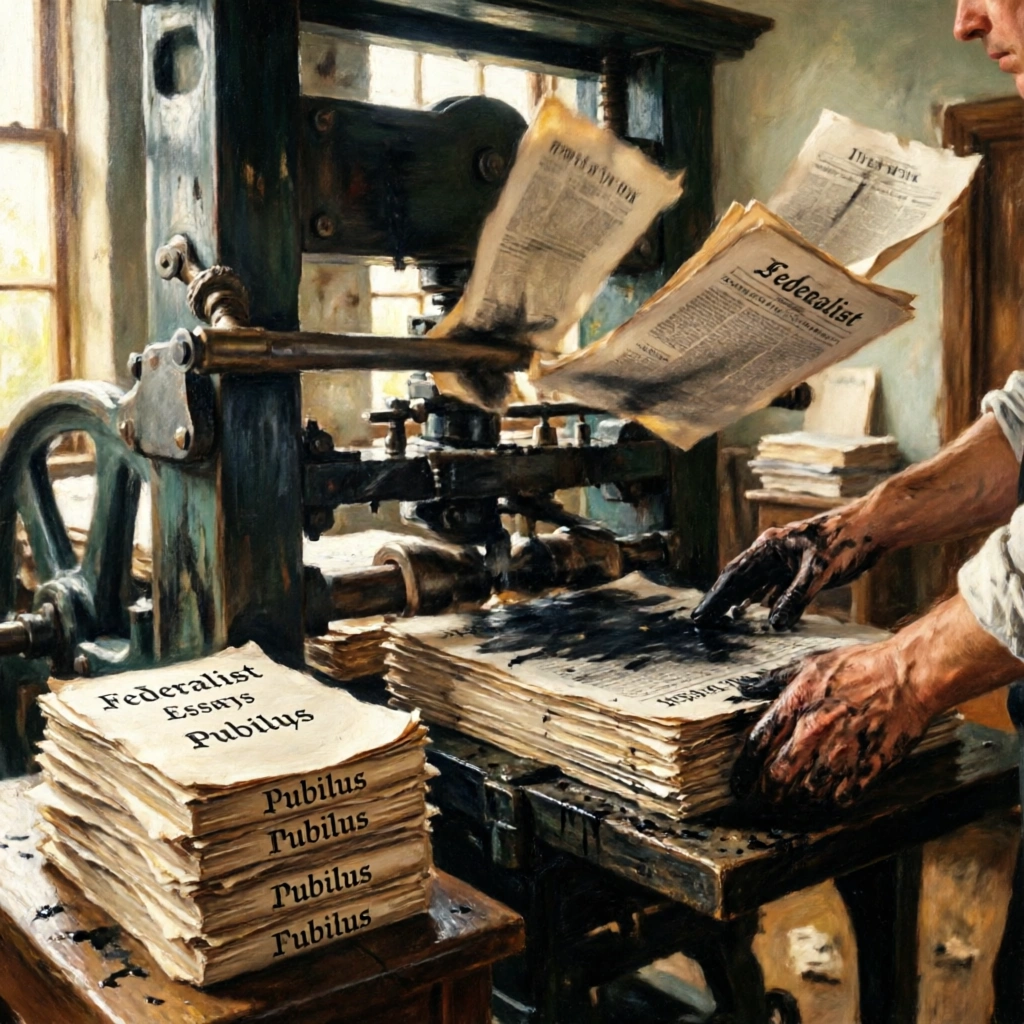
He recruited James Madison, the soft-spoken Virginian who had basically architected the Constitution itself, and John Jay, a respected New York diplomat. The three of them wrote eighty-five essays under the pen name Publius — a reference to a Roman consul who helped found the Republic. The essays ran in New York newspapers under brutal deadlines. Hamilton wrote fifty-one of them. Madison wrote twenty-nine. Jay, who fell ill early on, wrote only five. And here's the wild part: they often had less than a week to research, draft, and publish each one.

Madison And Jay Join In
Journalism As Political Combat

Journalism As Political Combat

This is journalism, philosophy, and political combat all at once.

The Case For Union

Now let me walk you through the argument. Publius is trying to do one thing: convince undecided readers that the proposed Constitution is necessary, that it's safe, and that it will actually work. The papers move through a logical structure. The early essays, mostly by Jay and Hamilton, argue for the necessity of Union itself — that thirteen squabbling states, or two or three regional confederacies, would be picked apart by European powers and would end up at war with each other. Federalist Number 2 through 8 hammers this home.

The Case For Union
Madison Takes The Lead

Madison Takes The Lead

Then comes the heart of the work: the famous middle essays where Madison takes the philosophical lead.

Federalist Ten And Faction

Federalist Number 10 is the single most important essay in American political theory. Madison's question is, how do you prevent a majority faction — a group united by passion or interest that's hostile to the rights of others — from tyrannizing everyone else? His answer turned conventional wisdom upside down. The standard view, going back to ancient writers, was that a republic could only survive if it was small and homogeneous. Madison argued the opposite. Extend the sphere, he wrote. Make the republic large.

Federalist Ten And Faction
Extend The Sphere

Extend The Sphere

The bigger and more diverse the country, the harder it is for any single faction to dominate, because competing interests will check each other. This is the intellectual foundation of pluralism. As Madison put it, the regulation of these various and interfering interests forms the principal task of modern legislation. That sentence is still doing work today.

If Men Were Angels

Federalist Number 51 builds on this. Here Madison gives us the line that still echoes through every civics class: If men were angels, no government would be necessary. He's arguing for the separation of powers and for checks and balances — ambition must be made to counteract ambition. Don't trust the rulers. Build the machine so that the rulers' own self-interest will police itself. Brilliant, and a little dark.

If Men Were Angels
Energetic Executive Strong Judiciary

Energetic Executive Strong Judiciary

Hamilton then takes the executive and judicial branches. He defends a strong, energetic president in Federalist 70 — energy in the executive is a leading character in the definition of good government, he writes. He defends the judiciary in Federalist 78, calling it the least dangerous branch because it has neither force nor will, but merely judgment. That essay also establishes the foundation for judicial review — the idea that courts can strike down laws that violate the Constitution.

Judicial Review And Bill Of Rights

Marbury versus Madison would lean directly on this fifteen years later. The later essays defend the taxing power, the militia, the structure of the Senate, the necessary and proper clause, and famously, in Federalist 84, Hamilton argues against the need for a Bill of Rights — a position that didn't age well, since the Bill of Rights was ratified just three years later. But his core point is interesting: he worried that enumerating specific rights would imply the government had power over anything not listed.

Judicial Review And Bill Of Rights
Six Foundational Takeaways

Six Foundational Takeaways

So what are the big takeaways? First, government is necessary because human nature isn't angelic. Second, power must be divided and made to check itself. Third, a large, commercial, diverse republic is more stable than a small, homogeneous one. Fourth, an energetic executive is not the enemy of liberty — a weak, paralyzed government is. Fifth, the judiciary is the guardian of the Constitution itself. And sixth, ratification of this Constitution is not a leap of faith — it's a reasoned, deliberate choice.

Reading The Source Material

I picked this up because I wanted to read the source material instead of relying on hot takes about what the founders thought. And honestly, what struck me most is how modest and arguable the founders actually sound. They aren't presenting the Constitution as perfect. They keep saying things like, this is the best we could do, this is what reason and experience suggest, here is what could go wrong and here is why we think it won't. They argue. They concede points. They worry.

Reading The Source Material
Three Exhausted Men Arguing

Three Exhausted Men Arguing

Reading Publius is the opposite of reading a sacred text — it's reading three smart, exhausted men trying to win an election.

Why Read It Today

Why does this book deserve your time? Because every fight in American politics right now — about executive power, about the Supreme Court, about the role of states, about whether the system is rigged for or against the majority — is a fight Publius already had. The vocabulary is here. The arguments are here. Whether you agree with the founders or want to push back on them, you cannot have an informed opinion on American government without engaging this text.

Why Read It Today
Where To Start Reading

Where To Start Reading

The Library of America edition, or the Clinton Rossiter edition with its excellent introduction, are the standard ways in. Read Number 10, Number 51, Number 70, and Number 78 first. They are the load-bearing essays. Thanks for watching, and happy reading!

📚 You Might Also Like
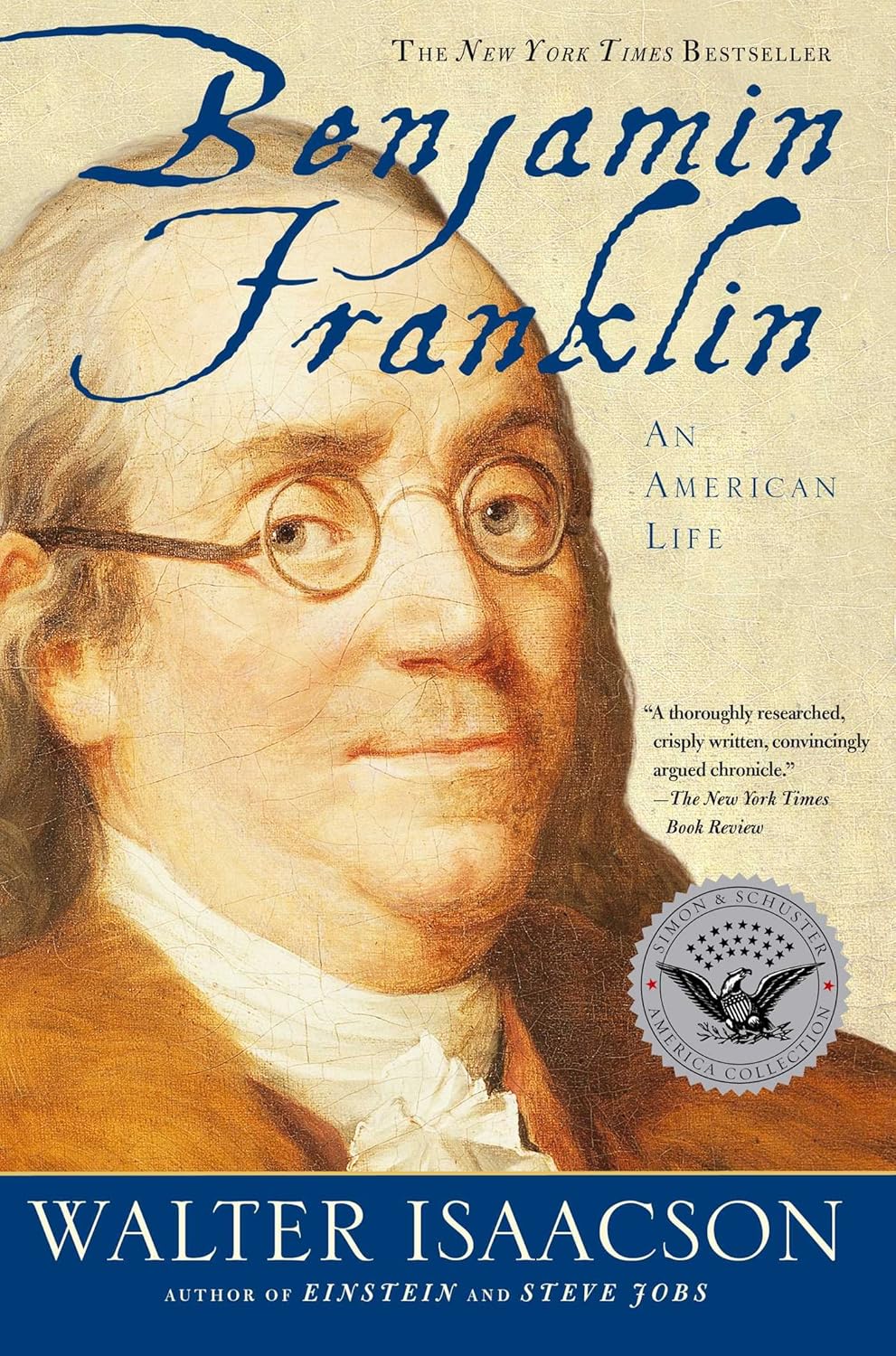
Benjamin Franklin: An American Life

Benjamin Franklin: An American Life

Walter Isaacson

The pragmatic founder who shaped the same era and ideals

Read Review
1984

1984

George Orwell

What happens when checks on government power fail completely

Read Review
Animal Farm

Animal Farm

George Orwell

A cautionary fable about majority faction and revolutionary tyranny

Read Review
The Parasitic Mind

The Parasitic Mind

Gad Saad

A modern argument about ideas, liberty, and self-governance

Read Review

💬 Reader Thoughts

Email is required for anti-spam but can be fake if you prefer privacy.

Loading comments...