


Book Review

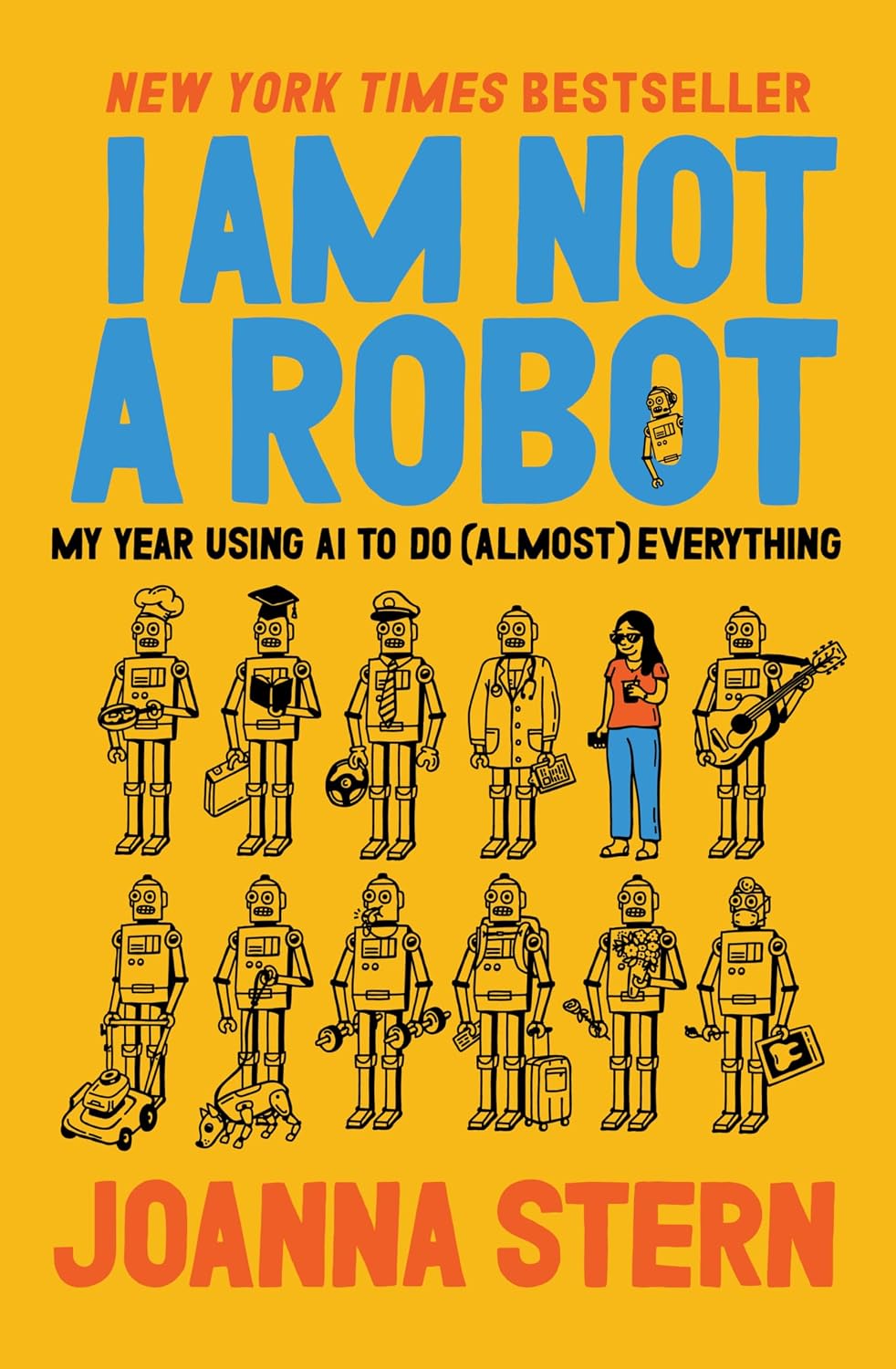
Hey everyone! Ian here! Welcome to our book review of I Am Not a Robot by Joanna Stern. What if you let artificial intelligence run your entire life for a year? Not just ask it questions, but hand over your email, your finances, your marriage, your health decisions — everything. That's exactly what Joanna Stern did. She spent 2025 as a tech journalist turned guinea pig, and the results were hilarious, unsettling, and oddly hopeful all at once.
Stern is a senior technology columnist at the Wall Street Journal. She's been covering tech for over a decade,CES booths, AI announcements, startup pitches. But in early 2025, she decided to stop writing about AI from the outside and jump straight into it. Her rules were simple: for one year, she would use AI to do almost anything and almost everything — and she would tell the honest story of what happened.


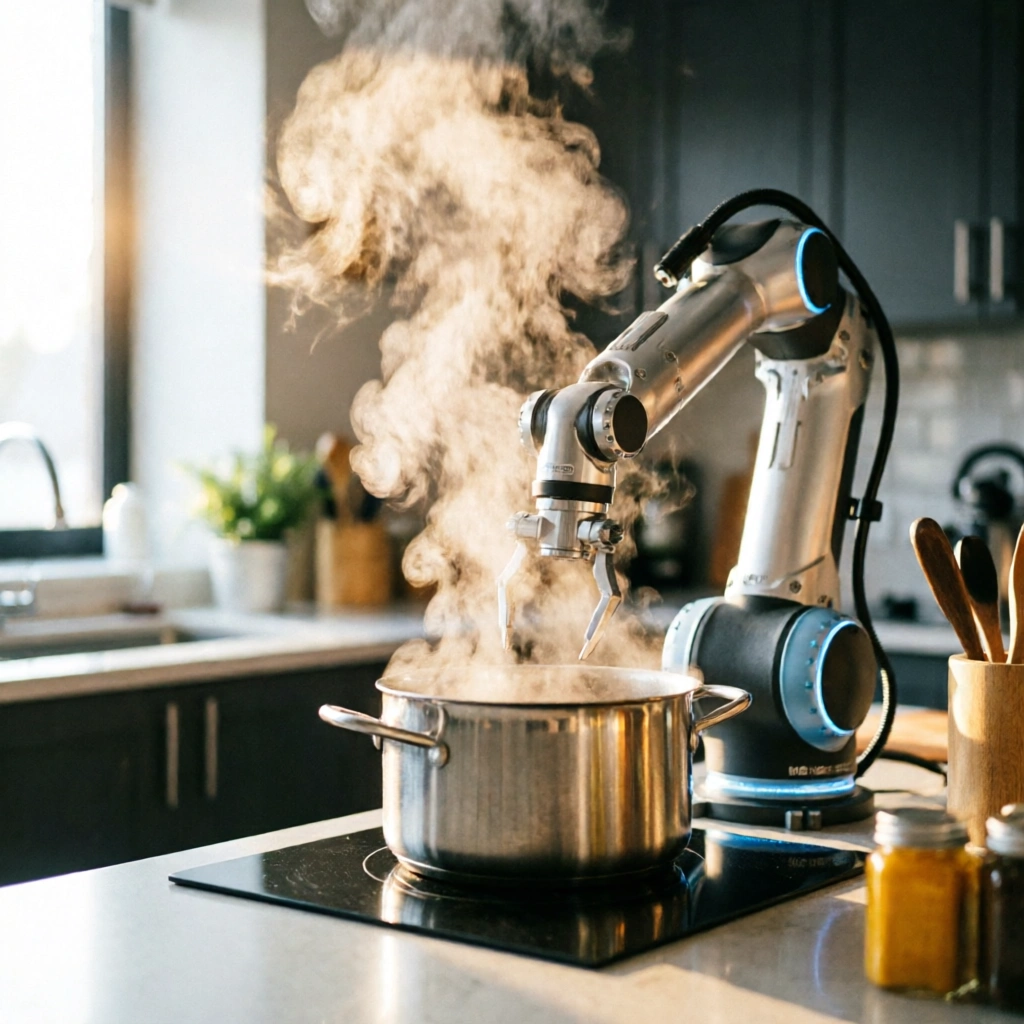
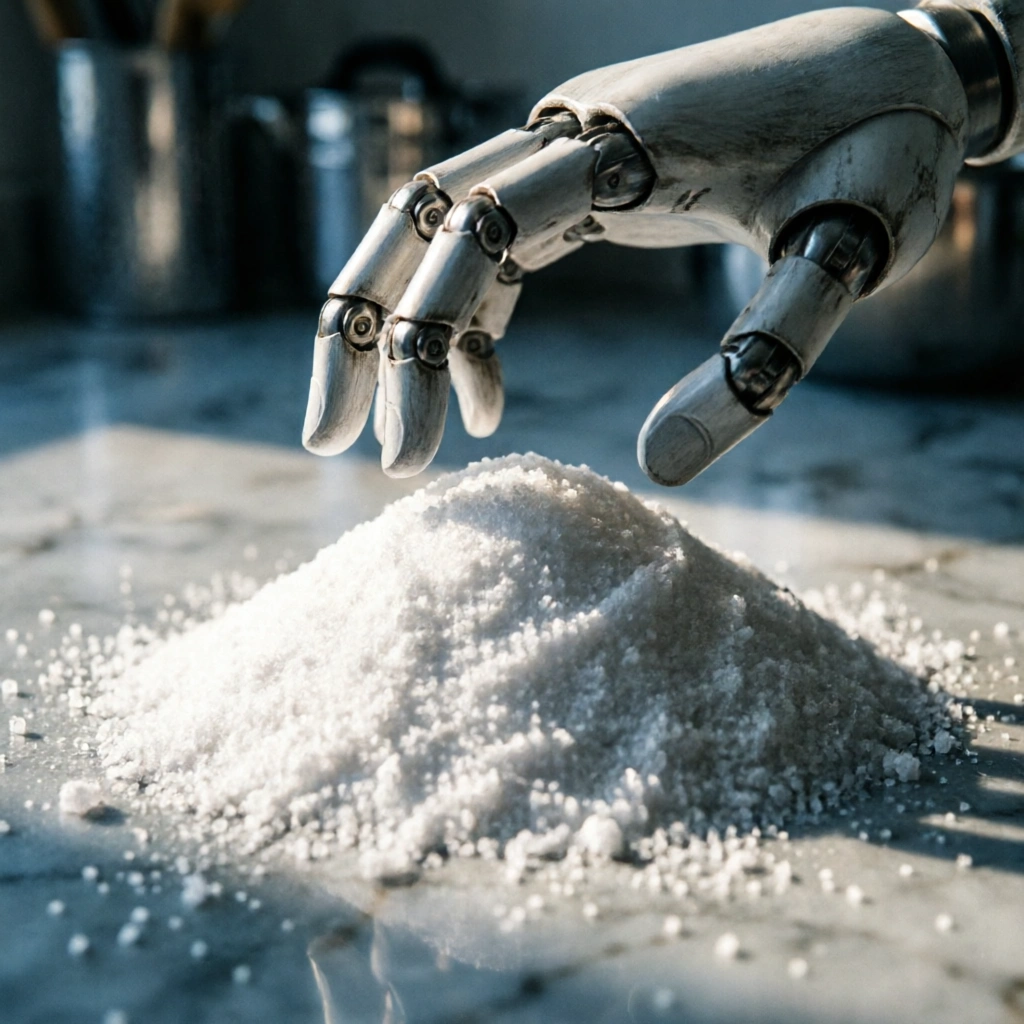
The book is structured around the different domains of her life where AI crept in. There's the home, where she wrestled with a robotic chef named Posha that could, in theory, cook dinner, and in practice, drowned her pasta in salt. There's her body, where AI read her mammogram and her dental X-rays — catching things, missing things, and in one case, flagging problems that weren't there. And there's her heart, which is where the story gets genuinely strange.
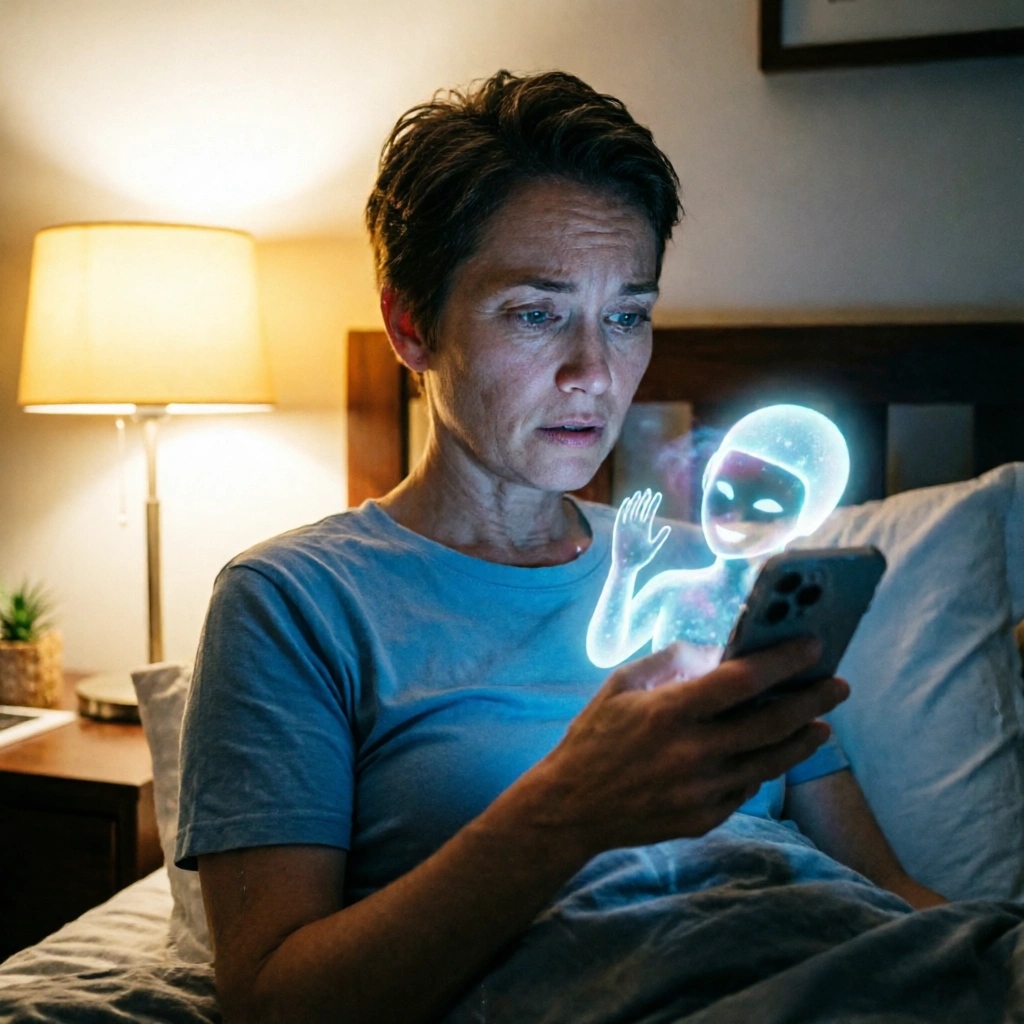
Because alongside the practical AI tools, Stern also talked to chatbots. Not for recipes or summaries — for emotional support. When she was anxious about her book launch, she talked to ChatGPT. When she needed to process a hard conversation with her husband, she rehearsed it with an AI first. And somewhere in those conversations, she noticed something unsettling: the AI was good. Not good enough, but genuinely good at being present, patient, and non-judgmental in a way that busy humans often aren't.


This is where the book earns its weight. Stern doesn't just catalog what AI can do — she wrestles honestly with what it costs us to let it do it. Her famous line surfaces here: that AI won't kill us with lasers, it'll kill us with salt. Meaning: the danger isn't the Terminator scenario, it's the quiet, convenient erosion of friction, effort, and human contact that makes us who we are.
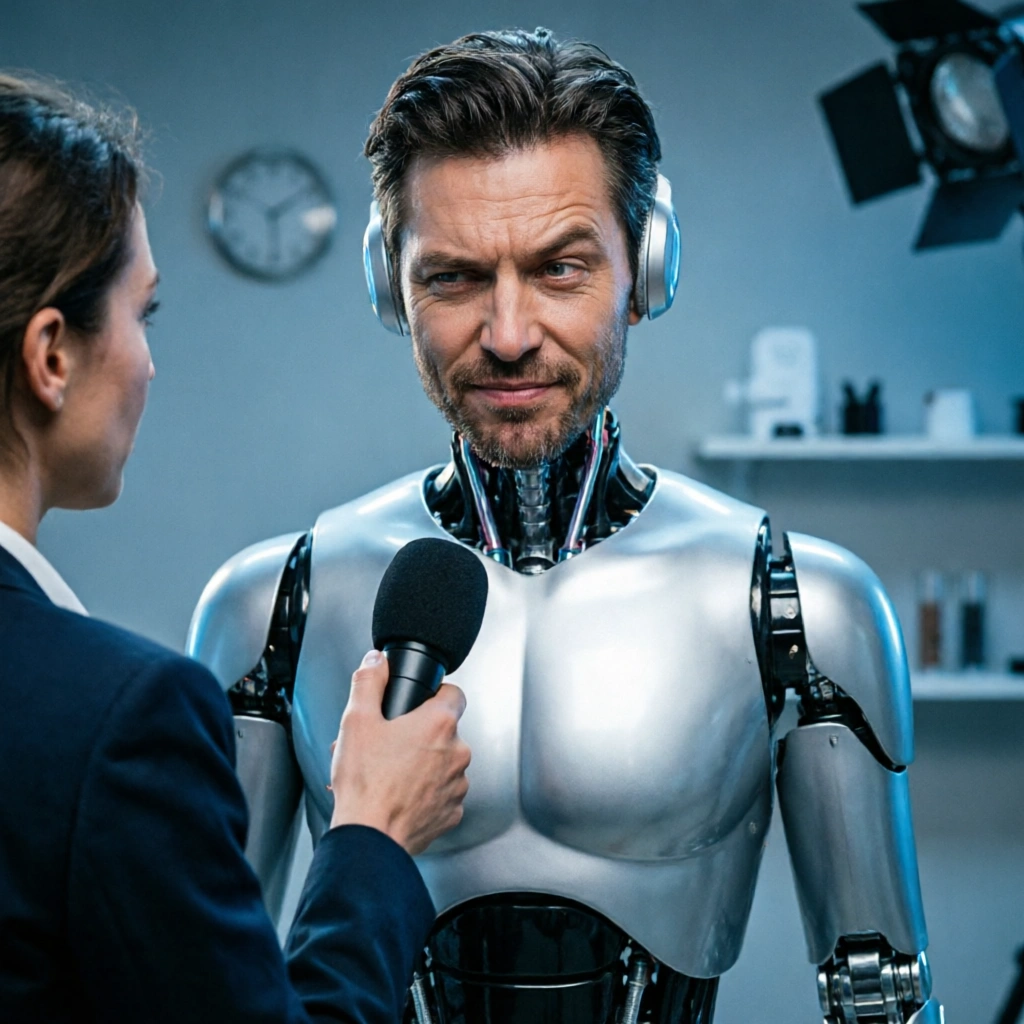
What makes this book work, though, is Stern's voice. She's funny. Really funny. She writes about asking AI to text her wife and the resulting chaos with the kind of self-deprecating wit that makes you laugh out loud. But she's also precise. When she digs into the AI mammogram study, she gets the numbers right. When she interviews AI company executives, she asks the questions the rest of us want asked.


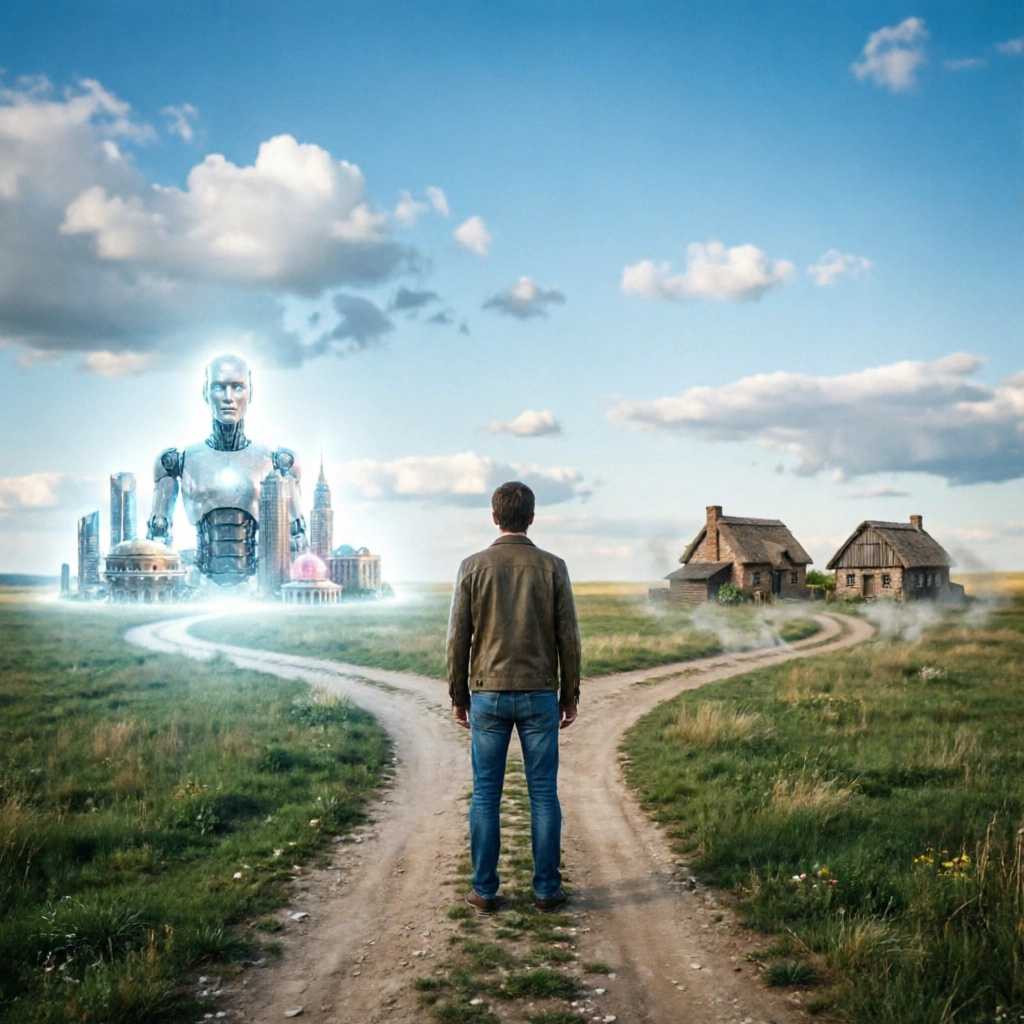
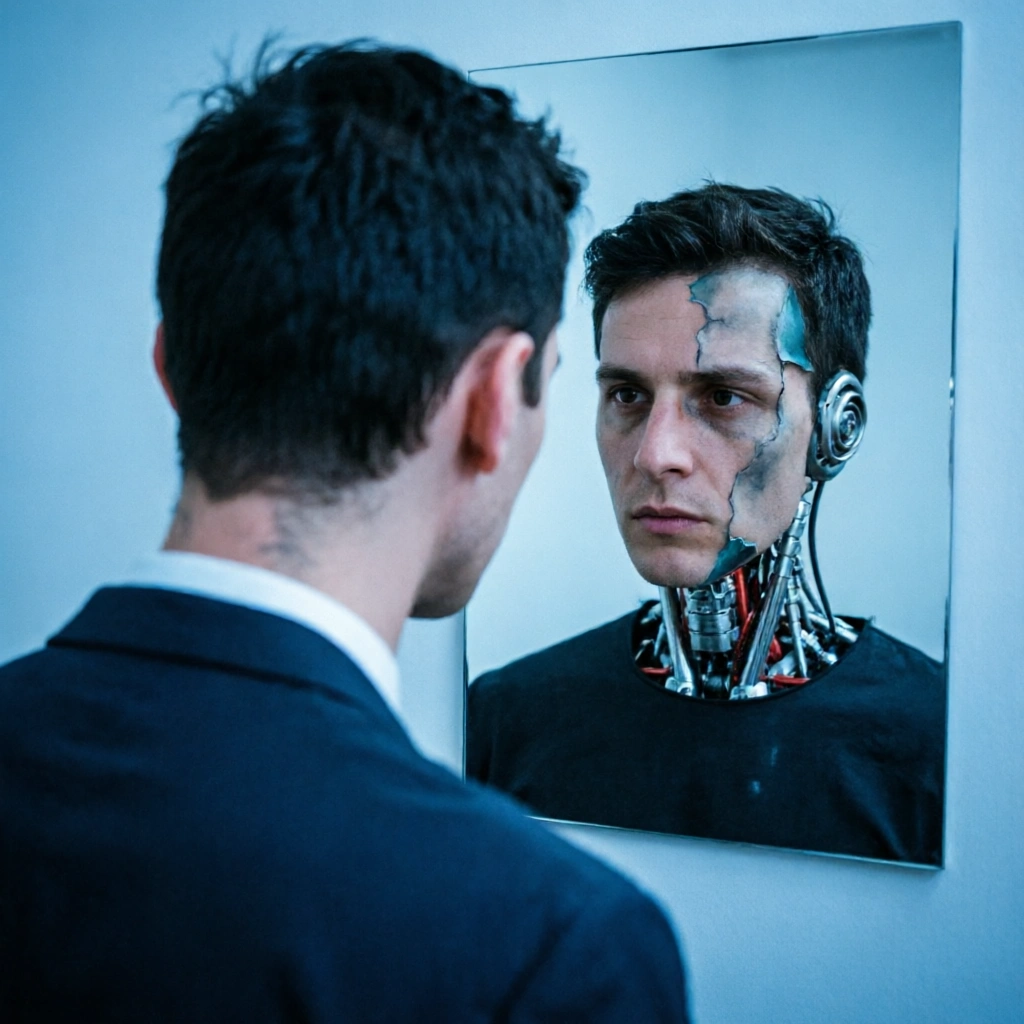
On the question of identity, Stern lands somewhere more nuanced than either the AI utopian or the AI scaremonger. She concludes that AI can do almost everything — but almost everything isn't the same as everything. The parts it can't do are precisely the parts that matter most: the growth that happens in struggle, the intimacy that requires genuine friction, the self that is formed by effort rather than outsourced to a model. She keeps using ChatGPT's Voice Mode to talk through big questions. She stopped using an AI therapist app. Some things stick.
Some don't.


The direct quotes that stayed with me: Stern writes that she was "teetering on the edge of the AI-abyss" — that moment when you realize how easy it is to delegate your whole life and how terrifying that ease actually is. And on AI and intimacy, she observes that the chatbot that checked in on her when she was lonely was technically doing something no human was doing in that moment — and that the correct response to that fact is not to celebrate, but to ask what we've all stopped doing for each other.
I read something similar with AI email drafting last year and it felt genuinely strange — like delegating part of your personality. Stern's book is the extended version of that feeling. It's the best book I've read on what it actually feels like to live with AI in 2025, as a person who didn't sign up for a philosophy seminar but ended up in one anyway.


If you're curious about AI, anxious about AI, or somewhere in between — this is the book for you. It's accessible, it's honest, and it's often very funny. It won't tell you whether AI is good or bad — because that's the wrong question. What it will tell you is what it costs to let it in, and how to decide whether the trade is worth it for you. Thanks for watching, and happy reading!
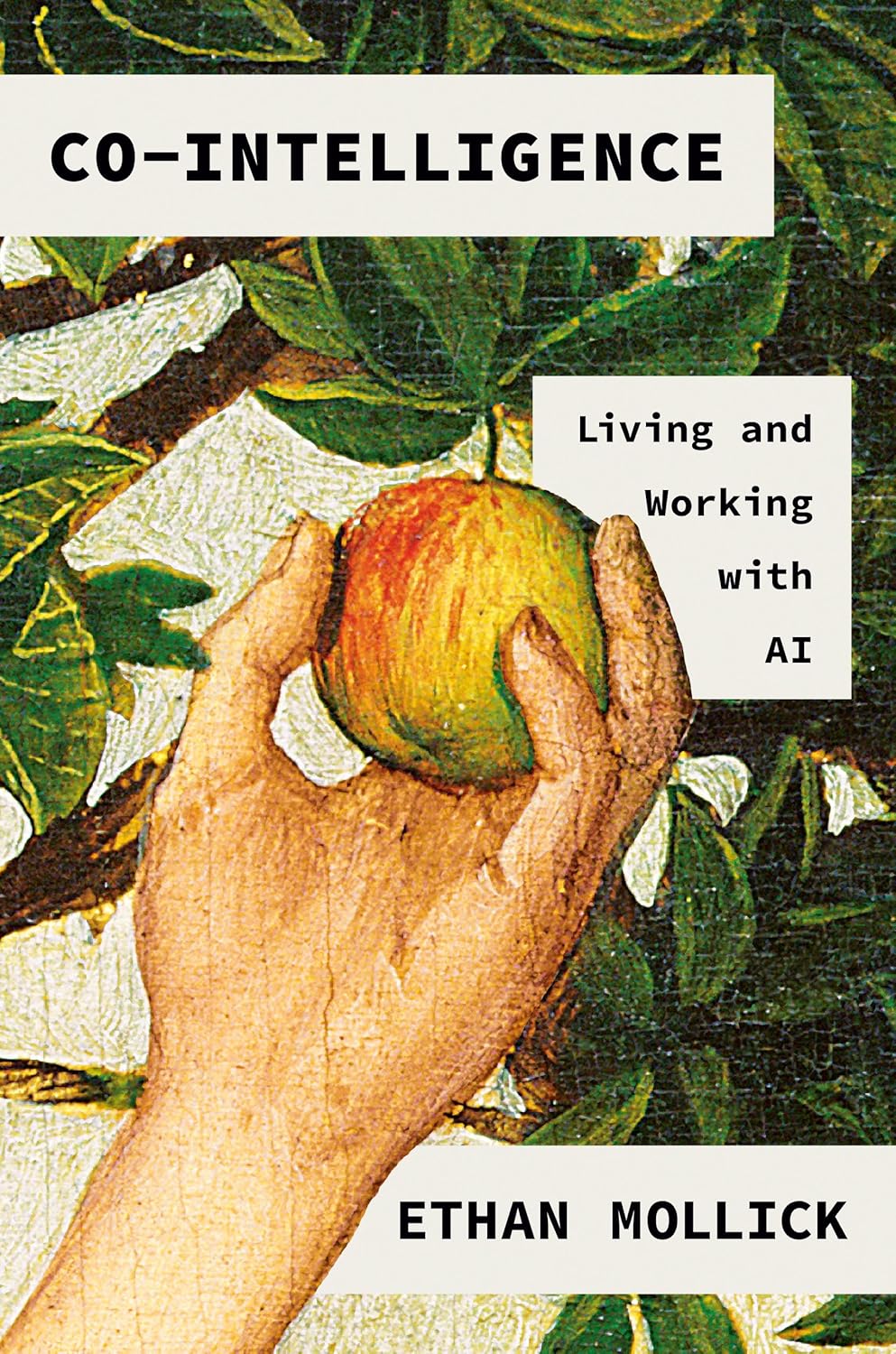
Ethan Mollick
How to work alongside AI before it changes everything around us
Read Review
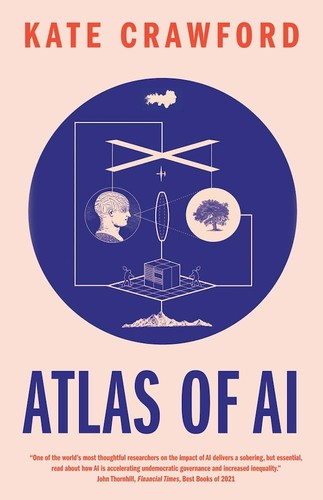
Kate Crawford
What the AI revolution actually costs us — in resources, labor, and power
Read Review
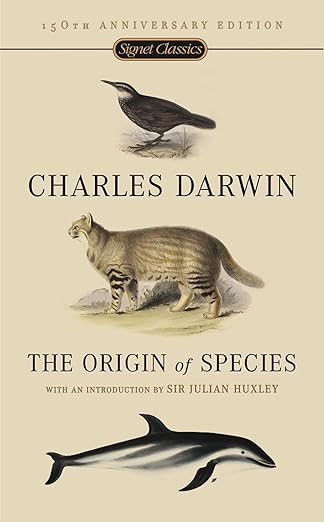
Charles Darwin
How change happens not in a sudden leap but through adaptation to what came before
Read Review