




← Back to Gallery
0 / 18
0:00 / 6:59
Godel Escher Bach

Godel Escher Bach

Book Review

A Pulitzer-Prize Strange Loop

A Pulitzer-Prize Strange Loop

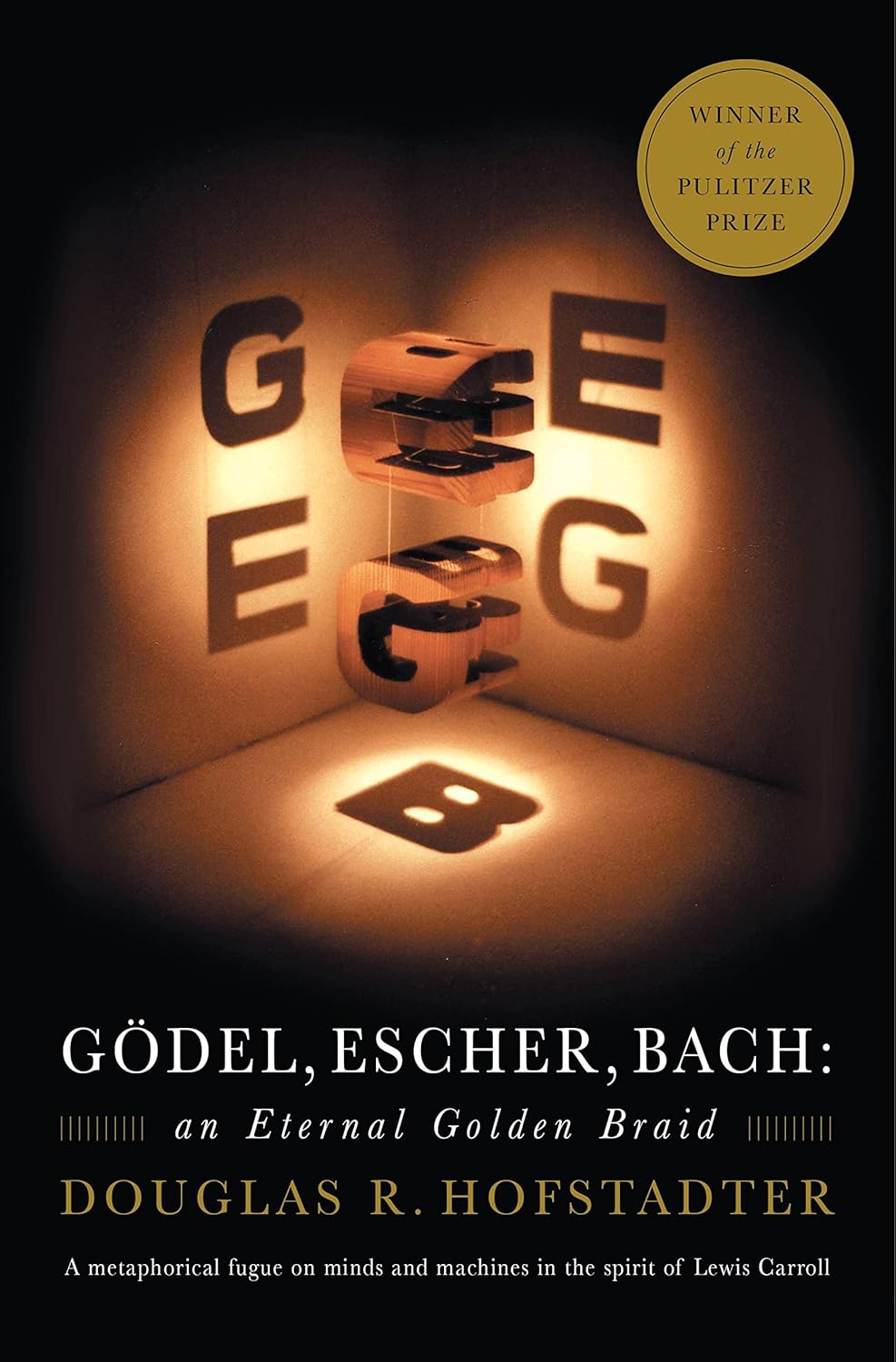
Hey everyone! Ian here! Welcome to our book review of Gödel, Escher, Bach: An Eternal Golden Braid by Douglas Hofstadter. This is the kind of book you don't just read — you wrestle with it, you draw diagrams in the margins, and you walk away looking at consciousness, computation, and music like you've never quite seen them before. It won the Pulitzer Prize in 1980, and forty-six years later it's still one of the strangest, most ambitious books ever written about how minds emerge from machines.

Gödel, Escher, Bach — Three Pillars

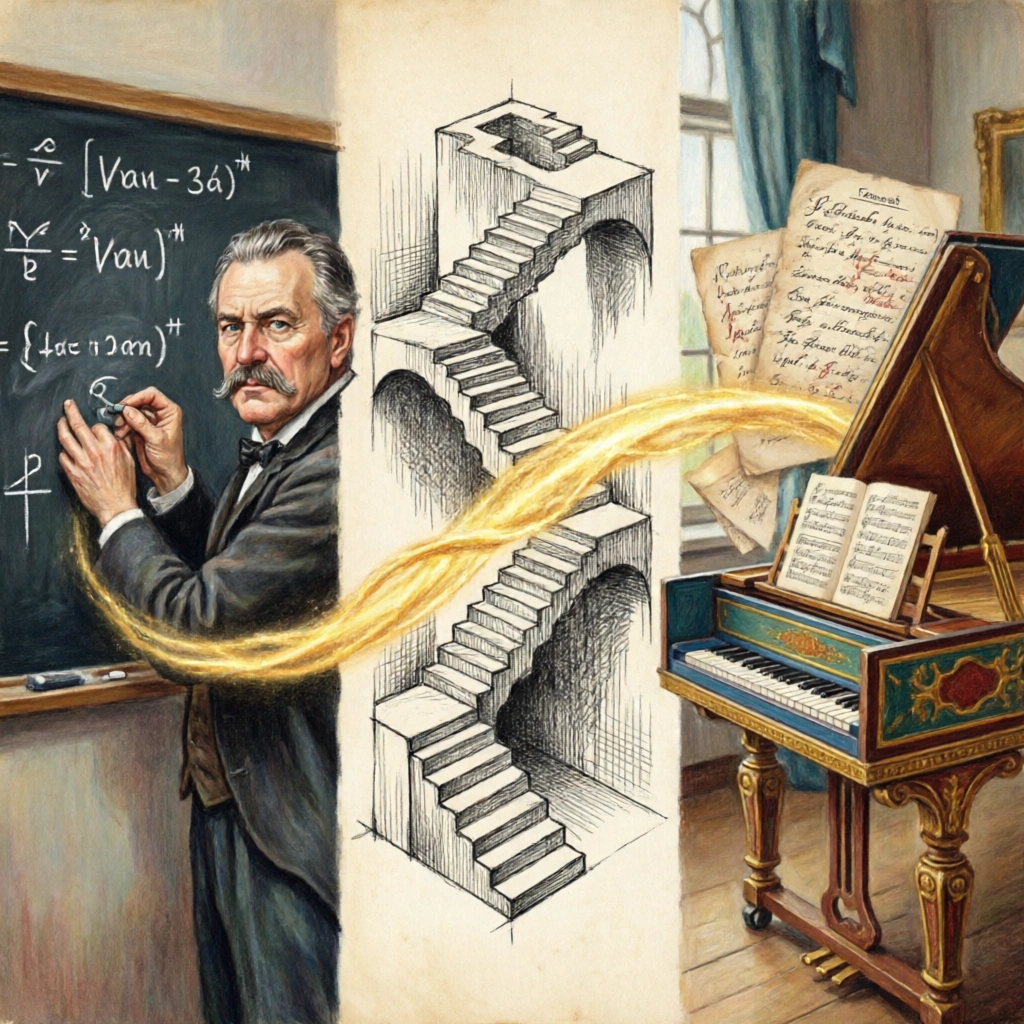
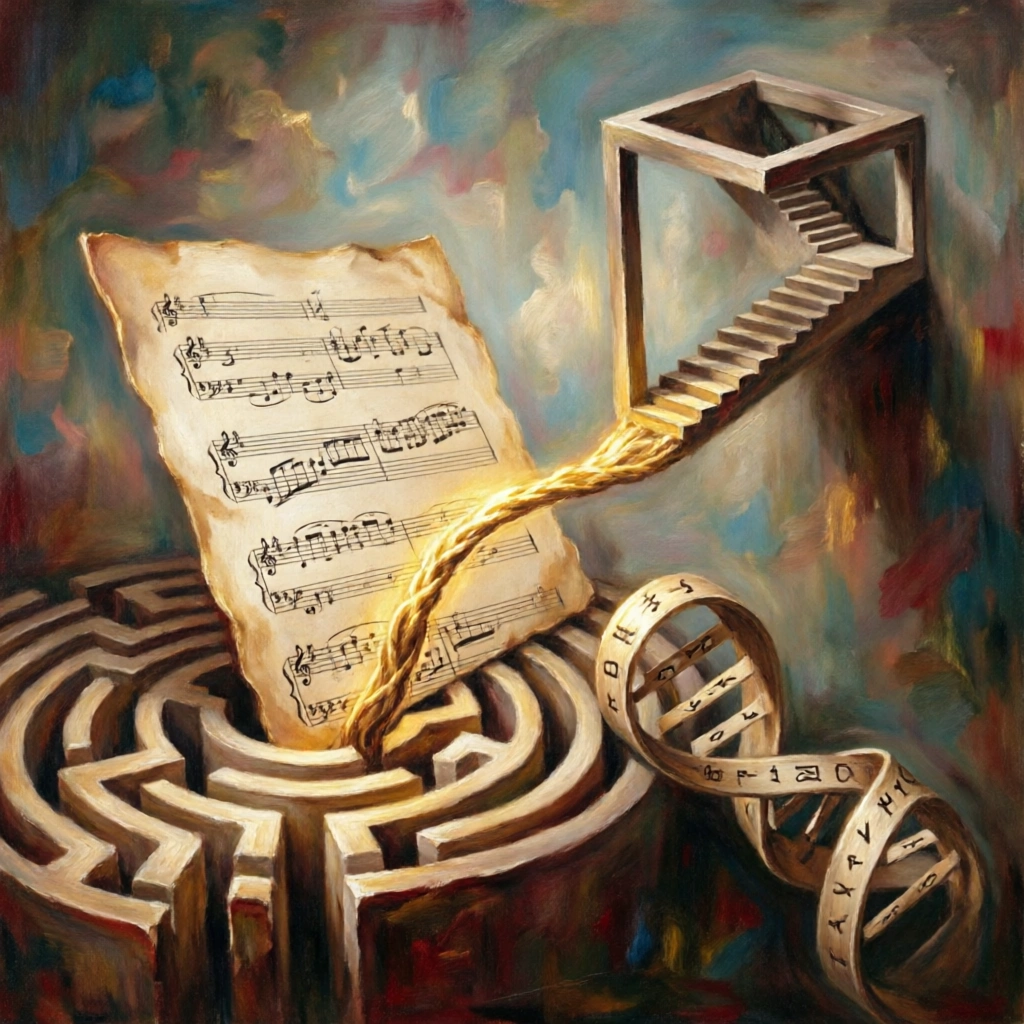
Hofstadter wrote it in his late twenties as a young cognitive scientist at Indiana University. The full title gives you the three pillars: Kurt Gödel the logician, M.C. Escher the impossible-staircase artist, and Johann Sebastian Bach the master of fugues and canons.

Gödel, Escher, Bach — Three Pillars
What Is a Strange Loop?

What Is a Strange Loop?

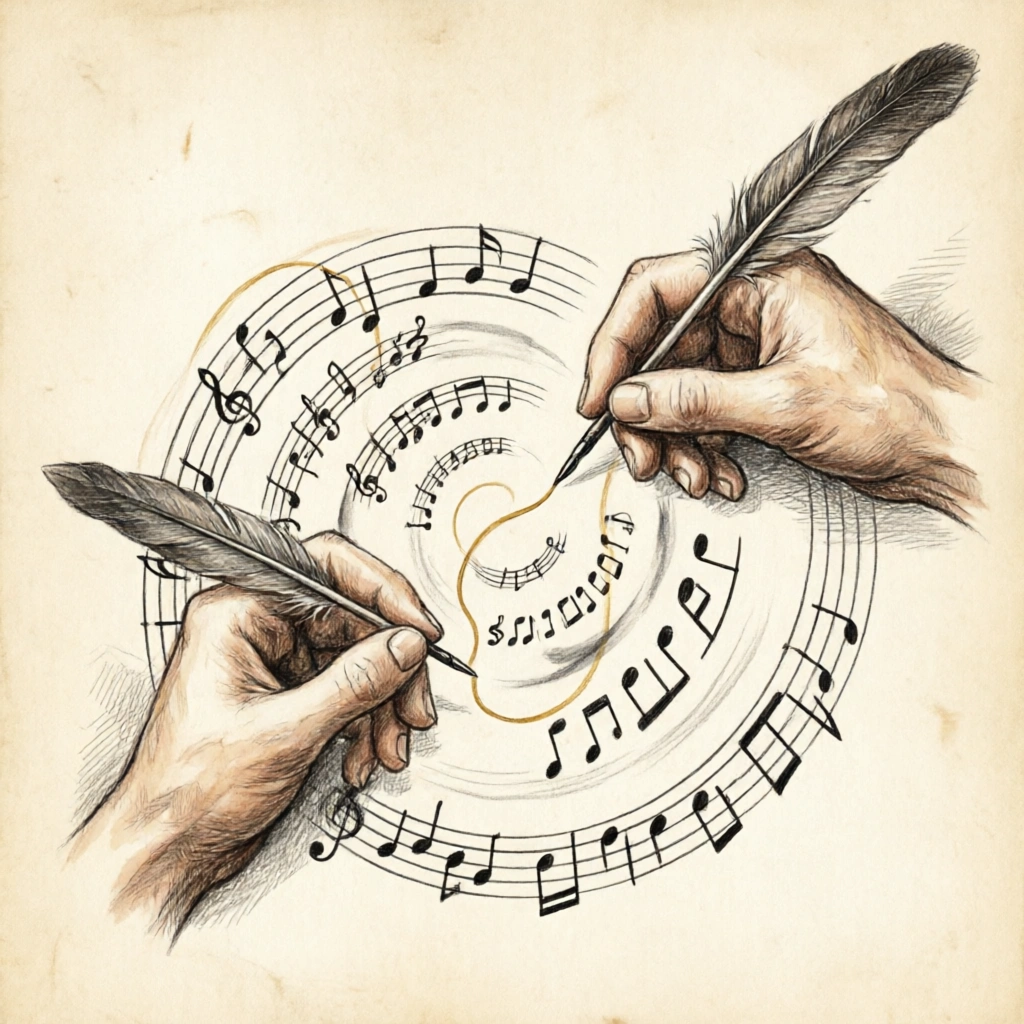
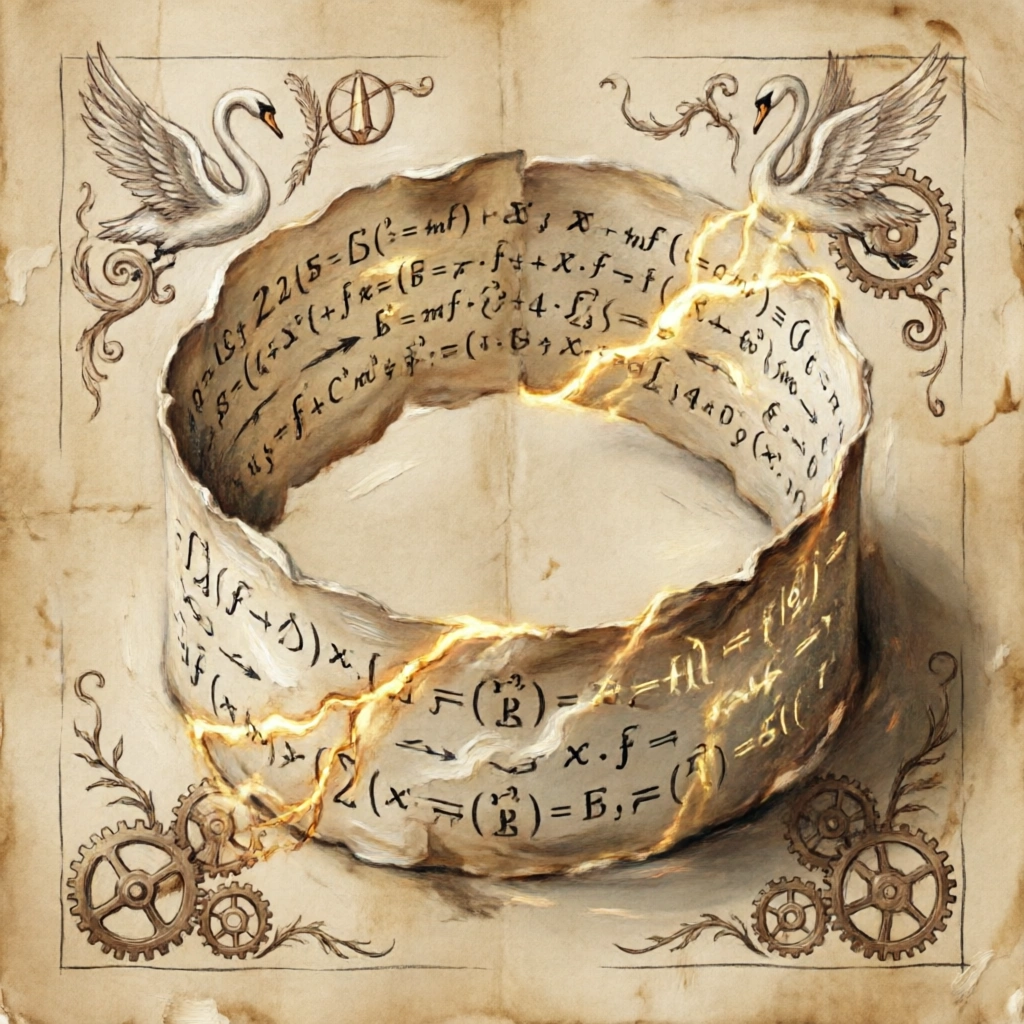
The book's central claim is that these three minds, working in completely different domains, were circling the same idea — what Hofstadter calls the "strange loop." A strange loop is what happens when, moving through a hierarchical system, you find yourself unexpectedly back where you started. Escher's hands drawing each other. A Bach canon that modulates upward until it returns to its starting key. A mathematical statement that says, "I am unprovable." And, Hofstadter argues, the human self — the "I" — looking at itself.

Spoiler Warning

Quick spoiler warning here. This book has ideas you can summarize, and I'm going to. If you'd rather discover the strange loops on your own, pause now and come back.

Spoiler Warning
Dialogues That Become Their Own Fugues

Dialogues That Become Their Own Fugues

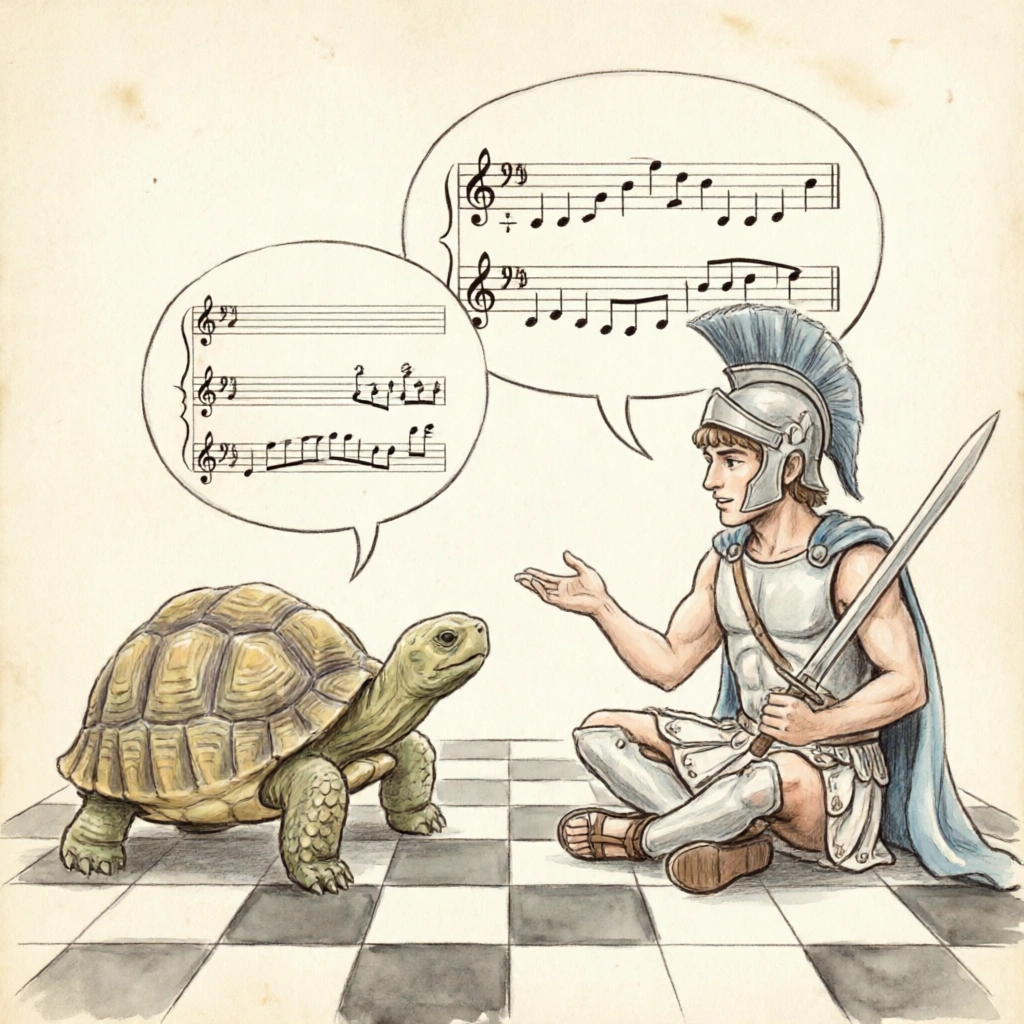
The book is structured like nothing else. It alternates between deep technical chapters and playful dialogues between Achilles and the Tortoise, characters borrowed from Lewis Carroll and Zeno. The dialogues are not filler. They're little fugues themselves — each one structurally mirrors a Bach piece while dramatizing the concept of the next chapter. Hofstadter is showing you the idea, not just telling you about it. You're meant to feel form and content collapsing into each other.

Gödel's Incompleteness Theorem

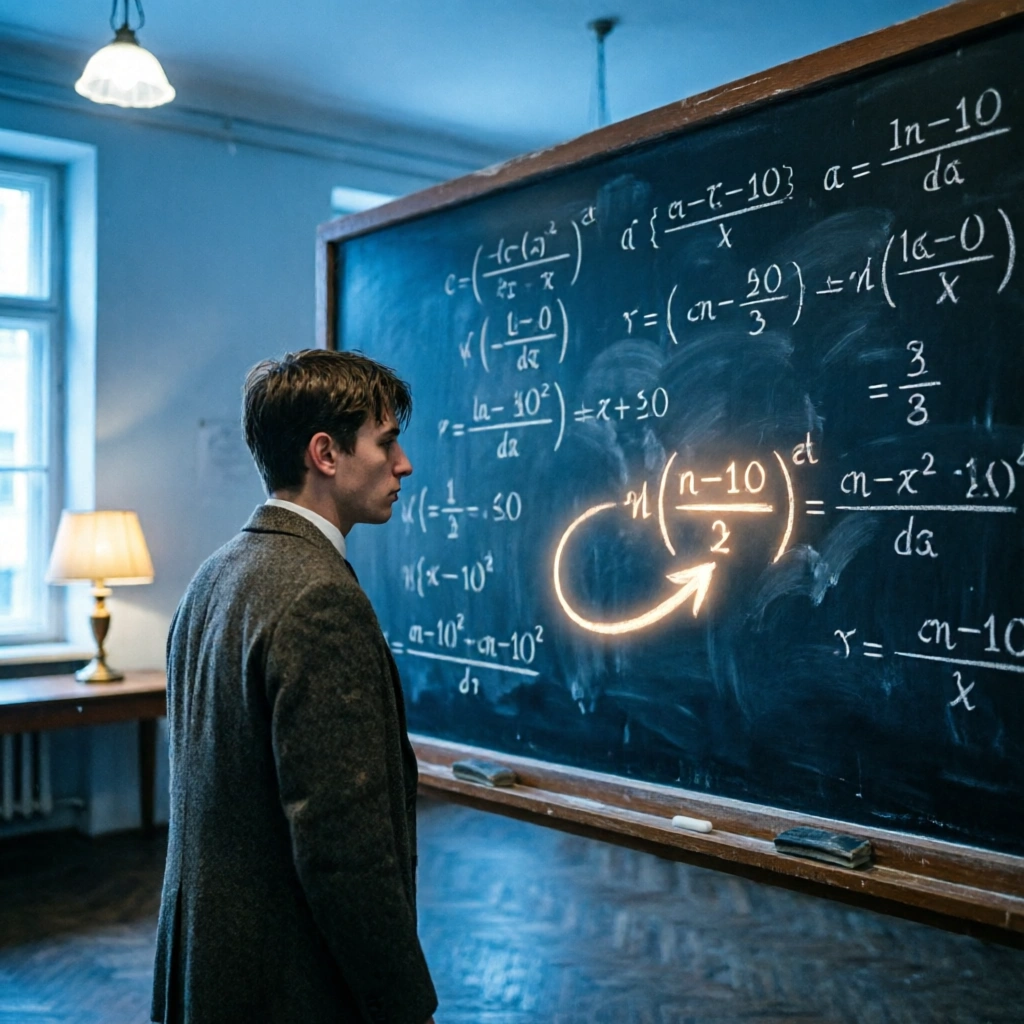
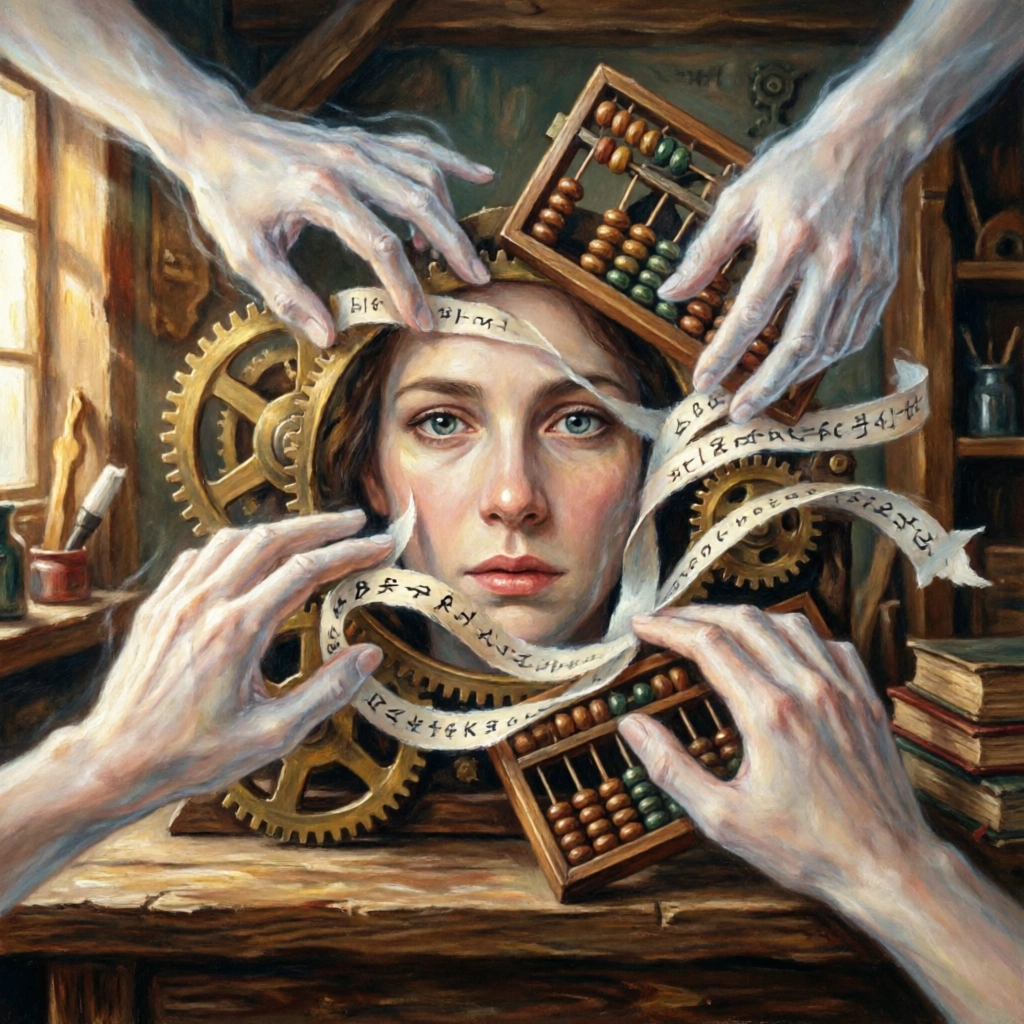
Let me walk you through the central ideas. The deepest one is Gödel's incompleteness theorem. In 1931, a young Austrian logician named Kurt Gödel proved that any formal mathematical system rich enough to describe arithmetic must contain statements that are true but unprovable inside the system. He did this by constructing a statement that, through clever encoding, says of itself, "I cannot be proven in this system." If it's provable, it's false. If it's true, the system can't prove it.

Gödel's Incompleteness Theorem
A Self-Referential Loop in Math

A Self-Referential Loop in Math

Gödel had built a self-referential loop inside pure mathematics, and it permanently broke the dream of a complete, self-contained logical foundation for math. Hofstadter spends hundreds of pages making this proof feel beautiful instead of terrifying.

Self-Reference Everywhere

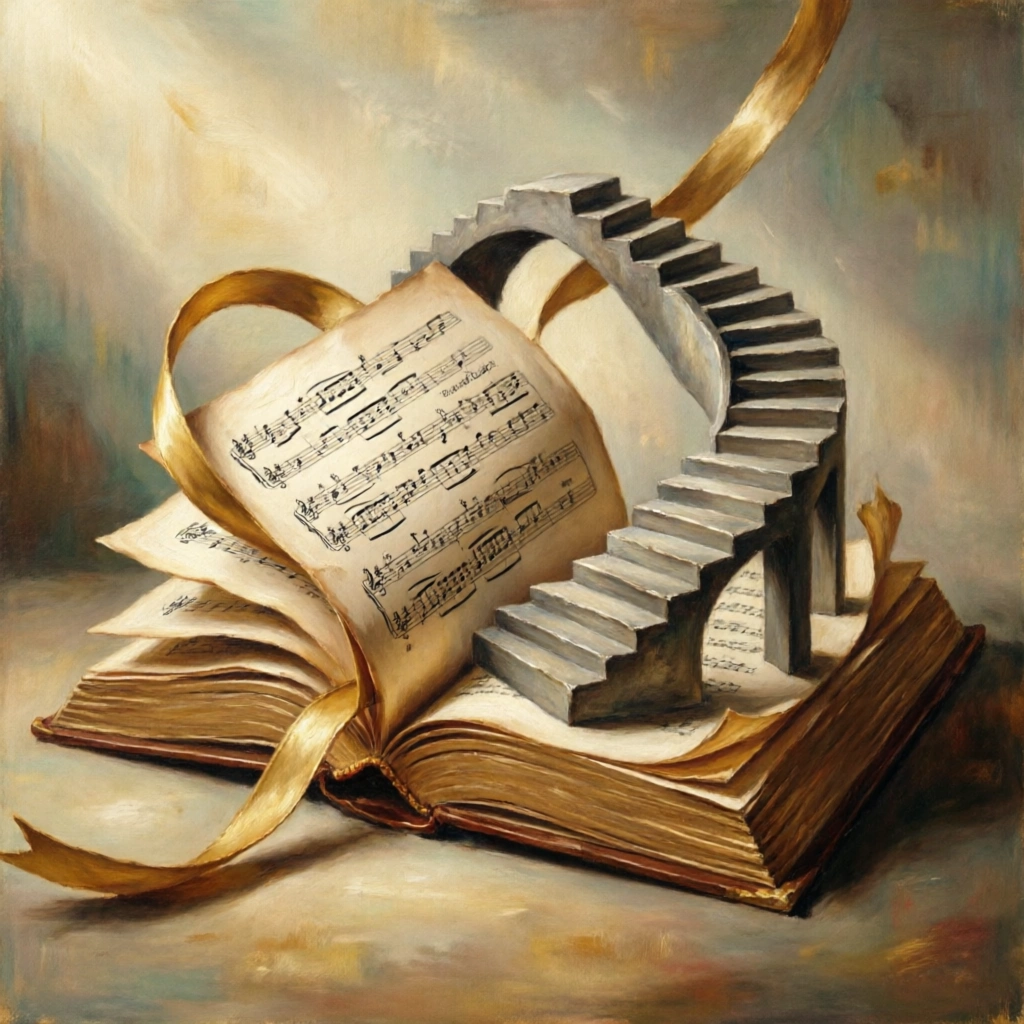
Second, Hofstadter argues that the same self-reference shows up everywhere thinking happens. Bach's Musical Offering contains canons that climb through key after key and arrive back where they started one octave higher. Escher drew waterfalls that flow uphill, hands that draw the hands drawing them, monks ascending a staircase that loops in on itself. These are not just clever tricks. They're glimpses of a structural feature of any sufficiently rich representation system.

Self-Reference Everywhere
When Systems Represent Themselves

When Systems Represent Themselves

Once a system can represent itself, it can fold back on itself, and strange loops become possible.

The Self As a Strange Loop

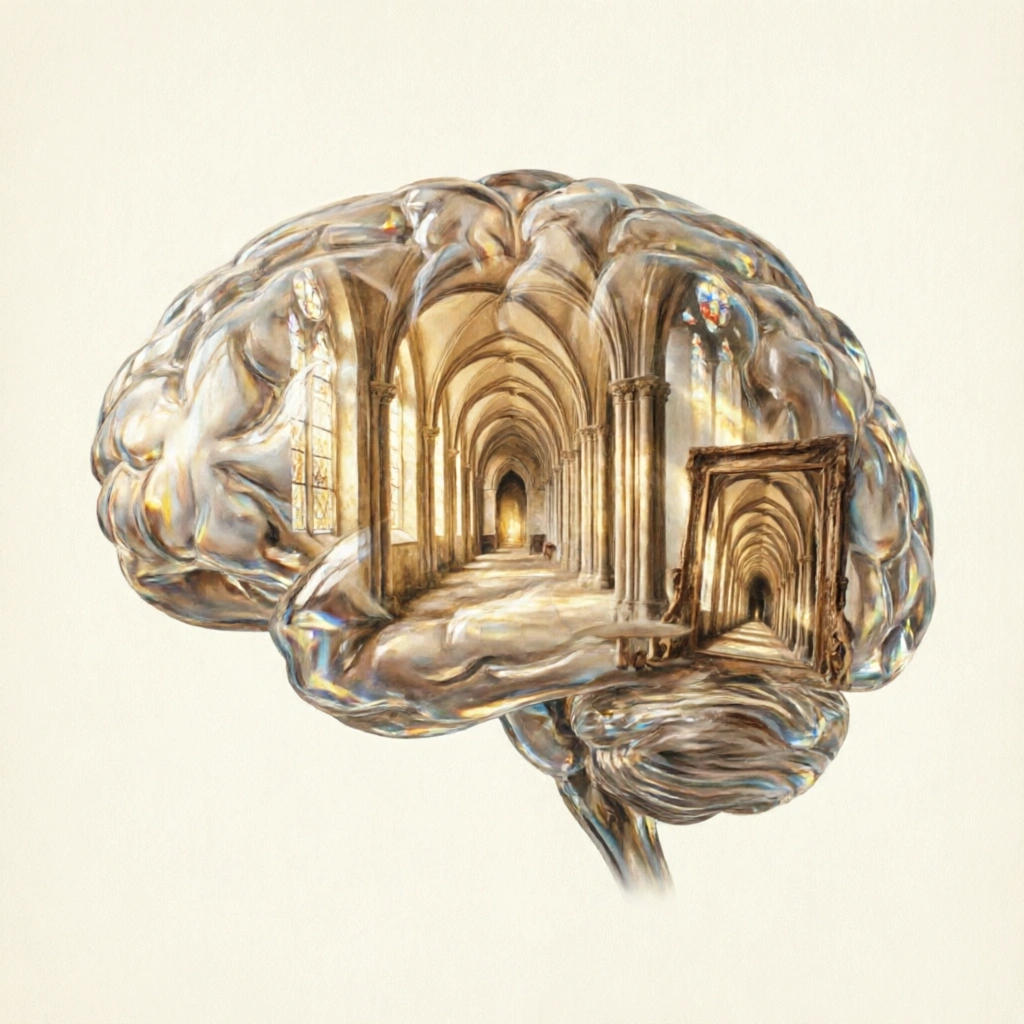
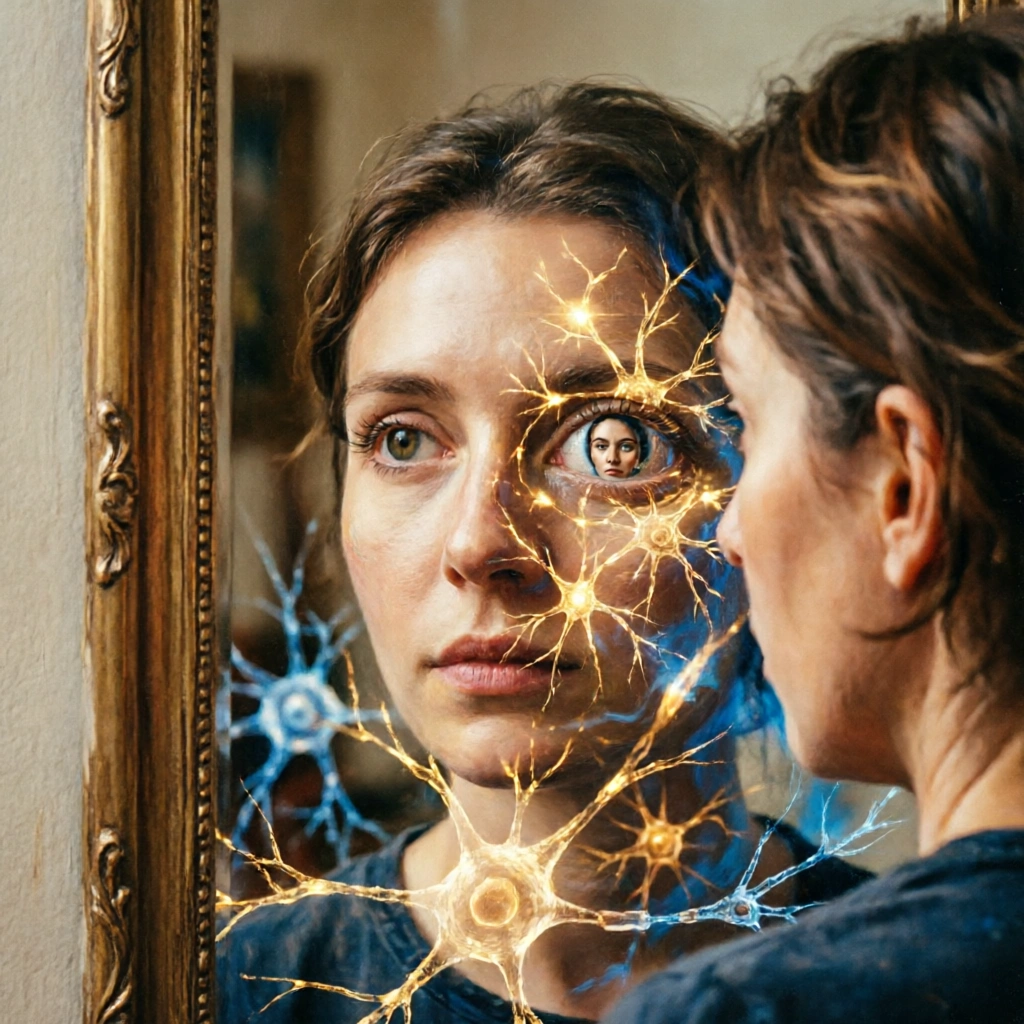
Third, and this is the punchline of the whole book, Hofstadter proposes that the human "I" — the felt sense of being a self — is itself a strange loop. Your brain is a hierarchy of neurons firing, but somewhere up the ladder of abstraction, the system starts representing itself. It builds a model of "me." That model is not separate from the neurons. It is a pattern in them. And the pattern, being self-referential, becomes the locus of what we call consciousness. There is no homunculus inside the brain pulling levers.

The Self As a Strange Loop
Could a Machine Be a Mind?

Could a Machine Be a Mind?

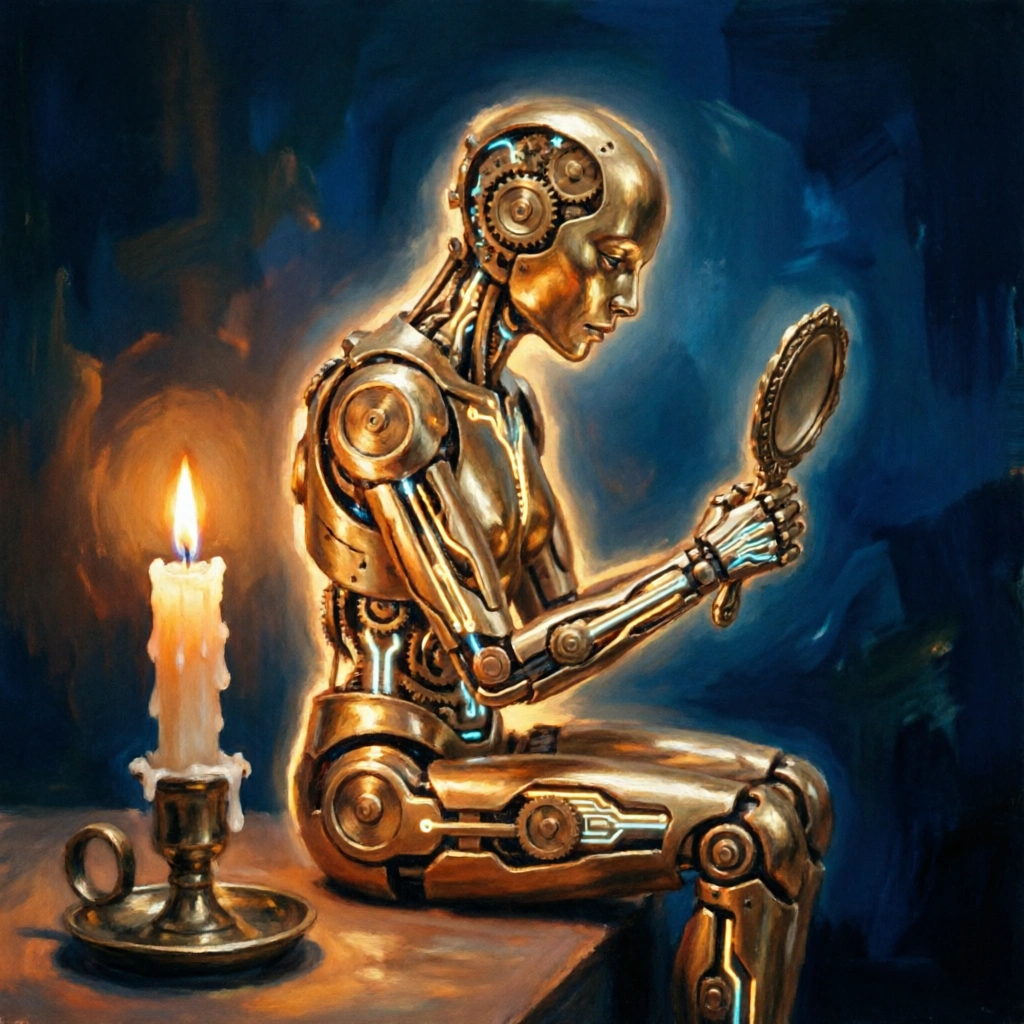
There is a loop that has become aware of itself. Fourth, the book is a deep meditation on artificial intelligence — and remember, Hofstadter was writing this in 1979, before the personal computer, before the internet, decades before deep learning. He asks: if minds are strange loops in physical substrates, could a different physical substrate — silicon, for instance — host the same kind of loop? He doesn't answer it cheaply.

What Real Thinking Would Require

He spends chapters on what a thinking machine would actually have to do: not just symbol manipulation, but the ability to step outside its own rules, to perceive analogies, to surprise itself. Modern AI researchers still argue about whether large language models cross that threshold or just approximate it from the outside. Hofstadter himself has become a thoughtful skeptic of the current LLM wave for exactly the reasons this book lays out.

What Real Thinking Would Require
Form Becomes Content

Form Becomes Content

Some moments are unforgettable. The dialogue called "Little Harmonic Labyrinth" is structured like a Bach fugue in prose, with characters interrupting themselves recursively and then unwinding back out — a literal stack overflow rendered as comedy. The MU puzzle teaches you formal systems by trapping you in one. The Crab Canon dialogue reads the same forwards and backwards, like Bach's actual crab canon. The whole book is constructed so that reading it is itself an experience of the ideas inside it.

Why It Broke My Brain

I read this in university and it broke my brain in the best possible way. I came in thinking math, art, and music were separate disciplines you specialize in. I left thinking they were three windows looking into the same room. The book gave me a vocabulary for self-reference I still use today when I think about consciousness, recursive systems, and what AI is actually trying to be.

Why It Broke My Brain
Why This Book Still Matters

Why This Book Still Matters

Why does this book deserve your time in 2026? Because the questions Hofstadter was asking in 1979 — what is a mind, can a machine have one, where does meaning come from in a system of symbols — are now the most consequential engineering questions on the planet. Every conversation about LLM consciousness, AGI, alignment, and machine sentience is downstream of the framework GEB set up. If you want to think seriously about AI, you have to be able to think about strange loops. This is the book that teaches you how.

How to Actually Read It

A warning. It's long — over seven hundred pages. It's intentionally difficult. Hofstadter will demand you learn a little formal logic, a little Bach, and a little number theory just to keep up. Most people who read it read it slowly, over months, with a notebook. That is the right way to do it. This is not a book to skim on an airplane. It's a book to live with.

How to Actually Read It
Similar Books

Similar Books

If you loved this, you should also read The Mind's I, the anthology Hofstadter co-edited with Daniel Dennett, which extends these arguments through philosophy fiction. The Beginning of Infinity by David Deutsch carries the torch into universal computation and explanation. And A Brief History of Intelligence by Max Bennett retraces the evolutionary path that produced the strange loop in our own heads. Thanks for watching, and happy reading!

📚 You Might Also Like
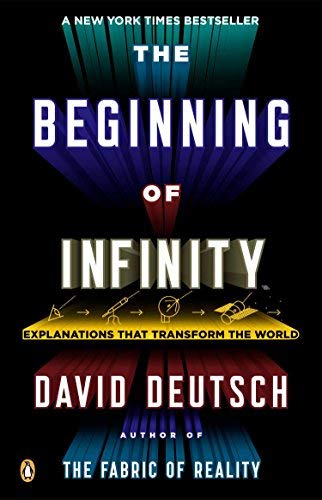
The Beginning of Infinity

The Beginning of Infinity

David Deutsch

Carries the torch from strange loops into universal computation and explanation

Read Review
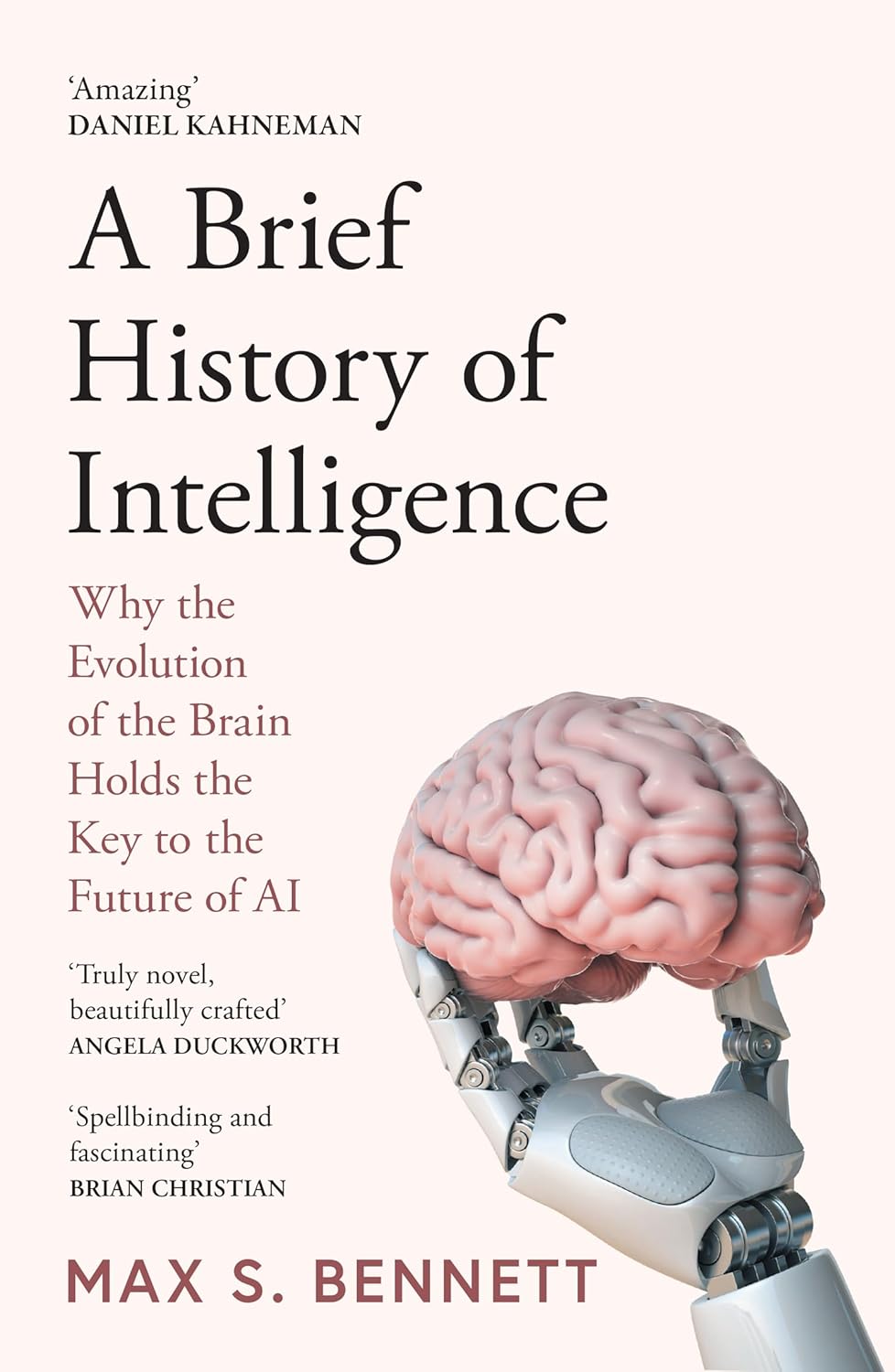
A Brief History of Intelligence

A Brief History of Intelligence

Max Bennett

The evolutionary path that produced the strange loop in our own heads

Read Review
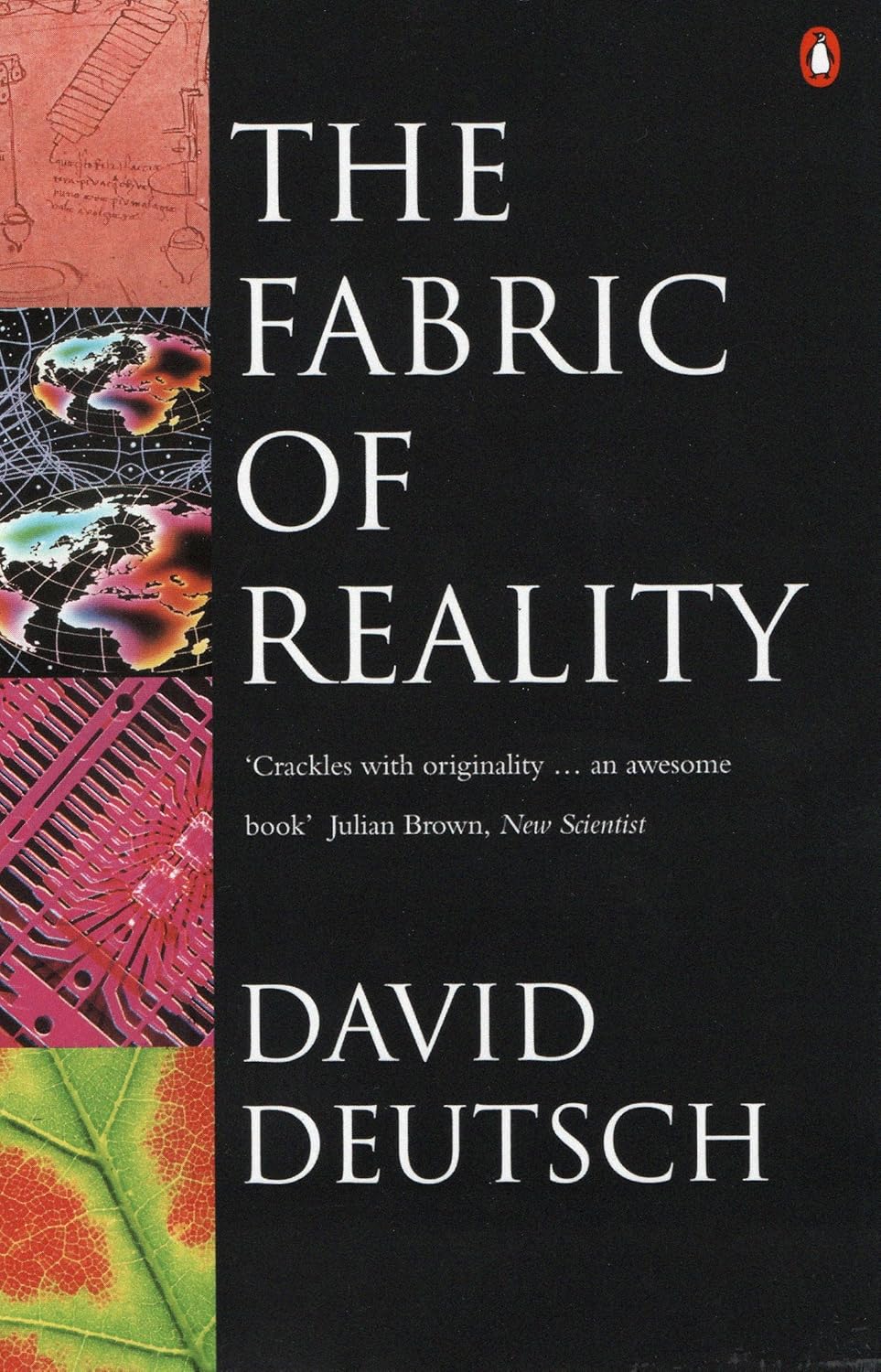
The Fabric of Reality

The Fabric of Reality

David Deutsch

Computation, knowledge, and minds woven into one explanatory framework

Read Review
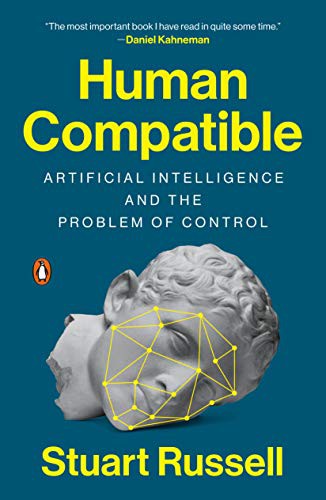
Human Compatible

Human Compatible

Stuart Russell

What it would actually take to build a machine with a mind we can live with

Read Review

💬 Reader Thoughts

Email is required for anti-spam but can be fake if you prefer privacy.

Loading comments...