
Introduction
Hey everyone! Ian here! Welcome to our book review series. Today I'm sharing a book that's deeply personal to me—one that captures the raw humanity behind one of the greatest scientific achievements in history. If you've ever wondered whether science should belong to all of us or just the highest bidder, or if you love stories where quiet determination beats corporate power, this one will stay with you. It's the insider account of the race to sequence the human genome, told by the man who helped keep it free for everyone.
Meet the Authors
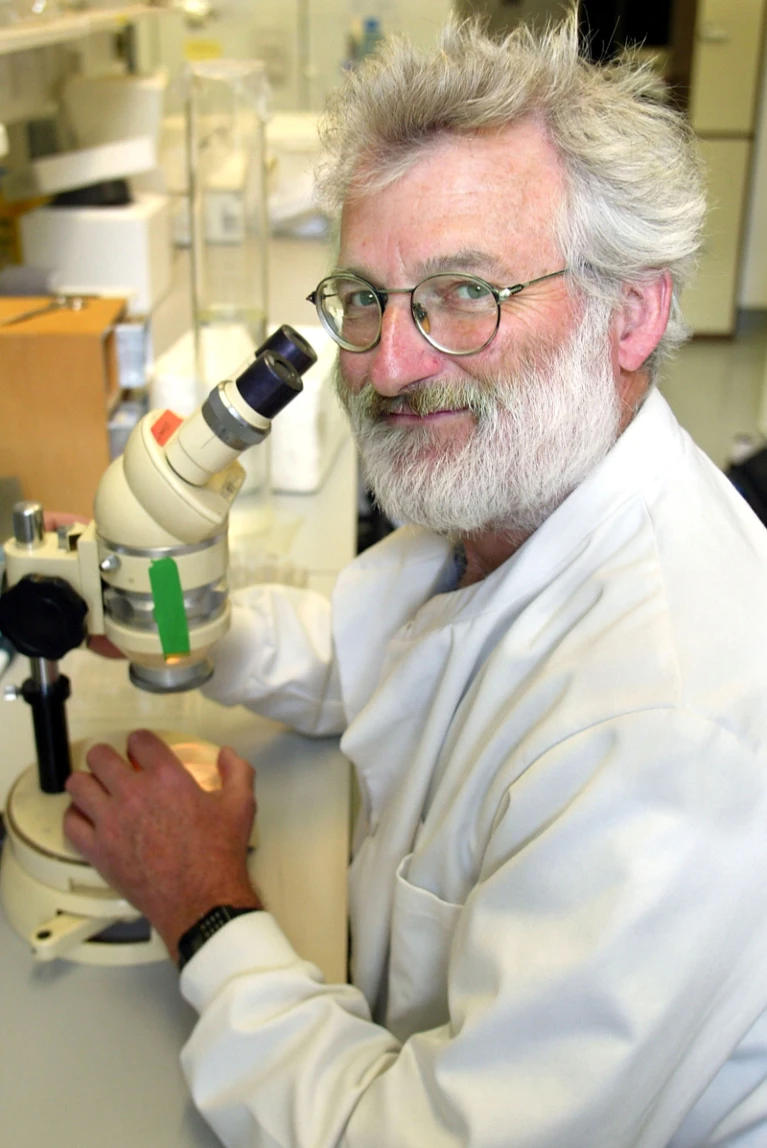
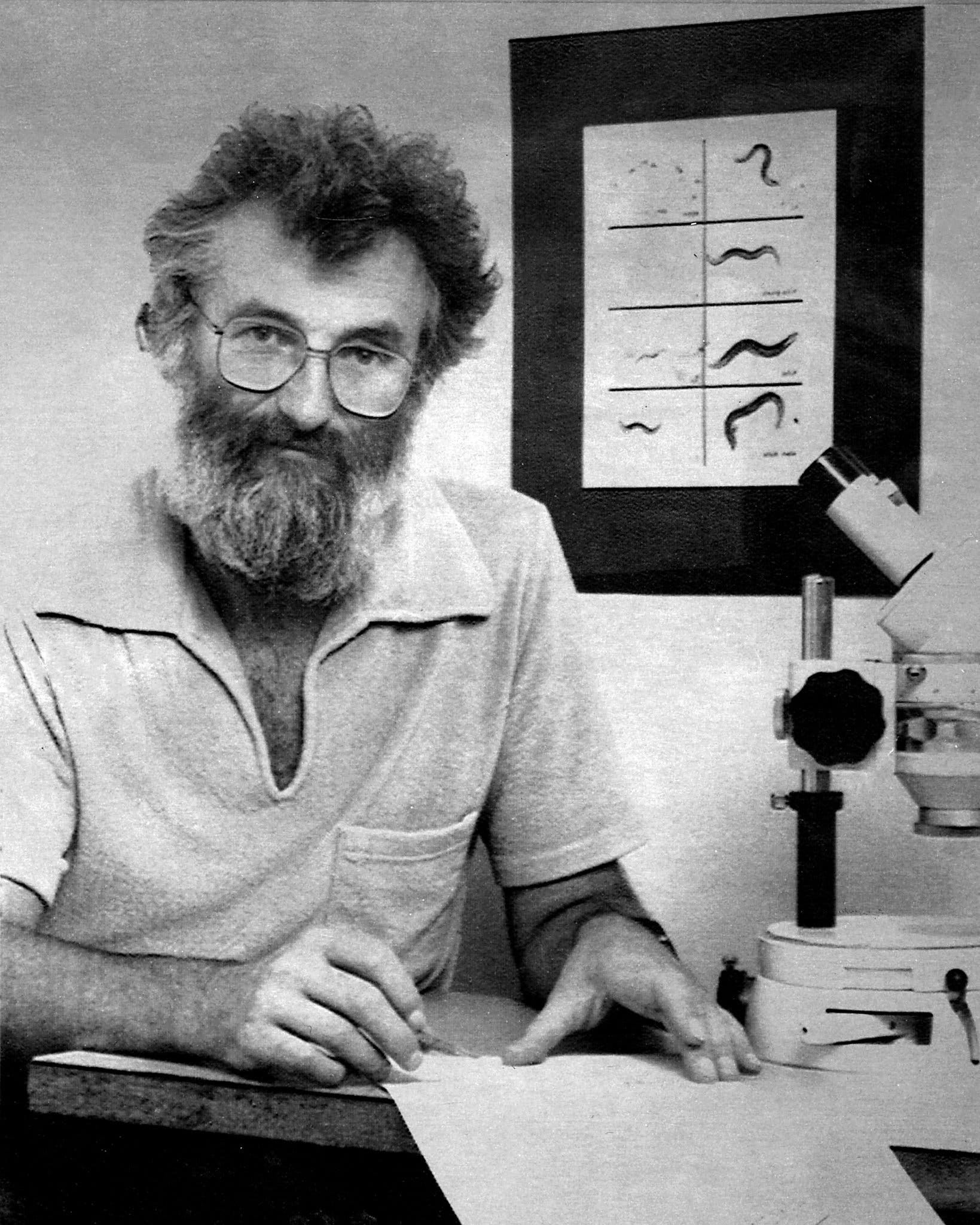
Let's meet the authors. Sir John Sulston was a British biologist who won the Nobel Prize in Physiology or Medicine in 2002 for his groundbreaking work on the tiny nematode worm C. elegans—the first animal to have its entire genome sequenced. He went on to direct the Sanger Centre in Cambridge and led the UK's contribution to the international Human Genome Project.
The Book
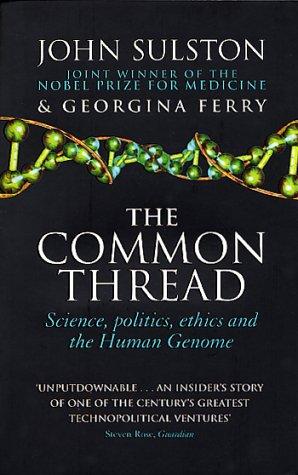
Co-author Georgina Ferry is a respected science writer who helped shape Sulston's personal story into a gripping narrative. The Common Thread: A Story of Science, Politics, Ethics, and the Human Genome was published in 2002—first by Bantam Press in the UK, then by Joseph Henry Press in the US. It's around 310 to 328 pages of memoir and reflection. On Goodreads it holds a solid 3.64 average from hundreds of readers who call it essential, eye-opening, and passionately argued. Critics praised it as "a compelling history and an impassioned call for ethical responsibility", though some noted the early technical sections can feel dense for non-scientists. Overall, it’s seen as a vital counterpoint to the more commercial narratives of the genome race, and it landed right after Sulston’s Nobel win. Here's the big picture—completely
The Story Begins
spoiler-free, because the power is in the real-world drama. Sulston starts by sharing his own unlikely path: a curious kid who fell in love with science, spent years quietly mapping the development of every single cell in the C. elegans worm, and never imagined he'd end up at the center of global politics. But when the Human Genome Project took shape in the early 1990s, Sulston stepped up to lead the British effort at the newly created Sanger Centre.
The Collaboration
What follows is an exhilarating, sometimes tense, behind-the-scenes journey through one of the largest international scientific collaborations ever attempted. You meet the global network of researchers—Americans, Brits, Japanese, French, and more—who committed to sharing data openly in real time, guided by the Bermuda Principles that Sulston helped champion. The book dives into the daily grind of sequencing: the late nights, the massive scale-up of machines and computing power, the excitement of each new chromosome coming together, and the inevitable setbacks when technology or funding hit walls.
The Conflict
Then comes the dramatic turning point in 1998 when Craig Venter announces a private, for-profit rival effort with Celera Genomics. Suddenly the race isn't just scientific—it's political and ethical. Sulston takes us inside the high-stakes meetings, the media battles, the pressure from governments and funders, and the fierce debates over whether the human genome should be patented or kept as a public good. You feel the urgency as the public project accelerates to stay ahead, the relief when draft sequences are published simultaneously in 2001, and the deeper questions about what this knowledge means for medicine, privacy, and human identity.
The Human Side
Throughout, Sulston never loses sight of the human side—the friendships forged across borders, the rivalries, the personal sacrifices, and the profound sense that this was more than data. It was our shared inheritance.
Six Essential Lessons
So what are the core ideas and lessons you'll walk away with? Here are the six biggest that make this book essential reading. First, science at its best is collaborative and open: real progress happens when data flows freely, not when it's locked behind paywalls. Second, the genome belongs to humanity—it is "our inalienable heritage… humanity's common thread," as Sulston puts it so memorably. Third, ethics aren't an afterthought; they're baked into every decision, especially when big money enters the lab. As he writes about the commercial threat, "We wrote this book so that people might understand how close the world came to losing that freedom."
More Lessons
Fourth, competition can be healthy, but when it turns into a zero-sum game between public good and private profit, it distorts the entire enterprise. Fifth, humility and persistence matter: Sulston describes himself as someone who "never meant to get involved in the three-ring circus," yet his quiet conviction helped tip the scales. And sixth, the Human Genome Project wasn't just about reading DNA—it was about deciding what kind of future we want for knowledge itself. Sulston's central goal was to show that science must serve the wider human interest, not just shareholders, and that protecting open access is a moral imperative. He achieves it with honesty, warmth, and zero self-aggrandizement.
Why Read This Now?
Why does this book deserve your time right now—especially in our era of gene editing, personalized medicine, and ongoing battles over data ownership? Because it reminds us that the choices we make about science today will shape tomorrow's world. It's not a dry textbook; it's alive with real people, real stakes, and real hope. The writing is clear and conversational once you get past the opening worm chapters, and the ethical arguments feel even more urgent twenty-plus years later. Perfect for students, scientists, policymakers, or anyone who cares about who controls our most fundamental biological information.
A Personal Connection
And speaking personally, this book holds extra meaning for me. In 2007, Sir John Sulston visited Queen's University in Kingston, Ontario, to give a lecture on academic freedom. I was lucky enough to meet him, chat about the genome project, and even get him to autograph my copy. That moment turned this from "just another science book" into a treasured reminder that the greatest minds are also the most generous.
Conclusion
There you have it—The Common Thread, the book that proves the human genome is our common heritage and that open science can win against all odds. If it was one of the books that shaped your view of what science should be, or if you're just starting to explore these ideas, grab a copy today. You'll come away inspired and ready to defend the free exchange of knowledge. I'll see you in the next one. Stay curious, keep questioning, and remember—we're all part of the same thread. Thanks for listening!
💬 Reader Thoughts
Loading comments...